
Ever thought about doubling up on your workouts? You’re not alone.
The idea of exercising multiple times a day might sound intense, but it’s gaining traction among fitness enthusiasts like you. Imagine boosting your energy levels, burning more calories, and seeing faster results—all by tweaking your routine. Tempting, right? Before you dive in, it’s important to know how to do it safely and effectively.
This article will guide you through the benefits, potential pitfalls, and tips to maximize your workout sessions. Curious to find out how to make this work for you? Let’s explore the ins and outs of working out multiple times a day, and discover if it’s the game-changer your fitness journey needs.
Benefits Of Multiple Daily Workouts
Working out multiple times a day offers many benefits beyond a single session. Splitting exercise into shorter periods helps maintain focus and energy. It also supports better physical and mental health. Here are some key advantages of training more than once daily.
Enhanced Energy Levels
Short, frequent workouts boost your energy. They prevent fatigue that comes from long sessions. Your body stays active and alert throughout the day. This can improve mood and productivity. Small bursts of exercise refresh both body and mind.
Improved Metabolism
Multiple daily workouts raise your metabolism. Your body burns calories more efficiently over time. This helps with weight control and fat loss. Frequent activity keeps your metabolism active all day. It also supports better digestion and nutrient use.
Faster Muscle Recovery
Splitting workouts allows muscles to recover better. It reduces soreness and overuse injuries. Gentle movement between sessions promotes blood flow. This speeds up healing and growth. Regular recovery times lead to stronger muscles and less pain.
Types Of Workouts To Split
Splitting your workouts across multiple sessions in a day can boost your energy and focus. Choosing the right types of workouts to split matters a lot. It helps you avoid burnout and keeps your progress steady.
Cardio Sessions
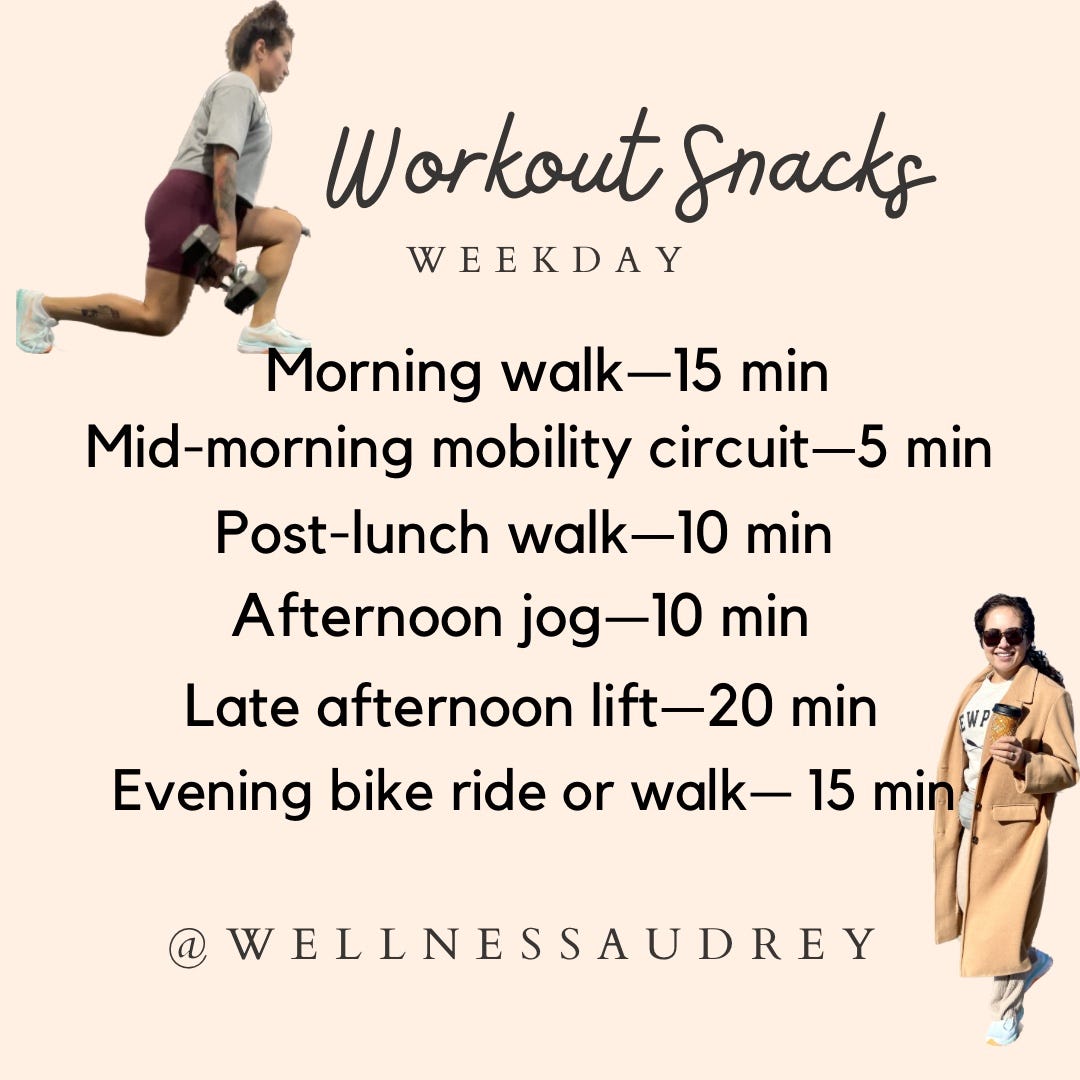
Breaking up cardio into shorter sessions can improve your stamina without overwhelming your body. You might do a brisk 20-minute jog in the morning and a quick cycling session in the evening.
This approach allows you to maintain high intensity in each session, making your workouts more effective. Have you noticed how splitting cardio helps you push harder in each burst?
Strength Training
Dividing strength workouts lets you target specific muscle groups with better focus. Try upper body exercises in the morning and lower body routines later in the day.
This split reduces fatigue and encourages better muscle recovery. What if you could lift heavier weights by simply spacing out your sessions?
Flexibility And Mobility
Incorporating flexibility and mobility workouts in different parts of the day can improve your overall movement. Stretching in the morning wakes your body up, while an evening yoga session can relax tight muscles.
This habit supports your strength and cardio routines by preventing injury and boosting performance. How often do you give your body the chance to reset with mobility work?
Scheduling Your Workouts
Scheduling your workouts throughout the day plays a key role in your fitness success. Proper timing helps your body recover and perform better. It also supports consistent energy levels and motivation. Planning workout sessions with care can make multiple daily workouts effective and safe. Let’s explore how to arrange these sessions for the best results.
Morning Vs Evening Routines
Morning workouts boost energy and focus for the day. They jumpstart metabolism and improve mood. Evening routines help release stress built up during the day. Muscles tend to be warmer and more flexible in the evening. Choose a time that fits your lifestyle and feels natural. Some prefer quiet mornings, others find evenings less rushed. Both times have unique benefits for your body and mind.
Optimal Workout Spacing
Spacing workouts correctly allows muscles to recover and grow. Aim for at least 4 to 6 hours between sessions. This gap reduces fatigue and lowers injury risk. Proper spacing helps maintain workout quality and intensity. Use breaks to hydrate, eat light meals, and rest. Listen to your body and adjust timing as needed.
Balancing Intensity And Rest
Balance high-intensity workouts with lighter sessions or rest. Avoid doing intense exercises back to back. Mix strength training with cardio or flexibility work. Rest periods are essential for muscle repair and energy restoration. Overtraining can lead to burnout and injuries. Plan active recovery days or gentle activities like walking or stretching. This balance keeps progress steady and sustainable.

Credit: betterme.world
Nutrition For Multiple Workouts
Nourishing your body properly is key when working out multiple times a day. Your muscles need energy to perform and recover. Eating the right foods supports endurance and strength. Timing meals and snacks helps maintain energy levels and prevents fatigue.
Focus on balanced nutrition with carbs, proteins, and fats. Carbs provide quick energy. Protein repairs muscle tissue. Healthy fats support overall health and stamina. Proper hydration also plays a crucial role in performance and recovery.
Pre-workout Fueling
Eat a light meal or snack 30 to 60 minutes before each workout. Choose foods that digest easily and provide energy fast. Good options include:
- A banana or apple
- Low-fat yogurt with berries
- Whole-grain toast with peanut butter
- Oatmeal with a small amount of honey
Avoid heavy or greasy foods that can cause discomfort. Keep portions moderate to avoid feeling sluggish.
Post-workout Recovery Meals
After each session, focus on restoring energy and repairing muscles. Combine protein and carbohydrates within 30 to 60 minutes post-exercise. Examples of recovery meals:
- Grilled chicken with quinoa and vegetables
- Protein smoothie with fruit and spinach
- Egg omelet with whole-grain toast
- Greek yogurt with nuts and honey
Protein helps rebuild muscle fibers. Carbs refill glycogen stores. Eating soon after workouts speeds recovery.
Hydration Strategies
Drink water consistently throughout the day. Dehydration lowers performance and slows recovery. Tips for hydration:
- Drink 8-10 glasses of water daily
- Consume fluids before, during, and after workouts
- Include electrolyte drinks if sweating heavily
- Avoid sugary or caffeinated beverages before exercise
Listen to your body’s thirst signals. Proper hydration supports endurance and muscle function.
Avoiding Overtraining
Exercising multiple times a day can boost fitness fast. Yet, pushing too hard leads to overtraining. Overtraining harms progress and causes injury. Knowing how to avoid it keeps workouts safe and effective. Pay attention to your body’s signals and adjust your routine wisely.
Signs Of Fatigue
Fatigue shows when your body needs a break. Watch for these signs:
- Persistent muscle soreness
- Lower energy levels
- Slower recovery time
- Decreased performance
- Sleep problems
- Loss of motivation
Ignoring fatigue can cause injury or burnout. Listen to your body carefully.
Rest And Recovery Importance
Rest helps muscles repair and grow stronger. Recovery prevents injury and improves performance. Include rest days in your schedule. Use light activities like walking or stretching on recovery days. Sleep is also critical for healing and energy.
Adjusting Workout Volume
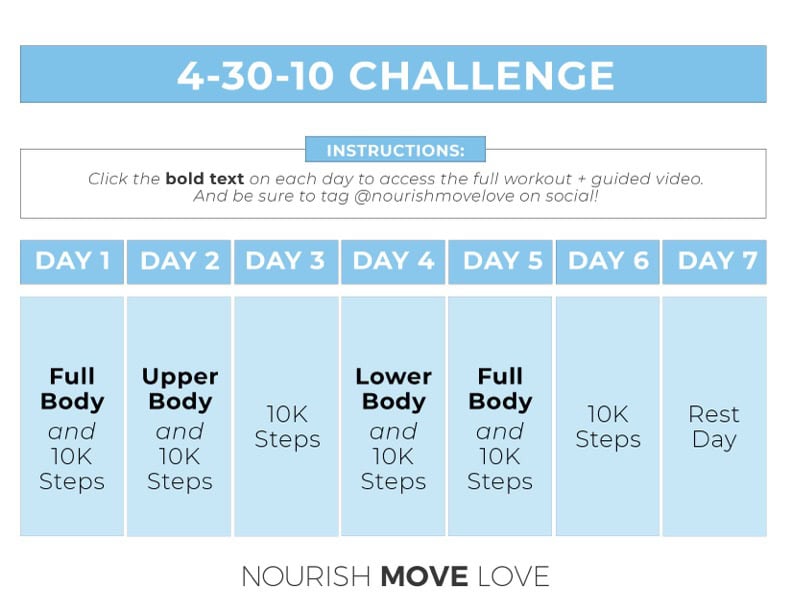
Volume means total exercise amount in a day. Adjust volume to avoid strain. Lower intensity or reduce session length if tired. Combine hard and easy days for balance. Keep track of workouts to spot overtraining early.
Credit: www.nourishmovelove.com
Tracking Progress And Results
Tracking progress and results plays a vital role when working out multiple times a day. It helps you stay motivated and see how far you have come. Keeping an eye on your progress ensures your efforts lead to real improvements. It also helps prevent burnout and injury by adjusting your workouts as needed.
Using Fitness Apps
Fitness apps make tracking workouts easy and efficient. They record exercise types, duration, and intensity. Many apps offer features like progress charts and reminders. Some apps sync with smart devices to collect heart rate and calories burned. Using these tools helps you review your performance over time. It also allows you to spot patterns and adjust workouts accordingly.
Monitoring Energy Levels
Energy levels tell a lot about your body’s response to workouts. Note how you feel before and after each session. Track times when energy is high or low during the day. This information helps schedule workouts for maximum effectiveness. It also prevents overtraining by identifying signs of fatigue early. Keeping a simple energy journal can guide your workout plans.
Setting Realistic Goals
Realistic goals keep you focused and motivated. Set clear targets for strength, endurance, or weight loss. Break big goals into small, achievable steps. Adjust goals based on your progress and energy levels. Celebrate milestones to maintain enthusiasm. Realistic goals create a positive cycle of success and growth.
Credit: medium.com
Frequently Asked Questions
Is It Safe To Workout Multiple Times A Day?
Yes, it’s safe if you listen to your body and avoid overtraining. Proper rest, hydration, and nutrition are essential to prevent injury and fatigue.
How Does Working Out Multiple Times A Day Affect Muscle Growth?
Multiple workouts can boost muscle growth by increasing training volume and frequency. However, adequate recovery is crucial to allow muscles to repair and grow.
What Are The Benefits Of Splitting Workouts Daily?
Splitting workouts improves focus on specific muscle groups, reduces fatigue, and enhances overall performance. It also helps maintain consistent energy levels throughout the day.
Can Multiple Daily Workouts Help With Weight Loss?
Yes, exercising multiple times a day increases calorie burn and metabolism. This approach can accelerate fat loss when combined with a healthy diet.
Conclusion
Working out multiple times a day can boost energy and focus. It helps break long sitting periods and keeps your body active. Small, regular workouts may improve mood and reduce stress. Listen to your body and rest when needed. Plan workouts to fit your daily routine and goals.
Stay consistent and enjoy the benefits of moving more. Your health and fitness can improve with simple, frequent exercise. Try it and see how your body feels.







