
Do you find it hard to stay motivated to work out as a student? Balancing classes, homework, and social life can make exercise feel like a chore.
But what if you could turn your workouts into something you actually look forward to? Imagine having more energy, less stress, and a stronger body—all by finding the right motivation. You’ll discover simple and powerful tips that make sticking to your fitness routine easier than ever.
Keep reading, and unlock the secret to making your workouts a natural part of your daily life.
Set Realistic Goals
Setting realistic goals helps students stay motivated in their workouts. Clear goals make it easier to track progress and stay focused. Goals should be achievable to avoid frustration and keep the momentum going. Break big goals into smaller steps to make the journey manageable and rewarding.
Short-term Targets
Short-term targets act as checkpoints on your fitness journey. These goals keep motivation high by showing quick wins. Examples include:
- Completing three workouts per week
- Running for 10 minutes without stopping
- Increasing weight slightly in strength exercises
Short-term targets build confidence and create habits. They help students feel accomplished and ready for bigger challenges.
Long-term Vision
Long-term vision guides overall fitness progress. It reflects your ultimate workout purpose. Examples of long-term goals:
- Improving overall stamina
- Running a 5K race
- Building muscle strength over months
Keep long-term goals flexible. Adjust them based on progress and life changes. This approach keeps workouts relevant and interesting.
Credit: info.totalwellnesshealth.com
Create A Workout Schedule
Setting a clear workout schedule helps students stay consistent and build healthy habits. Planning exercise times around classes reduces stress and boosts energy.
Creating a workout schedule can be a game-changer for students aiming to balance their academic responsibilities with a healthy lifestyle. By plotting out specific times for exercise, you ensure that working out becomes a non-negotiable part of your day. This not only helps in maintaining consistency but also reduces the mental load of deciding when to work out.Balancing Study And Exercise
Balancing study and exercise might seem daunting, but it’s achievable with a little planning. Start by evaluating your weekly timetable. Identify pockets of free time where you can squeeze in a workout. Consider your study habits and workload. Are there days when your schedule is lighter? These could be perfect for longer workout sessions. Remember, even short workouts can be effective if you’re pressed for time. Always prioritize what needs immediate attention. If a big exam is approaching, a quick 15-minute workout can still help manage stress without cutting into study time.Choosing The Best Time
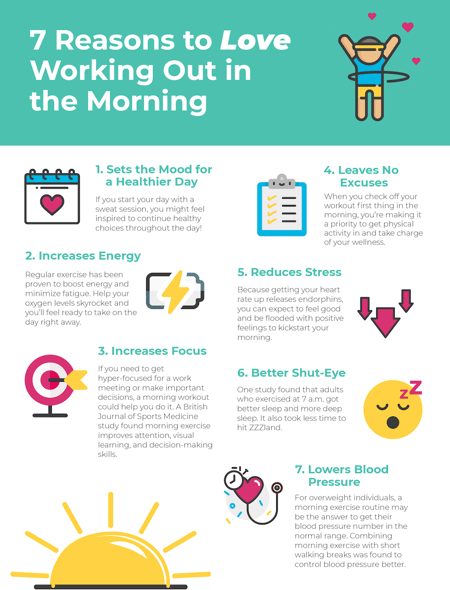
Choosing the best time for a workout depends largely on your personal energy levels. Are you a morning person who thrives on early morning jogs? Or do you find your energy peaks in the afternoon? Test different times to see what feels best. A morning workout can set a positive tone for the day, while an evening session might help you unwind. Make it a habit to stick to a routine. Consistency not only boosts physical health but also enhances discipline in your daily life. What time do you feel most motivated to move your body? That’s your best time to work out!Find Enjoyable Activities
Finding enjoyable activities can make workouts feel less like a chore. Students often skip exercise because it feels boring or hard. Choosing fun ways to move helps keep motivation high. Enjoyable workouts create positive habits that last longer. It also reduces stress and boosts energy for studies.
Mixing Different Exercises
Variety keeps workouts fresh and exciting. Try combining activities like running, yoga, and strength training. This mix works different muscles and prevents boredom. Changing exercises every few days keeps your body guessing. It improves overall fitness and helps avoid plateaus. Plus, it makes exercising feel less repetitive and more fun.
Incorporating Fun Challenges
Challenges add excitement to your workout routine. Set small goals like doing 10 push-ups or jogging for 5 minutes. Invite friends to join and compete in friendly contests. Use apps that track progress and offer rewards. Challenges turn workouts into games, making exercise more engaging. They push you to improve without feeling forced.
Use Social Support
Social support plays a big role in keeping students motivated to work out. Sharing your fitness goals with others creates a sense of commitment. It also makes exercise more fun and less lonely. Friends, classmates, or online groups can all offer encouragement and help you stay on track.
Workout Buddies
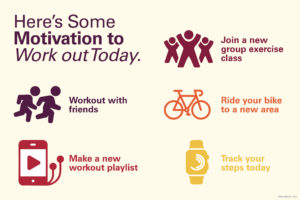
Having a workout buddy makes exercise more enjoyable. You can plan workouts together and hold each other accountable. It is easier to stick to a routine when someone waits for you. Buddies can cheer you on during tough workouts. They also celebrate your progress, boosting your confidence.
Find someone with similar fitness goals or schedules. Try to meet regularly, even if only for short sessions. The social connection helps reduce stress and makes exercise feel less like a chore.
Online Fitness Communities
Online fitness communities connect you with people from around the world. You can join forums, social media groups, or fitness apps. These platforms offer advice, motivation, and support 24/7. Sharing your journey online creates a sense of belonging.
Post your workout updates and challenges. Receive encouragement from others who understand your struggles. Learning from others’ experiences can inspire new ideas. These communities also provide tips on exercise and nutrition.
Track Progress
Tracking your progress is a powerful motivator that keeps your workouts meaningful and your goals within reach. It helps you see how far you’ve come, making every effort feel worthwhile. Without tracking, it’s easy to lose sight of your improvements and get discouraged.
Using Apps And Journals
Apps designed for fitness can make tracking simple and fun. They let you log workouts, monitor calories burned, and even set reminders to keep you consistent.
If you prefer something tangible, a journal works just as well. Writing down what you did each day creates a clear record. It’s satisfying to flip back and see your growth over weeks or months.
- Choose an app with features that fit your routine, like workout timers or goal setting.
- Use your journal to note how you felt during exercises—energy levels, mood, or any challenges.
- Review your entries weekly to spot patterns and adjust your workouts.
Celebrating Milestones
Recognizing small wins fuels your motivation to keep going. Each milestone, whether it’s lifting heavier weights or running longer, deserves a moment of celebration.
You might treat yourself to a favorite snack, share achievements with friends, or simply enjoy a rest day guilt-free. These rewards reinforce your commitment and make the journey enjoyable.
Ask yourself: What achievement can you celebrate today? Even the tiniest progress is a step forward.
Credit: www.piedmontwellnesscenter.com
Boost Energy Naturally
Feeling tired can stop students from working out regularly. Boosting energy naturally helps maintain focus and stamina. Simple lifestyle changes can make a big difference. Natural energy keeps workouts enjoyable and effective. Let’s explore easy ways to increase energy without caffeine or energy drinks.
Healthy Nutrition Tips
Eating the right foods fuels your body and brain. Choose whole grains, fruits, and vegetables for steady energy. Avoid sugary snacks that cause quick energy drops. Include protein like eggs, nuts, or yogurt to stay full longer. Drink plenty of water to prevent fatigue and stay alert.
- Eat small, frequent meals to keep energy steady.
- Include fiber-rich foods to improve digestion.
- Avoid processed foods high in sugar and fat.
Importance Of Sleep
Sleep recharges your body and mind. Students need 7 to 9 hours of sleep each night. Lack of sleep lowers energy and motivation to exercise. Good sleep improves mood and memory too. Create a bedtime routine and avoid screens before sleeping. A well-rested body performs better in workouts and studies.
Stay Motivated During Setbacks
Setbacks are a natural part of any workout journey, especially for students juggling classes, exams, and social life. Staying motivated when progress slows or life gets hectic can be tough, but it’s crucial to push through these moments. How you handle these challenges often shapes your long-term success.
Handling Plateaus
Plateaus happen when your body adapts and progress seems to stop. Instead of getting frustrated, use this as a signal to change your routine. Try adjusting your workout intensity, switching exercises, or adding more rest days.
Tracking small wins can help you stay positive. Did you hold a plank longer or lift a bit heavier? Celebrate these wins to remind yourself that progress isn’t always visible on the surface.
Ask yourself: Are you challenging your muscles in new ways? Sometimes, a simple tweak like increasing reps or adding a new activity can break the plateau.
Overcoming Laziness
Laziness often sneaks in when motivation dips, and it’s easy to skip workouts. One trick is to commit to just 5 minutes of exercise—you’ll often find yourself continuing once you start.
Set up your workout space or clothes the night before. This reduces friction and makes it easier to start. Also, pair workouts with something you enjoy, like listening to your favorite podcast or music.
Think about the feeling after exercise—energized and accomplished. Can you remind yourself of that feeling when you’re tempted to skip?
Reward Yourself
Rewarding yourself boosts workout motivation. It creates positive feelings tied to your fitness efforts. Small rewards help keep your energy high. Celebrating progress makes exercise feel less like a chore. Choose rewards that feel special and meaningful to you. This keeps your workout routine exciting and fresh.
Non-food Rewards
Non-food rewards promote well-being without breaking healthy habits. They focus on relaxation, fun, and personal growth. Examples include:
- Buying a new book or magazine
- Watching an episode of a favorite show
- Taking a long bath or spa day at home
- Buying new workout clothes or gear
- Spending time with friends or family
Non-food rewards help keep your mind and body balanced. They also build positive workout habits without adding extra calories.
Motivational Treats
Motivational treats inspire you to reach your goals. These rewards feel like a gift for your hard work. Ideas include:
- Setting a playlist of favorite songs for workouts
- Planning a movie night after a week of workouts
- Booking a fun activity, like a hike or museum visit
- Getting a massage or relaxing activity
- Creating a progress journal with stickers or drawings
Motivational treats make exercise feel rewarding beyond physical results. They encourage you to keep moving forward.

Credit: www.conwaymedicalcenter.com
Frequently Asked Questions
How Can Students Stay Motivated To Workout Regularly?
Students can stay motivated by setting clear, achievable goals. Creating a workout schedule and tracking progress helps maintain consistency. Joining workout groups or classes adds social support. Rewarding small milestones boosts motivation and keeps workouts enjoyable.
What Are The Best Workout Times For Busy Students?
Early mornings or late evenings are ideal for busy students. These times avoid distractions and fit around classes. Short, focused workouts of 20-30 minutes can be effective. Prioritizing workouts in a daily planner ensures consistency despite a busy schedule.
How To Balance Studying And Exercising Effectively?
Balancing studying and exercising requires time management. Allocate specific time slots for workouts and study sessions. Short workouts between study breaks help refresh the mind. Prioritize tasks and avoid multitasking to stay productive and energized throughout the day.
What Are Simple Workout Routines For Beginner Students?
Beginner students should start with basic exercises like walking, jogging, or bodyweight workouts. Aim for 20-30 minutes, three times a week. Gradually increase intensity to avoid burnout. Simple routines build confidence and create a sustainable fitness habit.
Conclusion
Staying motivated to work out can be tough for students. Small steps help build strong habits over time. Find activities you enjoy and keep your goals clear. Remember, consistency beats intensity every day. Celebrate progress, no matter how small it seems.
Use friends or study breaks to stay active. Keep your mind positive and focus on health benefits. Fitness becomes easier when it fits your routine. Start now, and watch your energy and mood improve. Simple actions lead to lasting motivation and success.







