
Are you ready to take control of your fitness without leaving your home? Setting up the right workout equipment for your home gym can transform your daily routine and bring the gym experience straight to your doorstep.
Imagine having everything you need within arm’s reach, saving time and money while staying motivated. You’ll discover the must-have gear that fits your space and goals, making it easier than ever to build strength, burn calories, and boost your energy.
Let’s dive in and find the perfect tools to power your home workouts!
Benefits Of A Home Gym
Creating a home gym brings many advantages. It offers comfort, saves time, and helps you stay consistent with workouts. A home gym fits your schedule and lets you exercise anytime. It removes common barriers like travel and gym fees. Many find it easier to maintain healthy habits with equipment at home.
Convenience And Time Savings
Home gyms allow workouts without leaving your house. No waiting for machines or commuting. Exercise during breaks or early mornings. Saves hours each week. Perfect for busy people or parents.
Cost-effective Fitness Solution
Buying basic equipment can be cheaper than gym memberships. No monthly fees or travel costs. Equipment lasts for years. Makes fitness affordable over time.
Privacy And Comfort
Work out without feeling self-conscious. Choose your own music and environment. Perfect for beginners or shy individuals. You control the space and pace.
Personalized Workout Space
Design your gym to fit your needs. Select machines and weights you prefer. Change your setup as goals evolve. Keeps motivation high and workouts effective.
Improved Consistency And Routine
Easy access helps build daily habits. Less excuses to skip exercise. Create a reliable routine that sticks. Consistency leads to better fitness results.
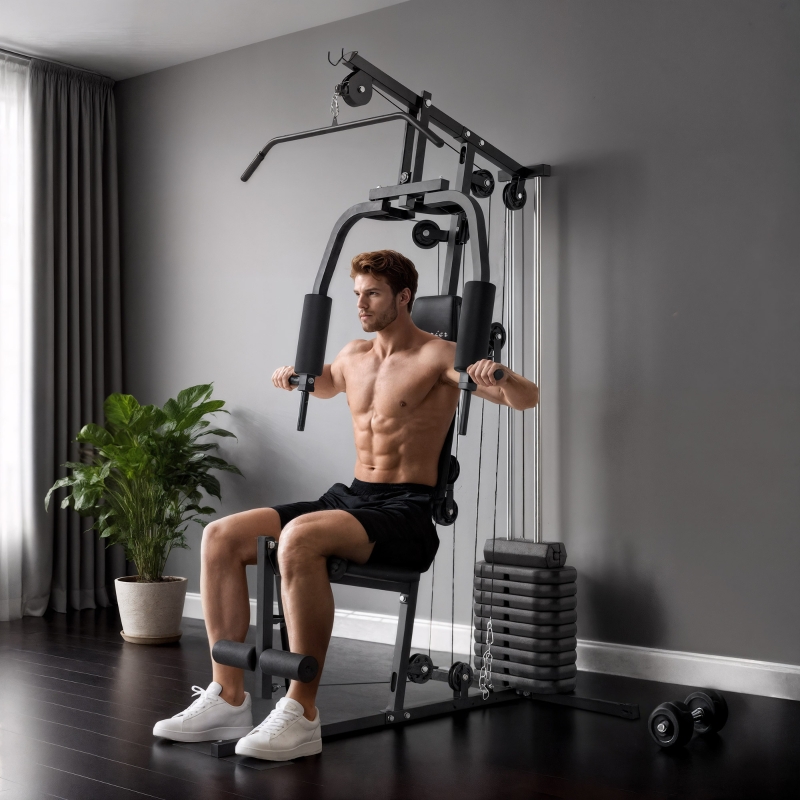
Credit: www.aosom.ca
Essential Equipment For Beginners
Starting a home gym can feel overwhelming without the right tools. Essential equipment for beginners includes items that offer versatility and ease of use. These basics help build strength, improve flexibility, and support various workouts.
Choosing the right equipment sets a strong foundation for fitness progress. It also keeps workouts safe and effective. Focus on items that fit your space and workout goals.
Dumbbells And Kettlebells
Dumbbells and kettlebells are perfect for strength training. They come in different weights, allowing gradual progress. Use them for exercises like curls, presses, and swings.
These tools improve muscle tone and endurance. They also help with balance and coordination. Their compact size makes them ideal for home gyms.
Resistance Bands
Resistance bands offer a low-cost, portable option for strength work. They provide tension for muscles without heavy weights. Use them for stretching, strength, and rehabilitation exercises.
These bands come in various resistance levels. Beginners can start with light tension and increase over time. Bands are easy to store and travel with.
Yoga Mat
A yoga mat creates a comfortable workout space. It cushions joints during floor exercises and stretches. Mats prevent slipping, adding safety to workouts.
Choose a mat with enough thickness for comfort. It supports exercises like yoga, pilates, and core workouts. A good mat encourages consistent practice at home.
Advanced Equipment Options
Advanced equipment options take your home gym to the next level. These tools support a wide range of workouts and improve strength, endurance, and flexibility. They suit fitness enthusiasts who want variety and challenge in their routines.
Adjustable Weight Bench
An adjustable weight bench offers multiple incline and decline positions. It allows you to perform various exercises like presses, rows, and flyes comfortably. The bench supports free weights or dumbbells, making it versatile. Compact models fit easily in small spaces.
Power Rack
A power rack is essential for heavy lifting and safety. It features adjustable bars and safety catches to hold weights. This equipment supports squats, bench presses, and pull-ups. It provides a stable frame for serious strength training at home.
Cardio Machines
Cardio machines improve heart health and burn calories efficiently. Popular choices include treadmills, stationary bikes, and ellipticals. They offer adjustable speeds and resistance to match your fitness level. Many models come with built-in programs for variety.

Credit: www.amazon.ca
Space-saving Equipment Ideas
Creating a home gym doesn’t mean sacrificing your living space. Space-saving equipment is key to keeping your workout area practical and comfortable. The right gear can fit neatly into corners or fold away, making your fitness routine hassle-free.
Foldable Treadmills
Foldable treadmills are a lifesaver if you have limited room. You can easily fold them up and tuck them behind a door or under a bed after your run. Some models even have wheels, so moving them around your home is simple.
Think about how much more inviting your space feels when bulky equipment isn’t taking over. Plus, these treadmills still offer solid features like adjustable speeds and built-in workout programs.
Compact Rowing Machines
Rowing machines are fantastic for a full-body workout, but traditional ones can be bulky. Compact rowing machines solve this by having a smaller footprint and often foldable parts. They can fit in tight spaces, like next to a desk or inside a closet.
Using a compact rower lets you switch from cardio to strength training without needing separate machines. If you’ve ever struggled to find room for exercise gear, this could be the perfect solution.
Wall-mounted Systems
Wall-mounted workout systems save floor space by lifting your equipment off the ground. These setups often include pull-up bars, resistance bands, and even fold-down benches. When not in use, you simply fold or slide the components back against the wall.
Imagine having a full workout station that disappears when you don’t need it. This approach keeps your home gym neat and your floor space free for other activities.
Budget-friendly Gym Setup
Creating a home gym does not need to break the bank. A budget-friendly gym setup is possible with smart choices and creativity. Focus on essentials and find ways to save money without losing quality. This keeps fitness goals on track and wallets happy.
Second-hand Equipment
Second-hand equipment offers great value for money. Many people sell barely used weights, machines, and mats. Check local listings, thrift stores, or online marketplaces. Inspect items carefully to avoid damage or safety issues. Buying used gear lowers costs and expands options.
Diy Solutions
DIY workout tools save money and add personal touch. Simple items like sandbags, resistance bands, or wooden boxes can be homemade. Use household items creatively for exercises. This approach reduces spending and encourages innovation in workouts.
Prioritizing Purchases
Focus on essential equipment first. Start with items that fit multiple exercises and goals. Dumbbells, resistance bands, and a yoga mat cover many workouts. Avoid expensive machines at the start. Add more gear as fitness needs grow and budget allows.

Credit: www.amazon.ca
Creating A Workout Plan
Creating a workout plan helps you use your home gym equipment efficiently. A clear plan guides your exercises and keeps you motivated. It also reduces the risk of injury and helps build a routine. Focus on goals, balance, and progress tracking for best results.
Setting Goals
Start by deciding what you want to achieve. Goals can be simple, like losing weight or building muscle. Make goals specific and realistic. For example, aim to do 30 minutes of exercise five days a week. Write down your goals to stay committed.
Balancing Cardio And Strength
Include both cardio and strength exercises in your plan. Cardio improves heart health and burns calories. Strength training builds muscle and boosts metabolism. Use your home gym equipment to mix these workouts. For example, combine treadmill running with dumbbell exercises.
Tracking Progress
Keep a record of your workouts and results. Note the weights, reps, and time spent on each exercise. Regular tracking shows improvement and highlights areas to change. Use a notebook or a fitness app to log your progress. Celebrate small wins to stay motivated.
Maintaining Your Equipment
Maintaining your home gym equipment keeps it safe and working well. Regular care extends the life of machines and tools. It also helps you avoid injuries and costly repairs. Small efforts every week make a big difference over time.
Regular Cleaning
Wipe down machines and weights after each use. Use a damp cloth to remove sweat and dust. Clean handles, seats, and screens carefully. Avoid harsh chemicals that can damage surfaces. Clean floors around your equipment to prevent dirt buildup.
Equipment Inspections
Check bolts, screws, and moving parts weekly. Look for signs of wear or damage. Tighten loose parts to keep equipment stable. Test machines to ensure smooth operation. Replace worn-out parts quickly to prevent accidents.
Storage Solutions
Store small equipment like dumbbells and bands in racks. Keep items off the floor to avoid tripping hazards. Use hooks or shelves for jump ropes and resistance bands. Organize your space to make workouts easy and safe. Proper storage helps equipment last longer and stay clean.
Frequently Asked Questions
What Are The Essential Workout Equipment For A Home Gym?
Essential home gym equipment includes dumbbells, resistance bands, a yoga mat, and a stability ball. A treadmill or stationary bike adds cardio options. Choose versatile and space-saving gear for effective full-body workouts at home.
How To Choose The Best Home Gym Equipment?
Select equipment based on your fitness goals, available space, and budget. Prioritize multi-functional items that suit your workout style. Read reviews and compare brands to ensure quality, durability, and safety for long-term use.
Can Home Gym Equipment Replace Gym Memberships?
Yes, quality home gym equipment can replace gym memberships. It offers convenience, privacy, and flexibility. With proper gear, you can perform strength, cardio, and flexibility workouts effectively at home.
How Much Space Is Needed For A Home Gym Setup?
A minimum of 30 to 50 square feet is ideal for basic home gym setups. This space allows room for essential equipment and movement. Adjust space requirements based on equipment size and workout type.
Conclusion
Creating a home gym with the right workout equipment saves time and money. It helps you stay active without leaving your house. Choose tools that fit your space and fitness goals. Small machines, free weights, or resistance bands all work well.
Consistency matters more than fancy gear. Start simple and add items as you progress. Enjoy the comfort and privacy of your own gym. Exercise becomes easier and more fun at home. Your health benefits every day with this setup. Keep moving, stay strong, and feel great.







