
Are you ready to transform your fitness journey with a workout bench routine that can amplify your results? Imagine boosting your strength, sculpting your muscles, and elevating your endurance—all from the comfort of your own home or local gym.
Whether you’re a seasoned athlete or just starting out, a workout bench is a versatile tool that can take your exercise regimen to the next level. This post will guide you through a routine that maximizes the potential of this essential piece of equipment.
Discover exercises that target every muscle group and learn how to efficiently incorporate them into your schedule. Stay with us and uncover the secrets to a stronger, fitter you.
Choosing The Right Bench
Choosing the right workout bench is key to a safe and effective exercise routine. The right bench supports your body and helps you target muscles better. It should fit your workout style and space. Understanding bench types, adjustability, and build quality makes choosing easier. Let’s explore what to consider before buying.
Types Of Workout Benches
Workout benches come in several types:
- Flat benches:Simple and stable, great for basic lifts like bench press.
- Adjustable benches:Change angles to work different muscles, useful for varied workouts.
- Decline benches:Tilt downward to target lower chest and abs.
- Olympic benches:Designed for heavy lifting with extra support and safety features.
Choosing the right type depends on your fitness goals and exercises you want to do.
Adjustable Vs. Flat Benches
Adjustable benches offer more workout options. You can set them to incline, flat, or decline positions. This flexibility helps target muscles from different angles. Flat benches are simpler and usually cheaper. They work well for basic exercises and beginners. Consider your workout plan and space available before deciding.
Material And Build Quality
Material affects durability and comfort. Look for benches made with strong steel frames. It ensures stability and supports your weight safely. Padding should be thick but firm to protect your body. Vinyl covers are easy to clean and resist sweat. Check welds and joints to avoid weak points. A well-built bench lasts longer and improves workout safety.
Essential Exercises On A Bench
Using a workout bench opens up a wide range of exercise possibilities that target multiple muscle groups effectively. A bench is more than just a support—it’s a tool that helps you perform movements with better form and increased range of motion. Let’s look at some essential exercises that you can do on a bench to maximize your strength and muscle gains.
Chest Press Variations
The chest press is a classic bench exercise that builds your chest, shoulders, and triceps. You can perform it with dumbbells or a barbell while lying flat or at an incline to hit different parts of your chest. Adjusting the angle of the bench changes the muscle focus, so try flat, incline, and decline presses to keep your workouts balanced.
When I started alternating between flat and incline presses, I noticed better overall chest development. Have you tried changing the bench angle to challenge your muscles differently?
Dumbbell Flyes
Dumbbell flyes isolate your chest muscles by stretching and contracting them through a wide arc. Performing flyes on a bench allows you to control the movement safely and go deeper into the stretch. Keep your elbows slightly bent and focus on slow, controlled motions for maximum effectiveness.
This exercise taught me the importance of controlled tempo—it’s not about how heavy you lift but how well you feel the muscle working. Are you focusing enough on muscle engagement during your flyes?
Step-ups And Bulgarian Splits
A bench isn’t just for upper body exercises; it’s perfect for leg work too. Step-ups help improve balance and strength in your legs and glutes while Bulgarian split squats target your quads and hamstrings deeply. Both exercises challenge your stability, forcing your core and lower body to work harder.
Adding these to my routine helped fix muscle imbalances I didn’t even realize I had. What lower body exercises are you missing that could add balance to your training?
Tricep Dips
Tricep dips on a bench are a simple yet effective way to strengthen your triceps and shoulders. You can modify the difficulty by adjusting your foot position or adding weight on your lap. Make sure to keep your elbows close to your body and lower yourself in a controlled manner.
After incorporating bench dips, my arm definition improved significantly. Have you tried bench dips to specifically target your triceps?
Designing Your Routine
Designing your workout bench routine requires careful planning to get the best results. A well-structured routine helps build strength, avoid injury, and stay motivated. Focus on warm-up, reps and sets, and muscle balance for an effective workout.
Warm-up Strategies
Start with light cardio to increase your heart rate. Try jumping jacks or brisk walking for five minutes. Follow with dynamic stretches targeting your chest, shoulders, and arms. Use the bench for gentle push-ups or arm circles. Warming up prepares your muscles and joints for heavier lifts.
Rep And Set Schemes
Choose reps and sets based on your goals. For strength, aim for 4-6 reps with heavier weights. For muscle growth, 8-12 reps with moderate weights works well. For endurance, try 15-20 reps with lighter weights. Rest between sets for 30 seconds to 2 minutes depending on intensity.
| Goal | Reps | Sets | Rest Time |
|---|---|---|---|
| Strength | 4-6 | 3-5 | 1-2 minutes |
| Muscle Growth | 8-12 | 3-4 | 30-60 seconds |
| Endurance | 15-20 | 2-3 | 30 seconds |
Balancing Muscle Groups
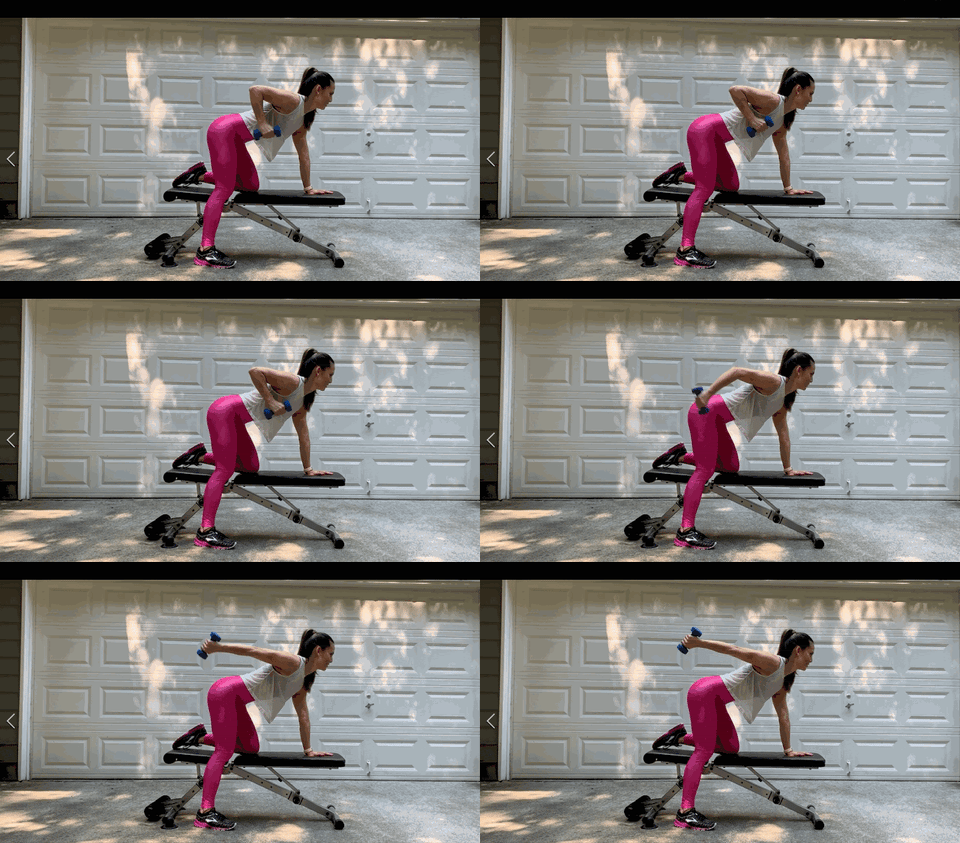
Work opposing muscles to avoid imbalances. For example, pair bench presses (chest) with rows (back). Include shoulder presses and pull-ups for shoulder health. Train legs with squats or lunges to support overall strength. Balance improves posture and reduces injury risk.
Credit: www.ritfitsports.com
Progression Techniques
Progression techniques help you improve strength and endurance on the workout bench. They push your muscles to adapt and grow. Using these methods keeps your routine fresh and effective. Small changes can lead to big results over time.
Increasing Weight Safely
Adding weight challenges your muscles more. Start with small increments to avoid injury. Focus on proper form before lifting heavier. Use a spotter if lifting free weights. Rest well between sets to recover strength.
Incorporating Supersets
Supersets mean doing two exercises back-to-back without rest. This saves time and raises workout intensity. Pair exercises that target different muscle groups. For example, bench press followed by bent-over rows. Supersets help build muscle and burn more calories.
Using Tempo For Intensity
Tempo controls how fast or slow you move during lifts. Slow down the lowering phase to increase muscle tension. Hold the weight briefly at the bottom or top of the move. Changing tempo improves muscle control and focus. It makes the workout more challenging without adding weight.
Common Mistakes To Avoid
Working out on a bench can boost your strength and muscle growth, but certain mistakes can slow progress or even cause injury. Identifying these errors early can save you time and frustration. Let’s look at some common pitfalls and how you can avoid them.
Poor Form Tips
Incorrect form is a leading cause of injury and wasted effort during bench workouts. You might feel the burn, but are you really targeting the right muscles?
Keep your feet flat on the ground to stabilize your body. Avoid flaring your elbows too wide; this strains your shoulders. Instead, tuck them slightly toward your body for better muscle engagement.
Have you ever noticed your lower back arching excessively? This often happens when the bench routine is rushed. Focus on controlled movements—quality beats quantity every time.
Overtraining Signs
Doing too many sets or training the same muscle group daily won’t speed up gains. Overtraining can lead to fatigue, decreased strength, and even injury.
Listen to your body. Persistent soreness, trouble sleeping, or loss of motivation are red flags. Rest days are just as important as workout days for building muscle.
Ask yourself: Are you pushing hard or pushing too hard? Balancing effort with recovery prevents burnout and keeps your progress steady.
Ignoring Recovery
Skipping recovery slows muscle repair and growth. Recovery includes sleep, hydration, and proper nutrition—not just time off the bench.
Make sure you get at least 7–8 hours of sleep. Drink plenty of water before, during, and after your workout. Fuel your body with proteins and carbs to replenish energy.
Remember, recovery isn’t a break from progress; it’s part of the process. How well you recover directly affects how strong and fit you become.

Credit: www.majorfitness.com
Nutrition For Maximum Gains
Nutrition plays a key role in building muscle and improving strength. Eating the right foods supports recovery and boosts energy. Proper nutrition helps you get the most from your workout bench routine. Focus on timing and food quality to fuel your body well.
Pre-workout Meals
Eating before a workout prepares your body for exercise. Choose meals with a good mix of carbs and protein. Carbs give energy, while protein protects muscles. Aim to eat 1 to 2 hours before training.
- Whole grain toast with peanut butter
- Banana and low-fat yogurt
- Oatmeal with berries and a scoop of protein powder
Post-workout Nutrition
After training, your body needs fuel to recover. Protein helps repair muscle fibers. Carbs refill energy stores. Eat a meal or snack within 30 to 60 minutes after exercise.
- Grilled chicken with brown rice and vegetables
- Protein shake with a piece of fruit
- Cottage cheese and pineapple
Hydration Tips
Water is essential for muscle function and recovery. Drink plenty before, during, and after workouts. Avoid sugary drinks that cause dehydration. Listen to your body and sip water regularly.
- Drink 16 to 20 ounces of water two hours before exercise
- Take small sips every 15 to 20 minutes during workouts
- Rehydrate with 20 to 24 ounces after exercising
Tracking Progress
Tracking progress in your workout bench routine is essential to stay motivated and see real results. Without a clear record, it’s easy to lose sight of your improvements or hit a plateau without knowing why. Keeping track helps you understand what works best for your body and where you need to push harder.
Workout Journals
Writing down your exercises, sets, reps, and weights after each session creates a clear picture of your progress. You don’t need a fancy notebook—just a simple journal or even a notes app on your phone works fine.
Journals help you spot patterns. Maybe you notice your bench press improves when you rest two days between sessions. Have you tried writing down how you feel during workouts? Tracking energy levels can reveal what impacts your performance.
Using Apps And Devices
Apps and fitness devices can automatically track your workouts, making it easier to analyze data over time. Many apps let you log your bench routine and even suggest small increases in weight or reps.
Wearables can monitor your heart rate and rest periods, giving deeper insight into your workout quality. Have you noticed how some apps remind you to warm up or cool down? These little nudges can improve your routine without extra effort.
Adjusting Goals
As you track your progress, your goals will naturally need updating. Hitting a new personal best? Set a new target that challenges you just enough to keep growing.
If progress stalls, don’t hesitate to change your routine or focus. Maybe adding more reps or switching grip styles can break the plateau. Are your goals realistic and flexible enough to reflect your current abilities?
Safety And Injury Prevention
Safety is key during any workout bench routine. Protecting your body helps you train longer and better. Avoiding injuries keeps your progress steady and pain-free. Focus on smart habits to reduce risk every time you lift.
Proper Spotting Techniques
Spotting helps you lift safely and with confidence. A spotter supports the weight if you struggle. Keep these points in mind:
- Communicate clearly with your spotter before starting.
- Spotter stays close but does not grab unless needed.
- Use hands near the bar without touching it initially.
- Spotter helps lift the bar back to the rack safely.
- Never lift beyond your limit without a spotter present.
Stretching And Mobility
Stretching prepares muscles and joints for exercise. It reduces tightness and improves motion range. Follow simple steps before your routine:
- Warm up with light cardio for 5 minutes.
- Stretch chest, shoulders, and arms gently.
- Include dynamic stretches like arm circles or shoulder rolls.
- Focus on slow, controlled movements to avoid strain.
- Stretch after workouts to help muscle recovery.
Recognizing Pain Vs. Discomfort
Knowing the difference can prevent serious injury. Discomfort means muscle effort or fatigue. Pain signals something may be wrong. Learn these signs:
- Discomfort feels like burning or tired muscles.
- Pain is sharp, sudden, or causes weakness.
- Stop immediately if pain occurs during an exercise.
- Consult a professional if pain persists after rest.
- Never push through sharp pain to finish a set.

Credit: jorotofitness.com
Frequently Asked Questions
What Is The Best Workout Bench Routine For Beginners?
A beginner’s workout bench routine should focus on basic exercises like bench press, dumbbell flyes, and tricep dips. Start with light weights and gradually increase resistance. Consistency and proper form are key to building strength safely and effectively.
How Often Should I Use A Workout Bench Weekly?
Using a workout bench 3 to 4 times per week is ideal. This frequency allows muscle recovery while promoting strength gains. Always include rest days to prevent overtraining and injury.
Can A Workout Bench Improve Overall Fitness?
Yes, a workout bench targets multiple muscle groups, enhancing strength and endurance. It supports a variety of exercises that improve balance, coordination, and muscle tone, contributing to overall fitness.
What Are Essential Exercises For A Workout Bench Routine?
Key exercises include bench press, incline press, dumbbell rows, and step-ups. These moves engage chest, back, shoulders, and legs. Incorporating variety maximizes muscle growth and prevents workout plateaus.
Conclusion
A good workout bench routine helps build strength and muscle. It fits many exercises for your whole body. You can change the routine to keep it fresh. Small steps lead to big fitness results over time. Stay consistent and listen to your body’s needs.
Rest and proper form matter as much as effort. Keep pushing yourself, but avoid injury. A simple bench routine can boost your health and confidence. Try different moves and find what works best for you. Enjoy the process and watch your progress grow.







