
Are you wondering if swimming can help you build muscle? You’re not alone.
Many people see swimming as just a way to stay fit or relax, but can it actually shape your body and boost muscle strength? If you want to know how swimming affects your muscles and whether it’s the right workout for your goals, keep reading.
By the end of this article, you’ll have a clear answer—and maybe even a new workout plan to try.

Credit: legendaryswimmers.com
How Swimming Builds Muscle
Swimming is an excellent workout for the whole body. It builds muscle by using water resistance to challenge muscles. Each stroke engages different parts of your body. The constant movement in water helps develop both strength and endurance. Muscle growth happens when muscles work against this resistance repeatedly. Swimming tones and shapes muscles while improving overall fitness.
Muscle Groups Targeted By Swimming
Swimming targets many muscle groups at once. It works:
- Arms – biceps and triceps during strokes
- Shoulders – deltoids stabilize and move arms
- Back – latissimus dorsi and trapezius for pulling
- Core – abdominals and lower back for balance
- Legs – quadriceps, hamstrings, and calves for kicking
This full-body engagement helps build balanced muscle strength.
Resistance And Muscle Growth
Water provides natural resistance for muscles. It is denser than air, making every movement harder. Muscles must work against this force to move. This resistance causes small muscle tears. The body repairs these tears, making muscles stronger and bigger. Swimming offers smooth, low-impact resistance. It helps build muscle without stressing joints.
Endurance Vs Strength In Swimming
Swimming develops both endurance and strength. Endurance comes from long, steady swims. This trains muscles to work longer without fatigue. Strength grows with short, intense sprints. These bursts demand maximum muscle power. Combining both styles improves overall muscle tone and fitness. Switching between endurance and strength workouts keeps muscles challenged.
Benefits Of Swimming For Muscle Bulk
Swimming is often seen as a great way to stay fit, but can it really help you build muscle bulk? The answer lies in understanding how swimming benefits your muscles differently from traditional gym workouts. It’s not just about resistance; it’s about how water challenges your body in unique ways that can lead to noticeable muscle gains.
Low Impact Strength Training
Swimming offers a gentle but effective form of strength training. The water supports your body weight, reducing stress on your joints while still providing resistance. This makes it easier to train harder without risking injury.
You push against water with every stroke, which works your muscles continuously. This constant resistance helps build muscle endurance and strength over time. If you’ve ever felt sore after a swim, you know your muscles have been put to work.
Full Body Workout Advantages
Unlike isolated gym exercises, swimming activates nearly every major muscle group. Your arms, legs, core, and back all engage simultaneously to keep you moving through water. This balanced muscle engagement helps develop overall muscle bulk, not just in one area.
Have you noticed how swimmers often have well-rounded physiques? That’s because every stroke requires coordination and power from multiple muscles. This comprehensive workout saves you time and effort compared to focusing on separate muscle groups individually.
Improved Muscle Tone And Definition
Swimming enhances muscle tone and definition by combining resistance with cardiovascular activity. The continuous movement tones muscles while burning fat, making muscles appear more defined. You don’t just build bulk; you sculpt your body.
Think about how your muscles feel firmer after regular swims. This is due to the repetitive contraction and relaxation of muscles against water resistance. If your goal is lean muscle with clear definition, swimming can be a smart part of your routine.
Swimming Techniques For Muscle Gain
Swimming is a powerful way to build muscle. The right techniques focus on resistance and intensity. Using specific strokes and training methods helps muscles grow stronger. Targeting muscle groups with varied movements boosts overall muscle gain.
Powerful Strokes To Maximize Resistance
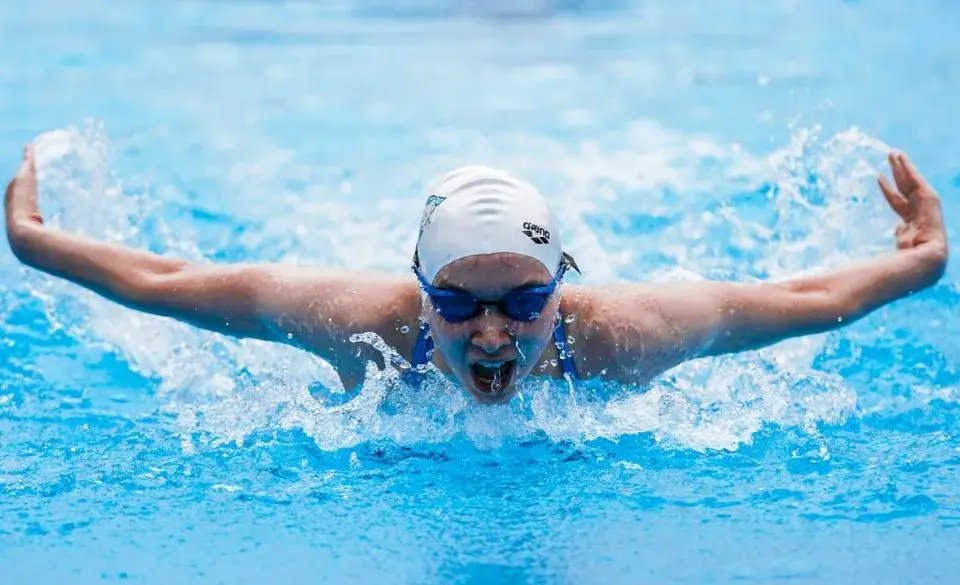
Strong strokes create more water resistance. This resistance challenges muscles to work harder. Freestyle and butterfly strokes engage the upper body intensely. Breaststroke focuses more on the legs and hips. Pulling hard through the water activates back and arm muscles.
- Use a full arm pull to increase muscle effort.
- Keep strokes controlled and powerful.
- Focus on smooth, strong kicks for leg strength.
Interval Training In The Pool
Interval training breaks swimming into short, intense bursts. These bursts push muscles to their limit. Rest periods allow muscles to recover slightly. This cycle improves muscle endurance and strength. Varying stroke intensity during intervals targets different muscles.
- Swim fast for 30 seconds, then rest 15 seconds.
- Repeat cycles for 20 to 30 minutes.
- Use different strokes to work various muscle groups.
Incorporating Sprint Sets
Sprint sets are short, maximum-effort swims. They increase muscle power and speed. Sprinting recruits fast-twitch muscle fibers for growth. Short recovery times between sprints keep muscles under tension. This technique builds strength and burns fat efficiently.
- Swim 25 to 50 meters at full speed.
- Rest 20 to 30 seconds between sprints.
- Perform 6 to 10 sprints per session.
Credit: www.goodrx.com
Combining Swimming With Strength Training
Combining swimming with strength training can take your fitness to the next level. Swimming alone tones your muscles and boosts endurance, but adding strength workouts helps you build real muscle mass. This mix not only improves your performance in the water but also sculpts a stronger, more defined physique.
Weightlifting For Bulk
Swimming is great for lean muscle, but if you want to bulk up, weightlifting is essential. Focus on compound lifts like squats, deadlifts, and bench presses to target multiple muscle groups at once. These exercises increase overall strength and muscle size, which can improve your power in swimming strokes.
When you lift weights, aim for heavier loads with lower reps. This approach stimulates muscle growth more effectively than lighter weights with high reps. Remember, rest days between sessions allow your muscles to recover and grow stronger.
Dryland Exercises To Support Swimming
Dryland exercises improve your swimming by strengthening muscles that don’t get fully worked in the pool. Try exercises such as planks, push-ups, and pull-ups to build core and upper body strength. These moves enhance your stroke power and help prevent injuries.
Adding resistance bands or medicine balls can increase difficulty and mimic swimming motions. This makes your workouts more specific and beneficial. Have you tried dryland exercises that directly target your swimming muscles?
Balancing Cardio And Strength Workouts
Finding the right balance between swimming and strength training is key. Too much cardio can limit muscle growth, while too much lifting might tire you out for swimming sessions. Plan your week so you alternate between swim days and gym days, or combine lighter strength work after swimming.
Listen to your body’s signals. If you feel drained, reduce volume or intensity. This balance keeps you energized and consistent, helping you build muscle without sacrificing your swimming endurance.
Nutrition Tips For Muscle Growth
Nutrition plays a key role in building muscle through swimming. The right foods help muscles repair and grow stronger. Focus on a balanced diet that supports your energy needs and recovery. Eating well enhances your swimming performance and muscle gains.
Protein Intake For Recovery
Protein is vital for muscle repair after swimming. Aim to eat a source of protein with every meal. Good choices include chicken, fish, eggs, and beans. Protein shakes can help meet daily needs too. Consuming protein within 30 minutes after swimming aids muscle recovery.
Hydration And Energy
Water keeps muscles working well during swims. Drink plenty of fluids before, during, and after exercise. Dehydration can reduce strength and delay recovery. Carbohydrates provide energy for longer swim sessions. Include fruits, whole grains, and vegetables in your diet to fuel your body.
Supplements To Consider
Supplements may support muscle growth but are not essential. Creatine helps increase strength and power in short bursts. Branched-chain amino acids (BCAAs) reduce muscle soreness after swimming. Vitamin D and omega-3 fatty acids support overall muscle health. Always consult a healthcare provider before starting supplements.
Credit: sportcoaching.com.au
Common Mistakes To Avoid
Building muscle through swimming is achievable, but many swimmers unknowingly make mistakes that hold them back. Avoiding these common errors can help you see better results and reduce the risk of injury. Let’s dive into the key pitfalls you should watch out for to make your swimming workouts more effective.
Overtraining Risks
Swimming too much without proper breaks can lead to overtraining, which damages muscle growth rather than promoting it. Your body needs time to repair and strengthen muscle fibers after intense sessions. Pushing through fatigue often causes burnout or injury, so listen to your body’s signals carefully.
Have you ever felt exhausted yet kept swimming anyway? That might be slowing your progress more than helping it.
Ignoring Recovery Time
Skipping recovery days is a common mistake that limits muscle building. Recovery isn’t just resting; it includes activities like stretching, light swimming, or foam rolling to aid muscle repair. Without adequate recovery, muscles can become sore and weak, stalling your gains.
Think about your last swimming week—did you allow enough time for your muscles to recover before your next workout?
Poor Technique Impact
Using incorrect swimming techniques wastes energy and reduces the effectiveness of your workout for building muscle. Bad form can lead to muscle imbalances and even injuries, preventing you from training consistently. Focusing on proper stroke mechanics ensures you target the right muscle groups efficiently.
If your strokes feel awkward or you’re constantly tired, it might be time to refine your technique with a coach or instructional videos.
Tracking Progress And Adjusting Workouts
Tracking your progress and adjusting your swimming workouts are key to building muscle effectively. Without monitoring, you might miss signs that your routine needs changes to keep challenging your body. Paying attention to how your muscles respond and making smart tweaks can push your gains further and prevent plateaus.
Measuring Muscle Gains
Tracking muscle growth isn’t just about looking in the mirror. Using a tape measure around key areas like your arms, chest, and thighs can give you concrete numbers to track changes over time.
Taking progress photos every few weeks helps you notice subtle changes that scales don’t show. Combining these methods with strength tests, such as timing how many laps you swim or how long you can hold specific strokes, provides a fuller picture of your muscle development.
Adapting Training Intensity
If you swim the same way every session, your muscles won’t get stronger. To build muscle, you need to push harder as your body adapts.
Try increasing your swim speed, adding resistance with paddles or fins, or including interval training with bursts of maximum effort. Listen to your body—if a workout feels easy, it’s time to raise the intensity.
Setting Realistic Goals
Setting clear, achievable goals keeps your motivation high and your workouts focused. Instead of aiming for “big muscles,” consider targets like swimming a certain distance faster or increasing your stroke power.
Break these goals into smaller milestones, such as improving your lap time by a few seconds each week. Ask yourself: What progress feels meaningful and sustainable for you? Your goals should reflect your lifestyle and commitment level.
Frequently Asked Questions
Can Swimming Increase Muscle Mass?
Yes, swimming can increase muscle mass. It engages multiple muscle groups, offering a full-body workout. The resistance from water makes muscles work harder, promoting growth. Regular swimming sessions, combined with a balanced diet, can lead to noticeable muscle development over time.
Is Swimming A Good Strength Training Exercise?
Swimming is an excellent strength training exercise. It builds muscle through resistance. Each stroke requires effort against water resistance, enhancing strength. This low-impact exercise is ideal for those looking to gain muscle while minimizing joint stress.
How Does Swimming Compare To Weightlifting For Muscle Gain?
Swimming and weightlifting both build muscle, but in different ways. Swimming provides a full-body workout, enhancing endurance and lean muscle. Weightlifting targets specific muscles, promoting bulk and strength. Combining both can maximize muscle gains.
Which Swimming Strokes Build The Most Muscle?
The butterfly and freestyle strokes build the most muscle. Butterfly engages the chest, shoulders, and core intensely. Freestyle targets the arms, legs, and back effectively. Both strokes provide a comprehensive workout, promoting significant muscle growth.
Conclusion
Swimming can help build muscle through resistance in water. It works many muscle groups at once. Regular swimming improves strength and endurance over time. Muscles grow stronger with consistent effort and good technique. Swimming also helps tone your body and burn fat.
Combining swimming with other strength exercises boosts results. Keep swimming regularly for steady muscle development. It’s a great way to stay fit and healthy. Simple, fun, and effective. Why not dive in and try it yourself?







