
Are you wondering if using a Stairmaster can actually help you build muscle? You might have seen people sweating it out on this machine and asked yourself, “Is this just cardio, or can it really tone and strengthen my legs?” The truth is, understanding how the Stairmaster affects your muscles can change the way you work out and reach your fitness goals.
Keep reading, because by the end of this article, you’ll know exactly how the Stairmaster works for muscle building and whether it’s the right choice for your routine.
How Stairmaster Works
The Stairmaster simulates climbing stairs in a controlled, steady motion. It offers a workout that mixes cardio with muscle resistance. This balance helps improve heart health and tones muscles at the same time. Understanding how the Stairmaster works clarifies how it can affect muscle building and fitness levels.
Cardio And Resistance Combined
The Stairmaster provides a workout that is both cardiovascular and strength-based. As you step, your heart rate rises, boosting endurance. At the same time, your muscles push against resistance. This resistance challenges the muscles, encouraging growth and strength.
The machine lets you adjust speed and resistance. This control changes the workout’s intensity. Faster stepping increases cardio demand. Higher resistance makes muscles work harder. These factors together shape your fitness results.
Muscle Groups Targeted
The Stairmaster mainly works the lower body muscles. Key muscle groups involved include:
- Quadriceps (front thigh)
- Hamstrings (back thigh)
- Gluteus maximus (buttocks)
- Calves (lower leg)
- Hip flexors
Continuous stepping activates these muscles repeatedly. This action strengthens and tones them over time. Your core also engages slightly to maintain balance. The workout supports muscle endurance and definition in these areas.
Muscle Building Potential
Understanding the muscle building potential of the Stairmaster helps you decide if it fits your fitness goals. While it’s primarily known for cardio, the machine does engage muscles in a unique way. Let’s look at how it works on your muscle fibers and what that means for size and strength gains.
Types Of Muscle Fibers Engaged
The Stairmaster mainly activates slow-twitch (Type I) muscle fibers. These fibers are built for endurance and can keep working for long periods without fatigue. They help improve muscle tone and stamina but don’t grow as much in size.
It also recruits some fast-twitch (Type II) fibers, especially if you increase the speed or resistance. These fibers handle short bursts of power and are responsible for bigger muscle growth. However, the Stairmaster doesn’t push these fibers as hard as weightlifting or sprinting would.
Impact On Muscle Size And Strength
Using the Stairmaster regularly tones muscles in your legs, glutes, and calves. You may notice firmer muscles and better endurance, but significant size increase is unlikely. That’s because the resistance is limited compared to lifting heavy weights.
Strength gains are modest since the machine focuses more on repetitive movement than heavy load. If your goal is bigger muscles, combining Stairmaster sessions with strength training will give better results. Have you noticed your legs getting stronger but not larger after cardio workouts? This explains why.
Benefits Beyond Muscle Growth
Using a Stairmaster isn’t just about building muscle; it brings a range of benefits that can boost your overall fitness. You might find yourself surprised by the positive changes in your stamina and body composition after regular sessions. Let’s dive into some advantages that go beyond just muscle growth.
Improved Endurance
Climbing stairs on the Stairmaster challenges your heart and lungs to work harder. This consistent cardio effort helps increase your endurance over time. You’ll notice daily activities become easier, like walking longer distances or climbing real stairs without getting winded.
When I started using the Stairmaster, I could barely keep going for 10 minutes. After a few weeks, I was hitting 30 minutes with less fatigue. This improvement shows how the machine can build your stamina gradually and effectively.
Calorie Burn And Fat Loss
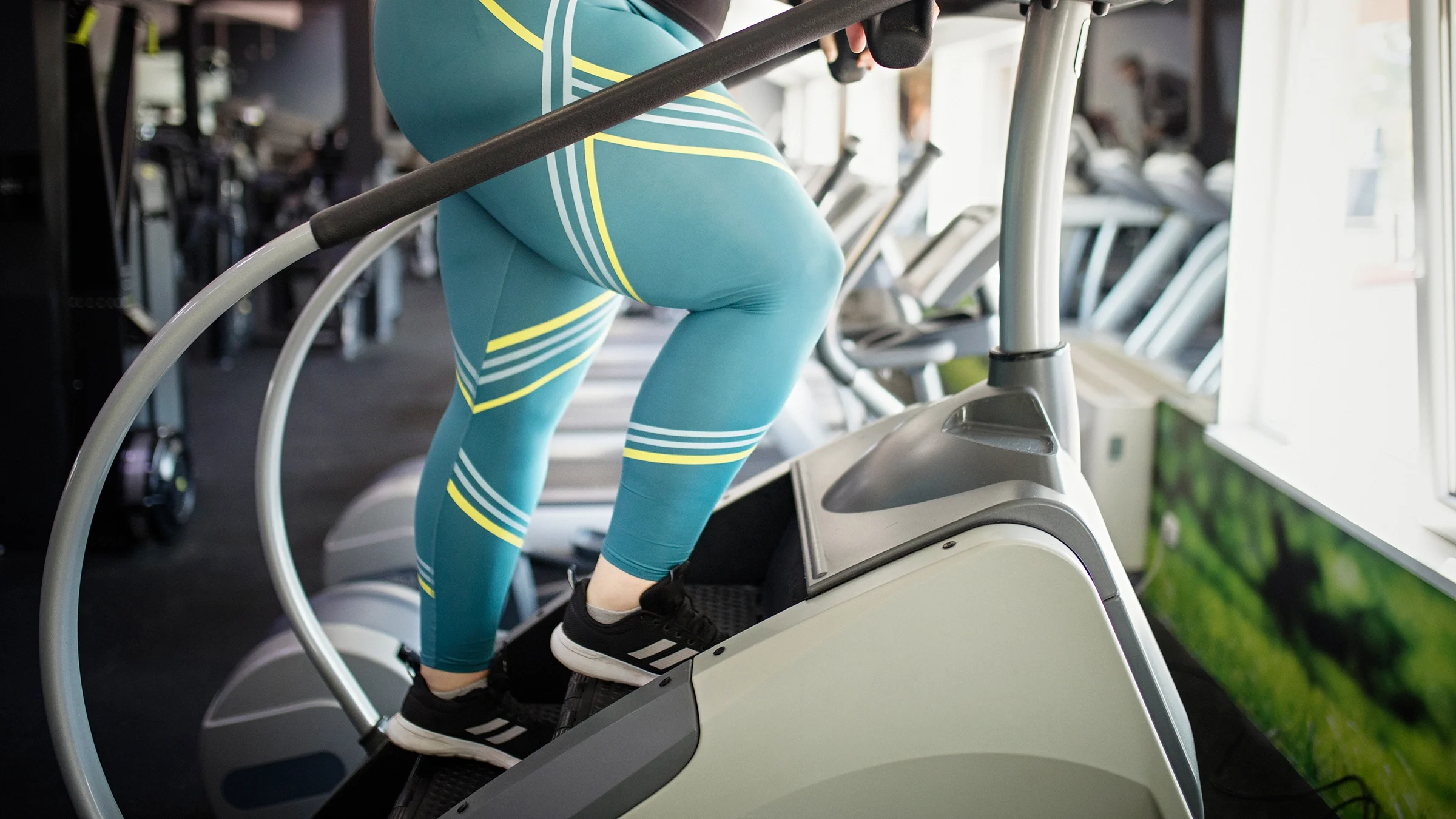
The Stairmaster offers a powerful calorie-burning workout. Because it engages large muscle groups and keeps your heart rate high, you burn more calories per minute compared to many other cardio machines. This helps reduce body fat while you tone your lower body.
Think about your fitness goals: Are you looking to shed extra pounds or tighten your legs? Using the Stairmaster regularly can help you achieve these goals faster by combining muscle activity with high calorie burn.
Credit: www.goodrx.com
Limitations For Muscle Gain
Using a Stairmaster can be a great way to improve cardiovascular fitness and burn calories. However, if your main goal is to build muscle, there are some important limitations to understand. Knowing these can help you decide how to best use the Stairmaster within your fitness routine.
Lack Of Progressive Overload
Progressive overload means gradually increasing the resistance or weight to challenge your muscles. The Stairmaster, while adjustable in speed and incline, doesn’t provide the kind of heavy resistance that muscles need to grow significantly.
This machine focuses more on endurance and cardiovascular effort rather than muscle strength. You might feel your legs working hard, but without increasing load systematically, muscle fibers won’t grow much.
Ask yourself: Are you increasing difficulty in a way that forces your muscles to adapt? If not, your muscle growth will be limited.
Muscle Adaptation And Plateau
Your muscles adapt quickly to repetitive activities. Using the Stairmaster repeatedly without changing your routine can cause your progress to plateau.
After a few weeks, your body becomes efficient at the movement, burning fewer calories and stressing muscles less. This means less muscle stimulation and slower gains.
To avoid this, consider mixing in strength exercises or varying your Stairmaster workouts. Have you noticed your progress slowing down despite consistent effort?
Maximizing Muscle Growth On Stairmaster
The Stairmaster is often seen as a cardio machine, but it can be a powerful tool for building muscle if used correctly. Your muscle growth depends on how you challenge your legs and glutes during your workout. Simply stepping up at a steady pace won’t cut it if muscle gain is your goal.
Think about your last Stairmaster session. Did you push yourself to climb faster or increase the resistance? Small adjustments in how you use the machine can lead to bigger gains. Let’s look at ways to make the most of your Stairmaster time to build muscle effectively.
Interval Training Techniques
Interval training on the Stairmaster means alternating between high-intensity bursts and recovery periods. This approach forces your muscles to work harder during sprints, which can stimulate growth. Try climbing as fast as you can for 30 seconds, then slow down for one minute to recover.
This pattern not only increases your heart rate but also recruits fast-twitch muscle fibers—the ones that grow bigger and stronger. You can adjust the sprint and rest times based on your fitness level. Have you noticed how your legs burn more during these bursts compared to steady climbing?
Incorporating Resistance Settings
Adjusting the resistance on the Stairmaster is key to building muscle. Higher resistance forces your muscles to push harder against the machine, similar to lifting heavier weights. Start with a moderate level and increase it gradually as your strength improves.
Try combining resistance changes with interval training for better results. For example, sprint with high resistance, then recover at a lower level. This keeps your muscles guessing and adapts them to new challenges.
- Begin with resistance level 5-7 and increase by 1 every session.
- Use resistance 8-10 during sprints for maximum muscle engagement.
- Lower resistance during recovery to avoid fatigue but keep moving.
Have you experimented with resistance settings before? Small tweaks can make your workouts more effective and less monotonous. Your muscles respond best to variety and challenge.

Credit: www.roborfitness.com
Combining Stairmaster With Strength Training
Combining the Stairmaster with strength training creates a workout that targets both muscle building and cardiovascular health. The Stairmaster tones your lower body while strength exercises build muscle mass across your entire body. This mix helps improve endurance and muscle definition.
Balanced Workout Plans
Plan workouts that alternate between Stairmaster sessions and strength training. For example, use the Stairmaster for 15-20 minutes to warm up. Follow this with weightlifting or bodyweight exercises focusing on major muscle groups. This balance helps prevent overtraining and supports muscle growth.
Try to include exercises like squats, lunges, and deadlifts. These complement the Stairmaster by targeting similar muscles with added resistance. Limit Stairmaster time to avoid excessive calorie burn that might hinder muscle gain.
Recovery And Nutrition Tips
Muscle growth requires rest and proper nutrition. After workouts, allow 24-48 hours for muscle recovery. Avoid working the same muscle groups every day. Focus on eating enough protein to support muscle repair and growth.
- Include lean meats, eggs, and plant-based proteins.
- Eat carbohydrates for energy and recovery.
- Stay hydrated throughout the day.
Good sleep improves muscle repair and overall workout performance. Prioritize rest to get the best results from your combined training.
Credit: lipsticklifters.com
Frequently Asked Questions
Does The Stairmaster Help Build Leg Muscles?
Yes, the Stairmaster effectively targets leg muscles. It primarily works the quadriceps, hamstrings, and calves. Regular use can lead to muscle endurance and strength. Consistent workouts may also result in muscle toning and improved definition. It’s a great choice for lower body conditioning.
Can Stairmaster Increase Muscle Mass?
While the Stairmaster is excellent for endurance, it’s less effective for mass. It focuses more on toning and cardio. For significant muscle mass gain, incorporate weight training exercises. Using resistance settings can slightly boost muscle development. It complements other strength-building routines well.
How Does Stairmaster Compare To Weightlifting?
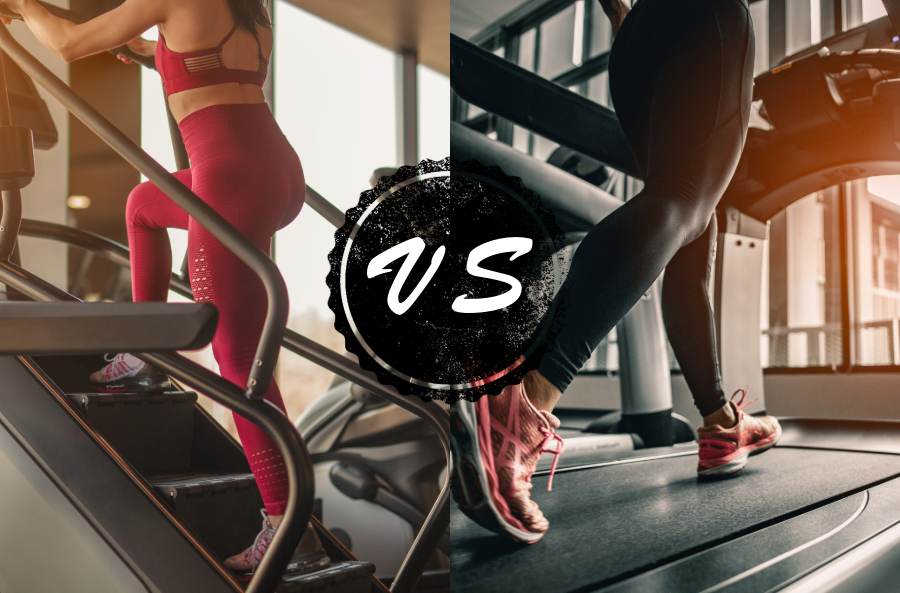
Stairmaster is cardio-focused, while weightlifting builds muscle mass. Weightlifting offers muscle hypertrophy, whereas the Stairmaster enhances endurance. Combining both provides balanced fitness benefits. For muscle growth, prioritize weights but use Stairmaster for cardiovascular health. They complement each other in a comprehensive workout regimen.
Can You Tone Your Body Using Stairmaster?
Yes, the Stairmaster is excellent for toning. It primarily targets the lower body, improving muscle definition. Regular use can lead to firmer legs and glutes. It’s effective for burning calories and reducing body fat. Consistent workouts contribute to a toned appearance over time.
Conclusion
Stairmaster workouts help tone and strengthen leg muscles. They improve endurance and burn calories fast. But building big muscles needs extra weight training. Use the Stairmaster to support muscle growth, not replace lifting. Consistency matters most for seeing any real changes.
Combine it with good nutrition and rest. This way, you get stronger and healthier over time. Keep moving and enjoy the benefits every day. Simple steps lead to steady progress.







