
Ever found yourself lacing up your running shoes and wondering, “Will running build muscle?” You’re not alone.
This question pops into the mind of many fitness enthusiasts, especially those eager to maximize their workout benefits. Imagine transforming your regular runs into a muscle-building powerhouse. Intrigued? You should be. Understanding the impact of running on your muscles could unlock a whole new level of fitness for you.
Stick around, and you’ll discover how to harness the power of running to sculpt, tone, and strengthen your body like never before. Ready to dive in? Let’s uncover the truth about running and muscle building.

Credit: www.youtube.com
How Running Affects Muscle Growth
Running is often seen as a cardio workout that burns calories and improves endurance, but what about its effect on your muscles? Understanding how running influences muscle growth can help you design a training plan that fits your fitness goals. The truth is, running impacts muscle fibers and size differently depending on the type of running and intensity you choose.
Muscle Fiber Types Engaged
Your muscles contain different fiber types, mainly slow-twitch and fast-twitch fibers. Slow-twitch fibers are built for endurance and activate during long, steady runs. They help your muscles resist fatigue but don’t grow much in size.
Fast-twitch fibers, on the other hand, are responsible for quick, powerful movements like sprints or hill runs. These fibers have more potential to grow and increase strength. So, if you stick only to slow, steady jogging, you might not see much muscle growth.
Think about your own running routine. Do you include sprints or intervals? These activities recruit more fast-twitch fibers and can stimulate muscle growth better than long-distance running.
Impact On Muscle Size And Strength
Running alone usually doesn’t make your muscles bulky. Long-distance running tends to keep muscles lean and toned by improving endurance. However, high-intensity running, such as sprinting or hill repeats, can increase muscle size and strength.
Why does this happen? The short bursts of power in sprinting cause small muscle tears that repair and grow back stronger. This process, known as hypertrophy, is similar to weightlifting but less intense.
If building muscle is your goal, combining running with resistance training is key. Running can complement your workouts by improving blood flow and muscle recovery, but relying on running alone won’t maximize muscle size.
Different Running Styles And Muscle Development
Running affects muscles differently based on the style you choose. Some styles focus on speed, others on endurance. Each type works your muscles in unique ways. This impacts how much muscle you build and where in your body the changes happen. Understanding different running styles helps in choosing the right one for muscle development.
Sprinting Vs Long-distance Running
Sprinting involves short bursts of very fast running. It uses fast-twitch muscle fibers. These fibers grow bigger and stronger with high-intensity work. Sprinting builds muscle in the legs, especially the quads, hamstrings, and calves.
Long-distance running is slower and lasts longer. It uses slow-twitch muscle fibers. These fibers improve endurance but do not grow much in size. Long-distance running tones muscles but usually does not increase muscle mass significantly.
- Sprinting:Builds muscle size and strength quickly
- Long-distance:Increases muscle endurance and tone
Hill Running And Resistance
Hill running adds natural resistance to your workout. Running uphill forces your muscles to work harder. This engages glutes, calves, and thighs more intensely. It promotes muscle growth and strength due to the extra effort needed.
Downhill running also works muscles but focuses more on control and stability. Hill workouts combine strength and endurance training. This makes them effective for muscle development and overall fitness.
Running And Muscle Loss Risks
Running can affect your muscles in different ways. It can improve endurance but also cause muscle loss risks. Understanding these risks helps you keep your muscle healthy and strong.
Overtraining And Catabolism
Running too much without enough rest can lead to overtraining. This stresses your body and causes muscle breakdown. Your body starts using muscle protein for energy. This process is called catabolism.
Signs of overtraining include constant tiredness and weaker muscles. Overtraining lowers your strength and slows muscle recovery. It can also increase the chance of injury.
Balancing Running With Strength Training
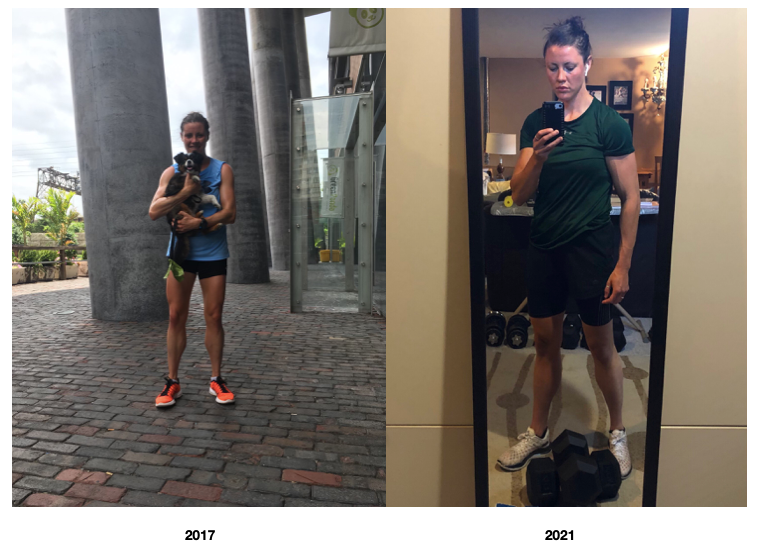
Combining running with strength exercises helps protect your muscles. Strength training builds muscle while running improves heart health. This balance reduces the risk of muscle loss.
Include exercises like squats, lunges, and weight lifting. These support muscle growth and keep your body strong. Rest days are important too. They allow muscles to heal and grow bigger.
Credit: betterhumans.pub
Nutrition’s Role In Muscle Building For Runners
Nutrition plays a key role in building muscle for runners. Running alone can improve endurance, but muscle growth needs proper fuel. Eating the right nutrients helps repair muscles and supports strength gains. Without good nutrition, muscle building slows down.
Runners need to focus on what and when they eat. The right balance of protein, carbs, and fats helps muscles recover faster. Nutrients consumed around running sessions can affect muscle growth and energy levels.
Protein Intake Recommendations
Protein is essential for muscle repair and growth. Runners should aim for 1.2 to 1.7 grams of protein per kilogram of body weight daily. Sources include lean meat, fish, eggs, dairy, beans, and nuts.
Eating enough protein helps rebuild muscle fibers broken down during runs. Without enough protein, muscles cannot grow stronger or recover well. Spreading protein intake evenly throughout the day improves absorption and muscle repair.
Timing Meals Around Runs
Meal timing affects muscle recovery and energy. Eating a balanced meal 2 to 3 hours before running fuels the body with energy. Include carbs and some protein in this meal.
After running, eat within 30 to 60 minutes. This meal should focus on protein and carbs to repair muscles and restore energy. Quick snacks like yogurt, a protein shake, or a banana with peanut butter work well.
Hydration also supports muscle function. Drink water before, during, and after runs to stay hydrated.
Best Practices To Build Muscle While Running
Building muscle while running requires smart habits and focused effort. Running alone mainly improves endurance and burns calories. To add muscle, combine running with targeted routines and proper care. These best practices help maximize muscle gain without losing running benefits.
Incorporating Strength Workouts
Strength workouts are essential to build muscle alongside running. Focus on exercises that target major muscle groups like legs, core, and upper body. Use weights or bodyweight exercises such as squats, lunges, and push-ups.
- Schedule strength training 2-3 times per week.
- Keep sessions short but intense to avoid fatigue.
- Balance workouts to prevent muscle imbalances.
- Include exercises that improve running form and power.
Strength training improves muscle size and supports running performance. It also reduces injury risk by strengthening joints and tendons.
Recovery Strategies
Recovery is key to muscle growth and injury prevention. Muscles grow when resting, not during workouts. Prioritize recovery to gain muscle while running regularly.
- Get 7-9 hours of sleep nightly.
- Use foam rolling and stretching to ease muscle tightness.
- Eat protein-rich meals after workouts for muscle repair.
- Rest or do light activity on non-training days.
- Hydrate well to support muscle function and recovery.
Good recovery habits keep muscles strong and ready for the next workout. They help you build muscle steadily while maintaining running endurance.
Common Myths About Running And Muscle
Many people have wrong ideas about running and muscle growth. These myths can stop you from enjoying running or using it effectively. Clearing up these misunderstandings helps you see how running affects your muscles.
Running Always Causes Muscle Loss
Some think running makes muscles shrink. Running uses energy and burns fat, but it does not always cause muscle loss. Muscle loss happens only if you run too much without enough food or rest. Short or moderate runs can keep muscles strong. Running can even help build leg muscles by making them work harder.
You Can Only Build Muscle By Lifting Weights
Many believe lifting weights is the only way to build muscle. Running also helps muscle growth, especially in lower body muscles like calves and thighs. Running uses your body weight to challenge muscles. Sprinting or hill running creates more muscle stress, which helps growth. Combining running with some strength exercises gives the best results.

Credit: sportcoaching.com.au
Frequently Asked Questions
Can Running Alone Build Significant Muscle Mass?
Running primarily improves cardiovascular fitness and endurance. It helps tone muscles but does not build large muscle mass like weight training. For muscle growth, combine running with strength exercises and proper nutrition.
How Does Running Affect Muscle Growth?
Running stimulates slow-twitch muscle fibers, enhancing endurance and muscle tone. It does not significantly increase muscle size. Interval sprints can engage fast-twitch fibers, supporting moderate muscle growth.
Does Sprinting Build More Muscle Than Jogging?
Yes, sprinting recruits fast-twitch muscle fibers responsible for strength and size. Jogging mainly works slow-twitch fibers for endurance. Incorporating sprints can boost muscle development better than steady jogging.
Should I Combine Running With Weight Training To Build Muscle?
Combining running with weight training optimizes muscle growth and fitness. Running improves endurance while weight lifting promotes muscle hypertrophy. This balanced approach yields better muscle-building results.
Conclusion
Running helps build some muscle, especially in your legs. It improves endurance and tones your body. For bigger muscles, add strength training or lifting weights. Consistency and good nutrition also matter a lot. Running alone won’t give you large muscles.
But it keeps you fit and strong. So, use running as part of a balanced workout plan. Keep moving, stay healthy, and enjoy the process.







