
Are you wondering if hitting a punching bag can actually help you build muscle? You’re not alone.
Many people pick up boxing or kickboxing workouts hoping to get stronger and leaner, but they’re not sure if punching bags deliver real muscle gains. The truth might surprise you. By the end of this article, you’ll know exactly how a punching bag can impact your muscles and whether it’s the right tool to help you reach your fitness goals.
Keep reading to discover how your punches can do more than just burn calories—they might just sculpt your body too.

Credit: www.themanual.com
Benefits Of Punching Bag Workouts
Punching bag workouts offer more than just a way to practice boxing. They provide a powerful full-body workout. These workouts help build muscle, improve fitness, and boost stamina. The fast, repetitive motions engage many muscle groups. The constant movement also raises your heart rate, blending strength and cardio exercise in one session.
Muscle Groups Targeted
Punching a bag works your arms, shoulders, and chest. Your back and core also engage to stabilize your body. Legs get involved through footwork and balance. Each punch activates muscles, helping them grow stronger. Repeated punches tone and shape the upper body muscles. Your core tightens with every movement to keep you steady.
Cardio And Strength Combo
Punching bag workouts mix strength and cardio well. The high-intensity punches increase your heart rate quickly. This burns calories and boosts endurance. At the same time, muscles work hard with each strike. This combination helps build lean muscle and improve heart health. It makes your workout efficient and effective.
Improved Coordination And Endurance
Working with a punching bag sharpens hand-eye coordination. It trains your reflexes and timing. This helps with overall body control and balance. Repeated sessions build endurance, letting you exercise longer. Your muscles get used to sustained effort. This leads to better stamina and faster recovery.

Credit: generationiron.com
How Punching Bags Build Muscle
Punching bags offer more than just a way to improve fighting skills. They provide an effective workout that builds muscle through repeated impact and resistance. Each hit challenges your muscles to work harder and adapt. This process leads to stronger, more toned muscles over time.
Resistance And Impact Training
Hitting a punching bag combines resistance and impact forces. Your muscles must absorb the shock with every punch. This action engages muscle fibers in your arms, shoulders, chest, and core. The bag pushes back, creating resistance that your muscles fight against. This resistance helps muscles grow stronger and more durable.
Progressive Overload Principles
Muscle growth happens when you increase workout demands gradually. Punching bags allow this by varying intensity and duration. Start with lighter punches and short sessions. Increase speed, power, and time as strength improves. This progressive overload forces muscles to adapt and grow bigger and stronger.
Muscle Activation Patterns
Punching activates multiple muscle groups at once. Your shoulders, arms, chest, back, and core work together. This full-body muscle activation boosts overall strength and coordination. The quick, repetitive movements improve muscle endurance and power. This pattern helps shape lean muscle and improve muscle tone effectively.
Essential Techniques For Muscle Gain
Building muscle with a punching bag requires more than just throwing punches wildly. The right techniques help you target muscle groups effectively, maximize strength gains, and avoid injury. Focused practice on form, power, and movement will get you stronger faster.
Proper Punching Form
Good form is the foundation of muscle gain. Keep your wrists straight and your fist tight to avoid strain. Engage your core and rotate your hips with each punch to recruit your entire body, not just your arms.
Imagine throwing a punch without turning your hips—you miss out on activating your obliques and lower back muscles. Pay attention to your shoulder alignment and breath out sharply with each hit. This control builds endurance and muscle over time.
Incorporating Power And Speed
Muscle growth responds to stress, so add power behind your punches. Instead of just tapping the bag, push yourself to strike harder while maintaining form. Speed matters too; fast punches improve muscle activation and coordination.
Try alternating between heavy, slower punches and rapid-fire combinations. This mix challenges different muscle fibers and boosts overall strength. Have you noticed how your arms and shoulders feel after a fast-paced round? That’s your muscles working hard.
Combining Punches With Footwork
Muscle gain isn’t only about your upper body. Moving around the bag activates your legs and core muscles. Step, pivot, and shift your weight smoothly to engage calves, quads, and glutes.
Footwork adds a dynamic element to your workout. It forces your body to stabilize and generate power from the ground up. Next time you train, focus on your foot placement and how it connects with each punch. Your whole body will thank you.
Effective Strength Training Tips
Building muscle with a punching bag requires more than just throwing punches. Effective strength training combines smart preparation, intense workouts, and proper recovery. Paying attention to these areas will help you maximize muscle gains and avoid injury.
Warm-up And Stretching
Start each session with a proper warm-up. Light jogging or jumping rope for 5-10 minutes raises your heart rate and prepares your muscles for work. Follow this with dynamic stretches, like arm circles and leg swings, to increase flexibility and reduce tightness.
Skipping warm-up can lead to strains or poor performance. I once jumped straight into heavy bag work and ended up with a sore shoulder for days. Don’t let that happen to you—spend time loosening up first.
Interval Training Methods
Use interval training to boost muscle strength and endurance. Alternate between high-intensity punching for 30-60 seconds and active rest periods, like slow footwork or shadowboxing, for 30-60 seconds.
- Try rounds of 3 minutes with 1-minute rest to simulate real fight conditions.
- Mix power punches with speed combos to challenge different muscle fibers.
- Push yourself during work intervals but maintain good form to avoid injury.
Have you noticed how your arms burn during these bursts? That’s your muscles working hard and growing stronger.
Rest And Recovery Strategies
Muscle growth happens when you rest, not just while you train. Allow 48 hours between intense punching bag sessions targeting the same muscle groups. Use foam rolling or gentle stretching on rest days to aid recovery.
Sleep matters too. Aim for 7-9 hours to support muscle repair and hormone balance. Ignoring recovery can stall progress and increase injury risk—are you giving your body enough time to rebuild?
Supplementing Punching Bag Workouts
Punching bag workouts improve your speed and endurance. They also help tone muscles but may not fully build muscle size. To gain more muscle, add other exercises and focus on nutrition. Supplementing your punching bag sessions boosts muscle growth and strength.
Weight Training Integration
Weight training targets specific muscles more effectively. Use dumbbells, barbells, or resistance machines to build muscle mass. Focus on exercises like squats, deadlifts, and bench presses. These compound moves engage multiple muscles, increasing strength and size. Combine weight training with punching bag workouts for balanced fitness.
Core And Stability Exercises
A strong core improves punching power and balance. Include planks, Russian twists, and leg raises in your routine. Stability exercises like single-leg stands help control body movement. These exercises enhance muscle endurance and coordination. A solid core supports all your workout activities.
Nutrition For Muscle Growth
Muscle growth needs proper nutrition. Eat enough protein from chicken, fish, beans, or eggs. Carbohydrates provide energy for workouts. Choose whole grains, fruits, and vegetables. Healthy fats support hormone production. Drink plenty of water to stay hydrated. Proper nutrition helps your muscles recover and grow stronger.
Tracking Progress And Avoiding Plateaus
Tracking your progress and avoiding plateaus are key to building muscle effectively with a punching bag. Without monitoring, it’s easy to hit a point where gains stall and motivation dips. Keeping a close eye on how your body responds helps you adjust your training for continuous growth.
Setting Measurable Goals
Clear, measurable goals give your workouts purpose. Instead of vague aims like “get stronger,” aim for specifics such as increasing punch speed by 10% or adding an extra 3 rounds of bag work each week.
Write down your targets and review them weekly. This keeps you accountable and helps you notice small wins that push you forward. Have you tried timing your rounds or counting your strikes to see improvement?
Varying Workout Intensity
Doing the same punching routine every session can lead to plateaus. Your muscles adapt quickly, so changing intensity forces them to keep growing. Try alternating between high-intensity bursts and moderate recovery rounds.
For example, punch as fast as you can for 30 seconds, then slow down for 1 minute. Adjust the duration and power regularly to challenge your muscles differently. How often do you switch up your pace during workouts?
Monitoring Muscle Development
Tracking physical changes helps you see if your punching bag sessions are building muscle. Take photos every few weeks and measure key areas like your arms and shoulders. This gives real evidence beyond what the scale shows.
Note how your clothes fit and how your muscles feel during and after workouts. Are you noticing more definition or strength when you throw punches? These small cues tell you if your training is on the right track.
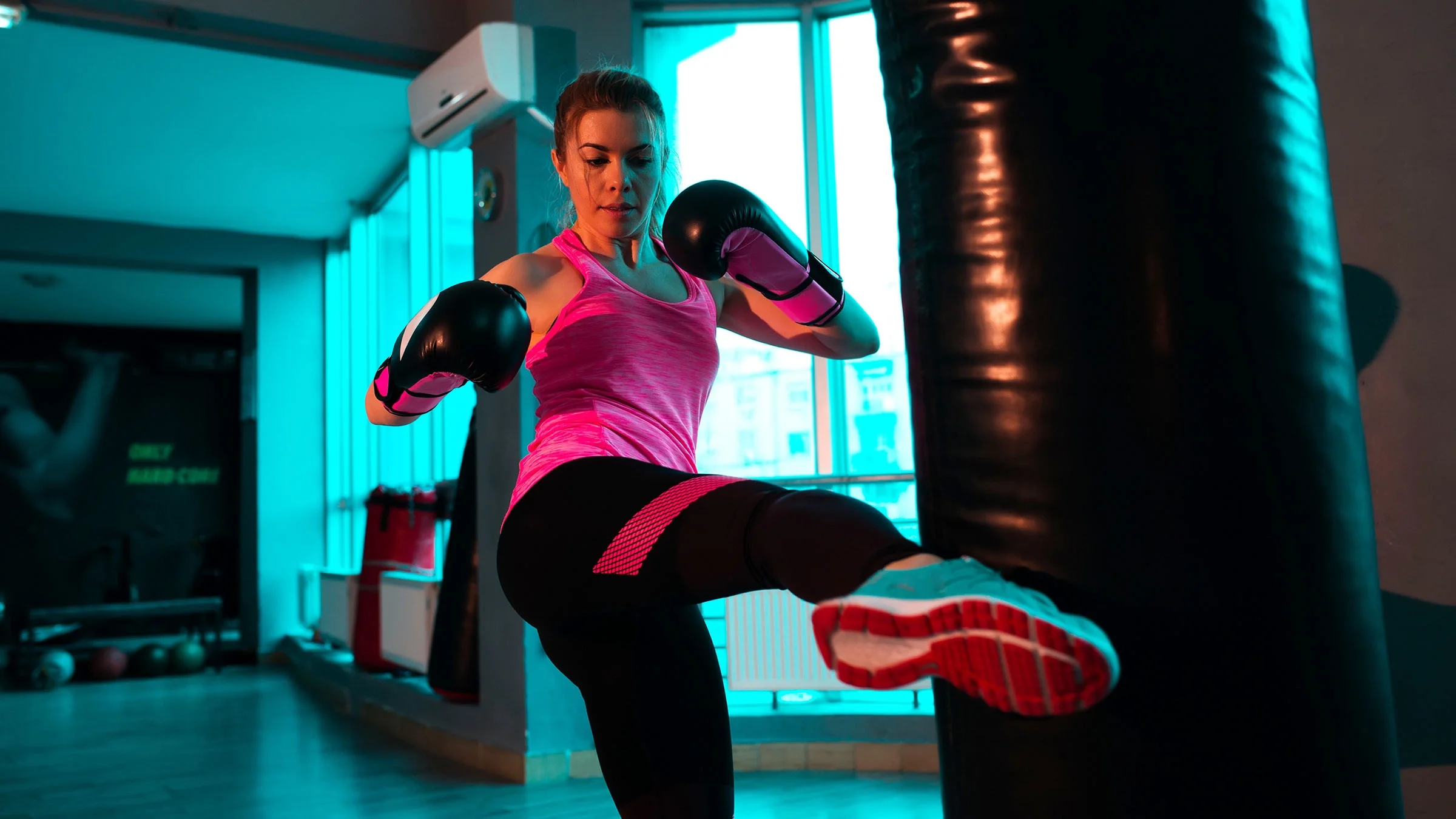
Credit: www.goodrx.com
Frequently Asked Questions
Does Punching A Bag Increase Muscle Size?
Punching a bag primarily enhances cardiovascular fitness and endurance. While it engages muscles, it’s not optimal for significant muscle size increase. For noticeable muscle growth, strength training exercises like weightlifting are more effective. However, regular punching can tone muscles and improve overall fitness.
Can Punching A Bag Replace Weightlifting?
Punching a bag cannot replace weightlifting for building muscle mass. It provides an excellent cardio workout, enhancing endurance and agility. Weightlifting targets muscle growth through resistance training. Combining both can improve overall fitness, offering benefits like muscle toning, cardiovascular health, and stress relief.
How Often Should I Punch A Bag?
For optimal results, punch a bag 2-3 times weekly. This frequency helps improve cardiovascular fitness, endurance, and coordination. Ensure proper rest between sessions to avoid overtraining and injuries. Pair bag workouts with strength training for balanced fitness and muscle development.
What Muscles Do Punching Bags Work?
Punching bags engage multiple muscles, including shoulders, arms, chest, and core. While providing an excellent cardio workout, it helps improve muscle endurance and coordination. Regular practice can tone these muscles, enhance agility, and improve overall fitness levels.
Conclusion
Punching bags help build muscle by using many body parts. You work your arms, shoulders, chest, and core with every hit. It also improves your strength and endurance over time. Consistent training leads to better muscle tone and power. Combining punching bag workouts with good nutrition boosts results.
It’s a fun way to stay active and strong. Keep your sessions regular and challenge yourself step by step. You will see progress in muscle and fitness. Simple, effective, and great for your body overall.







