
Are you wondering if Pilates can help you build muscle? You’re not alone.
Many people start Pilates for flexibility or core strength but want to know if it can also give them noticeable muscle tone. The truth might surprise you. You’ll discover how Pilates affects your muscles, what kind of results you can expect, and how to get the most muscle-building benefits from your practice.
Keep reading to find out if Pilates is the right workout for your muscle goals.

Credit: www.youtube.com
Pilates Basics
Understanding Pilates basics is essential if you want to know how it affects your muscle building journey. Pilates isn’t just about gentle stretching or relaxation; it’s a method focused on control, precision, and mindful movement. Before diving into whether Pilates builds muscle, let’s clarify its core elements and how the practice is structured.
Core Principles
Pilates centers on several key principles that guide every movement. These include concentration, control, centering, flow, precision, and breathing.
- Concentration:You stay focused on each movement, which improves mind-body connection.
- Control:Every exercise is done with deliberate control to avoid injury and maximize effectiveness.
- Centering:Movements originate from your core, which strengthens deep muscles around your abdomen and back.
- Flow:Exercises move smoothly from one to the next, keeping your body engaged.
- Precision:Each motion is performed with exactness, improving muscle coordination.
- Breathing:Proper breathing patterns help oxygenate muscles and maintain rhythm.
These principles make Pilates different from typical gym workouts. They push you to engage muscles you might overlook in other exercises.
Types Of Pilates
Pilates comes in two main forms: mat Pilates and equipment-based Pilates. Both have unique benefits for muscle tone and strength.
- Mat Pilates:Uses your body weight for resistance and focuses on core stability and flexibility. It’s accessible and requires minimal space and no equipment.
- Equipment-Based Pilates:Involves machines like the Reformer, Cadillac, and Wunda Chair. These tools add resistance and support, helping you challenge your muscles more deeply.
Choosing the right type depends on your fitness goals and access to equipment. Have you noticed how adding resistance can change the way your muscles feel during a workout?
Equipment Used
Pilates equipment is designed to provide resistance or support, enhancing muscle engagement during exercises. The most common tools include:
| Equipment | Purpose | Muscle Focus |
|---|---|---|
| Reformer | Adjustable springs for resistance during various exercises | Core, legs, arms, back |
| Cadillac | Frame with bars and springs for stretching and strengthening | Full body, especially upper body and core |
| Wunda Chair | Compact chair with pedals to challenge balance and strength | Legs, core, arms |
| Magic Circle | Flexible ring that adds resistance for toning | Inner thighs, arms, chest |
Using this equipment can increase the muscle-building potential of Pilates. Have you tried exercises with these tools to feel the difference in muscle activation?
Muscle Building And Pilates
Pilates is often seen as a gentle exercise method. Yet, it offers significant muscle benefits. Understanding how Pilates builds muscle can help you decide if it fits your fitness goals.
This section explores muscle building and Pilates through different angles. Learn how muscles engage during Pilates, how strength gains compare to weightlifting, and the role of resistance in Pilates.
Muscle Engagement In Pilates
Pilates activates many muscles at once. It focuses on the core, but also works arms, legs, and back. Controlled movements target deep muscles often missed in other workouts.
Each exercise requires balance and precision. This constant muscle activation tones and shapes the body. Pilates improves muscle endurance more than bulk.
Strength Gains Compared To Weightlifting
Weightlifting builds muscle size faster. It uses heavy weights to create muscle growth. Pilates, on the other hand, improves strength gradually.
Pilates enhances muscle control and stability. It is less about lifting heavy and more about quality of movement. Strength gains are moderate but last longer.
Role Of Resistance In Pilates
Resistance in Pilates comes from your body weight and equipment. Tools like resistance bands and reformer machines add challenge. This resistance helps muscles work harder.
Resistance increases muscle tone without heavy strain. It reduces injury risk while promoting muscle endurance. Pilates resistance is adjustable for all fitness levels.
Body Transformation Benefits
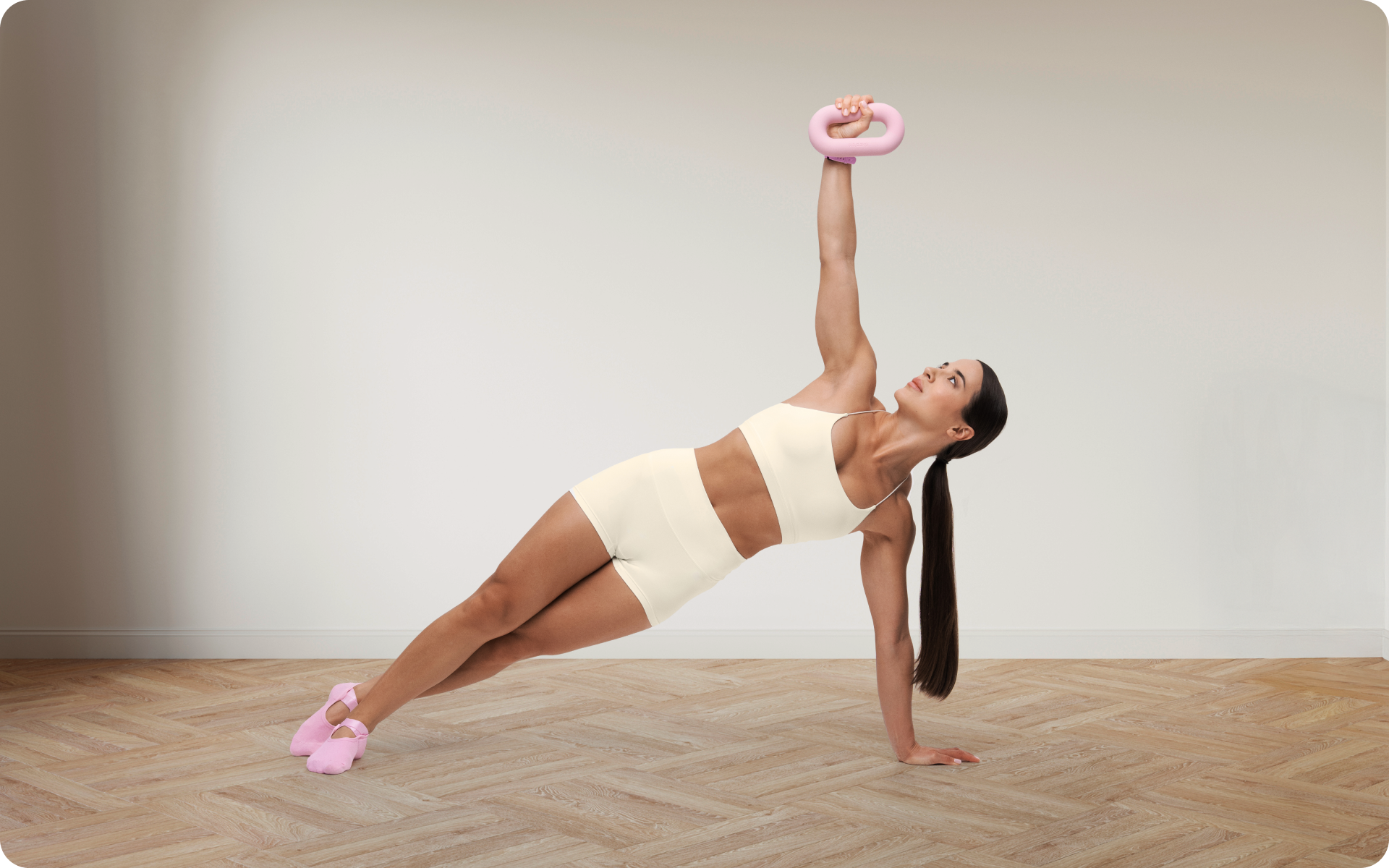
Pilates offers many benefits that help transform your body. It targets muscles in a way that builds strength and shapes the body. This practice also improves how your body moves and feels daily. Each session works on muscle control and balance.
Body transformation through Pilates is about more than just muscle size. It enhances muscle tone, flexibility, and posture. These changes make a visible difference and boost physical health.
Improved Muscle Tone
Pilates focuses on controlled movements that engage muscles deeply. This process tones muscles without adding bulk. Regular practice strengthens your core and other key muscle groups. You notice firmer arms, legs, and abdomen. Muscle tone improves gradually, giving a lean and sculpted look.
Enhanced Flexibility
Flexibility increases with Pilates as it stretches and lengthens muscles. This helps reduce stiffness and muscle tightness. Better flexibility supports easier movement and lowers injury risk. Pilates exercises target all parts of the body for balanced flexibility. Over time, joints move more freely and comfortably.
Posture And Alignment
Pilates trains your body to maintain correct posture. It strengthens muscles that support the spine and torso. This leads to better alignment and less slouching. Good posture eases back and neck pain. It also improves breathing and overall body function. Pilates helps you stand and sit with confidence and ease.
Credit: betterme.world
Pilates Vs Traditional Strength Training
Deciding between Pilates and traditional strength training depends on what you want from your workout. Both have unique benefits, but they build muscle in different ways. Understanding these differences can help you choose the best fit for your fitness goals.
Differences In Muscle Growth
Pilates focuses on controlled, low-impact movements that engage deep muscles and improve muscle tone. It builds strength gradually by using your body weight and small equipment like resistance bands. Traditional strength training, on the other hand, uses heavier weights and machines to target larger muscle groups quickly, promoting faster muscle growth.
If your goal is to see noticeable muscle size changes, traditional training might give faster results. But Pilates helps develop balanced muscle strength and endurance, which supports overall body function. Could a combination of both give you the best of both worlds?
Injury Prevention
Pilates emphasizes proper alignment and core stability, which helps protect your joints and reduces injury risk. It teaches you to move with control, making it easier to avoid strains during daily activities. Traditional strength training carries a higher risk of injury if done incorrectly or with poor form, especially with heavy weights.
However, lifting weights with proper technique can strengthen bones and connective tissues, offering long-term protection. Do you pay enough attention to form in your workouts to keep injuries at bay?
Sustainability And Long-term Effects
Pilates is gentle on the body and suitable for all ages, making it easier to maintain as a lifelong practice. It improves flexibility, posture, and muscle balance, which can reduce chronic pain over time. Traditional strength training requires careful progression to avoid burnout or injury but builds bone density and metabolic rate, which are crucial as you age.
Choosing a routine you enjoy is key. Would you prefer a workout that feels like therapy or one that challenges you to lift heavier? Both paths can lead to a healthier, stronger you if you stay consistent.
Maximizing Muscle Growth With Pilates
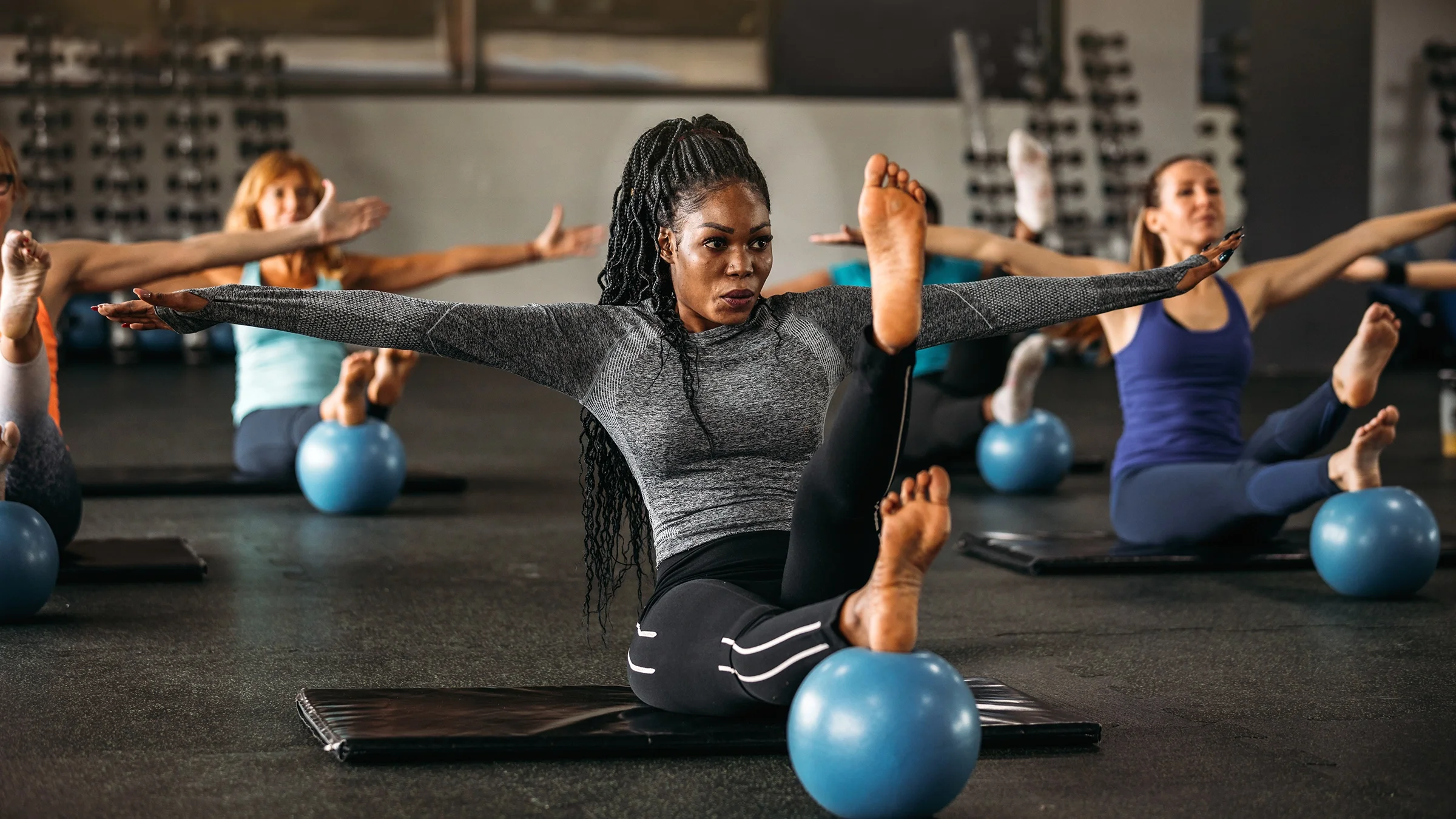
Pilates is known for improving flexibility and core strength. It also helps build muscle when done correctly. Maximizing muscle growth with Pilates requires thoughtful practice and the right techniques. Focused effort and added resistance can boost muscle gains. Combining Pilates with other workouts can create a balanced exercise routine. Nutrition plays a key role in supporting muscle development.
Incorporating Equipment For Resistance
Using Pilates equipment adds resistance to workouts. Tools like resistance bands, Pilates rings, and reformers help. These tools make muscles work harder during exercises. Resistance challenges muscles, encouraging growth and strength. Adding weights or bands increases workout intensity. This method targets specific muscle groups effectively.
Combining Pilates With Other Workouts
Pair Pilates with strength training for faster muscle growth. Weightlifting and bodyweight exercises complement Pilates well. Cardio workouts improve overall fitness and endurance. Mixing different exercises creates a full-body workout. This variety helps prevent plateaus in muscle gains. Balance Pilates with other workouts for best results.
Nutrition Tips For Muscle Building
Good nutrition supports muscle repair and growth. Eat enough protein to help muscles recover. Include lean meats, beans, and dairy in meals. Stay hydrated for optimal muscle function. Consume healthy fats and complex carbs for energy. Avoid processed foods that can hinder progress. Timing meals around workouts boosts muscle building effects.
Credit: www.goodrx.com
Common Myths About Pilates And Muscle
Pilates is often misunderstood. Many people have wrong ideas about its effects on muscle. These myths stop some from trying Pilates for strength and muscle building. Let’s clear up some common myths about Pilates and muscle.
Pilates Only For Flexibility
Many think Pilates only helps with flexibility. This is not true. Pilates improves flexibility and muscle tone. It stretches muscles while also strengthening them. The exercises engage many muscles at once. This leads to better muscle control and shape.
Pilates Can’t Build Strength
Some believe Pilates does not build strength. Pilates uses body weight and resistance to work muscles. It targets deep muscles that other workouts may miss. Over time, it improves muscle endurance and strength. Strong muscles support better posture and balance.
Pilates Is Easy And Ineffective
Pilates looks gentle and slow. This gives a false idea that it is easy. Pilates requires focus and control. Each movement challenges muscles in a unique way. Consistent practice can change muscle tone and shape. It is a serious workout for the body and mind.
Frequently Asked Questions
Can Pilates Help In Muscle Growth?
Yes, Pilates can help build lean muscle. It focuses on strengthening core muscles, improving flexibility, and enhancing posture. While it may not bulk muscles like weightlifting, it tones and elongates them. Regular practice leads to improved muscle endurance and definition, contributing to a leaner physique.
Is Pilates Effective For Core Strengthening?
Pilates is highly effective for core strengthening. It emphasizes controlled movements targeting deep abdominal muscles. This leads to improved core stability and strength. A strong core supports better posture and balance. Consistent practice enhances overall body function, reducing the risk of injuries.
How Does Pilates Compare To Weightlifting?
Pilates and weightlifting offer different benefits. Pilates focuses on core strength, flexibility, and muscle endurance. Weightlifting primarily targets muscle mass and strength through resistance. Combining both can lead to a balanced fitness routine, enhancing muscle tone, flexibility, and overall strength.
Can Pilates Replace Traditional Strength Training?
Pilates can complement but not fully replace traditional strength training. It excels in core strength, flexibility, and muscle endurance. However, traditional strength training is essential for building significant muscle mass and strength. Combining both provides a well-rounded fitness regimen.
Conclusion
Pilates can help build muscle, especially in the core and smaller muscles. It uses body weight and controlled movements to strengthen muscles. You may not gain big muscles like weightlifting, but your muscles will become firmer and more toned. Pilates also improves flexibility and posture, which supports muscle health.
Consistency matters most for seeing results. Combine Pilates with other exercises for balanced strength. Try it regularly to feel stronger and more flexible over time.







