
Are you curious whether cycling can help you build muscle? You’re not alone.
Many people like you are eager to discover if their daily ride can do more than just boost their heart rate and burn calories. Imagine pedaling through scenic routes while also sculpting your legs and core. Sounds enticing, right? Before you hop on your bike and hit the road, let’s dive into how cycling might be the key to transforming your fitness routine.
You might be surprised to learn how this low-impact activity can power up your muscles in ways you never thought possible. Keep reading to uncover the potential muscle-building benefits of cycling and see how it can fit into your fitness goals.
Muscle Groups Targeted By Cycling
Cycling is a popular exercise that works many muscle groups across the body. It mainly focuses on the lower body but also helps improve core strength and upper body muscles. Understanding which muscles cycling targets can help set realistic fitness goals. Here is a breakdown of the main muscle groups worked during cycling.
Leg Muscles And Endurance
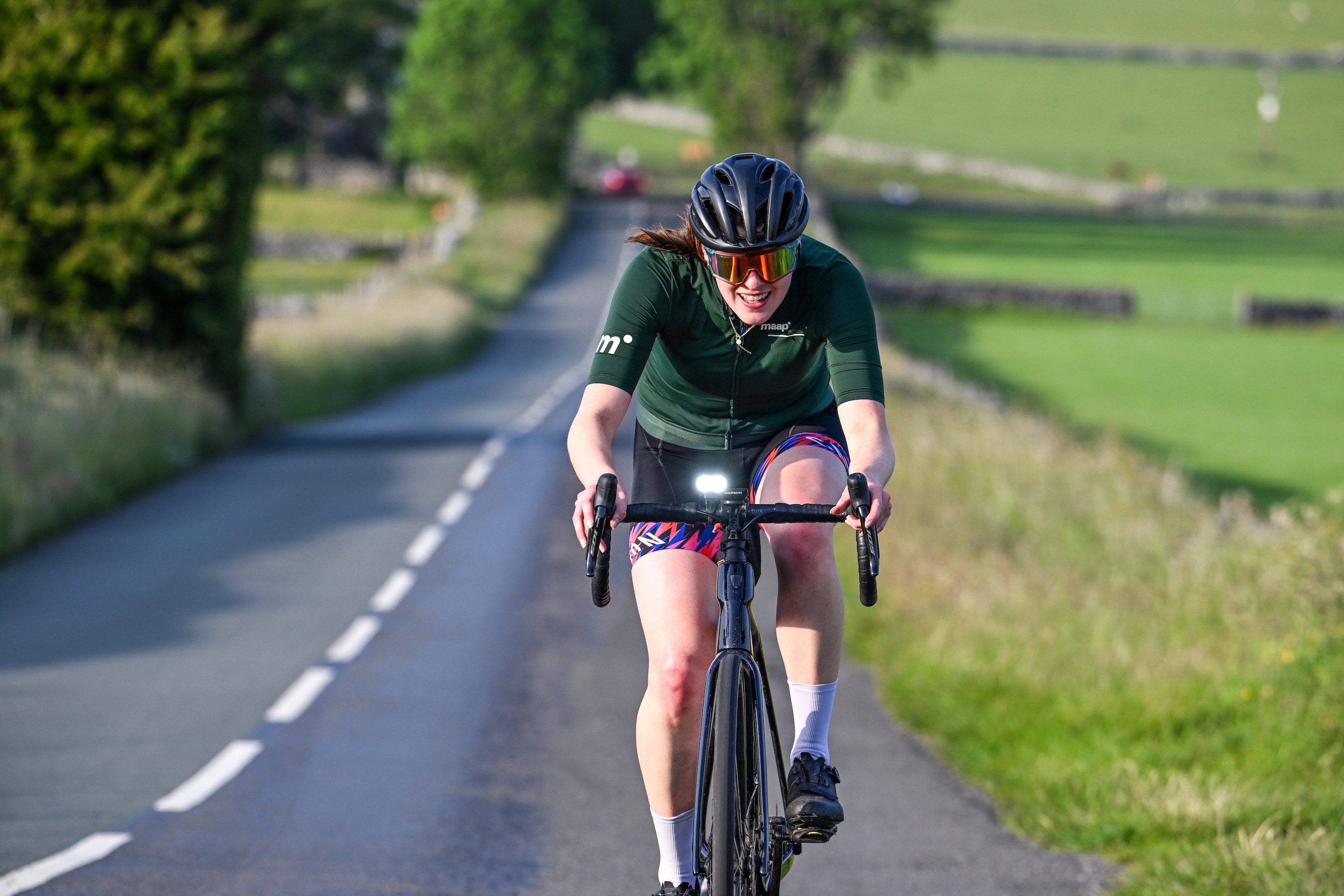
The leg muscles get the most work during cycling. The quadriceps at the front of the thigh power the pedal push. The hamstrings at the back help pull the pedal up. The calves provide extra force and ankle stability. Regular cycling builds muscle endurance in these areas. This means the muscles can perform longer without getting tired.
Core Stability And Balance
The core muscles keep the body stable and balanced on the bike. The abs and lower back work to maintain posture. Strong core muscles improve cycling efficiency and prevent fatigue. They also help control the bike on uneven terrain. A stable core reduces the risk of injury during rides.
Upper Body Engagement
Cycling also activates upper body muscles, though less intensely. The shoulders and arms hold the handlebars and control the bike. The chest and back muscles support body position, especially when climbing or sprinting. These muscles get a gentle workout that improves endurance and tone.
Credit: www.cyclingweekly.com
How Cycling Stimulates Muscle Growth
Cycling helps muscles grow by creating tension and stress on muscle fibers. This stress causes tiny tears in muscles, which repair and grow stronger over time. The way you cycle—how hard, how long, and what type of terrain—affects muscle growth the most.
Role Of Resistance And Intensity
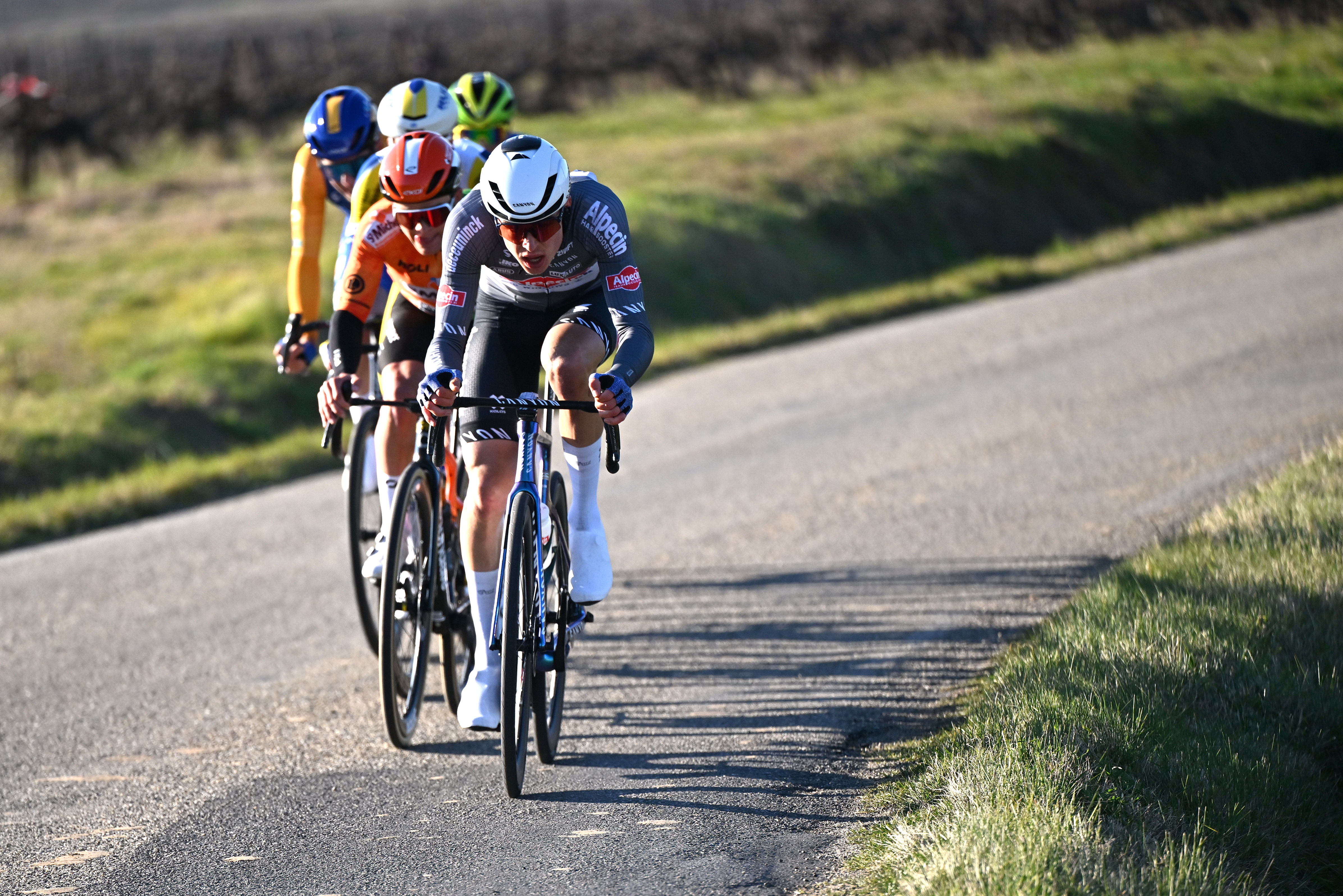
Resistance challenges muscles to work harder. Pedaling against strong wind or steep hills increases this resistance. Higher intensity cycling pushes muscles to adapt and strengthen. Sprinting also demands quick, powerful muscle contractions. These efforts trigger muscle growth by stressing muscle fibers deeply.
Impact Of Duration And Frequency
Longer rides improve muscle endurance but may not build size. Frequent cycling helps muscles recover and grow stronger. Short, intense sessions cause more muscle strain and growth signals. Balancing ride length and frequency supports consistent muscle development without burnout.
Benefits Of Hill Climbing And Sprints
- Hill climbing increases muscle load, especially in legs and glutes.
- Sprints activate fast-twitch muscle fibers for power and size.
- Both improve muscle strength and shape by adding variety.
- These exercises boost metabolism and muscle repair processes.
Limitations Of Cycling For Muscle Building
Cycling is a fantastic way to improve your cardiovascular health and build endurance, but it has clear limits when it comes to muscle building. Understanding these limitations helps you set realistic expectations and design a workout plan that truly meets your goals. Let’s look at where cycling falls short in developing muscle mass and strength.
Muscle Hypertrophy Vs. Endurance
Cycling primarily targets muscle endurance rather than muscle hypertrophy (growth). The repetitive, low-resistance nature of pedaling encourages your muscles to sustain activity over long periods instead of growing bigger or stronger.
If you want noticeable muscle size gains, you need to challenge your muscles with higher resistance and varied movements. Cycling rarely provides this level of stimulus, so your muscles adapt by becoming more efficient at endurance, not bulkier.
Lack Of Upper Body Muscle Development
One major limitation is that cycling mainly works your lower body: quads, hamstrings, glutes, and calves. Your upper body—arms, chest, back, and shoulders—gets very little workout.
This imbalance can lead to a weaker upper body compared to your legs. If your goal is overall muscle building, you need to add strength training exercises targeting these upper body muscles.
Plateaus And Adaptation
Your body quickly adapts to the demands of cycling, which means muscle growth plateaus after a while. Without increasing resistance or changing your routine, your muscles stop growing and improving.
Have you noticed your progress slowing down despite consistent rides? This is your body signaling the need for new challenges. Try adding intervals, hill climbs, or even weight training to break through plateaus and keep building muscle.
Credit: www.cyclingweekly.com
Combining Cycling With Strength Training
Cycling is excellent for endurance and leg strength. Yet, it may not build muscle evenly. Adding strength training helps create a balanced body. It also improves cycling performance and reduces injury risk. Combining both workouts brings the best results for muscle growth and fitness.
Effective Cross-training Strategies
Cross-training mixes cycling with other exercises. This approach targets muscles cycling misses. Focus on full-body workouts to improve overall strength. Use varied routines to keep workouts fresh and engaging. Rest days with light activity help muscles recover.
Exercises To Complement Cycling
- Squats strengthen quads, glutes, and hamstrings.
- Deadlifts build lower back and leg muscles.
- Lunges improve balance and leg power.
- Planks and push-ups develop core and upper body.
- Leg presses target cycling muscles with resistance.
Balancing Cardio And Resistance Workouts
Plan your week with both cardio and strength sessions. Avoid overtraining one type to prevent fatigue. Start strength training with lighter weights and increase gradually. Allow at least one rest day between heavy sessions. Balance helps muscles grow and boosts endurance.
Nutrition Tips For Muscle Growth In Cyclists
Nutrition plays a key role in muscle growth for cyclists. Proper food choices fuel workouts and help muscles recover fast. Eating the right nutrients supports strength and endurance on the bike.
Muscle growth needs a mix of protein, hydration, and sometimes supplements. Timing meals around training boosts gains. Understanding what to eat helps cyclists build muscle safely and effectively.
Protein Intake And Timing
Protein is vital for muscle repair and growth. Cyclists should eat protein with every meal.
- Aim for 1.2 to 1.7 grams of protein per kilogram of body weight daily.
- Include sources like chicken, fish, eggs, beans, and dairy.
- Consume protein within 30 minutes after cycling to aid recovery.
Spreading protein intake evenly during the day supports steady muscle repair.
Hydration And Recovery
Water keeps muscles working well and helps prevent cramps.
- Drink water before, during, and after rides.
- Replace lost fluids with electrolyte drinks if cycling lasts over an hour.
- Proper hydration speeds up muscle recovery and reduces fatigue.
Rest and sleep also play a crucial role in muscle growth and repair.
Supplements To Consider
Supplements can help fill nutrition gaps for cyclists focused on muscle gain.
- Whey protein supports quick muscle repair after rides.
- Creatine may improve muscle strength and power for short bursts.
- Branched-chain amino acids (BCAAs) reduce muscle soreness and aid recovery.
Always choose supplements from trusted brands and consult a healthcare provider.

Credit: www.bicycling.com
Tracking Muscle Gains While Cycling
Tracking muscle gains while cycling helps you see real progress. Muscle growth can be slow and subtle. Careful tracking shows what works and what needs change. This keeps your training effective and motivating.
Measuring Progress Accurately
Use more than one method to measure muscle gains. Tape measurements of thighs and calves show size changes. Body fat scales estimate muscle mass but can vary. Photos taken weekly help spot visual improvements. Strength tests on the bike also indicate muscle power growth.
Signs Of Muscle Development
- Improved endurance and speed on your rides
- Increased power during sprints and climbs
- Visible muscle tone in legs and glutes
- Less fatigue after long rides
- Better recovery times after workouts
Adjusting Training Plans
Track your data regularly to find trends. If muscle growth stalls, change your cycling routine. Add hill climbs or intervals for more muscle stress. Include strength training off the bike for balance. Rest and nutrition are key to muscle repair and growth.
Frequently Asked Questions
Does Cycling Help Build Muscle Mass Effectively?
Cycling primarily tones leg muscles like quads and calves. It builds endurance more than significant muscle mass. For bigger muscles, combine cycling with strength training.
Which Muscles Does Cycling Develop The Most?
Cycling mainly targets the quadriceps, hamstrings, calves, and glutes. It also engages the core for balance and stability during rides.
Can Cycling Alone Increase Upper Body Muscle?
Cycling does not significantly develop upper body muscles. To build upper body strength, include weightlifting or bodyweight exercises in your routine.
How Often Should I Cycle To Build Muscle?
For muscle toning, cycle 3-4 times weekly with varied intensity. Consistency and progressive resistance, like hill climbs, help stimulate muscle growth.
Conclusion
Cycling helps build muscle, especially in the legs and lower body. It tones muscles and improves strength over time. Regular cycling boosts endurance and supports overall fitness. Pairing cycling with strength training speeds up muscle growth. Stay consistent and eat well for best results.
Enjoy the ride and watch your muscles grow. Simple, steady effort brings steady gains.







