
Have you ever started a fitness plan full of energy, only to find yourself losing motivation and giving up? You’re not alone.
The struggle to stick with fitness goals isn’t just about physical effort—it’s often a mental battle. Your mind plays a huge role in whether you push forward or quit. Understanding why this happens can change everything. Keep reading, because uncovering these mental roadblocks will help you stay strong and finally reach the goals you’ve set for yourself.
Common Mental Roadblocks
Many people face invisible barriers that make sticking to fitness goals tough. These mental roadblocks quietly chip away at your confidence and energy. Recognizing these challenges is the first step to overcoming them and staying on track.
Self-doubt And Negative Thoughts
Self-doubt creeps in when you start questioning your ability to reach your goals. You might think, “I’m not strong enough” or “I’ll never get there.” These thoughts can stop you before you even begin.
One way to fight this is by focusing on small wins. Did you add five more minutes to your workout? Celebrate it. Over time, these small victories build your confidence and drown out negative voices.
Fear Of Failure
Fear of failure often feels like a heavy weight holding you back. You worry about falling short or being judged by others. This fear can freeze you, making it easier to quit than to risk failing.
Ask yourself: What’s worse—failing or never trying? Accept that setbacks are part of the process. Each failure is a lesson that brings you closer to success.
Lack Of Motivation
Motivation is not constant; it fluctuates like energy throughout the day. When motivation dips, fitness goals can seem distant and unimportant. You might find yourself skipping workouts or losing interest.
To stay motivated, link your fitness to your values and daily habits. For example, remind yourself how exercise improves your mood or energy for work. Small routines, like a morning stretch, keep you moving even on low-motivation days.

Credit: swolverine.com
Impact Of Stress And Anxiety
Stress and anxiety often drain motivation, making fitness goals feel overwhelming. Mental fatigue can lead to giving up before seeing progress. Managing emotions is key to staying committed and consistent.
Stress and anxiety are silent saboteurs of fitness goals. They often creep in unnoticed and can derail your progress without you even realizing it. Mental hurdles are often tougher to overcome than physical ones, and understanding their impact on your fitness journey is crucial to staying committed.How Stress Affects Commitment
Stress can drain your energy, making it harder to stick to your workout schedule. It can also affect your sleep, leaving you feeling exhausted and unmotivated. When you’re stressed, your mind prioritizes short-term comfort over long-term goals, leading to skipped workouts and poor food choices. You might notice that during stressful periods, your determination wanes. This happens because stress hormones can interfere with your ability to focus and make decisions. Have you found yourself opting for a quick fix like a sugary snack instead of hitting the gym? That’s stress steering your choices.Managing Anxiety To Stay Focused
Anxiety can be paralyzing, but it doesn’t have to halt your fitness journey. Start by identifying triggers that cause your anxiety. Is it the fear of not meeting your goals or the pressure of a busy schedule? Recognizing these can help you address them directly. Integrate small calming practices into your routine. Deep breathing exercises or a short meditation session can work wonders. Imagine if you could clear your mind for just five minutes a day; how much more focused could you be? Keep your goals realistic and flexible. It’s okay to adjust them as needed. Remember, your fitness journey is personal, and progress looks different for everyone. What small step will you take today to manage your anxiety and stay on track?Unrealistic Expectations
Unrealistic expectations often cause people to quit their fitness journeys early. They expect quick results and drastic changes. When these do not happen, frustration builds up. This leads to disappointment and loss of motivation. Fitness is a slow process, needing patience and steady effort. Understanding this can help maintain a positive mindset and avoid giving up.
Setting Attainable Goals
Setting small, clear goals helps keep motivation alive. Goals should be specific, like walking 30 minutes daily. Avoid aiming for extreme weight loss or muscle gain too fast. Breaking big goals into smaller steps makes progress visible. Celebrate small wins to stay encouraged. Realistic goals fit your current lifestyle and fitness level.
Dealing With Slow Progress
Fitness improvements often happen slowly and quietly. Muscle strength and endurance build over weeks, not days. Weight changes may be minimal at first. Track progress with measures beyond the scale, like energy levels or mood. Patience is key to staying on track. Remember, steady progress beats quick fixes that don’t last.
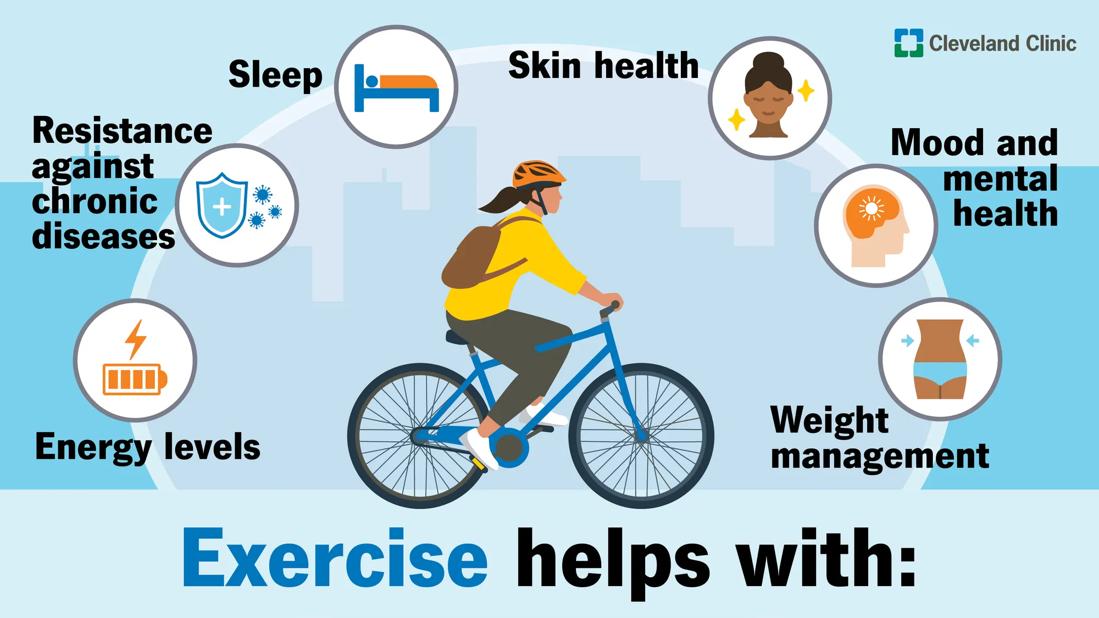
Credit: health.clevelandclinic.org
Role Of Mindset In Consistency
Consistency in fitness is often less about the exercises or diet plans and more about the mindset you bring to the table every day. Your mental approach shapes how you respond to challenges, setbacks, and plateaus. Without the right mindset, even the best plans can fall apart, leaving you frustrated and ready to quit.
Building Mental Resilience
Mental resilience is your ability to bounce back from difficulties and keep moving forward. When you face a tough workout or miss a session, resilience helps you avoid giving up entirely. Think about a time when you felt exhausted or unmotivated but pushed through anyway—what kept you going?
To build this resilience, try setting small, achievable goals that boost your confidence. Celebrate each win, no matter how minor, and remind yourself why you started. Over time, these moments strengthen your mental muscles, making consistency easier to maintain.
Adopting A Growth Mindset
A growth mindset means seeing your fitness journey as a learning process, not a test you must pass perfectly. Instead of thinking, “I failed today,” ask yourself, “What can I learn from today’s experience?” This shift changes how you handle setbacks and keeps you engaged.
You can start by focusing on progress rather than perfection. Notice how your strength improves or how your endurance lasts longer, even if the scale doesn’t move. This perspective encourages you to keep trying and adapting, which is essential for long-term consistency.
Strategies To Overcome Mental Barriers
Overcoming mental barriers is essential for sticking to fitness goals. These barriers often include doubt, fear, and low motivation. Using effective strategies can help break these walls. This section explores practical ways to build a strong mindset and keep moving forward.
Positive Affirmations And Visualization
Positive affirmations boost confidence and reduce negative thoughts. Repeating simple, encouraging statements daily rewires the brain. Visualization helps by creating clear mental images of success. Imagine yourself achieving goals. Picture the steps and feelings involved. This mental rehearsal makes the goals feel real and reachable.
Creating Supportive Environments
Surrounding yourself with support is vital. Friends, family, or workout groups provide motivation. Remove distractions and temptations that lead to quitting. Organize your space to encourage healthy habits. A clean, dedicated workout area inspires action. Supportive environments make it easier to stay focused and consistent.
Tracking Progress And Celebrating Wins
Tracking progress shows how far you have come. Use simple tools like journals or apps to record workouts and achievements. Celebrate small wins to stay motivated. Recognize effort, not just results. This builds positive feelings and encourages continued effort. Progress tracking keeps the journey visible and rewarding.

Credit: www.independent.co.uk
Frequently Asked Questions
Why Do People Lose Motivation For Fitness Goals?
People lose motivation due to unrealistic expectations, slow progress, and lack of immediate results. Mental fatigue and stress also cause a decline in commitment. Setting clear, achievable goals and tracking small wins helps maintain motivation over time.
How Does Stress Impact Fitness Goal Persistence?
Stress affects focus and energy levels, making workouts feel overwhelming. It triggers emotional eating and disrupts sleep, reducing fitness progress. Managing stress through relaxation techniques and balanced routines supports mental resilience and helps sustain fitness efforts.
Can Mental Barriers Cause Fitness Goal Failure?
Yes, mental barriers like fear of failure, self-doubt, and negative self-talk hinder progress. These barriers reduce confidence and increase procrastination. Overcoming them with positive affirmations and support networks improves persistence and success in fitness journeys.
Why Is Consistency Hard In Fitness Routines?
Consistency is challenging due to fluctuating motivation, busy schedules, and lack of visible results. Mental fatigue and boredom also play roles. Creating enjoyable routines and prioritizing small, daily habits fosters long-term consistency in fitness goals.
Conclusion
Mental struggles often stop people from reaching fitness goals. Stress and low motivation drain energy fast. Negative thoughts create doubts that block progress. Setting clear, small steps helps keep focus. Support from friends or groups makes a difference. Patience and kindness toward yourself matter most.
Remember, fitness is a journey, not a race. Keep trying, even when it feels hard. Small wins build strong habits over time. Stay positive, and your goals will come closer.







