
Have you ever noticed how a simple workout can lift your mood and make you feel better instantly? That rush of happiness you get after exercising isn’t just in your head—it’s your body’s natural response to moving and breaking a sweat.
If you’ve ever wondered why exercise boosts your mood and leaves you feeling energized, you’re about to discover the science behind it. Keep reading to learn how your workouts can be the secret to a happier, healthier you.
Mood Boosting Chemicals
When you finish a workout and feel that rush of happiness, it’s not just in your head. Your body releases special mood-boosting chemicals that work like natural pick-me-ups. These chemicals help reduce stress, improve your outlook, and give you a sense of well-being.
Endorphins And Their Effects
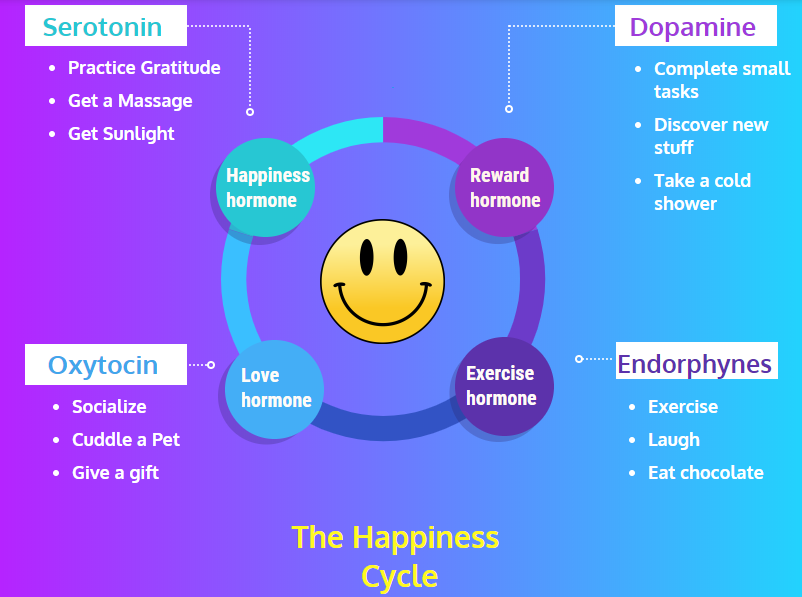
Endorphins are often called the body’s natural painkillers. During exercise, your brain releases these chemicals to help ease discomfort and stress.
You might have heard of the “runner’s high,” which is actually the effect of endorphins flooding your system. They create feelings of euphoria and can make you feel calmer and less anxious.
Have you noticed how a tough workout sometimes leaves you feeling energized and happy, rather than tired? That’s endorphins at work, helping you push through and rewarding you afterward.
Role Of Serotonin And Dopamine
Serotonin and dopamine are two more key players in boosting your mood after exercise.
Serotonin helps regulate your mood, appetite, and sleep. Higher serotonin levels often mean better mood and less stress.
Dopamine is linked to reward and motivation. It reinforces positive feelings, making you more likely to stick with your workout routine.
When you finish a session and feel proud or accomplished, that’s dopamine rewarding your effort.
Impact Of Exercise On Brain Chemistry
Exercise changes your brain chemistry in ways that support long-term mental health.
Regular workouts increase the production of these mood-enhancing chemicals over time, improving how your brain functions.
This means you not only feel better after one workout but also build resilience against stress and depression.
Can you think of a time when a workout lifted your spirits even on a tough day? That moment is your brain’s chemistry shifting in a positive way.

Credit: www.self.com
Stress Reduction Benefits
Exercise is more than just a way to stay fit; it plays a significant role in reducing stress. After a workout, many people report feeling a sense of relief and calm. But what is it about exercise that helps to melt away stress and leave us feeling happier?
Lowering Cortisol Levels
When you exercise, your body reduces the amount of cortisol, often known as the stress hormone. High levels of cortisol can lead to feelings of anxiety and tension. By lowering these levels, exercise helps your body return to a more balanced state.
Think about the last time you went for a run or a long walk. Did you notice a change in your mood afterward? That’s the effect of reduced cortisol at work, helping you feel more relaxed and at ease.
Exercise As A Natural Stress Reliever
Exercise acts as a natural outlet for stress. When you’re physically active, your brain releases endorphins, which are chemicals that trigger a positive feeling in the body. This is often referred to as the “runner’s high.”
Have you ever tried yoga or a dance class? These activities not only engage your body but also help shift your focus away from stressors. This distraction, combined with endorphin release, can significantly lighten your mental load.
Improved Sleep Quality
Good sleep is crucial for managing stress, and regular exercise is known to improve sleep quality. Engaging in physical activities helps regulate your body’s internal clock, making it easier for you to fall asleep and stay asleep.
Consider how you feel after a day filled with physical activity. Do you find it easier to drift into a deep, restful sleep? This restorative rest is key in helping you manage stress more effectively the next day.
So, next time you’re feeling overwhelmed, consider heading out for a workout. Not only will you be doing your body a favor, but your mind will thank you too.
Physical Health And Happiness
Physical health plays a crucial role in how happy you feel after a workout. Improving your body’s functions doesn’t just make you stronger—it also boosts your mood and mental well-being. When your body works better, your mind tends to follow, creating a positive cycle that encourages you to stay active and feel good.
Increased Energy And Vitality
Exercise helps your body produce more energy by improving how efficiently your muscles and organs work. You might notice you feel less tired during the day and more ready to take on challenges. Have you ever felt a burst of energy after a quick walk or a few minutes of stretching? That’s your body responding to increased blood flow and oxygen, which can lift your spirits instantly.
Better Cardiovascular Health
Regular workouts strengthen your heart and improve blood circulation. A stronger heart pumps blood more effectively, delivering oxygen and nutrients faster throughout your body. This can reduce feelings of sluggishness and promote a sense of well-being. When your heart is healthy, your body can handle stress better, making it easier for you to stay calm and focused.
Enhanced Immune Function
Exercise boosts your immune system by helping your body fight off illnesses more efficiently. This means fewer sick days and less time feeling unwell, which naturally contributes to a happier mood. Imagine how much better you feel when your body isn’t weighed down by a cold or flu—regular physical activity helps keep that feeling more consistent.

Credit: www.menshealth.com
Psychological Effects
Working out doesn’t just change your body; it reshapes your mind too. The psychological effects of exercise play a huge role in why people feel happier after a workout. Understanding these effects can help you get more from your fitness routine.
Boost In Self-esteem
Exercise improves how you see yourself. Completing a workout, no matter how small, proves to you that you can set and meet goals.
This boost in confidence often carries over into other parts of your life. You might find yourself speaking up more or tackling challenges with more courage.
Have you noticed a moment when a tough workout made you feel unstoppable? That feeling is your self-esteem growing stronger.
Sense Of Achievement
Finishing a workout gives you a clear win each day. This sense of achievement can be incredibly motivating.
It’s like checking off a box that says, “I took care of myself today.” This small victory can brighten your mood and help you stay consistent.
Try setting simple goals, like increasing your reps or running a little farther. Every achievement, big or small, adds up.
Mindfulness And Mental Clarity
Exercise forces you to focus on your body and breath. This focus brings a type of mindfulness that clears mental clutter.
You might notice a clearer head and better problem-solving after a session. The rhythm of movement helps your mind settle, reducing stress.
Next time you work out, pay attention to how your thoughts shift. Could this be the mental break you’ve been needing?
Social Connections
Social connections play a powerful role in why people feel happier after workouts. Exercising with others creates bonds that boost your mood and help you stick with your fitness goals. When you connect with people who share your interests, workouts become more enjoyable and fulfilling.
Group Workouts And Community
Joining group workouts turns exercise into a shared experience. Whether it’s a yoga class or a running club, being part of a community gives you a sense of belonging. This feeling helps reduce stress and makes the workout feel less like a chore.
Think about the last time you worked out with friends or teammates. Didn’t the energy and laughter make the session fly by? That positive vibe often encourages you to come back and keep improving.
Motivation Through Social Support
Having a support system during workouts can change everything. When others cheer you on or notice your progress, it pushes you to try harder. This motivation is especially helpful on days when you don’t feel like exercising.
You might find that knowing someone else is counting on you to show up keeps you consistent. Social support also provides accountability, which is a key ingredient in building lasting habits.
Sharing Progress And Encouragement
Sharing your fitness milestones with others adds a layer of satisfaction to your journey. Celebrating small wins together creates positive feedback loops that boost your confidence. Encouragement from peers can make tough workouts feel more manageable.
Try sharing your progress in a workout group or social media fitness community. The praise and advice you get can inspire you to push through plateaus and set new goals. How often do you pause to recognize your own achievements with others?
Credit: medium.com
Long-term Emotional Benefits
Exercise does more than boost energy or improve fitness. It also supports long-term emotional health. Regular workouts can shape your brain and mood positively over time. The benefits extend far beyond the gym session itself.
Reduced Anxiety And Depression
Physical activity lowers stress hormones like cortisol. It also increases endorphins, natural mood lifters. This combination helps reduce feelings of anxiety and depression. People who exercise regularly often report fewer symptoms of both. This effect strengthens with consistent workout habits.
Sustained Positive Mood
Exercise encourages the release of serotonin and dopamine. These brain chemicals improve mood and create a sense of well-being. Over time, this leads to a more positive, stable mood throughout the day. This uplift lasts longer than the exercise session itself.
Building Resilience Over Time
Facing physical challenges during workouts builds mental strength. Regular exercise teaches coping skills and patience. This strengthens your ability to handle stress and setbacks in life. Over time, resilience grows, helping you stay emotionally balanced.
Frequently Asked Questions
Why Do Workouts Improve Mood Instantly?
Workouts release endorphins, natural chemicals that boost happiness. They reduce stress hormones, easing anxiety and improving overall mood quickly after exercise.
How Does Exercise Reduce Stress And Anxiety?
Exercise lowers cortisol levels, a stress hormone. It also increases serotonin, which helps regulate mood and promotes relaxation, reducing anxiety effectively.
Can Regular Workouts Prevent Depression?
Yes, regular workouts enhance brain chemistry, increasing neurotransmitters like dopamine. This helps reduce symptoms of depression and supports long-term mental health.
What Role Do Endorphins Play In Happiness?
Endorphins act as natural painkillers and mood elevators. They create feelings of euphoria, reduce pain perception, and contribute to post-workout happiness.
Conclusion
Exercise boosts mood and helps reduce daily stress. It releases chemicals that make you feel good. Your body feels stronger and more energized after workouts. Regular exercise improves sleep and sharpens your mind. Small efforts add up to big happiness gains.
Staying active can brighten your day and lift your spirits. Keep moving to enjoy these natural mood benefits every day. Feeling happier after exercise is simple and real.







