
You want to see changes in your body and feel stronger, faster. But sometimes, results don’t come as quickly as you hope.
That can be frustrating. The secret many miss is simple: patience. Yes, patience is the key that unlocks real progress in your fitness journey. If you learn to trust the process and stay consistent, your body will respond in ways you never thought possible.
Keep reading, and you’ll discover why patience matters more than quick fixes—and how it can help you reach your goals faster than you imagine.
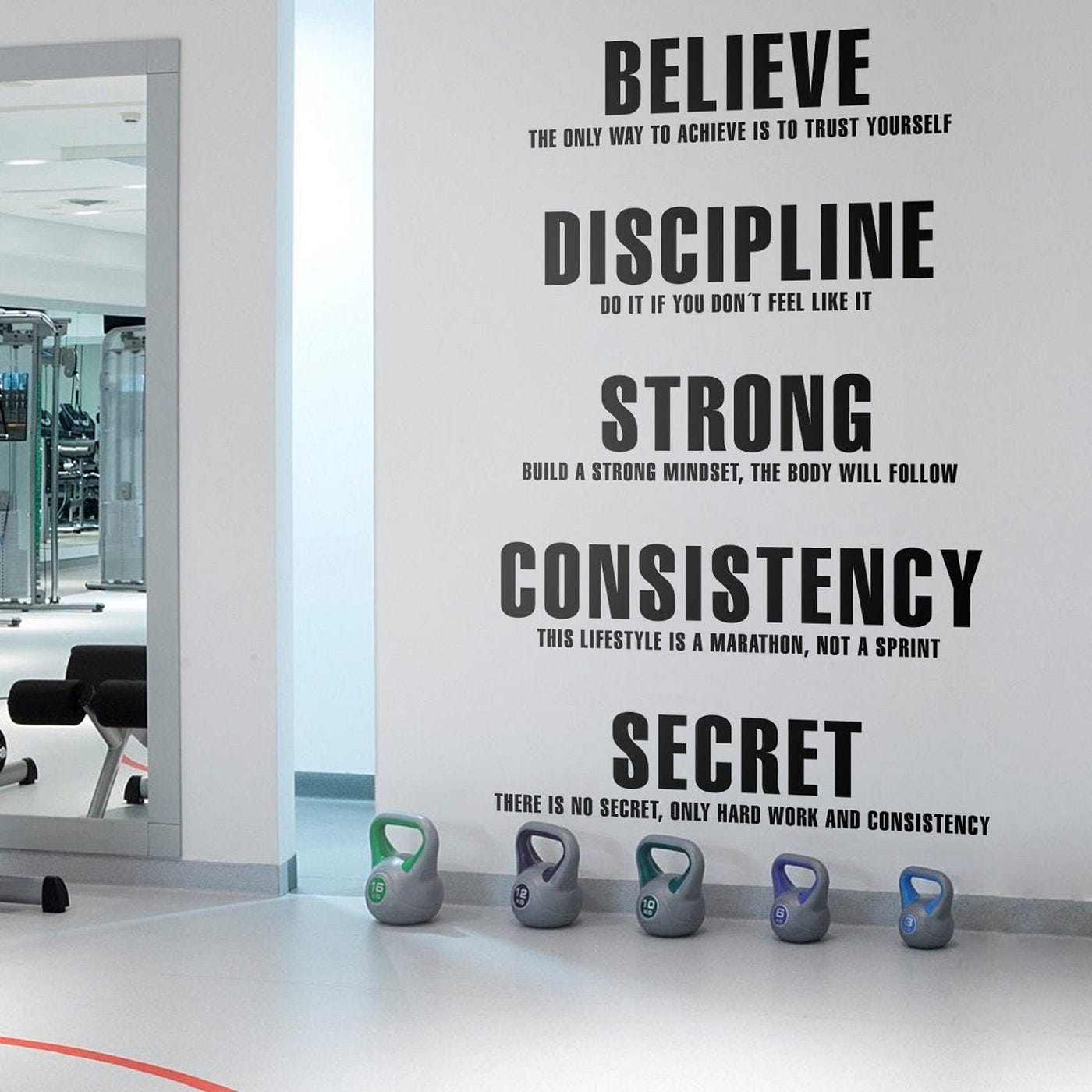
Credit: medium.com
The Role Of Patience In Fitness
Patience is a crucial element in any fitness journey. It helps maintain focus and keeps motivation steady. Without patience, quick frustration can lead to giving up. Progress in fitness takes time, and understanding this builds resilience. Patience allows the body and mind to adapt gradually. This steady approach prevents burnout and injuries. It also encourages a healthy relationship with exercise and nutrition.
How Patience Shapes Progress
Fitness improvements happen slowly but surely. Muscles need time to grow and strengthen. Weight loss requires consistent effort over weeks or months. Patience helps celebrate small victories along the way. These small wins add up to big changes. It stops the urge for rapid results that often cause setbacks. Staying patient keeps you on track for lasting success.
Avoiding Common Pitfalls
Impatience often leads to rushing workouts or dieting too hard. This can cause injuries or extreme fatigue. It may also result in losing motivation quickly. People might try shortcuts that harm their health. Patience helps avoid these mistakes. It encourages steady progress and listening to the body’s signals. This approach reduces the risk of giving up early.
Mental Benefits Of Patience
Patience plays a vital role in improving mental health during a fitness journey. It helps create a calm mindset, making challenges easier to face. Patience allows you to accept progress at your own pace, reducing negative feelings. This mental strength supports long-term success and enjoyment in fitness.
Reducing Stress And Frustration
Patience lowers stress by easing pressure to see quick results. It stops frustration from building up when progress seems slow. This calm attitude helps you focus on small wins instead of setbacks. Over time, patience creates a peaceful mind, making workouts more enjoyable.
Building Consistent Motivation
Patience helps maintain steady motivation without sudden drops. It teaches you to value effort, not just outcomes. This steady mindset encourages regular exercise and healthy habits. With patience, motivation grows naturally, supporting lasting fitness success.
Physical Impact Of Patience
Patience has a profound physical impact on your fitness journey. It shapes how your body heals, grows, and adapts to new challenges. Without patience, you risk pushing too hard and undoing your progress.
Allowing Proper Recovery
Your muscles don’t grow stronger during workouts—they rebuild and strengthen during rest. If you rush the process and skip recovery days, your body can’t repair the tiny tears caused by exercise. This slows down your progress and can leave you feeling constantly tired.
Think about the last time you ignored soreness and worked out anyway. Did your performance improve, or did you feel more worn out? Giving your body time to recover ensures your next workout will be more effective and less painful.
Preventing Injuries
Impatience often leads to pushing beyond your limits. This increases the risk of strains, sprains, and more serious injuries. Injuries can set you back weeks or even months, disrupting your fitness routine and motivation.
Listening to your body and respecting its signals can save you from these setbacks. For example, if you feel sharp pain or extreme fatigue, it’s a sign to slow down. Staying patient helps you build strength steadily without risking harm.

Credit: saffron4health.com
Setting Realistic Fitness Goals
Patience helps you stay steady and avoid frustration during your fitness journey. Setting small, clear goals makes progress feel real and keeps motivation strong. Fitness takes time, so trusting the process leads to lasting success.
Setting realistic fitness goals is crucial for a successful fitness journey. It helps maintain motivation and track progress effectively. Many people set goals that are too ambitious and feel discouraged when they don’t see immediate results. By setting achievable targets, you create a sustainable path to fitness success. This approach encourages patience, which is essential for long-term health benefits.Short-term Vs Long-term Targets
Short-term targets are milestones you can reach in weeks or months. They keep you motivated and focused. Examples include losing a few pounds or increasing workout frequency. Long-term targets are broader and take more time. These might involve significant weight loss or running a marathon. Both types of goals are important. They provide direction and purpose to your fitness journey.Tracking Small Wins
Celebrating small wins boosts confidence and morale. It’s important to track these victories. Keep a journal or use a fitness app. Record improvements like lifting heavier weights or running longer distances. These small successes add up over time. They remind you of your progress and keep you motivated. Remember, patience is key in achieving your fitness goals.Strategies To Cultivate Patience
Building patience during your fitness journey can feel challenging, especially when results don’t appear overnight. Yet, patience is a muscle you can strengthen with practice. The right strategies help you stay calm, focused, and motivated even when progress seems slow.
Mindfulness And Meditation
Mindfulness helps you stay present and fully experience each workout or healthy meal choice. Instead of rushing through exercises, focus on your breathing, movements, and how your body feels. This awareness reduces frustration and keeps you grounded.
Meditation trains your mind to accept discomfort without reacting impulsively. Just a few minutes daily can improve your emotional control and patience. Have you tried sitting quietly and observing your thoughts during tough fitness days? It might surprise you how much calmer you feel afterward.
Celebrating Progress, Not Perfection
It’s easy to get stuck on what’s missing rather than what you’ve achieved. Try tracking small wins, like an extra push-up or a healthy snack choice, instead of waiting for major milestones. These moments build confidence and encourage you to keep going.
Shift your focus from perfection to progress by asking yourself: “What did I do better today than yesterday?” This question shifts your mindset from frustration to gratitude. Recognizing your efforts daily makes patience more natural and your fitness journey more enjoyable.

Credit: www.youtube.com
Success Stories Fueled By Patience
Success stories in fitness don’t happen overnight. They often come from consistent effort and, most importantly, patience. Understanding how patience plays a crucial role can reshape your approach and keep you motivated even when progress seems slow.
Athletes’ Journeys
Top athletes rarely reach their peak in a few months. Many spend years honing their skills, recovering from setbacks, and building strength gradually. Take the example of marathon runners who often train for months or years before hitting personal bests.
Consider a sprinter who improved their time by just fractions of a second over several seasons. That small gain was the result of patient training and adjustments in technique. This shows that steady progress, not quick fixes, leads to lasting success.
How can you apply this to your own fitness goals? Focus on small, consistent improvements rather than expecting immediate transformation.
Everyday Fitness Enthusiasts
Not all success stories come from elite athletes. Many everyday fitness enthusiasts have reached impressive milestones through patience and persistence. For example, someone recovering from injury might start with light exercises and gradually increase intensity over months.
One person shared how they lost 50 pounds by focusing on daily habits, like walking and balanced eating, without rushing the process. Their success wasn’t about drastic changes but about sticking to manageable goals over time.
Ask yourself: Are you giving your body enough time to adapt and improve? Patience in your routine could be the difference between giving up and celebrating progress.
Frequently Asked Questions
Why Is Patience Important In A Fitness Journey?
Patience helps you stay consistent and avoid burnout. Fitness progress takes time, and rushing can cause injuries or frustration. Being patient allows your body to adapt and improves long-term results.
How Long Does It Take To See Fitness Results?
Results vary, but noticeable changes often take 4 to 8 weeks. Consistency in exercise and nutrition is key. Patience ensures you maintain healthy habits for sustainable progress.
Can Impatience Affect Fitness Motivation?
Yes, impatience can lead to discouragement and quitting. It may cause unrealistic expectations and frustration. Patience fosters a positive mindset, keeping motivation high throughout your fitness journey.
How Does Patience Improve Workout Performance?
Patience allows gradual progression, reducing injury risk. It helps you build strength and endurance steadily. This approach leads to better technique and sustained improvement over time.
Conclusion
Patience helps you stay steady and focused on fitness goals. Results take time and consistent effort. Small steps build lasting habits and strength. Avoid rushing; progress often feels slow but sure. Trust the process and keep moving forward. Every workout adds value, even if changes seem small.
Stay calm and enjoy the journey, not just results. Patience turns challenges into growth and success. Keep believing in yourself and your progress will show.







