
Have you ever noticed how your favorite song can push you to run that extra mile or lift heavier weights? Music isn’t just background noise during your workout—it’s a powerful tool that can change the way your mind and body perform.
When you listen to the right tunes, your motivation spikes, your focus sharpens, and even fatigue feels less intense. Imagine turning your next workout into a session where your mind works with your body, fueled by the perfect soundtrack. Curious to know how music works its magic on your workout psychology?
Keep reading, and you’ll discover the secrets to unlocking your full fitness potential.
Music And Motivation
Music can transform your workout from a chore into an experience you look forward to. It taps directly into your motivation, pushing you to keep moving even when your energy dips. Understanding how music influences your mind during exercise can help you choose the right soundtrack to power through your toughest sessions.
How Music Influences Emotions
Music triggers emotional responses that can uplift your mood instantly. When you hear an energetic beat or a favorite tune, your brain releases dopamine, the “feel-good” chemical. This emotional boost can reduce feelings of fatigue and make exercise feel less like a struggle.
Think about a time you felt tired but put on a high-energy playlist and suddenly found the will to keep going. That’s your emotions being influenced by music. Choosing songs that resonate with you emotionally can turn your workout into a more enjoyable and motivating experience.
Rhythm And Workout Intensity
Your body naturally wants to move in sync with a beat. A steady, fast rhythm helps you maintain a consistent pace, whether you’re running, cycling, or lifting weights. This synchronization can improve your workout intensity without you even realizing it.
Try matching your steps or reps to the tempo of your music. You might find yourself pushing harder and lasting longer simply because your body is keeping up with the rhythm. Ever noticed how a slower song can make your workout drag? That’s the rhythm affecting your energy output.
Lyrics Impact On Mental Focus
Lyrics can either sharpen your focus or distract you, depending on their content. Motivational or empowering words can help you stay mentally engaged and push through discomfort. Songs with inspiring messages often act as mental cues that remind you why you’re working hard.
On the other hand, complex or negative lyrics might break your concentration and slow you down. Pay attention to how different lyrics affect your mental state during workouts. What type of words help you stay locked in and motivated?

Credit: www.independent.co.uk
Psychological Benefits During Exercise
Exercise can be tough, but music makes it easier. Music has a powerful impact on workout psychology. It lifts spirits and keeps you focused. Let’s explore the psychological benefits during exercise.
Reducing Perceived Effort
Music can make workouts feel less tiring. The rhythm distracts you from physical strain. Upbeat tunes make you move faster without realizing. It tricks your brain into thinking the effort is less. This helps you push through challenging routines.
Enhancing Mood And Energy
Music boosts mood and energy levels. It releases dopamine, the feel-good hormone. This makes you feel happy and energized. Fast-paced songs make you want to move more. This keeps your spirits high during exercise.
Blocking Out Distractions
Music helps block out unwanted noise. It creates a personal bubble of sound. This keeps you focused on your workout. You stay in the zone, ignoring distractions. This leads to a more effective exercise session.
Music Types That Maximize Performance
Choosing the right type of music can change how you feel and perform during your workout. The sounds you pick aren’t just background noise—they actively shape your focus, motivation, and energy levels. Understanding which music types maximize your performance helps you tailor your playlist to push harder and stay committed.
Upbeat Vs. Calm Tracks
Upbeat tracks with fast rhythms can pump up your energy, making tough workouts feel easier. They increase adrenaline and help you maintain a faster pace. On the other hand, calm tracks are perfect for warm-ups, cool-downs, or yoga sessions, helping you stay focused and reduce stress.
Think about your last workout: did a high-energy song push you through the toughest set? Or did a mellow tune help you catch your breath? Matching your music’s mood to your workout phase can make a noticeable difference.
Genre Preferences And Effects
Your favorite music genre impacts your workout mindset. Rock or pop often energizes and motivates, while classical or ambient music may boost concentration and endurance. Don’t hesitate to experiment—some people find hip-hop’s strong beats perfect for strength training, while others prefer electronic music for cardio.
What genres make you feel unstoppable? Creating a playlist that reflects your personal tastes can increase your workout enjoyment and keep you coming back for more.
Tempo And Beat Matching
Matching your music’s tempo with your exercise rhythm improves coordination and efficiency. Running or cycling to a beat close to your step or pedal rate can help maintain consistent speed and reduce fatigue. Try tracks with 120 to 140 beats per minute for high-intensity workouts.
Have you noticed how syncing your movement to music makes exercise feel smoother? Using apps or playlists designed for tempo matching can give you that extra edge to push further.
Science Behind Music And Brain Activity
Music does more than just fill the silence during your workout—it actively changes how your brain works. Understanding the science behind music and brain activity can help you use music to enhance your exercise experience. Let’s dive into what happens inside your brain when music plays and why it makes your workouts feel better and last longer.
Dopamine Release And Reward Systems
Listening to music triggers the release of dopamine, a chemical that makes you feel pleasure and motivation. This reward system in your brain encourages you to keep going, especially when your workout gets tough.
Have you noticed how your favorite song can make you push harder? That’s dopamine at work, rewarding your brain and making the effort feel more worthwhile.
Synchronization Of Brain Waves
Music helps synchronize your brain waves, creating a rhythm that matches your movement. This synchronization boosts focus and can reduce feelings of fatigue during exercise.
Try paying attention to how your body moves with the beat. When your brain waves align with the music, your movements become smoother and more efficient.
Neural Mechanisms Boosting Endurance
Music activates neural pathways that increase your pain tolerance and endurance. It distracts your brain from discomfort, allowing you to exercise longer without feeling worn out.
Next time you feel like stopping early, put on a high-energy track. You might find yourself going further than you expected because your brain is less focused on pain and more on the rhythm.
Practical Tips For Using Music
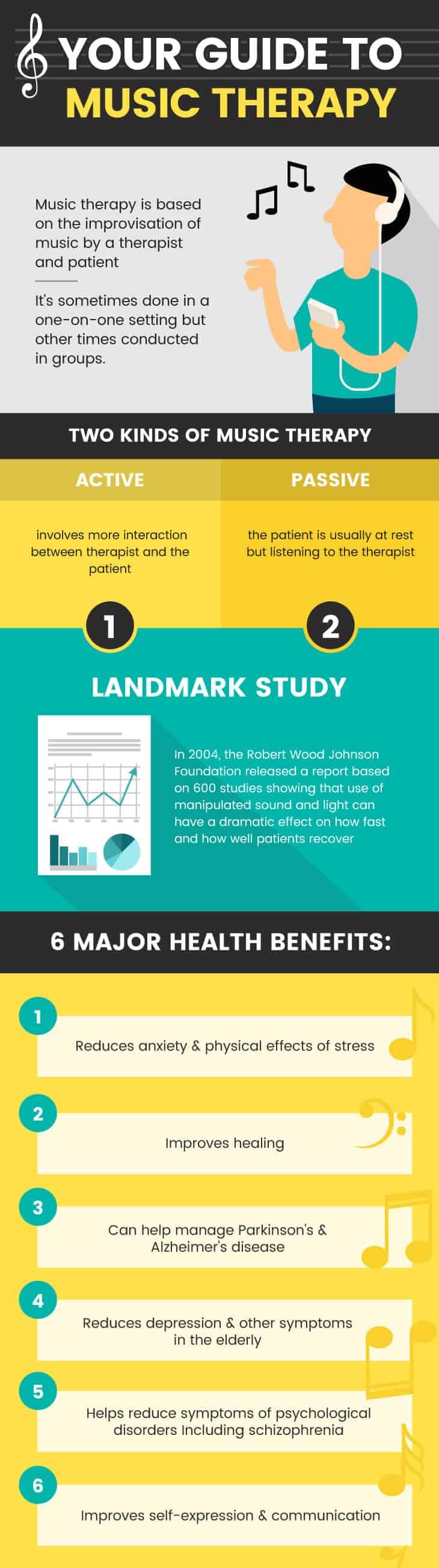
Music can change the way you feel during a workout. Using it smartly can push your limits and make exercise more enjoyable. Here are some practical tips to help you use music effectively in your training sessions.
Creating The Perfect Workout Playlist
Your playlist should match the energy you want for your workout. Start with upbeat songs that make you want to move. Include a mix of fast-paced tracks for intense moments and slower tunes for warm-ups or cool-downs.
Think about songs that motivate you personally. I once added a few nostalgic hits, and suddenly, my runs felt easier. Don’t be afraid to update your playlist regularly to keep it fresh and exciting.
Timing Music With Exercise Phases
Match your music’s tempo to different parts of your workout. Use slower, calming songs for warm-up and stretching. Then, switch to high-energy beats when you hit your peak performance phase.
Have you noticed how a fast song can help you sprint faster? Using music this way helps your mind stay connected to your body’s rhythm. It makes transitions between exercise phases smoother and more natural.
Using Music To Overcome Plateaus
When progress stalls, music can give you a mental edge. Try adding new genres or unfamiliar songs to spark fresh energy. Changing your music can break monotony and keep your motivation alive.
If you find yourself stuck, ask: What kind of music excites me right now? Sometimes, just a single powerful track can push you through tough sets. Use music as a tool to challenge your limits and keep moving forward.
Credit: draxe.com
Credit: www.si.com
Frequently Asked Questions
How Does Music Improve Workout Motivation?
Music increases workout motivation by boosting mood and energy levels. It triggers dopamine release, making exercise more enjoyable and less tiring. This effect helps people push harder and stay consistent with their fitness routines.
What Types Of Music Enhance Workout Performance?
Upbeat, fast-tempo music with strong beats enhances workout performance. Genres like pop, rock, and electronic dance music energize the body and improve focus. Choosing music that matches your workout intensity maximizes psychological benefits.
Can Music Reduce Workout Fatigue?
Yes, music reduces workout fatigue by distracting the mind from discomfort. It lowers perceived effort and pain, allowing longer and more effective exercise sessions. This psychological boost helps sustain endurance and improve overall performance.
Why Is Rhythm Important In Workout Music?
Rhythm synchronizes body movements with music, improving coordination and efficiency. It creates a natural pace that enhances stamina and timing. This synchronization helps maintain consistent effort and prevents premature fatigue during workouts.
Conclusion
Music helps you stay focused and feel motivated during workouts. It can reduce tiredness and make exercise feel easier. Listening to your favorite songs lifts your mood and keeps you moving. Rhythms match your pace and improve your performance naturally.
Choosing the right music creates a positive workout mindset. Small changes, like adding music, can improve your exercise habit. Try different tunes to find what works best for you. Music and exercise together make workouts more enjoyable and effective.







