
You’ve probably felt it before—the rush of motivation that pushes you to start a new workout or diet plan. But how often does that excitement fade, leaving you stuck or frustrated?
Motivation feels great, but it’s not enough to keep your fitness goals alive. If you’re tired of starting strong only to lose momentum, this article is for you. Discover why relying on motivation alone can hold you back and learn what truly drives lasting fitness success.
Keep reading to find out how to turn your efforts into real, lasting results.

Credit: sunnyhealthfitness.com
The Limits Of Motivation
Motivation often feels like the key to fitness success. It sparks the desire to start workouts and eat better. Yet, motivation alone rarely sustains long-term fitness habits. It has clear limits that many people overlook.
Understanding these limits helps create a more reliable fitness routine. Real progress needs more than just feeling motivated. It requires habits, planning, and discipline.
Why Motivation Fades
Motivation is powerful but short-lived. It can change daily based on mood, energy, or stress. This makes it unreliable for consistent fitness.
- Excitement wears off after the first few sessions.
- Life’s challenges distract and lower motivation.
- Results may take weeks, reducing initial drive.
- Motivation depends on feelings, which are unstable.
Relying only on motivation sets you up for failure. Fitness needs steady effort even when motivation dips.
Common Misconceptions
Many believe motivation alone leads to fitness success. This idea causes frustration when progress stalls.
- Motivation equals instant and easy change—false.
- Strong willpower can replace good habits—wrong.
- Only motivation matters, not planning or routine.
- Feeling motivated every day is normal—rarely true.
Recognizing these myths helps build a better approach. Consistency and structure matter more than bursts of motivation.
The Role Of Discipline
Discipline builds habits that keep you consistent in fitness, even when motivation fades. It creates routine and focus, helping you reach goals steadily. Motivation sparks action, but discipline sustains progress over time.
The Role of Discipline Motivation might spark the start of a fitness journey. But it often fades. Discipline steps in to keep progress steady. It’s the driving force behind daily actions. With discipline, fitness becomes a part of life. It ensures goals are met even on tough days.Building Consistent Habits
Discipline helps form good habits. Regular exercise becomes routine with discipline. It creates a schedule that fits your lifestyle. Small actions repeated daily lead to big results. Discipline helps you stick to your plan over time. It turns new routines into lasting habits.Discipline Vs. Motivation
Motivation can be unpredictable. It comes and goes. Discipline is reliable and steady. It doesn’t depend on feelings or moods. Discipline keeps you on track no matter what. It provides structure and consistency. Motivation might start a workout; discipline finishes it.Creating A Sustainable Fitness Plan
Creating a sustainable fitness plan is key for lasting results. Motivation fades quickly, but a well-planned approach keeps you on track. It builds habits that fit your life and goals. Consistency wins over short bursts of effort. A plan that adapts to changes helps maintain progress without stress.
Setting Realistic Goals
Set clear and achievable targets. Unrealistic goals lead to frustration and quitting. Break big goals into small steps. Celebrate progress along the way. Realistic goals keep you motivated and focused. They make the journey manageable and rewarding.
Incorporating Flexibility
Life changes, so should your fitness plan. Allow room for rest and unexpected events. Adjust workouts without guilt or pressure. Flexibility prevents burnout and injury. It helps maintain a positive mindset. A flexible plan fits your schedule and energy levels better.
Credit: medium.com
The Impact Of Mindset
Motivation can spark your fitness journey, but mindset shapes how far you go. Your mental approach influences how you handle setbacks, stay consistent, and push through challenges. Understanding the impact of mindset can help you build a stronger, lasting fitness routine.
Growth Vs. Fixed Mindset
Your mindset can be a game-changer in fitness. A fixed mindset tells you that your abilities are set in stone, so if you struggle with a workout, you might give up quickly. On the other hand, a growth mindset believes that effort and practice improve your skills and strength over time.
Think about the last time you faced a tough exercise or plateaued. Did you see it as a failure or a chance to learn? Shifting to a growth mindset means viewing challenges as opportunities to grow, not signs to quit.
Mental Resilience In Fitness
Building mental resilience helps you bounce back from missed workouts, slow progress, or unexpected obstacles. It’s the inner strength that keeps you moving forward when motivation fades.
Try asking yourself what small actions you can take today to stay on track, even if you don’t feel like it. Simple habits, like setting mini-goals or tracking progress, build resilience one step at a time.
Your mindset is the foundation of consistency. Are you ready to strengthen it as much as your body?
External Factors Influencing Success
Motivation is a powerful force to get you started on your fitness journey, but it’s only one piece of the puzzle. External factors play a crucial role in shaping your progress and how sustainable your efforts become. Understanding these outside influences can help you create an environment where motivation turns into consistent success.
Support Systems
Your social circle can make or break your fitness goals. Having friends, family, or workout partners who encourage you keeps your momentum going on tough days.
Think about a time when you felt too tired to exercise but a friend’s text pushed you to keep going. That kind of support builds accountability and makes the journey less lonely.
Without it, even the strongest motivation can fade quickly. You might find yourself skipping workouts or losing focus when no one is there to cheer you on or hold you accountable.
Environment And Resources
The space where you work out and the tools you have access to can impact your results significantly. If your environment is cluttered or lacks equipment, you might struggle to complete your routines effectively.
Consider how easy it is to head to a gym near your home versus having to drive far or face crowded spaces. Convenience often determines whether you stick to your plans.
Also, think about the availability of resources like online workout videos, nutrition advice, or professional guidance. These can make your efforts smarter and more effective.
Tracking Progress Beyond Motivation
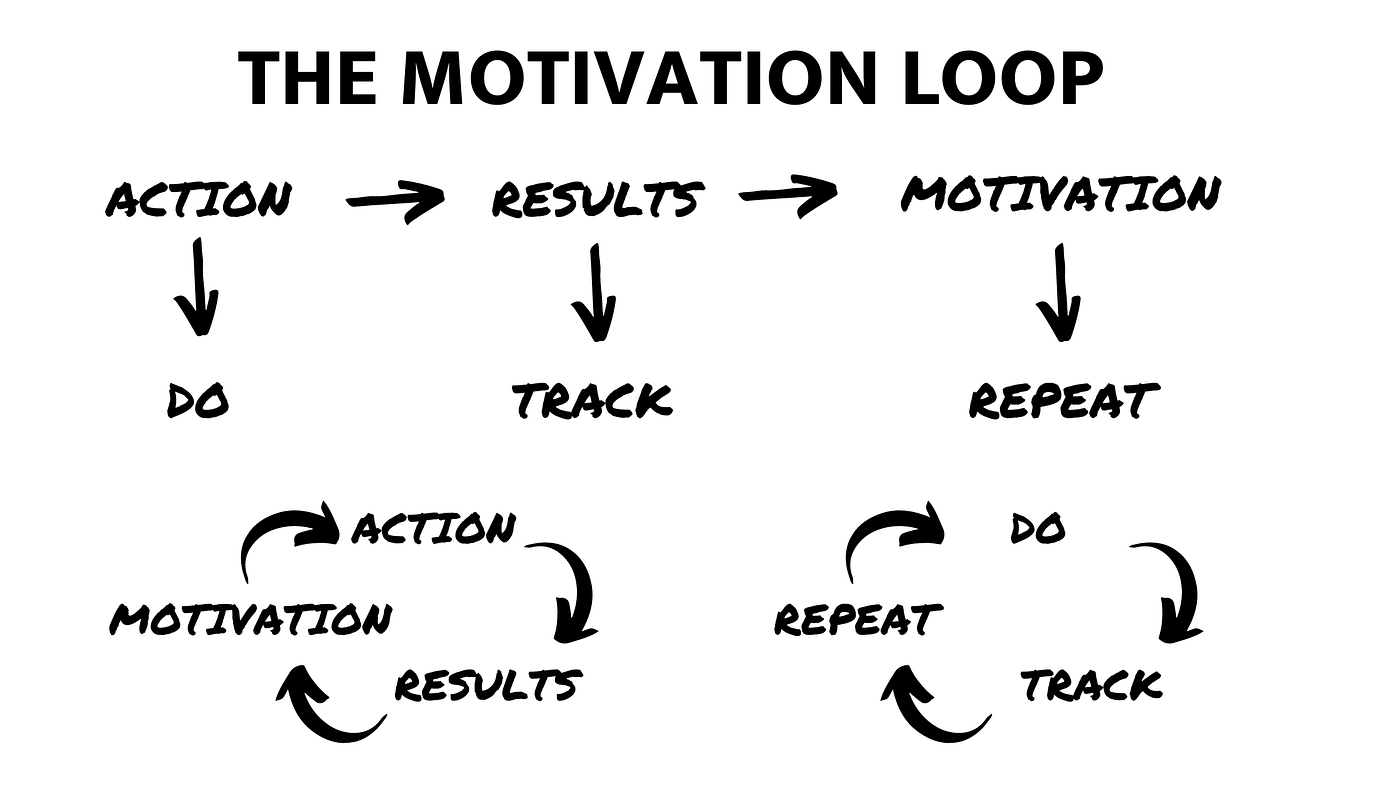
Tracking progress beyond motivation is key to long-term fitness success. Motivation can fade, but clear progress keeps you moving forward. Seeing real results builds confidence and commitment. It also helps spot what works and what needs change.
Measuring Small Wins
Small wins fuel your fitness journey. They show growth in strength, endurance, or habits. Tracking these wins helps you stay positive. Examples include:
- Adding a few more reps each week
- Increasing workout time gradually
- Eating healthier meals consistently
- Improving sleep quality
Celebrate these wins regularly. They remind you that every effort counts.
Adjusting Strategies
Progress tracking reveals when to adjust your plan. Not every approach fits all. Data helps you decide what to change. You can:
- Change workout types
- Modify exercise intensity
- Try new nutrition plans
- Focus on recovery techniques
Adjustments prevent plateaus and keep progress steady. They make your fitness journey smarter and more effective.
Long-term Fitness And Lifestyle Integration
Long-term fitness success depends on more than just motivation. Motivation can fade quickly. Sustainable fitness requires integrating exercise into daily life. This integration helps maintain progress and improves overall health. It turns fitness from a task into a natural part of your routine.
Making Fitness A Habit
Habits form the foundation of long-term fitness. Doing workouts regularly builds consistency. Small, repeated actions create lasting change. Setting a specific time for exercise helps develop a habit. Consistency beats intensity over time. A habit requires less willpower and feels automatic.
Start with simple goals. Focus on activities you enjoy. This makes sticking to fitness easier. Track progress to stay motivated. Celebrate small wins to reinforce habits. Over time, exercise becomes part of daily life.
Balancing Life And Workouts
Life is busy. Work, family, and other duties demand attention. Balancing these with workouts is key to fitness. Prioritize workouts like important appointments. Short, effective sessions work better than long, rare ones. Flexibility helps maintain fitness during busy times.
Use breaks and weekends for physical activity. Mix workout types to avoid boredom and injury. Rest and recovery are essential. Balance prevents burnout and keeps fitness enjoyable. Fitness fits best when it complements, not conflicts with life.
Credit: secret2anamazinglife.com
Frequently Asked Questions
Why Is Motivation Not Enough For Fitness Success?
Motivation alone fades over time and is often inconsistent. Consistency, discipline, and proper planning are essential to maintain fitness progress and long-term results.
What Other Factors Support Fitness Beyond Motivation?
Habits, goal setting, accountability, and proper nutrition are crucial. These elements create structure and ensure steady progress alongside motivation.
How Does Discipline Impact Fitness Outcomes?
Discipline helps you stick to workouts even when motivation is low. It builds consistency, which is key for sustained fitness improvements.
Can Goal Setting Improve Fitness Results?
Yes, clear and realistic goals guide your efforts. They provide focus, track progress, and boost commitment beyond just feeling motivated.
Conclusion
Motivation starts your fitness journey. Consistency keeps you moving forward. Setting clear goals helps track your progress. Building good habits beats short bursts of effort. Support from others makes challenges easier to face. Focus on small steps every day. Fitness is a long-term commitment, not a quick fix.
Combine motivation with planning and patience for real results. Remember, success comes from steady effort, not just feeling motivated. Keep going, even when motivation fades. Your body and mind will thank you.







