
You’ve tried diets, workout plans, and motivation boosts—but something still feels off. What if the secret to lasting fitness isn’t just about what you do, but who you believe you are?
Changing your identity—how you see yourself—can unlock a powerful shift that transforms your habits and results. Imagine waking up every day as the kind of person who naturally makes healthy choices. This isn’t just wishful thinking; it’s the key to real, lasting fitness.
Keep reading to discover why identity shift matters more than any workout routine or diet plan you’ve tried before.
Credit: shobanapowell.medium.com
The Power Of Identity In Fitness
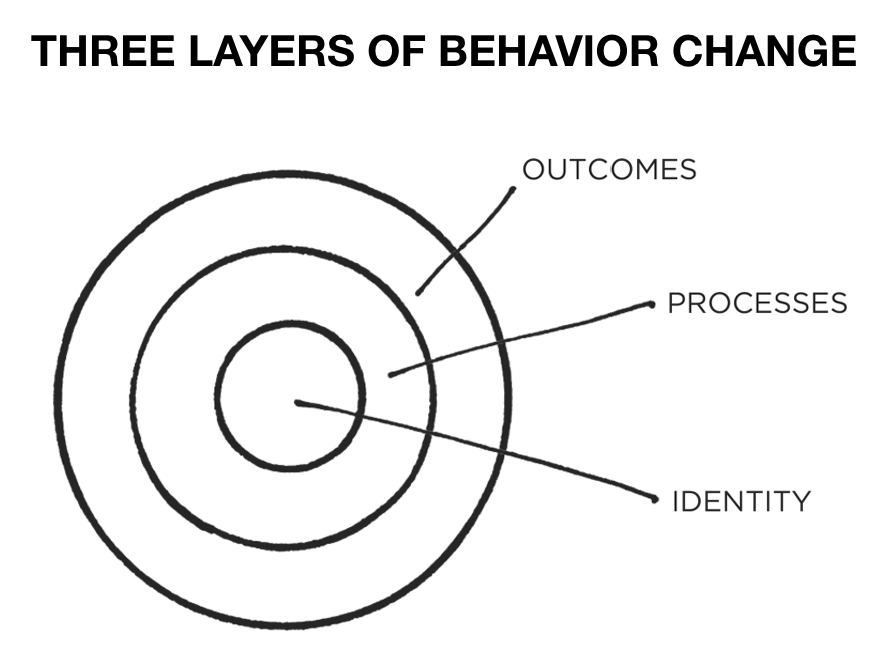
Identity plays a central role in fitness success. It is not just about actions or routines but who you see yourself as. Changing your identity can change your entire approach to health and exercise. This shift helps build lasting habits and stronger motivation. Understanding the power of identity clarifies why some people stick to fitness goals while others give up.
How Identity Shapes Behavior
Our behaviors follow from our beliefs about ourselves. If you think of yourself as someone who is active, you are more likely to choose exercise over skipping it. Identity acts like a filter for decisions. It guides daily choices without much thought. For example, a person who sees themselves as a runner will naturally make time for running. This mental shift makes healthy actions easier and more natural.
Link Between Self-image And Motivation
Self-image affects motivation deeply. When your identity matches your fitness goals, motivation stays strong. You feel driven to act because the goal fits your sense of who you are. If your self-image is unclear or negative, motivation fades quickly. Positive self-image builds confidence and reduces doubt. It encourages persistence even when progress slows or obstacles arise.
Credit: kartik-perisetla.medium.com
Common Barriers To Lasting Change
Achieving lasting change in fitness is often challenging, not because of a lack of effort, but due to the common barriers that many face. You might find yourself stuck in a cycle of starting and stopping, wondering why nothing seems to stick. Understanding these barriers can be the first step to overcoming them and embracing a new identity that aligns with your fitness goals.
Why Quick Fixes Fail
Quick fixes are tempting because they promise fast results with minimal effort. However, they often fail because they don’t address the root causes of your habits and behaviors. Diets that restrict you too much can lead to binge eating, while intense workout plans can result in burnout. It’s like trying to fix a leaky roof with a band-aid; it might work temporarily, but the underlying problem remains.
Reflect on the last quick fix you tried. Did it offer a sustainable solution, or were you back to square one after a few weeks? Instead of seeking instant results, focus on small, consistent changes that align with your long-term goals.
The Role Of Limiting Beliefs
Limiting beliefs are those nagging thoughts that tell you what you can’t do. They might whisper that you’re not athletic, or that you’ll never enjoy exercise. These beliefs are powerful, and they can keep you from reaching your potential. Consider a time when you believed you couldn’t achieve something, only to surprise yourself when you did. What changed? Often, it was your mindset.
Challenge these beliefs by questioning their validity. Are they based on past failures, or are they assumptions you’ve never tested? When you start questioning them, you open the door to new possibilities.
Have you ever thought about how your beliefs shape your actions? By shifting your identity and beliefs, you can create a fitness journey that feels authentic and achievable.
Shifting Identity For Sustainable Results
Shifting your identity is more than changing what you do; it’s about changing who you believe you are. This shift is crucial for fitness because it creates a foundation that supports lasting change. When you see yourself as a fit, active person, your actions naturally align with that identity, making healthy choices easier and more consistent.
Think about a time when you tried a new workout routine but gave up after a few weeks. Chances are, you still saw yourself as someone who doesn’t enjoy exercise or isn’t “that type” of person. Changing that mindset is key to sticking with fitness goals beyond short bursts of motivation.
Steps To Redefine Your Fitness Identity
- Identify your current self-image:Write down how you see yourself in terms of fitness. Are you someone who skips workouts or someone who prioritizes health?
- Decide who you want to become:Picture the person you want to be. What habits do they have? What kind of energy and mindset do they hold?
- Create small proof points:Start with tiny actions that reflect your new identity, like choosing stairs over the elevator or doing a five-minute stretch daily.
- Use affirmations and self-talk:Tell yourself, “I am becoming a person who values fitness” each morning. Your brain begins to accept this new identity with repetition.
- Surround yourself with support:Engage with people or groups who share your fitness values. Their mindset will influence and reinforce your new identity.
Building New Habits That Align With Your Identity
Habits are the daily building blocks of your identity. When your behaviors reflect the person you want to be, maintaining fitness becomes automatic rather than a struggle.
Start by linking new habits to your identity. If you see yourself as a healthy eater, replacing junk food with nutritious snacks feels natural. If you identify as an active person, scheduling workouts becomes part of your routine, not a chore.
- Choose habits that are easy to maintain. For example, a 10-minute walk after dinner is more sustainable than an hour at the gym every day.
- Track your progress to see evidence of your new identity in action. Seeing small wins boosts your confidence and commitment.
- Adjust habits gradually so they fit your lifestyle, avoiding burnout and frustration.
What daily action can you add that would make your fitness identity feel real? Start there and watch how your choices begin to reflect the person you want to become.
Mental Strategies For Identity Transformation
Changing your identity is not just about physical effort; it’s a mental journey. Mental strategies help you rewrite the story you tell yourself about who you are and what you’re capable of. These techniques build a strong foundation for lasting fitness by shifting your mindset to match your goals.
Visualization Techniques
Visualization is more than daydreaming. It’s a powerful tool where you picture yourself achieving your fitness goals in vivid detail. Imagine the energy you’ll feel after a workout, the confidence you’ll gain, and the strength you’ll build.
Try to visualize not just the results but the process—the sweat, the focus, the small wins. This mental rehearsal prepares your brain for success and makes your goals feel real and achievable. Have you ever noticed how athletes often “see” their victory before the race? You can do the same in your fitness journey.
Affirmations And Positive Self-talk
Your inner voice shapes your identity. Replace self-doubt with affirmations that reflect the person you want to become. Instead of saying, “I can’t do this,” say, “I am getting stronger every day.”
Consistent positive self-talk rewires your brain and boosts motivation. It helps you overcome setbacks and keeps you moving forward. What kind of story do you tell yourself when faced with a tough workout or a missed session? Change that narrative, and you change your identity.
Real-life Stories Of Identity Shifts
Real-life stories of identity shifts show how changing the way you see yourself can transform your fitness journey. These stories go beyond just physical changes—they reveal how adopting a new mindset and identity can sustain motivation and create lasting habits. Reading about others who have reshaped their identity helps you understand that fitness is not just about actions, but about becoming a different version of yourself.
Success Stories That Inspire
Take Sarah, who once saw herself as “not a sporty person.” She started small by walking daily and gradually identified as someone who enjoys movement. This shift helped her stick with exercise even when progress slowed.
Another example is David, who struggled with weight but decided to see himself as an athlete-in-progress rather than someone “trying to lose weight.” This identity change made him prioritize strength training and healthy eating as part of who he was, not just something he did occasionally.
These stories remind you that success comes from believing you are the kind of person who values health and fitness. What identity do you want to claim that supports your goals?
Lessons From Setbacks
Identity shifts don’t mean you’ll never face setbacks. Mia thought of herself as a “healthy eater,” but after a stressful month, she reverted to old habits. Instead of giving up, she adjusted her identity to “someone who learns from slip-ups.” This helped her bounce back stronger.
Setbacks often test your new identity. If you see yourself as a “fitness enthusiast,” missing a workout doesn’t mean failure—it becomes a chance to recommit. How you interpret setbacks can either pull you away from or push you toward your fitness goals.
Remember, the key is flexibility. Your identity can evolve with your experiences, and that flexibility keeps you moving forward even when things don’t go as planned.
Tools To Support Your Identity Shift
Shifting your identity toward a fitter, healthier version of yourself requires more than just willpower. You need tools that reinforce this new identity every day. These tools help you stay connected to your goals, celebrate small wins, and remind you who you are becoming.
Tracking Progress Beyond The Scale
Numbers on a scale don’t tell the whole story of your fitness journey. Tracking other progress, like how many push-ups you can do or how your clothes fit, gives a clearer picture. You might notice your energy levels rising or your mood improving—these wins are just as important.
Consider using apps or journals to record these changes. Write down your workouts, note improvements in strength, endurance, or flexibility. This kind of tracking keeps your focus on growth, not just weight.
Have you ever felt discouraged by a number on the scale? What if you shifted your attention to how you feel or what you can do now compared to a month ago?
Finding A Supportive Community
Fitness is easier when you’re not alone. Surrounding yourself with people who share your goals can boost motivation and keep you accountable. Whether it’s a local gym group, an online forum, or workout buddies, support makes a difference.
Communities offer encouragement on tough days and celebrate your achievements. They provide ideas for workouts, healthy recipes, and tips to overcome obstacles.
Ask yourself: Who in your life supports your fitness journey? How can you connect with others who inspire you to keep moving forward?

Credit: cal-axe.medium.com
Frequently Asked Questions
What Does Identity Shift Mean In Fitness?
Identity shift in fitness means changing how you see yourself. It involves adopting a mindset where being fit becomes part of your core identity. This shift helps create lasting habits and motivation for a healthier lifestyle.
Why Is Identity Shift Important For Fitness Success?
Identity shift is key for success because it builds internal motivation. When fitness is part of your identity, you naturally make healthier choices. This leads to consistent progress and long-term results.
How Can I Start An Identity Shift For Fitness?
Begin by visualizing yourself as a fit person. Set small, achievable goals aligned with this new identity. Reinforce this mindset daily through affirmations and actions that support your fitness goals.
Can Identity Shift Improve Workout Consistency?
Yes, identity shift improves consistency by changing your self-image. When you identify as a fit individual, workouts become a natural part of your routine. This mindset reduces resistance and increases commitment.
Conclusion
Changing how you see yourself helps build lasting fitness habits. It shapes your actions and keeps you motivated every day. Believing you are a fit person makes healthy choices easier. This shift creates real, lasting change in your life. Start small, think differently, and watch your fitness grow.
The key lies within your identity, not just your goals. Keep this mindset, and fitness becomes a natural part of you.







