
Have you ever wondered why some people seem mentally stronger, no matter what life throws at them? The answer often lies in how they handle pain.
Pain isn’t just something to avoid—it can actually help you grow stronger inside. When you learn to face pain instead of running from it, your mind builds resilience. This means you’ll handle stress better, bounce back faster, and feel more in control of your life.
Keep reading to discover how embracing pain can transform your mental strength and change the way you face challenges forever.
The Nature Of Pain
Pain is an unavoidable part of life, yet it often gets a bad reputation. Understanding the nature of pain can change how you respond to it. Instead of avoiding pain, you can learn to embrace it as a tool for building mental strength.
Physical Vs Mental Pain
Physical pain comes from your body, signaling injury or harm. It’s sharp, immediate, and usually has a clear cause.
Mental pain, however, is less visible but just as real. It includes stress, grief, anxiety, and disappointment. Unlike physical pain, mental pain can linger and affect your overall well-being.
Both types of pain challenge you, but mental pain often tests your resilience and mindset more deeply. Have you noticed how overcoming emotional struggles often changes you more than healing a physical wound?
Pain As A Signal
Pain serves as a crucial signal, alerting you to something that needs attention. Your body uses pain to protect you from further damage.
Similarly, mental pain signals that something in your life requires change or understanding. It pushes you to reflect on your choices, relationships, or goals.
- Ignoring pain can lead to bigger problems later.
- Facing pain head-on allows you to learn and grow.
- Pain encourages problem-solving and adaptability.
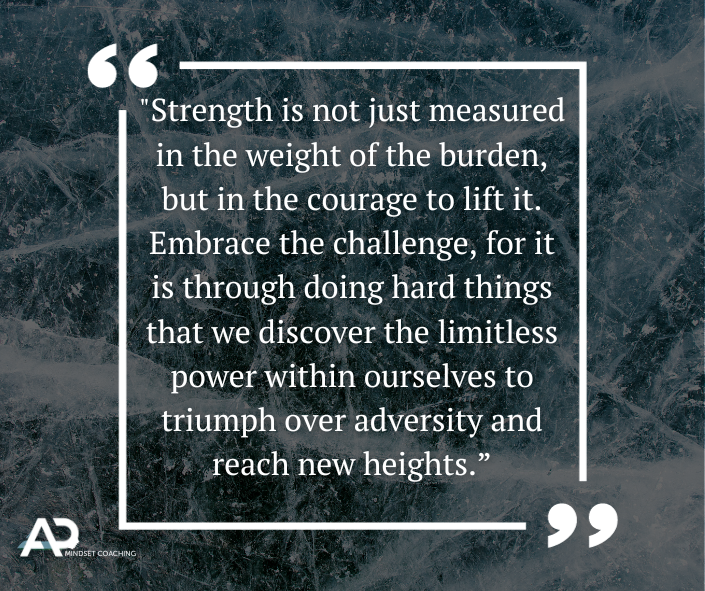
Next time you feel pain, ask yourself: what is this trying to teach me? Shifting your view of pain from enemy to messenger can empower your mental strength.
Credit: medium.com
Mental Strength And Resilience
Mental strength and resilience are essential qualities that help you navigate life’s challenges with grace and determination. Embracing pain and adversity can be a powerful catalyst for building these traits. By facing difficulties head-on, you cultivate a mental toughness that empowers you to overcome obstacles and thrive in various aspects of life.
Defining True Resilience
True resilience is not about avoiding failure or adversity. It’s about how you respond when things don’t go as planned. When faced with setbacks, do you crumble or adapt?
Resilient individuals view challenges as opportunities for growth. They understand that failure is a part of the learning process. Each setback provides valuable lessons that fuel personal and professional development.
Traits Of Mentally Strong Individuals
Mentally strong individuals possess certain traits that set them apart. They maintain a positive outlook even in tough situations. This optimism fuels their perseverance.
They also practice self-discipline, enabling them to stay focused and committed to their goals despite distractions or temptations. Emotional regulation is another key trait, allowing them to manage their emotions effectively and make rational decisions.
Consider your own life. How do you handle adversity? Cultivating mental strength might involve small changes in mindset and daily habits. Start by embracing challenges as opportunities to grow, and notice how your resilience begins to build.
How Pain Builds Mental Strength
Pain is often seen as something negative. Yet, it plays a crucial role in building mental strength. Facing pain helps the mind adapt and grow stronger. It teaches resilience and sharpens emotional skills. Understanding how pain contributes to mental toughness can change the way you handle challenges.
Pain Encourages Growth
Pain pushes you out of comfort zones. It forces the brain to find new ways to cope. This process helps build mental muscles. Each painful experience offers a chance to learn. Growth happens by overcoming difficult moments.
Developing Emotional Toughness
Emotional toughness is the ability to stay calm under stress. Pain helps develop this skill by testing your limits. Enduring hardship strengthens control over emotions. This makes it easier to face future struggles. You become less likely to be overwhelmed.
Learning From Adversity
Adversity teaches valuable lessons through pain. It reveals your strengths and weaknesses. Learning from tough times improves decision-making. You gain insight into handling similar situations better. Pain turns into a tool for smarter living.
Techniques To Embrace Pain
Embracing pain is a vital step toward building mental strength. It requires specific techniques to face discomfort without fear. These techniques help transform pain into a tool for growth and resilience. Below are effective ways to embrace pain and use it to enhance mental toughness.
Mindfulness And Acceptance
Mindfulness teaches you to observe pain without judgment. Notice the feelings as they come and go. Accept pain as part of life, not as something to avoid. This reduces resistance and helps calm the mind. Acceptance does not mean liking pain but recognizing it honestly.
Reframing Negative Experiences
Change how you think about pain by finding new meaning in it. See pain as a lesson or chance to improve. This shift in perspective lessens fear and stress. It creates space to focus on what you can control. Reframing helps turn struggle into a positive force.
Building Patience And Endurance
Patience allows you to stay steady during tough times. Endurance helps you keep going despite discomfort. Both skills develop through practice and small challenges. Set realistic goals and celebrate small wins. Gradually, you learn to withstand pain with calm and confidence.
Common Misconceptions About Pain
Pain often carries a bad reputation. Many believe it is something to avoid or a sign of failure. These ideas stop us from seeing pain’s true value. Understanding common myths about pain helps us grow stronger mentally. It changes how we handle tough moments and challenges.
Avoidance Vs Acceptance
Avoiding pain feels natural. People try to escape discomfort by distracting themselves or denying feelings. This approach only delays healing and growth.
Acceptance means facing pain without fear. It allows you to learn from hard experiences. Accepting pain builds resilience and mental strength. It teaches patience and self-awareness.
Pain As Weakness
Many think pain shows weakness. They hide feelings to appear strong. This idea is false.
Feeling pain is human and normal. It shows you care and are alive. Accepting pain as part of life helps build courage. It makes you mentally tougher over time.

Credit: www.youtube.com
Real-life Examples
Real-life examples show how pain shapes mental strength. People face hardships and grow stronger. These stories inspire and teach us valuable lessons. They prove pain is part of building resilience and courage.
Stories Of Resilience
Many individuals have faced great challenges but did not give up. Consider athletes who recover from injuries and return to competition. Their pain drives them to work harder and improve. Survivors of serious illnesses often develop new mental toughness. They learn to face fear and uncertainty with calm. These stories highlight how pain can fuel determination and hope.
Lessons From Challenging Situations
Life’s difficulties teach important lessons about patience and persistence. Losing a job can feel painful yet lead to new opportunities. People learn to adapt, develop new skills, and become more confident. Difficult relationships push people to understand themselves better. They set healthy boundaries and grow emotionally. These moments show that pain is a teacher, helping us build mental strength step by step.
Benefits Of Embracing Pain
Embracing pain is often seen as something to avoid, but facing it head-on can bring surprising benefits. When you allow yourself to experience discomfort rather than running away, you start building mental toughness. This section breaks down how accepting pain improves your mind and daily life.
Improved Mental Health
Accepting pain helps you develop resilience against stress and anxiety. Instead of bottling up emotions, you learn to process them healthily. This leads to a clearer mind and fewer mood swings.
Think about a time when you faced a tough situation without avoiding it. Did it feel easier to handle the next challenge? That’s your mental health strengthening through practice.
Greater Confidence
Every time you face pain and come out the other side, your confidence grows. You prove to yourself that you can handle difficult feelings and situations.
This confidence spills over into other areas of life. Whether it’s speaking up in a meeting or trying something new, you feel more capable because you’ve already faced discomfort.
Enhanced Problem-solving Skills
Embracing pain forces your brain to think creatively about how to cope and move forward. This mental exercise sharpens your problem-solving abilities.
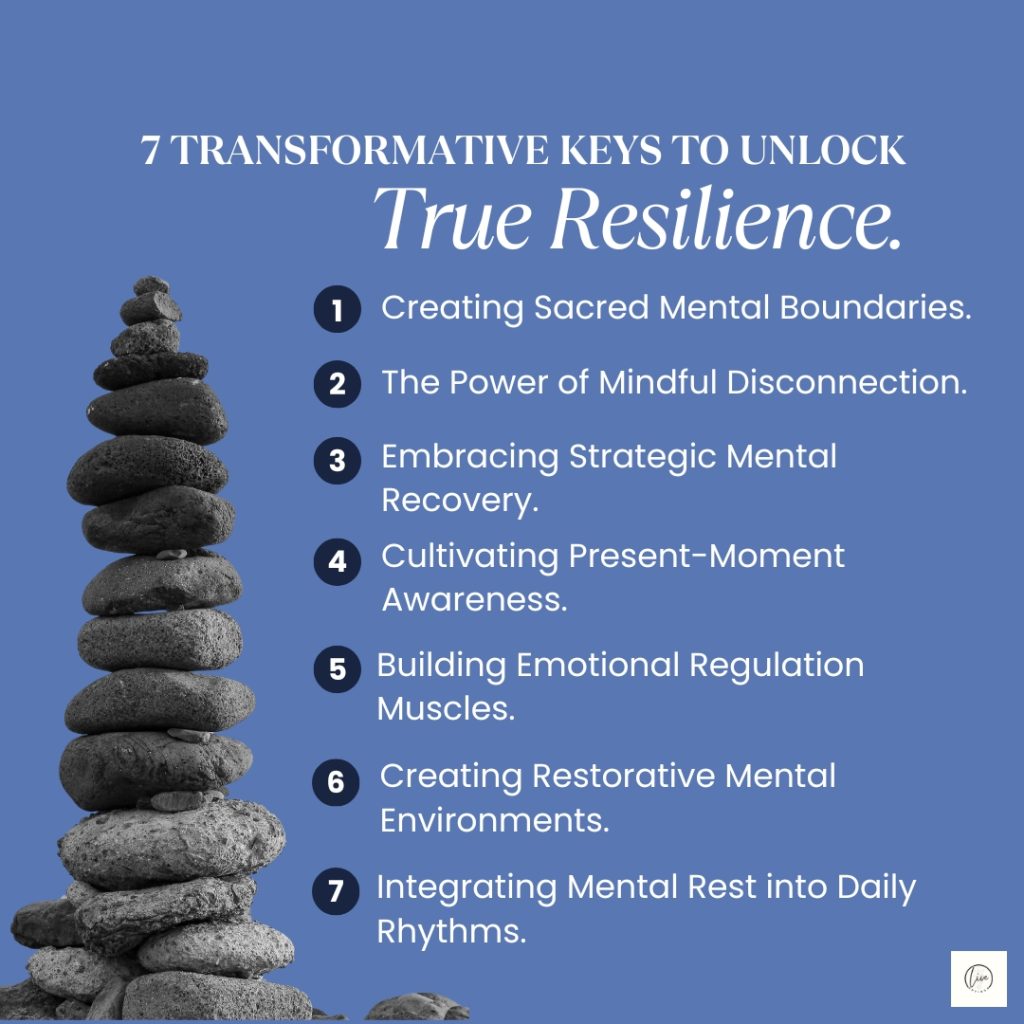
When you stop avoiding pain, you start noticing patterns and solutions faster. What problems have you solved recently that felt impossible at first? Those moments build your skill to tackle future obstacles.
Credit: liveoptimum.com
Frequently Asked Questions
What Does It Mean To Embrace Pain Mentally?
Embracing pain mentally means accepting discomfort as part of growth. It helps build resilience and strengthens emotional endurance over time.
How Does Pain Improve Mental Strength?
Pain challenges your limits and teaches coping skills. Overcoming pain increases confidence, making you mentally tougher and more adaptable.
Can Embracing Pain Reduce Stress And Anxiety?
Yes, facing pain head-on can lower stress and anxiety. It shifts focus from fear to acceptance, promoting emotional balance.
Why Is Mental Strength Important During Tough Times?
Mental strength helps maintain focus and positivity during hardships. It supports problem-solving and prevents emotional breakdowns in stressful situations.
Conclusion
Pain challenges the mind and builds true mental strength. Facing discomfort helps us grow and learn resilience. Each struggle teaches patience and boosts confidence. Pain is not the enemy but a teacher in life. Embracing it makes us tougher and more prepared.
Strength comes from accepting hard moments, not avoiding them. Keep moving forward, even when it feels tough. Growth happens step by step through each challenge faced. Mental strength grows in the moments we choose to endure.







