
Are you wondering who actually buys gym equipment and why? Whether you’re thinking about setting up your own home gym or curious about the market, understanding who invests in fitness gear can help you make smarter choices.
You might be surprised to learn about the different types of buyers out there—from fitness enthusiasts to businesses—and how their needs shape what’s available. Keep reading to discover who’s behind those purchases and what drives them to invest in gym equipment.
This insight could change the way you shop for your own fitness gear.

Credit: www.yanrefitness.com
Market Segments For Gym Equipment
Gym equipment serves a variety of users across different markets. Each market segment has unique needs and preferences. Understanding these segments helps suppliers and manufacturers target the right customers. It also helps buyers choose equipment suited to their goals.
Here are the main market segments that buy gym equipment.
Commercial Gyms
Commercial gyms buy large quantities of durable, high-quality equipment. They need machines that can handle heavy use daily. These gyms serve many members and offer various workout options. Equipment must be reliable and safe for all users.
Home Fitness Enthusiasts
Home fitness buyers want compact, easy-to-use equipment. Space is often limited at home. These users look for affordable options that fit their routines. Popular choices include treadmills, dumbbells, and resistance bands.
Corporate Wellness Programs
Companies invest in gym equipment for employee health. Wellness programs promote fitness to reduce stress and boost productivity. Equipment in offices usually includes basic machines and mats. The focus is on accessibility and convenience.
Rehabilitation Centers
Rehabilitation centers require specialized equipment for therapy. Machines help patients recover strength and mobility. These centers use tools designed for safety and controlled movements. Equipment supports physical therapists in treatment plans.
Hotels And Resorts
Hotels and resorts provide gym equipment for guest use. They offer a mix of cardio and strength machines. Equipment must look good and be easy to maintain. The goal is to enhance guest satisfaction and wellness.
Commercial Gyms As Primary Buyers
Commercial gyms buy gym equipment in large amounts to serve many members daily. They choose durable machines that handle heavy use and offer a variety of workout options. These buyers focus on quality and reliability to keep their facilities running smoothly.
Commercial gyms are at the forefront of buying gym equipment. They cater to a large number of fitness enthusiasts. Their primary goal is to provide diverse workout options. This requires a wide range of equipment. Offering the latest and most reliable machines is crucial. This ensures customer satisfaction and loyalty.Types Of Equipment Purchased
Commercial gyms invest in various types of equipment. These include cardio machines like treadmills and ellipticals. Strength training equipment is also essential. This includes weight benches, dumbbells, and squat racks. Functional training tools, such as kettlebells and medicine balls, are popular. Gyms often purchase high-tech machines with digital interfaces. This enhances the workout experience for users.Investment Trends For 2025
By 2025, investment in smart gym equipment will rise. Gyms will prioritize equipment with advanced features. These include connectivity and data tracking capabilities. Eco-friendly equipment will gain popularity. It reduces energy consumption and supports sustainability goals. Compact and multifunctional machines will be in demand. They save space and offer varied workout options.Key Decision Makers
Purchasing decisions in gyms involve several key players. Gym owners play a vital role. They consider budget and customer preferences. Fitness managers influence choices based on user needs. Equipment suppliers and manufacturers also have an impact. They provide insights into the latest trends and technologies.Rising Demand From Home Users
The demand for gym equipment among home users is growing rapidly. More people want to exercise at home for comfort and safety. This trend has changed the fitness market. Home gyms now attract many buyers. These users want practical and space-saving equipment. They focus on tools that fit small areas and offer good workouts.
Popular Equipment For Home Use
- Adjustable dumbbells
- Resistance bands
- Yoga mats
- Compact treadmills
- Stationary bikes
- Pull-up bars
These items are easy to store and use. They meet the needs of beginners and regular users. Many prefer versatile tools to target different muscles.
Impact Of Remote Work
Remote work has changed daily routines. People spend more time at home. They seek ways to stay active without leaving the house. Home gyms help break long sitting hours. They improve health and focus. Employers sometimes support home fitness for better employee wellness.
Budget Considerations
Home users often watch their spending. They choose affordable and durable equipment. Many start with small investments. Gradually, they add more gear over time. Sales and secondhand markets attract budget buyers. Quality and price balance is key for these customers.
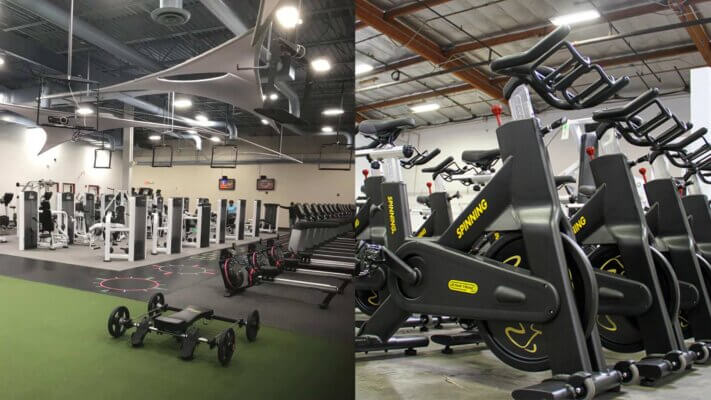
Credit: www.usedgymequipment.com
Corporate Wellness And Fitness Initiatives
Corporate wellness and fitness initiatives focus on improving employee health at work. Many companies invest in gym equipment to create on-site fitness centers. This encourages workers to stay active and healthy during breaks or after hours. Employers see these efforts as a way to boost morale and reduce health-related costs.
Equipment Preferences
Companies often choose versatile and easy-to-use gym equipment. Treadmills, stationary bikes, and elliptical machines are popular choices. Strength training equipment like dumbbells and resistance bands also rank high. Compact and low-maintenance machines fit well in office spaces. Some firms include yoga mats and balance balls for flexibility exercises.
Benefits For Employee Health
Regular exercise improves physical and mental well-being. Employees report less stress and better focus after workouts. Fitness programs help reduce sick days and lower healthcare expenses. Active workers tend to have higher energy and productivity. Group workouts build team spirit and encourage social interaction.
Growth Predictions
The demand for corporate gym equipment is expected to rise steadily. More companies recognize the value of employee wellness programs. Technology integration, such as smart fitness devices, will increase. Remote and hybrid work trends may boost home gym purchases by employees. Overall, corporate wellness investments will continue expanding globally.
Role Of Rehabilitation And Medical Facilities
Rehabilitation and medical facilities play a vital role in purchasing gym equipment. These centers focus on helping patients recover from injuries or surgeries. They need equipment that supports physical therapy and safe exercise. Their choices often differ from regular gyms, prioritizing patient safety and specific recovery goals.
Specialized Equipment Needs
Rehabilitation centers require equipment designed for therapeutic use. Machines must allow controlled movements and adjustable resistance. Examples include:
- Recumbent bikes for low-impact cardio
- Resistance bands for muscle strengthening
- Balance boards to improve coordination
These tools help patients regain strength and mobility gently and safely.
Partnerships With Manufacturers
Medical facilities often work closely with equipment manufacturers. They seek custom solutions tailored to patient needs. This partnership allows:
- Development of rehab-specific machines
- Regular equipment updates and maintenance
- Training for staff on proper equipment use
Such collaborations ensure that therapy equipment remains effective and safe.
Future Opportunities
Advances in technology open new paths for rehab equipment buyers. Innovations include:
- Wearable devices to track patient progress
- Virtual reality for immersive therapy sessions
- Smart machines that adjust automatically
These tools promise better recovery outcomes and more personalized care.
Hospitality Industry’s Fitness Investments
The hospitality industry is increasingly investing in gym equipment to meet the growing demand for wellness among travelers. Hotels and resorts are no longer just places to sleep—they are becoming hubs for health and fitness. This shift opens up exciting opportunities for gym equipment suppliers and facility managers alike.
Equipment Choices For Guests
Guests expect a range of gym equipment that suits different fitness levels and preferences. Cardio machines like treadmills and stationary bikes remain popular because they are easy to use and appeal to most visitors.
Strength training options such as free weights, resistance bands, and functional trainers are gaining traction. These choices allow guests to customize their workouts and stay consistent even while traveling.
Many hotels also add yoga mats and balance balls to support low-impact exercises. These items don’t take much space but add value for guests seeking relaxation and flexibility training.
Trends In Hotel Fitness Centers
More hotels now focus on creating a wellness experience rather than just a gym space. This means integrating technology like smart mirrors and app-connected machines that track progress.
Group fitness classes, such as HIIT or Pilates, are becoming common additions, sometimes held in multi-purpose rooms. Offering on-demand virtual classes lets guests workout anytime without needing an instructor on-site.
Eco-friendly equipment is another emerging trend. Gyms powered by machines that generate electricity appeal to environmentally conscious travelers and reflect the hotel’s sustainability goals.
Competitive Advantages
Having a well-equipped fitness center can set your hotel apart from competitors. It’s an attractive perk for business travelers and health-conscious guests who prioritize staying active.
Hotels that invest in quality gym equipment often see higher guest satisfaction scores and longer stays. This investment can also encourage repeat visits and positive online reviews.
Ask yourself: Could your fitness offerings be the reason a guest chooses your property over another? Enhancing your gym space is more than a cost—it’s a strategic move to boost your brand’s appeal.
Emerging Buyers And Niche Markets
The landscape of gym equipment buyers is shifting beyond traditional gyms and fitness chains. Emerging buyers and niche markets are creating fresh demand and unique opportunities. Understanding who these buyers are can help you spot trends and tailor your offerings effectively.
Boutique Studios
Boutique studios focus on specialized fitness experiences like yoga, pilates, or high-intensity interval training. They often buy compact, versatile equipment that fits smaller spaces and enhances specific workouts.
These studios prioritize quality and style. Equipment that looks sleek and performs well can become a selling point for their brand.
Have you noticed how some studios create an inviting atmosphere with carefully chosen gear? That’s no accident—it’s a strategic move to attract and retain clients.
Outdoor Fitness Parks
Outdoor fitness parks are gaining popularity in urban and suburban areas. These parks need durable, weather-resistant equipment that supports bodyweight exercises and group workouts.
Investing in outdoor gym gear means choosing materials that withstand the elements and require minimal upkeep. Buyers in this niche often look for modular setups that encourage community engagement.
Imagine your local park with pull-up bars, parallel bars, and climbing walls. This equipment promotes health for all ages and creates a social fitness hub.
Educational Institutions
Schools, colleges, and universities are increasingly investing in gym equipment to support student wellness and sports programs. Their purchases range from basic cardio machines to specialized training gear for athletic teams.
Budget constraints push these institutions to seek cost-effective, multi-purpose equipment. They value durability and safety above all.
If you’ve seen a school gym upgrade, you know it’s about more than just adding machines—it’s about fostering lifelong fitness habits among students. How might your equipment choices support this goal?
Factors Influencing Buyer Decisions
Buyer decisions in gym equipment depend on several key factors. These elements shape what buyers choose and why. Understanding these factors helps manufacturers and sellers meet customer needs effectively.
Technological Innovations
New technology attracts many buyers. Features like smart tracking and app connectivity add value. Buyers want equipment that offers easy use and better workout feedback. Technology also makes workouts more fun and engaging. Modern machines with updates catch more attention in the market.
Pricing And Financing Options
Price remains a top concern. Buyers compare costs to find the best deals. Affordable options often get more interest from casual users. Financing plans help buyers afford expensive equipment. Monthly payments or leasing make purchases easier. Transparent pricing builds trust between sellers and buyers.
Sustainability And Durability
Durable equipment lasts longer and saves money. Buyers prefer strong materials that resist wear and tear. Sustainability is growing in importance too. Eco-friendly products appeal to those who care about the environment. Buyers check if products use recycled materials or have green certifications.
Preparing For 2025 Success
Preparing for success in 2025 means understanding who buys gym equipment and what they need. The market is shifting, and buyers want more than just machines. They seek value, quality, and solutions that fit their lifestyle or business goals. Staying ahead requires clear insight into market trends and buyer behavior.
Market Forecasts
The demand for gym equipment is expected to grow steadily through 2025. Home fitness continues to rise, driven by health awareness and convenience. Commercial gyms are upgrading to smart, connected machines. Buyers will focus on durability and technology integration.
Anticipate growth in sectors like:
- Home fitness enthusiasts
- Corporate wellness programs
- Rehabilitation centers
- Boutique fitness studios
Understanding these segments helps target marketing and product development.
Strategic Marketing Approaches
Marketing must address specific buyer needs clearly and simply. Use straightforward messages about equipment benefits. Highlight features like ease of use, space-saving design, and health benefits.
Effective strategies include:
- Social media campaigns targeting fitness groups
- Educational content about exercise and equipment use
- Customer testimonials for trust building
- Special offers for first-time buyers or bulk purchases
Focus on building trust and showing real value to buyers.
Building Long-term Buyer Relationships
Strong relationships lead to repeat sales and referrals. Offer excellent customer support before and after purchase. Provide easy access to maintenance and upgrades.
Ways to build loyalty:
- Regular follow-ups and check-ins
- Loyalty programs with discounts or perks
- Community events or online forums for buyers
- Responsive service for questions and issues
Long-term buyers become brand advocates and steady revenue sources.

Credit: ctxhomegyms.com
Frequently Asked Questions
Who Typically Buys Gym Equipment?
Individuals, fitness centers, and corporate offices commonly purchase gym equipment. Home gym users and trainers also buy equipment for personal and professional use.
Why Do Businesses Invest In Gym Equipment?
Businesses invest in gym equipment to promote employee wellness, reduce health costs, and enhance productivity. Fitness centers buy equipment to attract clients and increase revenue.
What Types Of Gym Equipment Do Buyers Prefer?
Buyers prefer versatile, durable, and user-friendly equipment. Common choices include treadmills, weights, resistance bands, and stationary bikes suitable for all fitness levels.
Where Can I Sell Used Gym Equipment?
Used gym equipment can be sold online via marketplaces, fitness forums, or local classifieds. Fitness centers and individuals often buy second-hand equipment at reduced prices.
Conclusion
People buy gym equipment for many reasons. Some want to stay fit at home. Others need tools for professional training. Gyms and fitness centers also buy in bulk. Families choose equipment to exercise together. No matter the buyer, the goal stays the same: better health.
Choosing the right gear fits each person’s needs. Everyone can find something that works well. Simple tools or advanced machines—both help reach fitness goals. Buying gym equipment supports a healthy lifestyle every day.







