
Have you ever wondered how some people stay motivated to move more and live healthier every day? The secret often lies in a simple device strapped to their wrist—a fitness tracker.
But what exactly is a fitness tracker, and how can it help you reach your health goals? If you’re curious about how this small gadget can make a big difference in your daily routine, keep reading. By the end of this article, you’ll understand exactly what a fitness tracker does and why it might just be the tool you need to take control of your fitness journey.
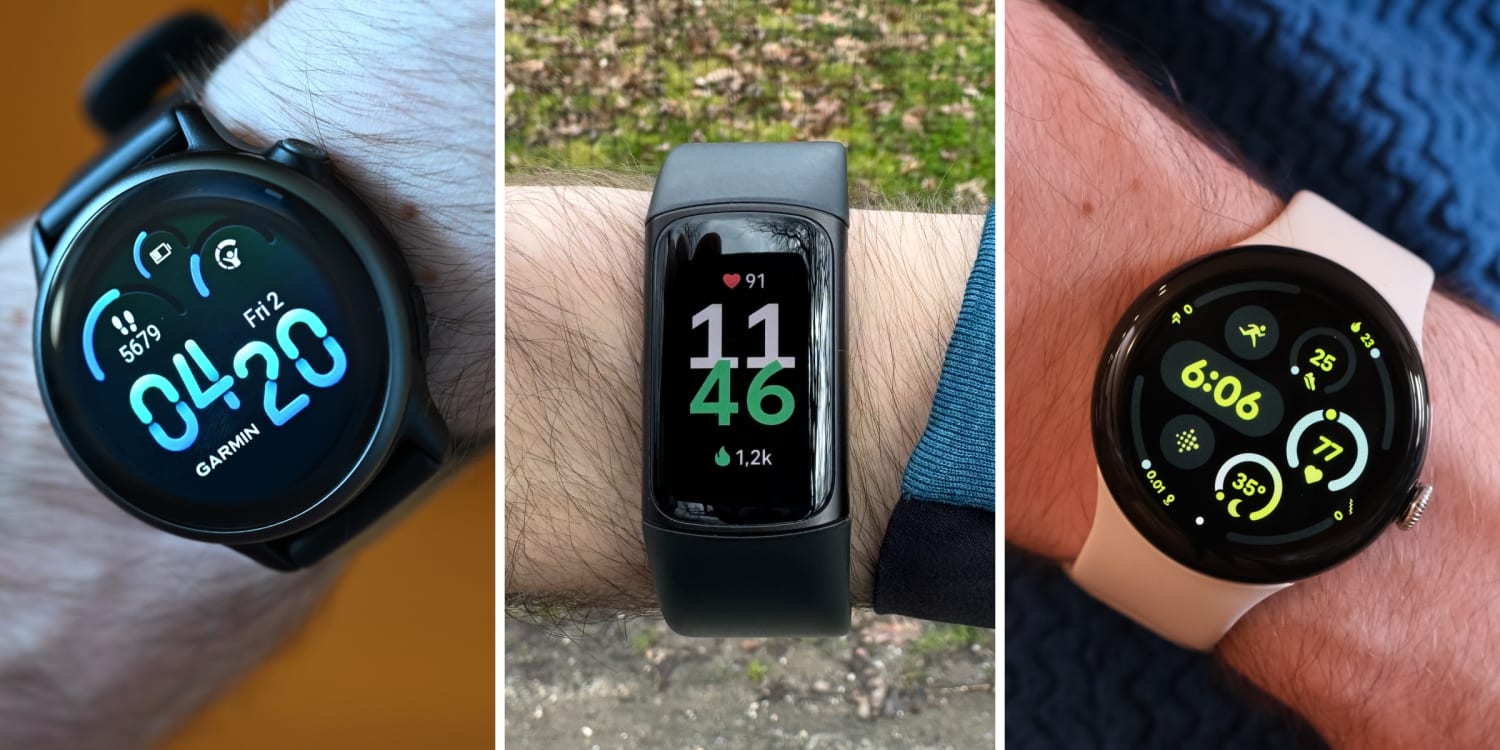
Credit: www.nbcnews.com
Benefits Of Fitness Trackers
Fitness trackers offer more than just counting steps. They provide valuable insights that can transform how you approach your health and wellness. Understanding the benefits of these devices can help you decide how best to use them in your daily routine.
Enhancing Physical Activity
Fitness trackers motivate you to move more by showing your progress in real time. They remind you to stand up, walk, or exercise if you’ve been inactive for too long. This constant feedback can turn small efforts into lasting habits.
Have you noticed how seeing your step count rise encourages you to take the stairs or go for a short walk? That simple nudge can add up to big changes over time.
Monitoring Heart Rate
Keeping an eye on your heart rate helps you understand how hard your body is working during exercise. It can guide you to stay within safe and effective zones for fat burning or cardio improvement.
Some trackers alert you if your heart rate is unusually high or low, which can be an early sign to check in with a healthcare professional. This feature adds a layer of safety to your workouts.
Tracking Sleep Patterns
Good sleep is crucial for recovery and overall health. Fitness trackers monitor your sleep stages and duration, giving you clues about your rest quality.
Have you ever wondered why you feel tired despite spending enough time in bed? Your tracker might reveal restless nights or frequent awakenings that you weren’t aware of.
Setting And Achieving Goals
Fitness trackers let you set personalized goals, whether it’s steps, calories burned, or active minutes. They celebrate your milestones, keeping you motivated to push further.
By breaking your big goals into smaller targets, these devices make progress feel manageable. What small goal will you set today to keep yourself moving forward?
Key Features To Consider
Choosing the right fitness tracker means looking beyond just the brand or price. You want features that truly match your lifestyle and fitness goals. Knowing what to check can save you frustration and help you get the most from your device.
Step Counting Accuracy
Step counting is the core of most fitness trackers, but not all count steps equally well. Some devices may mistake hand movements for steps, leading to inflated numbers. Have you noticed your tracker adding steps while you’re just sitting? Look for trackers known for precise sensors and algorithms that minimize false counts.
Heart Rate Monitoring
Tracking your heart rate helps you understand exercise intensity and recovery. But not all heart rate monitors are equally reliable, especially during high-intensity workouts. Ask yourself: do you need continuous monitoring or just spot checks? Devices with optical sensors that work well in motion can give you real-time data that’s actually useful.
Gps And Location Services
If you like running, cycling, or hiking outdoors, GPS can be a game changer. It records your route, pace, and distance without needing your phone nearby. However, GPS drains battery fast, so consider how long you need your tracker to last. Would you prefer built-in GPS or a phone-connected option?
Water Resistance And Durability
Fitness trackers come with different levels of water resistance. If you swim or sweat a lot, choose one that can handle water exposure without damage. Durability also matters if you lead an active life or work in tough environments. Think about how your tracker will handle bumps, drops, or rain during your day.
Popular Fitness Tracker Brands
Fitness trackers help monitor daily activities and health metrics. Many brands offer various models to suit different needs. Some brands are well-known for their reliability and features. Choosing the right brand can enhance your fitness journey.
Fitbit
Fitbit is a popular brand in the fitness tracker market. Its devices track steps, heart rate, and sleep quality. Fitbit offers easy-to-use apps for tracking progress. The brand is known for affordable and accurate trackers. Many users appreciate its community features and challenges.
Garmin
Garmin produces fitness trackers focused on outdoor activities. It offers GPS tracking for running, cycling, and hiking. Garmin devices often include advanced health metrics. The brand is popular among serious athletes and outdoor enthusiasts. Garmin trackers provide long battery life and rugged design.
Apple Watch
Apple Watch combines fitness tracking with smart features. It tracks workouts, heart rate, and daily movement. The watch supports many health apps and notifications. Apple Watch works well with iPhones and other Apple devices. It is a favorite for users seeking a smartwatch and fitness tracker.
Samsung Gear
Samsung Gear offers smartwatches with fitness tracking features. It tracks steps, heart rate, and sleep patterns. The devices include GPS and workout modes. Samsung Gear integrates smoothly with Android phones. The brand offers stylish designs and good performance.

Credit: www.amazon.ca
Choosing The Right Fitness Tracker
Choosing the right fitness tracker means matching the device to your needs. It is not just about brand or looks. Think about how you plan to use it every day. Focus on what fits your budget, lifestyle, and goals. Also, check if it works well with your other gadgets.
Budget Considerations
Fitness trackers come in many price ranges. Set a clear budget before shopping. More expensive models often have extra features. But basic trackers cover steps, distance, and calories well. Decide how much you want to spend. Remember, an affordable tracker can still motivate you to move more.
Feature Preferences
Different trackers offer different tools. Some track heart rate, sleep, and stress. Others focus on running or swimming. Choose features that support your fitness goals. Avoid paying for extras you won’t use. Think about which data helps you improve your health.
Lifestyle And Fitness Goals
Your daily routine affects the best tracker choice. Active runners may want GPS and pace tracking. Swimmers need waterproof devices. Busy people might prefer long battery life. Set clear goals like weight loss or better sleep. Match the tracker to support these goals easily.
Compatibility With Devices
Check if the tracker works with your phone or computer. Some work only with Android or iOS. Others sync with popular fitness apps. Ensure smooth data transfer and easy setup. This helps you get the most from your fitness tracker.
Integrating Fitness Trackers With Apps
Fitness trackers are powerful on their own, but their true potential shines when paired with apps. These apps extend the functionality of your tracker, helping you understand and improve your health in real-time. Integrating your fitness tracker with various apps creates a personalized health ecosystem tailored just for you.
Health And Wellness Apps
Health and wellness apps sync seamlessly with fitness trackers to provide a comprehensive overview of your physical activity, sleep patterns, and heart rate. Apps like Apple Health or Google Fit collect data from your tracker and present it in clear, easy-to-read dashboards. This helps you spot trends and make informed decisions about your daily routine.
Have you ever noticed how small changes in sleep quality affect your energy levels? These apps help you connect the dots between your habits and how you feel.
Diet And Nutrition Tracking
Pairing your fitness tracker with diet apps can transform how you manage your nutrition. Apps such as MyFitnessPal or Lose It! allow you to log meals and track calorie intake alongside your physical activity. This integration ensures your energy balance is accurate, giving you a realistic picture of your progress.
Tracking nutrition isn’t just about calories; it’s about understanding how what you eat fuels your workouts and recovery. Are you fueling your body right for your activity levels?
Community And Social Features
Many fitness apps offer social features that connect you with friends or like-minded individuals. Sharing your achievements or participating in challenges can keep motivation high and make fitness fun. Apps like Strava create a community feel that pushes you to go a little further.
Consider how sharing a simple workout update can boost your accountability. Would having a support network change the way you approach your fitness goals?
Data Analysis And Insights
Apps linked with fitness trackers don’t just collect data—they analyze it to provide actionable insights. You get personalized tips, reminders, and alerts based on your activity trends and health metrics. This helps you spot potential issues before they become problems.
Imagine receiving a notification suggesting you increase your hydration because your activity levels are higher than usual. How could tailored advice like this improve your daily habits?
Tips For Maximizing Your Fitness Tracker
Fitness trackers offer many features to help improve your health. Using them well boosts your progress and keeps you engaged. Simple habits make a big difference in how much you benefit from your device. Focus on clear goals, regular checks, and staying inspired. Alerts can keep you on track throughout the day. Let’s explore ways to get the most from your fitness tracker.
Setting Realistic Goals
Set goals you can reach. Start small to avoid frustration. Choose targets like daily steps or minutes of activity. Adjust goals as you improve. Realistic goals create steady progress and build confidence. Write goals down or save them in your tracker app. Clear goals give you direction and purpose.
Regular Data Review
Check your fitness data often. Look at your steps, heart rate, and sleep patterns. This shows what works and what needs change. Use charts or graphs in the app to see trends. Reviewing data helps you understand your habits. Make small changes based on your results.
Staying Motivated
Keep motivation high with rewards and challenges. Celebrate reaching your goals with treats or breaks. Join groups or online communities for support. Friendly competition can boost your effort. Remember why you started and focus on progress, not perfection.
Using Reminders And Alerts
Set alerts to remind you to move or drink water. Use notifications for workouts or sleep times. These prompts keep healthy habits consistent. Customize alerts to fit your schedule and needs. Reminders help you stay active and focused all day.
Addressing Privacy Concerns
Fitness trackers collect a lot of personal information, from your daily steps to your heart rate and sleep patterns. This raises important questions about how your data is protected and used. Understanding privacy concerns can help you make smarter choices about the devices you wear every day.
Data Security Measures
Fitness trackers store sensitive data, so strong security is a must. Look for devices that use encryption to protect your information during storage and transmission. Many brands also offer two-factor authentication to add an extra layer of security to your account.
Have you ever wondered how safe your health data really is? Checking for regular software updates can be a good sign that a company takes security seriously. Updates often fix vulnerabilities that hackers could exploit.
Understanding Data Sharing
Some fitness trackers share your data with third parties, like advertisers or health researchers. It’s crucial to read privacy policies to see who gets access to your information. You might be surprised by how many apps share data beyond just your fitness goals.
Ask yourself: Are you comfortable with your data being sold or used for marketing? If not, choose brands that clearly state they don’t share your personal data. Transparency is key when it comes to protecting your privacy.
Managing Permissions
You control what data your fitness tracker can access through app permissions. Be cautious about granting access to your location, contacts, or social media accounts unless absolutely necessary. Regularly review these permissions and revoke any that seem excessive.
Many people overlook permission settings, but they are a powerful tool to safeguard your privacy. Adjusting permissions doesn’t just protect your data—it can also improve the device’s battery life and performance.
Choosing Trustworthy Brands
Not all fitness tracker brands are created equal when it comes to privacy. Research companies with a strong reputation for protecting user data and transparent privacy policies. Customer reviews and expert tech sites can provide valuable insights.
Brands that prioritize privacy often invest in independent audits and certifications. Choosing these brands can give you peace of mind, knowing your health data is in safe hands. After all, your fitness journey should empower you, not expose you.
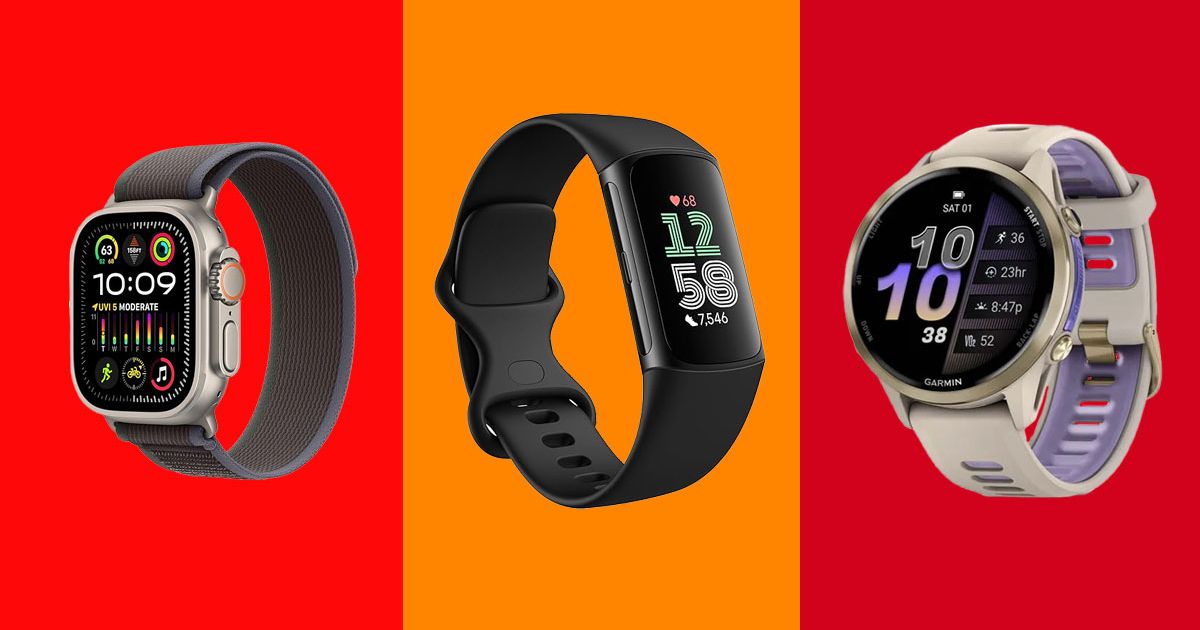
Credit: nymag.com
Frequently Asked Questions
What Is A Fitness Tracker Used For?
A fitness tracker monitors physical activity, heart rate, and sleep patterns. It helps users stay motivated and achieve health goals.
How Does A Fitness Tracker Improve Health?
It tracks daily steps, calories burned, and exercise intensity. This data encourages healthier lifestyle choices and better fitness habits.
Are Fitness Trackers Accurate For Monitoring Health?
Most fitness trackers provide reasonably accurate data for daily use. However, they may vary in precision for specialized medical measurements.
Can Fitness Trackers Sync With Smartphones?
Yes, most fitness trackers connect to smartphones via Bluetooth. This allows users to view detailed health data and receive notifications.
Conclusion
A fitness tracker helps you stay active and healthy every day. It counts your steps, measures your heart rate, and tracks your sleep. Using one can make exercise more fun and keep you motivated. Small changes add up to big health benefits over time.
Choose a tracker that fits your lifestyle and needs. Start moving more and feel better with simple tools. Fitness trackers are useful for anyone wanting to improve wellness. Give it a try and see the difference yourself.







