
Are you ready to take control of your fitness without leaving your home? Building a home gym can save you time, money, and make working out easier than ever.
But what do you really need to get started? Whether you have a small corner or an entire room, this guide will help you choose the right equipment that fits your space, goals, and budget. Keep reading to discover simple essentials that turn any space into your personal fitness zone.
Choosing The Right Space
Choosing the right space for your home gym is a key step. It sets the tone for your workouts and affects your motivation. The space should match your fitness goals and the equipment you plan to use.
Think about comfort and safety. You want a place that feels good and reduces injury risks. Also, the space should be easy to clean and maintain.
Assessing Available Space
Measure the room or area you want to use. Check for enough space to move freely and use your equipment. Consider ceiling height too. Some exercises need more vertical space.
Lighting And Ventilation
Choose a space with good natural light if possible. It keeps the area bright and inviting. Proper ventilation is important to keep air fresh. A window or fan can help with airflow.
Flooring Considerations
Pick a floor that supports exercise and protects your joints. Avoid slippery surfaces. Rubber mats or foam tiles are good options. They also protect the floor beneath your equipment.
Noise And Privacy
Think about noise levels in your chosen space. A quiet spot helps you focus. Privacy matters too, especially if others live with you. A separate room or corner can provide this.

Credit: sensu.co
Basic Equipment Essentials
Setting up your home gym starts with the right basic equipment. These essentials help you build a versatile workout space without overwhelming your budget or room. You don’t need a lot of fancy machines to get effective workouts at home—just a few key items.
Dumbbells And Kettlebells
Dumbbells and kettlebells are some of the most versatile tools you can add to your home gym. They let you perform strength training, improve balance, and boost endurance.
Choose a set with a range of weights or adjustable options to match your progress. I started with just two pairs of dumbbells and was amazed at how many exercises I could do—squats, presses, rows, and even cardio moves.
Ask yourself: which movements do you want to focus on? This helps pick the right weights and shapes for your goals.
Resistance Bands
Resistance bands are lightweight, affordable, and perfect for any fitness level. They add resistance without the need for heavy weights and take up almost no space.
Use them for strength training, stretching, or mobility work. I found bands especially useful on rest days to help with muscle recovery and flexibility.
Consider getting bands with different tension levels so you can adjust the challenge easily.
Yoga Mat
A good yoga mat does more than support your yoga practice. It provides cushioning and grip for floor exercises, stretches, and bodyweight workouts.
Look for a mat that’s thick enough to protect your joints but still stable. I noticed that having a dedicated space with my mat made me more consistent with my routines.
Would having a comfortable workout surface change how often you exercise at home?
Cardio Equipment Options
Choosing the right cardio equipment can transform your home gym experience. It’s not just about burning calories; it’s about finding what fits your space, budget, and workout style. Let’s look at some popular options to help you decide what suits you best.
Treadmills
Treadmills are a classic choice for home gyms. They allow you to walk, jog, or run indoors regardless of the weather. If you want to track your progress, many models come with screens showing speed, distance, and calories burned.
Consider your available space before buying. Some treadmills fold up for easy storage, which is perfect if you have a small room. Also, think about noise levels if you live in an apartment or have family around.
Stationary Bikes
Stationary bikes offer a low-impact workout, making them easier on your joints. They are great if you enjoy cycling but can’t always get outside. Plus, many have adjustable resistance levels to keep your workouts challenging.
Look for bikes with comfortable seats and adjustable handlebars to avoid discomfort. You might find models that connect to apps or virtual cycling classes, which can keep your routine fun and motivating.
Jump Ropes
Jump ropes are one of the most affordable and space-saving cardio tools. They provide a quick, high-intensity workout that improves coordination and burns calories fast. You can easily store a jump rope anywhere, making it perfect for tiny home gyms.
Try different jump rope styles, like weighted ropes, to increase intensity. Have you ever timed yourself to see how many jumps you can do in a minute? It’s a simple way to challenge yourself and track progress.
Strength Training Tools
Building a home gym focused on strength training requires the right tools to help you lift safely and effectively. Choosing quality equipment can make your workouts more productive and enjoyable. Let’s look at the essential strength training tools you’ll want to add to your space.
Barbells And Weight Plates
Barbells are the foundation of many strength workouts. They allow you to perform exercises like deadlifts, squats, and presses with heavy weights. Investing in a standard Olympic barbell and a set of weight plates gives you the flexibility to adjust your resistance as you progress.
Look for plates that are durable and easy to grip. Rubber-coated plates help protect your floor and reduce noise. Have you considered how much weight you’ll realistically lift? It’s better to start with a moderate set and add more plates over time.
Power Rack Or Squat Rack
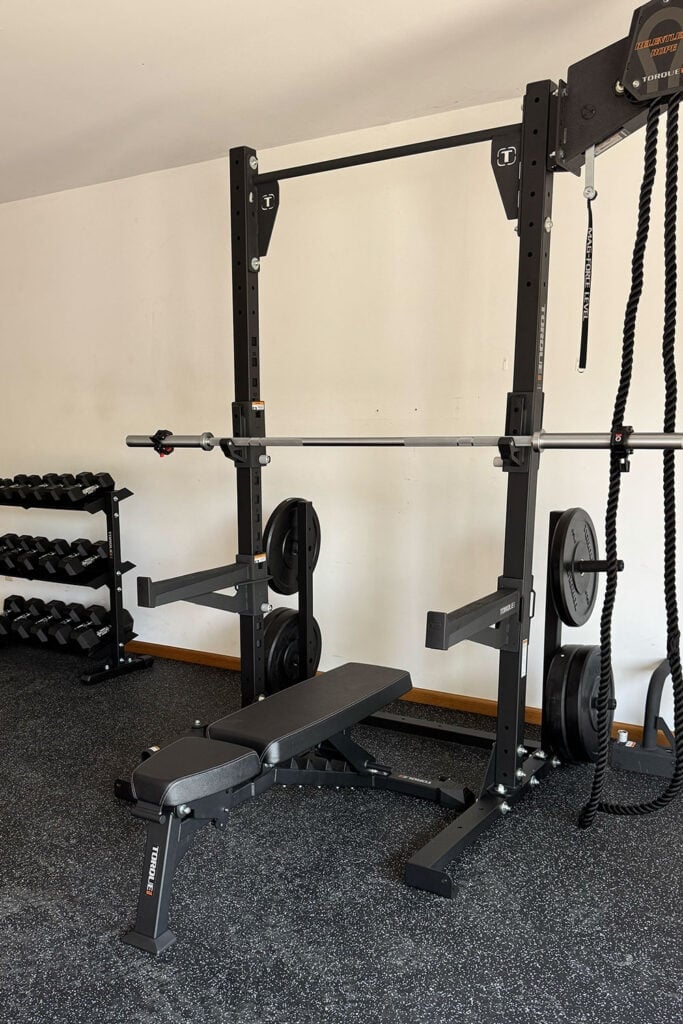
A power rack or squat rack is crucial for safety when lifting heavy weights. It provides support and allows you to perform squats, bench presses, and pull-ups without a spotter. If space is limited, a squat rack takes up less room but may offer fewer features.
Choose a rack with sturdy construction and adjustable safety bars. This lets you customize the height based on your exercises and body size. Would you feel more confident lifting without someone spotting you? A rack can give you that peace of mind.
Bench Press
A solid bench is a must-have for pressing movements and other exercises like dumbbell rows or step-ups. Adjustable benches add versatility, letting you perform incline, flat, and decline presses. This variety targets different muscle groups more effectively.
Look for a bench with thick padding and a stable frame. Comfort matters when you’re pushing heavy weights. Have you thought about how an adjustable bench can save space by combining multiple workout options into one piece of equipment?
Flexibility And Recovery Gear
Flexibility and recovery gear is essential for any home gym setup. It helps you avoid injuries and improves your overall workout performance. Adding these tools lets your muscles relax and recover faster, so you can keep pushing your limits.
Foam Rollers
Foam rollers are simple yet powerful tools that target muscle tightness and knots. Using a foam roller after workouts can reduce soreness and improve blood flow. I found that spending just 10 minutes rolling out my legs and back made my next workout feel much easier.
Choose a roller that matches your firmness preference. Softer rollers suit beginners, while firmer ones reach deeper muscle layers.
Stretching Straps
Stretching straps help you improve flexibility by gently extending your range of motion. They are especially useful for hamstrings, shoulders, and calves. With a strap, you can hold stretches longer and with better control, which speeds up muscle recovery.
Look for straps with loops or handles for easy grip. Using one during warm-ups or cooldowns can make a noticeable difference in your mobility.
Massage Balls
Massage balls are perfect for pinpointing small, tight areas that foam rollers can miss. They work well on your feet, shoulders, and hips. Rolling a massage ball on sore spots helps break up knots and reduces muscle tension quickly.
Try different sizes and textures to find what feels best for your body. Adding this tool to your routine can enhance your recovery and keep your muscles feeling fresh.
Credit: www.nourishmovelove.com
Tech And Accessories
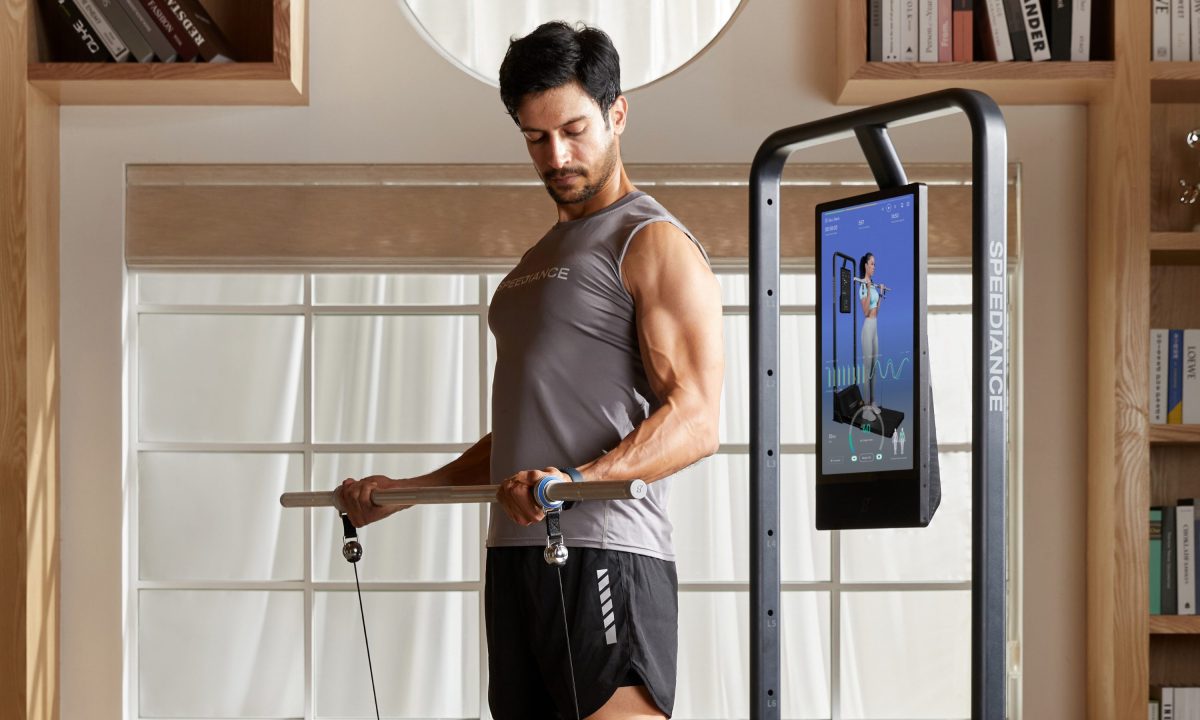
Tech and accessories create a better workout space. They help track progress, boost motivation, and improve form. These tools make exercising at home easier and more fun. The right tech also keeps you connected and energized.
Fitness Trackers
Fitness trackers count steps, measure heart rate, and track calories burned. They help set goals and monitor daily activity. Many models sync with phones for easy data review. Choose one with a clear display and long battery life.
Bluetooth Speakers
Bluetooth speakers provide clear sound for workout music or instructions. Wireless design keeps the space neat and free of cables. Portable speakers let you move around without losing connection. Good sound quality boosts energy and focus during exercise.
Mirrors
Mirrors help check your form and posture while exercising. They prevent injuries by allowing instant corrections. A large mirror makes the space feel bigger and brighter. Position mirrors where you can easily see yourself during workouts.
Organizing Your Home Gym
Setting up a home gym is exciting, but organizing it well can make all the difference in your workout experience. A cluttered space can kill your motivation, while a tidy, well-planned area invites you to exercise regularly. Think about how you move through your gym and what setup will keep you focused and safe.
Storage Solutions
Keeping your equipment organized saves time and protects your gear. Use wall-mounted racks for weights and resistance bands to free up floor space.
- Install shelves or cubbies for smaller items like dumbbells, yoga mats, and jump ropes.
- Consider a storage bench that doubles as seating and hides away your equipment.
- Label baskets or bins so you can find what you need quickly.
Ask yourself: is everything easy to reach and put away? If not, adjust your storage to suit your workout flow.
Safety Considerations
Safety should be your top priority when organizing your gym. Clear walkways to prevent tripping over equipment.
- Secure heavy items like barbells and kettlebells on sturdy racks.
- Use non-slip mats to reduce the risk of falls, especially near cardio machines.
- Check for adequate lighting so you can see clearly during your workouts.
Have you thought about emergency access? Keep a phone nearby and ensure your space is well-ventilated to avoid overheating.
Creating A Motivating Environment
Your gym’s atmosphere affects how often you want to work out. Add mirrors to track your form and boost confidence.
Personalize your space with posters, plants, or music systems that energize you.
- Choose colors that inspire you—bright tones can boost energy, while softer shades promote calm.
- Keep your workout area clean and clutter-free to reduce distractions.
What small change can you make today to make your gym more inviting? Sometimes, a simple tweak sparks a big boost in your motivation.
Credit: www.themanual.com
Frequently Asked Questions
What Are The Essential Items For A Home Gym Setup?
Essential home gym items include a yoga mat, dumbbells, resistance bands, and a stability ball. These basics support strength, flexibility, and cardio workouts at home efficiently.
How Much Space Do I Need For A Home Gym?
A minimum of 50 to 100 square feet is ideal for a home gym. This space allows room for equipment and safe movement during workouts.
Which Equipment Is Best For Small Home Gyms?
Compact equipment like adjustable dumbbells, resistance bands, and foldable benches suit small home gyms. These items save space while offering versatile workout options.
Do I Need A Cardio Machine For A Home Gym?
Cardio machines like treadmills or stationary bikes are optional but beneficial. They improve heart health and add variety to your home workouts.
Conclusion
Building a home gym takes some planning and the right tools. Start with basic equipment like weights and a mat. Choose items that fit your space and goals. Keep it simple to stay motivated and avoid clutter. Regular workouts at home can boost your health and save time.
A home gym helps you stay active, no matter the weather or schedule. With the right gear, fitness becomes easy and fun. Create your space, and enjoy your workouts every day.







