
Are you ready to transform your fitness routine without leaving your home? Building a weight training home gym gives you the power to work out anytime, stay consistent, and see real results fast.
Imagine having all the gear you need right at your fingertips—no waiting for machines, no crowded spaces, just your personal space designed for strength and progress. In this guide, you’ll discover how to create the perfect setup that fits your goals, space, and budget.
Keep reading to unlock the secrets to making your home gym a game-changer for your health and confidence.
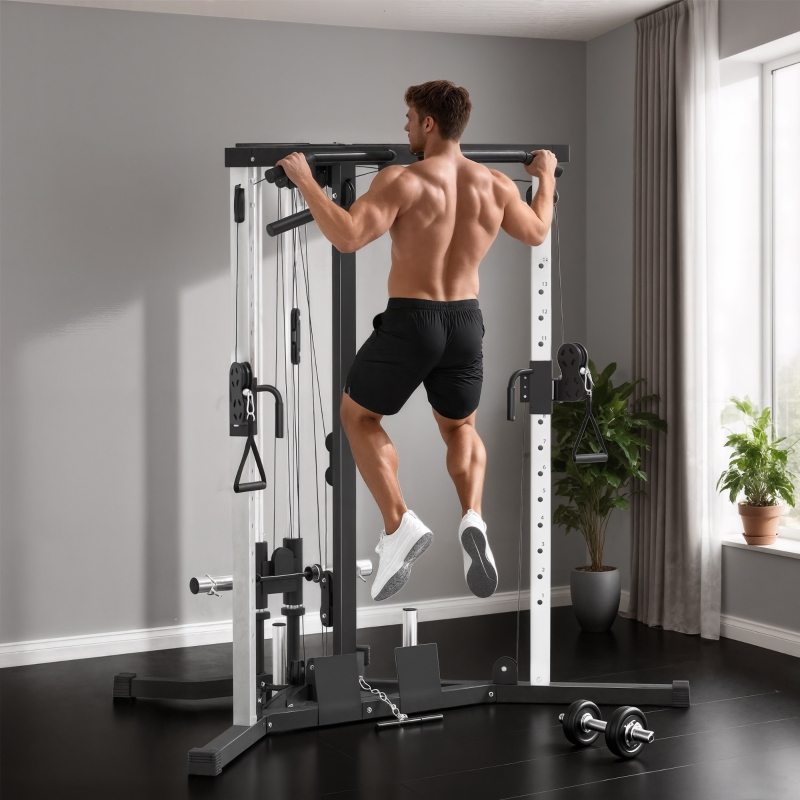
Credit: www.aosom.ca
Benefits Of A Home Gym
Setting up a weight training home gym brings a variety of benefits that go beyond just lifting weights. It changes how you approach your fitness routine, making workouts more accessible and tailored to your lifestyle. Let’s break down what makes a home gym a smart choice for your strength training journey.
Convenience And Flexibility
Imagine being able to work out whenever you want, without worrying about gym hours or travel time. A home gym lets you squeeze in a quick session between meetings or extend your workout on days you have more energy.
You control the environment and pace. No waiting for equipment or dealing with crowded spaces. This flexibility can help you stay consistent, which is key to seeing real progress.
Cost Savings Over Time
While the upfront cost of setting up a home gym might seem high, it often pays off in the long run. You save on monthly gym memberships, transportation costs, and even pricey workout clothes or supplements pushed by commercial gyms.
Think about how much you spend on gym fees annually. That amount can easily cover essential gear like dumbbells, a bench, and resistance bands. Over time, your investment keeps giving back through unlimited workouts.
Privacy And Comfort
Working out at home means you can exercise without feeling self-conscious. You don’t have to worry about others watching or judging your form or progress.
You can play your favorite music, wear whatever feels best, and take breaks as needed without interruptions. This comfort often leads to better focus and enjoyment during workouts, which helps you stick with your training plan.
Essential Equipment For Beginners
Setting up a weight training home gym can be an exciting venture, especially if you’re a beginner eager to embark on your fitness journey. The key to success lies in selecting the right equipment that will provide a comprehensive workout without overwhelming your space or budget. Here’s a closer look at some essential equipment that can help you build strength and improve your fitness levels right from the comfort of your home.
Free Weights And Dumbbells
Free weights and dumbbells are the backbone of any home gym. They are versatile and allow you to perform a wide range of exercises targeting different muscle groups. A simple set of adjustable dumbbells can save space and money, letting you increase weight as you progress.
Imagine starting your day with a quick set of bicep curls or shoulder presses. These exercises are not only effective but can be done while catching up on your favorite show. This convenience helps in maintaining consistency, which is crucial for seeing results.
Adjustable Bench
An adjustable bench is another cornerstone for a beginner’s home gym. It allows you to modify your workouts by adjusting the incline or decline, targeting different parts of the muscles. This flexibility makes your workout more effective and engaging.
Consider how an adjustable bench can transform a simple chest press or row. By changing the angle, you can challenge your muscles in new ways, keeping your routine fresh and exciting. Plus, it can be easily stored when not in use, making it ideal for small spaces.
Resistance Bands
Resistance bands are an excellent addition for beginners, providing a low-impact, full-body workout. They are lightweight, portable, and can be used to add resistance to almost any exercise.
Whether you’re using them for squats, lunges, or even assisted pull-ups, they offer a unique challenge to your muscles. Their versatility makes them perfect for travel or quick workouts, ensuring you never miss a training day. Have you tried integrating them into your routine yet?
Advanced Gear For Serious Lifters
Advanced gear transforms a basic home gym into a serious training space. Serious lifters need strong, durable equipment to support heavy workouts. This gear helps improve strength, safety, and workout variety. Investing in quality tools ensures progress and prevents injuries.
Power Rack And Barbell
A power rack offers safety and stability for heavy lifts. It supports squats, bench presses, and pull-ups. Look for racks with sturdy steel frames and adjustable safety bars. Pair it with a high-quality barbell designed to handle heavy weights. Olympic barbells with knurled grips provide better control. Together, they create a solid foundation for serious training.
Weight Plates And Storage
Weight plates come in various materials: cast iron, rubber-coated, and bumper plates. Bumper plates reduce floor damage during drops. Proper storage keeps the gym tidy and safe. Use vertical or horizontal racks to organize plates by size and weight. Good storage saves space and protects your equipment.
Cable Machines And Attachments
Cable machines add exercise variety with smooth resistance. Adjustable pulleys allow multiple workout angles. Attachments like ropes, handles, and bars target different muscles. These machines help build strength and improve muscle control. Choose compact designs for home gyms with limited space.
Designing Your Training Space
Designing your training space is a key part of creating an effective home gym. The right setup helps keep you motivated and safe. It also makes workouts easier and more enjoyable. Consider space, safety, and comfort when planning your gym area. Think about how equipment fits and how you move during exercises.
Maximizing Small Areas
Small spaces can still work well for weight training. Use vertical storage to save floor space. Wall-mounted racks hold weights and bars neatly. Choose compact equipment like adjustable dumbbells. Foldable benches and racks can be put away after use. Keep the area clutter-free to avoid accidents. Clear space helps with movement and exercise variety.
Flooring And Safety
Good flooring protects your floor and your body. Thick rubber mats absorb shock and reduce noise. Non-slip mats prevent slipping during workouts. Make sure the floor is level and stable. Avoid hard surfaces like tile or hardwood without protection. Check that equipment stands firmly to prevent tipping. Safety is important for preventing injuries.
Lighting And Ventilation
Bright lighting improves focus and mood during exercise. Natural light is best but add bright bulbs if needed. Avoid harsh or dim lighting that strains the eyes. Proper ventilation keeps air fresh and cool. Use fans or open windows to improve airflow. Good air circulation helps reduce sweat and odors. A comfortable environment supports longer workouts.
Creating Effective Workout Plans
Designing a workout plan for your home gym is key to making steady progress. A clear plan keeps you focused and helps you avoid wasting time. It also ensures you balance effort and recovery, so your body can build strength efficiently.
Strength Training Basics
Start by choosing exercises that target major muscle groups: legs, back, chest, shoulders, and arms. Use a mix of compound movements like squats and push-ups alongside isolation exercises such as bicep curls. Keep your sets between 3 to 5 with 8 to 12 repetitions for muscle growth.
Focus on form over heavy weights. Poor technique can cause injury and stall progress. Gradually increase the resistance as you get stronger to keep challenging your muscles.
Split Routines For Muscle Growth
Splitting your workouts can help you train more frequently and allow muscles to recover properly. You might work upper body on one day and lower body the next, or divide by muscle groups like chest and triceps, back and biceps.
This approach helps you avoid burnout and targets muscles more intensively. How can you schedule your split to fit your weekly routine? Consistency is easier when your plan fits your lifestyle.
Incorporating Cardio And Recovery
Adding cardio boosts your heart health and helps control body fat. Choose activities you enjoy—jump rope, cycling, or brisk walking. Aim for 20 to 30 minutes, two to three times a week.
Recovery days are just as important as workout days. Your muscles need time to repair and grow stronger. Use these days for stretching, light movement, or rest.

Credit: www.amazon.ca
Nutrition Tips For Maximum Gains
Nutrition plays a huge role in your weight training progress, especially if you’re working out in a home gym. What you eat can either speed up your muscle growth or slow it down. Getting the right balance and timing of nutrients makes a big difference in how your body repairs and builds muscle.
Protein Intake And Timing
Protein is the building block for muscle. Aim to eat protein with every meal to keep your muscles fueled throughout the day. Around 20-30 grams of protein per meal is a good target for most people.
Timing matters too. Eating protein within 30 to 60 minutes after your workout helps kickstart muscle recovery. Try quick sources like a protein shake or Greek yogurt if you don’t feel like a full meal right away.
Supplements To Consider
Supplements aren’t magic, but they can fill gaps in your diet. Whey protein powder is popular because it’s fast-digesting and convenient. Creatine is another well-researched option that can improve strength and endurance.
Don’t overlook basics like omega-3s and a good multivitamin to support overall health. Have you ever tracked how supplements affect your workouts? Sometimes small changes make a big difference.
Hydration And Meal Planning
Water is often forgotten but is crucial for muscle function and energy. Drink regularly throughout the day, not just during workouts. If you sweat a lot, consider drinks with electrolytes to stay balanced.
Plan meals ahead so you don’t end up grabbing unhealthy options. Prep simple meals with lean proteins, whole grains, and plenty of veggies. What’s one small change you could make this week to improve your meal routine?
Tracking Progress And Staying Motivated
Tracking progress and staying motivated are key to success in weight training at home. Seeing improvements helps keep focus and energy high. Without tracking, it is easy to lose direction or feel stuck. Motivation fades when results are unclear or slow. A clear record of workouts and achievements encourages consistency and effort.
Using Fitness Apps And Journals
Fitness apps provide a simple way to log workouts and track progress. Many apps offer features like timers, exercise libraries, and progress charts. They send reminders to keep you on schedule. Journals work well too, especially for those who prefer writing by hand. Writing down sets, reps, and weights used shows growth over time. Both tools help recognize patterns and celebrate milestones.
Setting Realistic Goals
Goals give purpose to each workout session. Set clear, achievable targets based on your current level. Small goals prevent frustration and keep motivation steady. Examples include lifting a certain weight or completing a set number of reps. Adjust goals as strength improves. Realistic goals build confidence and encourage continued effort.
Overcoming Plateaus
Plateaus happen when progress stalls despite effort. Changing workout routines can break plateaus. Try different exercises, increase weight, or alter reps and sets. Rest and recovery are important too. Sometimes taking a short break helps the body reset. Stay patient and persistent; progress will resume with consistent effort.

Credit: www.ebay.ca
Safety Tips For Home Weight Training
Training with weights at home offers convenience and control, but it also demands attention to safety. Without the supervision of a trainer, you must be vigilant about how you perform exercises and care for your body. Ignoring safety can lead to injuries that set back your progress and cause unnecessary pain.
Proper Form And Technique
Maintaining proper form is key to effective and safe weight training. Poor technique often causes strains or sprains, even with lighter weights.
Use mirrors or record yourself to check your posture and movements. If you feel pain instead of muscle fatigue, stop and reassess your form. Consider starting with bodyweight exercises to master the movement before adding weights.
Warm-up And Cool-down Routines
Warming up prepares your muscles and joints for lifting, reducing injury risk. Spend at least 5-10 minutes doing light cardio or dynamic stretches before lifting weights.
Cooling down after your session helps your body recover and prevents stiffness. Gentle stretches and deep breathing can improve flexibility and relax your muscles.
Avoiding Common Injuries
Common injuries like muscle strains, joint pain, and lower back issues often come from rushing or overloading. Listen to your body and increase weights gradually to avoid sudden stress.
- Use a spotter or safety equipment when lifting heavy.
- Keep your workout space clear to prevent trips or falls.
- Rest adequately between sessions to allow muscle repair.
Have you noticed how a small adjustment in your grip or stance changes the whole exercise experience? Paying attention to these details protects you and boosts your results.
Frequently Asked Questions
What Equipment Is Essential For A Weight Training Home Gym?
Basic equipment includes dumbbells, barbells, a bench, resistance bands, and a power rack. These items allow versatile workouts at home. Choose adjustable weights to save space and accommodate different exercises.
How Much Space Do I Need For A Home Weight Training Gym?
A minimum of 50 to 100 square feet is ideal for a functional home gym. This space allows room for equipment and safe movement during exercises. Consider ceiling height for overhead movements.
Can Beginners Effectively Train At Home With Limited Equipment?
Yes, beginners can start with bodyweight exercises and simple equipment like dumbbells. Focus on proper form and gradual progression. Home training is effective with consistency and proper guidance.
How Do I Maintain Safety While Weight Training At Home?
Always warm up before lifting and use proper form to avoid injuries. Use safety clips on bars and avoid lifting weights beyond your capacity. Keep the area clear and well-lit.
Conclusion
Building a weight training home gym saves time and money. It lets you work out anytime you want. You control your space and equipment choices. Small steps lead to big fitness gains. Consistency matters more than fancy gear. Start simple, add tools as you go.
Enjoy the freedom and privacy at home. Your health and strength will improve steadily. Keep your goals clear and stay motivated. A home gym makes fitness easier every day.







