
Are you ready to make the most of your workouts and see real results? Using gym equipment the right way can transform your fitness routine and help you reach your goals faster.
But with so many machines and tools around, it’s easy to feel overwhelmed or unsure where to start. You’ll discover simple tips to use gym equipment confidently and effectively. By the end, you’ll know exactly how to work smarter, avoid common mistakes, and get the most from every session.
Keep reading—your best workout is just ahead!
Credit: www.goodrx.com
Choosing The Right Equipment
Choosing the right gym equipment is key to a successful workout. The right tools help you reach your fitness goals faster. It also keeps you safe and motivated.
Consider your goals, the types of equipment available, and your space and budget. This makes the selection process easier and more effective.
Assessing Fitness Goals
Start by knowing what you want to achieve. Do you want to build muscle, lose weight, or improve endurance? Different goals need different equipment.
For muscle building, weights and resistance machines work well. For weight loss, cardio machines like treadmills or bikes help. Endurance training may need a mix of both.
Understanding Equipment Types
Gym equipment falls into two main groups: cardio and strength training. Cardio machines increase heart rate and burn calories. Strength equipment helps build and tone muscles.
Common cardio machines include:
- Treadmills
- Stationary bikes
- Ellipticals
- Rowing machines
Strength equipment includes:
- Dumbbells
- Barbells
- Resistance bands
- Weight machines
Space And Budget Considerations
Measure your available space before buying equipment. Some machines need a lot of room. Choose compact or foldable options for small spaces.
Set a budget. Equipment can be costly, so prioritize what fits your needs. Used or basic models can be good choices to save money.
Proper Usage Techniques
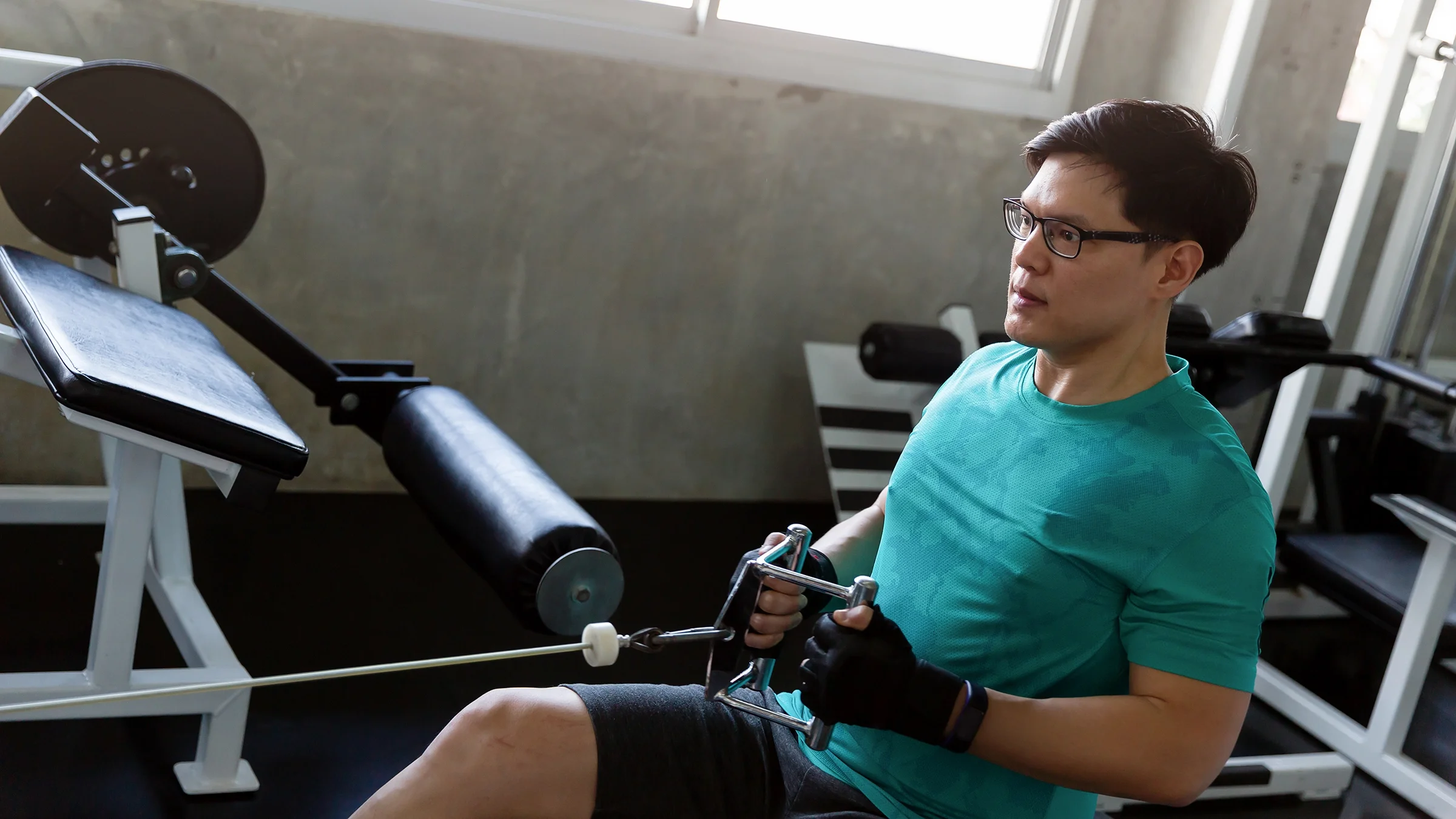
Using gym equipment safely and effectively depends on proper usage techniques. Correct methods help prevent injuries and improve workout results. Focus on learning how to handle each machine with care and precision. This ensures you get the most benefit from your exercises.
Reading Instruction Manuals
Instruction manuals provide key information about gym equipment. They explain how to use the machine step-by-step. Manuals also highlight safety tips and common mistakes to avoid. Take time to read these guides before starting your workout. Understanding the instructions reduces the risk of injury. It also helps you use the equipment correctly and efficiently.
Correct Body Posture
Maintaining proper body posture is essential during exercise. It protects your joints and muscles from strain. Keep your back straight and shoulders relaxed. Align your knees with your feet for balance. Avoid locking your joints or twisting unnaturally. Using mirrors can help check your posture. Good posture improves exercise effectiveness and reduces pain.
Adjusting Settings For Comfort
Most gym machines have adjustable parts. These include seat height, resistance level, and handles. Adjust settings to match your body size and fitness level. Comfort during exercise lowers the chance of injury. It also makes workouts more enjoyable and sustainable. Test different settings before starting your routine. Make small changes until you find the best fit.
Safety Precautions
Safety is key when using gym equipment. Taking simple steps helps prevent injuries. It also makes workouts more effective and enjoyable. Always prioritize your well-being to get the best results.
Inspecting Equipment Before Use
Check all parts of the equipment before starting. Look for loose bolts, tears in cables, or worn grips. Make sure machines move smoothly and weights are secure. Report any damage to gym staff immediately. Using faulty equipment can cause accidents.
Wearing Appropriate Attire
Wear comfortable clothes that allow free movement. Choose shoes with good support and grip. Avoid loose clothing that can get caught in machines. Remove jewelry and secure long hair. Proper attire reduces the risk of slips and injuries.
Maintaining Hygiene
Wipe down machines before and after use. Use gym-provided disinfectant sprays or wipes. Wash hands regularly to reduce germs. Carry a clean towel to absorb sweat. Keeping equipment clean protects you and others from illness.

Credit: www.youtube.com
Maximizing Workout Efficiency
Maximizing workout efficiency means getting the best results from your time at the gym. Using gym equipment properly helps you build strength, improve endurance, and avoid injury. Focused effort and smart planning make every session count. Small changes in how you use equipment can boost your gains and keep workouts interesting.
Setting Realistic Goals
Set clear and achievable goals for your workouts. Choose targets that fit your fitness level and schedule. Goals can be about weight lifted, reps done, or time spent on machines. Realistic goals keep motivation high and prevent burnout. Write down your goals to stay focused and track success easily.
Tracking Progress
Keep a workout journal or use an app to record your sessions. Note the exercises, weights, sets, and reps completed. Tracking progress helps spot improvements and areas needing work. It encourages consistency and shows how far you have come. Review your records weekly to adjust workouts as needed.
Incorporating Variety
Change your workouts regularly to avoid plateaus. Use different machines and free weights to target muscles in new ways. Try various exercise styles like strength training, cardio, and flexibility work. Variety keeps workouts fresh and challenges your body. It reduces boredom and lowers the risk of injury.
Common Mistakes To Avoid
Using gym equipment effectively can transform your workouts, but certain mistakes can hold you back or even cause injury. Recognizing these common errors helps you stay safe and get the most from every session. Let’s look at what to avoid so your gym time truly counts.
Overloading Weights
It’s tempting to push yourself by adding heavy weights quickly. But jumping to heavier loads before your muscles are ready can strain joints and cause injury. Instead, focus on controlled progress—adding weight gradually while maintaining good form.
Think about the last time you felt shaky mid-set. Was that a sign to ease off? Listening to your body beats ego lifting every time. Can you lift heavier without compromising technique?
Skipping Warm-ups
Skipping warm-ups might save time, but it increases the risk of injury and reduces performance. Your muscles and joints need to prepare for the workout ahead. A simple 5-10 minute warm-up raises your heart rate and loosens tight muscles.
Try light cardio or dynamic stretches before hitting the machines. How much better would your workout feel if you started with a proper warm-up?
Ignoring Pain Signals
Feeling pain during exercise isn’t normal and should never be ignored. Pushing through pain can worsen injuries and delay progress. Distinguish between muscle fatigue and sharp or persistent pain—stop immediately if you experience the latter.
If you notice discomfort, adjust your form or reduce weight. When was the last time you paused to check if your pain was a warning sign?
Maintenance And Care
Proper maintenance and care keep gym equipment safe and effective. It helps extend the life of machines. Clean and well-checked equipment offers a better workout experience.
Neglecting maintenance can cause damage or injury. Regular attention prevents issues and saves money on repairs. Follow simple steps to maintain gym gear in top condition.
Regular Cleaning
Wipe down equipment after each use. Use a soft cloth and mild cleaner. Remove sweat, dust, and dirt to prevent damage. Clean handles, seats, and screens carefully.
Deep clean weekly or monthly depending on use. Avoid harsh chemicals that can harm surfaces. Keeping machines clean also reduces germs and bacteria.
Routine Equipment Checks
Inspect machines regularly for wear and tear. Check bolts, screws, and cables for tightness. Look for cracks or rust on metal parts. Test moving parts for smooth operation.
Note any unusual noises or stiffness. Routine checks catch problems early. Schedule inspections based on how often equipment is used.
Repair And Replacement
Fix minor issues immediately to avoid bigger problems. Replace worn or broken parts as soon as possible. Use manufacturer-approved parts for safety and fit.
Keep a log of repairs and replacements. Professional help is recommended for complex repairs. Proper care ensures equipment stays reliable and safe for users.
Credit: truefitness.com
Frequently Asked Questions
What Are The Basic Types Of Gym Equipment?
Basic gym equipment includes cardio machines, strength training machines, free weights, and resistance bands. Each serves different fitness goals.
How To Use Gym Machines Safely?
Start with a warm-up, adjust settings to your body, use proper form, and avoid heavy weights initially. Ask staff for guidance.
Which Gym Equipment Is Best For Beginners?
Treadmills, stationary bikes, and light free weights are ideal for beginners. They offer easy control and low injury risk.
How Often Should I Clean Gym Equipment?
Clean equipment before and after use with disinfectant wipes. This prevents germs and maintains hygiene for all users.
Conclusion
Using gym equipment helps build strength and improve health. Start slow and learn how each machine works. Stay consistent and keep your goals in mind. Safety matters—always use equipment properly to avoid injury. Enjoy the process and celebrate small progress.
Regular workouts can boost energy and mood. Keep trying, and you will see results over time. Gym equipment is a useful tool for fitness growth. Stay focused and make exercise part of your routine.







