
Imagine turning your unfinished basement into the perfect home gym—right where you feel most comfortable. No more crowded gyms or wasted time driving back and forth.
Your basement can become a space that motivates you, fits your style, and helps you reach your fitness goals. Whether you’re starting small or planning a full workout zone, this guide will show you how to make the most of your unfinished basement.
Ready to transform your space and boost your health? Keep reading to discover easy steps and smart ideas that work for you.

Credit: garagegymexperiment.com
Benefits Of A Basement Gym
Creating a home gym in your unfinished basement offers several advantages that go beyond just saving money on gym memberships. It transforms an often overlooked space into a practical area that supports your fitness goals. Let’s look at why a basement gym could be the perfect fit for your lifestyle.
Maximizing Unused Space
Basements are usually underused areas in many homes. Turning this space into a gym lets you make the most of your property without needing extra rooms or expansions.
You don’t have to worry about cluttering your living areas with workout gear. Instead, you convert a bare space into something valuable and functional.
Privacy And Convenience
Working out at home means you control your environment. Your basement gym offers privacy that public gyms can’t match, letting you exercise without distractions or waiting for equipment.
Think about the freedom to work out whenever you want, whether it’s early morning or late at night. No need to plan around gym hours or travel time.
Year-round Workout Access
Basements maintain a more stable temperature throughout the year. This means your gym stays comfortable whether it’s hot in summer or freezing in winter.
You can keep your fitness routine consistent without worrying about weather or seasonal closures. What’s stopping you from sticking to your goals every day?
Preparing Your Basement
Clear out clutter and check for moisture to create a safe space. Add proper lighting and ventilation for comfort. Level the floor to support gym equipment and prevent injuries.
Preparing your basement for a home gym involves crucial steps. Ensuring a safe and comfortable environment is key. This groundwork sets the stage for an ideal workout space.Assessing Moisture And Ventilation
Basements often face moisture issues. Check for any leaks or damp spots. A dehumidifier can help control moisture levels. Proper ventilation is important to maintain air quality. Consider installing exhaust fans or vents. They help circulate fresh air and remove humidity.Lighting And Electrical Needs
Good lighting is essential for any gym. Natural light boosts mood but may be limited in basements. Use bright, energy-efficient LED lights. Ensure electrical outlets are accessible for gym equipment. Plan for any additional power needs your equipment may require.Flooring Options For Safety
The right flooring prevents injuries during workouts. Rubber tiles provide excellent shock absorption and grip. Foam mats are another option for comfort and safety. Consider interlocking tiles for easy installation and maintenance. Always choose non-slip materials to avoid accidents.Choosing The Right Equipment
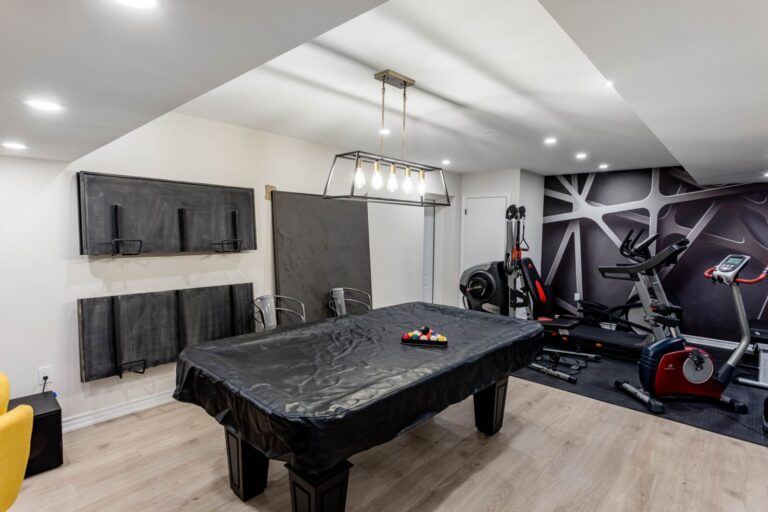
Choosing the right equipment for your unfinished basement home gym is key to creating a space that motivates you to work out consistently. You want gear that fits your fitness goals, available space, and budget without overwhelming the area. Consider what workouts you enjoy most and what equipment will help you stick to your routine.
Essential Cardio Machines
Cardio machines like treadmills, stationary bikes, or ellipticals are staples for any home gym. They help boost heart health and burn calories effectively. If space is tight, a foldable treadmill or compact stationary bike can fit neatly into corners or against walls.
Think about your preferred cardio style. Do you love running, cycling, or low-impact workouts? Choose a machine that feels enjoyable to you, so you’ll look forward to using it daily.
Strength Training Gear
Strength training builds muscle and improves overall fitness. Dumbbells, kettlebells, and adjustable weight benches offer great versatility without taking up much room. Free weights allow you to perform countless exercises targeting different muscle groups.
If you want to focus on bodyweight exercises, resistance bands provide adjustable tension and are super portable. You can even store them in a drawer when not in use, keeping your basement clutter-free.
Compact And Multi-use Tools
When space is limited, compact and multi-use equipment becomes a lifesaver. Items like suspension trainers, foldable benches, or all-in-one workout stations save space while offering diverse workout options.
Think about tools that serve multiple purposes. For example, a kettlebell can be used for swings, squats, and presses. This reduces the number of items you need, making your gym feel more open and inviting.
Credit: www.renoduck.com
Design Ideas For Motivation
Creating a motivating home gym in your unfinished basement takes more than just dropping in equipment. The design should inspire you to keep moving and push your limits every time you step in. Thoughtful choices in color, space, and storage can change the way you feel about your workouts.
Color Schemes And Decor
Colors have a powerful effect on your energy and mood. Bright hues like reds and oranges boost energy, while blues and greens promote calm focus. Choose a palette that fits how you want to feel during your workouts.
Adding simple decor like motivational posters or plants can make a big difference. I found that a bold wall decal with an inspiring quote keeps me going on tough days. What colors and decor make you want to move?
Mirrors And Visual Space
Mirrors do more than help with form; they make your gym feel bigger and brighter. Installing a large mirror or a few smaller ones can open up the room and give you visual feedback on your progress.
Try placing mirrors across from windows or light sources to maximize natural light. When I added a mirror to my basement gym, the space instantly felt less cramped and more inviting. How could a mirror change your workout vibe?
Storage Solutions
Clutter kills motivation. Without proper storage, your gym quickly looks messy and less appealing. Use wall-mounted racks, shelves, or bins to keep equipment organized and off the floor.
- Hooks for resistance bands and jump ropes
- Shelving for weights and kettlebells
- Storage benches that double as seating
I learned that a tidy space makes it easier to start workouts because everything is visible and accessible. What storage ideas could help you keep your gym ready for action?
Budget-friendly Tips
Creating a home gym in an unfinished basement can save money without losing quality. Smart budgeting helps build a functional workout space that fits your needs. Small changes and smart choices make a big difference.
Focus on simple ideas and affordable options to keep costs low. Use available space wisely and invest in essentials first. This approach makes the gym effective and budget-friendly.
Diy Projects
Building your own gym equipment saves a lot of money. Simple tools like wooden boxes or pallets can become workout benches or platforms. You can create pull-up bars from strong pipes or sturdy beams.
DIY mats and weight holders help organize the space. Personalizing your gym with your own hands brings pride and cuts costs. Many online tutorials guide you through easy projects.
Buying Used Equipment
Used gym equipment offers great value for less money. Check local online marketplaces or thrift stores for deals. Many items are gently used and still work well.
Look for dumbbells, kettlebells, resistance bands, and benches. Inspect equipment for safety and durability before buying. This approach stretches your budget while adding variety.
Prioritizing Key Investments
Spend money on versatile and durable equipment first. Focus on items that support multiple exercises, like adjustable dumbbells or a sturdy bench. These give you more workout options.
Skip expensive machines early on. Add specialized gear only when your budget allows. Prioritize flooring that protects your basement and your joints.
Maintaining Your Gym Space
Maintaining your unfinished basement home gym keeps it safe and inviting. A clean and organized space encourages regular workouts. Taking care of your equipment extends its life and saves money. Small habits make a big difference in your gym’s condition and your workout experience.
Cleaning And Upkeep
Dust and dirt build up quickly in unfinished basements. Sweep or vacuum the floor regularly to remove debris. Wipe down surfaces with a damp cloth to keep them fresh. Use a dehumidifier to prevent moisture and mold growth. Good air circulation helps reduce musty smells and keeps equipment dry.
Equipment Care
Check your workout machines and weights often for damage. Tighten bolts and screws to keep equipment safe. Clean sweat and grime from handles and seats after each use. Lubricate moving parts to ensure smooth operation. Store smaller items like resistance bands and mats properly to avoid damage.
Keeping The Space Organized
Designate areas for different types of equipment. Use shelves, hooks, and racks to keep items off the floor. Label bins or containers for smaller accessories. Keep a clear path for safe movement during workouts. Regularly put equipment back in its place to avoid clutter.

Credit: www.reddit.com
Frequently Asked Questions
How To Start Building An Unfinished Basement Home Gym?
Begin by clearing space and assessing floor and wall conditions. Choose durable flooring, proper lighting, and ventilation for comfort. Select essential gym equipment based on your workout needs and budget. Plan layout to maximize space and safety. This ensures a functional, motivating home gym setup.
What Flooring Is Best For An Unfinished Basement Gym?
Rubber flooring is ideal due to its durability and cushioning. It protects floors from heavy equipment and reduces noise. Foam tiles are budget-friendly but less durable. Avoid carpet as it traps moisture and odors. Choose moisture-resistant materials to maintain a clean, safe workout area.
How To Control Moisture In An Unfinished Basement Gym?
Use a dehumidifier to reduce humidity and prevent mold growth. Seal cracks and apply waterproof paint on walls and floors. Ensure proper ventilation by installing vents or fans. These steps keep the gym area dry, safe, and comfortable for exercising.
Can I Install Gym Equipment In A Low Ceiling Basement?
Yes, choose compact or foldable equipment suitable for low ceilings. Avoid tall machines like treadmills with high clearance needs. Utilize wall-mounted racks for weights and resistance bands. Proper equipment selection maximizes space and maintains safety during workouts.
Conclusion
Creating a home gym in your unfinished basement saves space and money. It offers privacy and convenience for daily workouts. You control the setup and equipment to fit your needs. This space can motivate you to stay active and healthy.
Start small, add gear over time, and enjoy your personal fitness area. A basement gym turns unused space into something useful and fun. It’s a smart way to improve your home and wellness at once.







