
When you step into a gym, the variety of equipment can feel overwhelming. But knowing which types of gym equipment suit your goals can make all the difference in your workout results.
Whether you want to build strength, improve endurance, or simply stay active, the right machines and tools are waiting for you. You’ll discover the key types of gym equipment and how each one can help you get closer to your fitness goals.
Ready to find out what works best for you? Let’s dive in.
Cardio Machines
Cardio machines are a staple in gyms because they help you boost heart health, burn calories, and improve endurance. These machines offer different ways to get your heart rate up while being low impact or high intensity, depending on what you need. Whether you prefer running, cycling, or rowing, there’s a cardio machine that fits your style and fitness goals.
Treadmills
Treadmills let you walk, jog, or run indoors, no matter the weather. You can adjust the speed and incline to challenge yourself or keep it easy on your joints. Many treadmills come with built-in programs that simulate hills or interval training, pushing you to improve your stamina.
Ellipticals
Ellipticals offer a smooth, low-impact workout that’s easier on your knees and hips. They combine arm and leg movement, giving you a full-body exercise without the harsh impact of running. If you want to protect your joints but still get a solid cardio session, this machine is a smart choice.
Stationary Bikes
Stationary bikes are perfect if you want a seated workout that targets your legs and core. They come in upright and recumbent styles, so you can pick the one that’s most comfortable for your back. Plus, you can easily adjust resistance to make your ride tougher as you get stronger.
Rowing Machines
Rowing machines engage multiple muscle groups, combining cardio with strength training. They work your arms, legs, and core, making every stroke count. If you haven’t tried rowing before, it’s worth a shot—it feels different from other cardio workouts and keeps things interesting.
Stair Climbers
Stair climbers mimic the action of climbing stairs and build powerful leg muscles. This machine can quickly elevate your heart rate while strengthening your glutes, quads, and calves. Wondering if it’s too tough? You control the pace, so you can start slow and ramp up as you improve.

Credit: www.yanrefitness.com
Strength Training Equipment
Strength training equipment builds muscle and enhances overall fitness. It includes a variety of tools designed to target different muscle groups. Each type serves a specific purpose, allowing for diverse workouts. Let’s explore some popular options.
Free Weights
Free weights include dumbbells, barbells, and weight plates. They help build muscle strength and improve balance. With free weights, you can perform exercises like squats and bench presses. They allow for a full range of motion, engaging multiple muscles.
Weight Machines
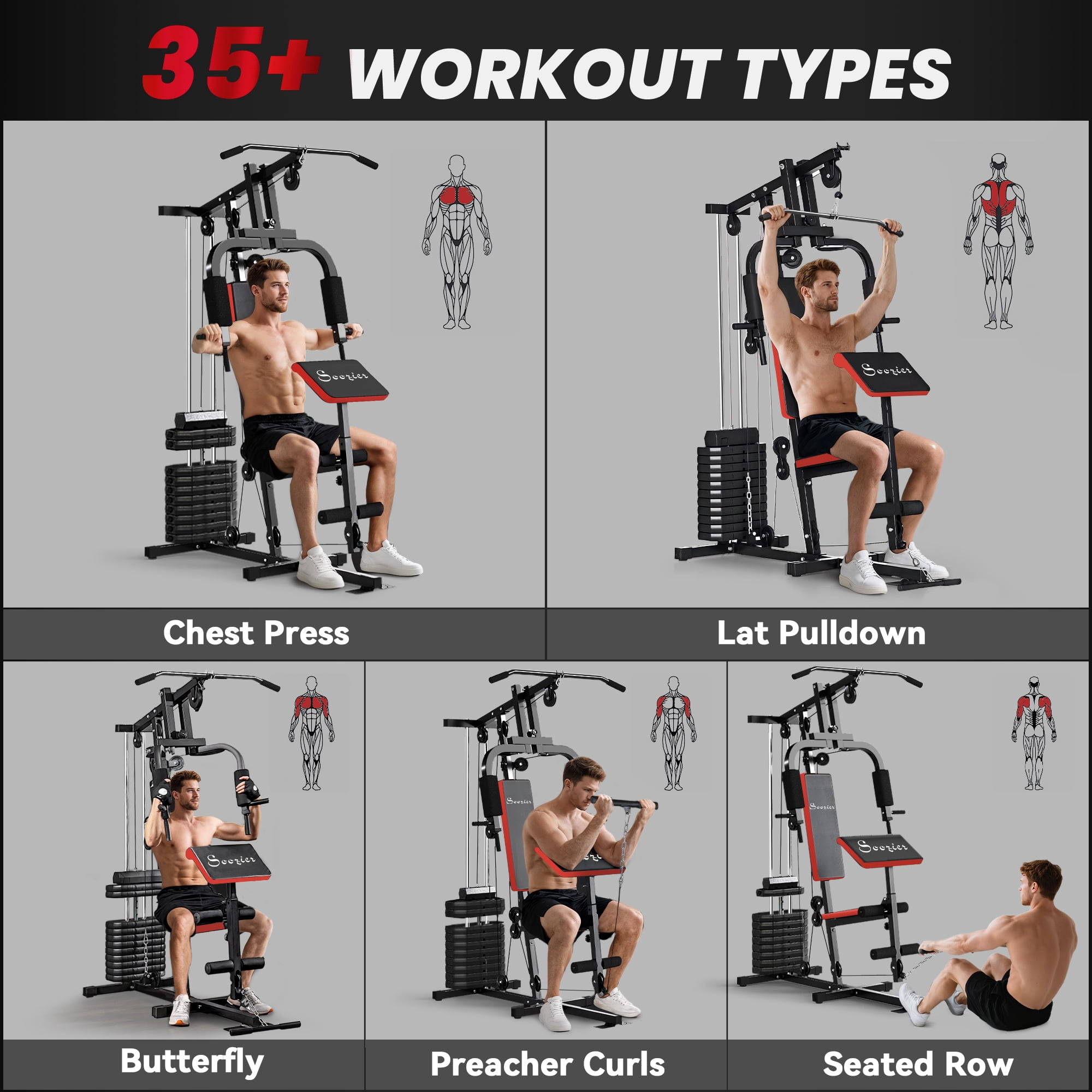
Weight machines target specific muscles with guided movements. They are ideal for beginners due to their stability and ease of use. Common types include leg press and chest press machines. These machines help isolate muscles for focused workouts.
Resistance Bands
Resistance bands are elastic bands that offer resistance for workouts. They are lightweight and portable, making them great for home use. With bands, you can perform exercises like bicep curls and leg extensions. They provide a versatile workout option.
Kettlebells
Kettlebells are cast iron weights with a handle. They enhance strength and endurance. Popular exercises include swings and goblet squats. Kettlebells engage multiple muscle groups for a dynamic workout.
Bodyweight Tools
Bodyweight tools use your body weight for resistance. Pull-up bars and push-up handles are common examples. They help improve strength and flexibility. Bodyweight exercises can be done anywhere, offering convenience and variety.
Functional Training Gear
Functional training gear helps improve strength, balance, and coordination. It mimics real-life movements and boosts overall fitness. This gear engages multiple muscle groups for effective workouts.
Medicine Balls
Medicine balls are weighted balls used for strength and power training. They come in various sizes and weights. You can throw, catch, or slam them for dynamic exercises. Medicine balls improve core strength and explosive power.
Battle Ropes
Battle ropes are thick, heavy ropes anchored to a point. They help build endurance and upper body strength. Moving ropes in waves or slams works arms, shoulders, and core. Battle ropes offer a high-intensity cardio and strength workout.
Trx Suspension Trainers
TRX suspension trainers use straps and handles for bodyweight exercises. They improve balance, strength, and flexibility. You can adjust difficulty by changing body position. TRX trainers target multiple muscle groups at once.
Plyometric Boxes
Plyometric boxes are sturdy platforms used for jump training. They help develop explosive power and agility. Exercises include box jumps, step-ups, and lateral hops. Plyometric training boosts speed and coordination.

Credit: insights.made-in-china.com
Flexibility And Recovery Tools
Flexibility and recovery tools play a crucial role in any workout routine. They help your body heal faster, reduce soreness, and improve your range of motion. Using the right tools can make a big difference in how you feel after a tough session.
Foam Rollers
Foam rollers are simple yet powerful tools for self-massage. Rolling out tight muscles helps increase blood flow and breaks up knots. I noticed that spending just 10 minutes with a foam roller after my workouts reduced stiffness the next day.
They come in different densities—softer ones are good for beginners, while firmer rollers provide deeper pressure. Try focusing on areas like your calves, quads, and back to relieve tension effectively.
Stretching Straps
Stretching straps assist you in reaching deeper stretches without straining. They are perfect for improving flexibility gradually, especially if you struggle to touch your toes or hold poses. Using a strap can help you maintain proper form and avoid injury.
One tip is to use the strap during your warm-up or cool-down to gently lengthen tight muscles. It’s a small investment that can boost your mobility over time.
Massage Guns
Massage guns deliver rapid pulses to sore muscles, speeding up recovery and reducing pain. They work well for targeting specific spots like knots or tight areas after intense training. I found that a quick 2-minute session with a massage gun helped me bounce back faster.
Choose a model with adjustable speed settings so you can control the intensity. Keep in mind to avoid using it on bones or joints to prevent discomfort.
Choosing The Right Equipment
Choosing the right gym equipment can make a huge difference in your workout routine. It’s not just about picking the latest or most popular gear. You need equipment that fits your personal needs, space, and safety requirements to keep you motivated and injury-free.
Goals And Fitness Level
Think about what you want to achieve first. Are you aiming to build muscle, improve cardio, or increase flexibility? Your fitness level plays a big role too; beginners might benefit more from simple machines, while advanced users may want free weights or specialized gear.
For example, if your goal is weight loss and endurance, a treadmill or stationary bike could be more useful than heavy dumbbells. On the other hand, strength training enthusiasts may prefer adjustable benches and barbells. What specific results do you want to see in three months?
Space And Budget
Not everyone has a dedicated room for a home gym. Measure your available space before buying anything bulky. Compact and foldable equipment can save room and still provide a solid workout.
Budget is equally important. You don’t need to spend a fortune to get effective gear. Start with versatile, multi-use equipment like kettlebells or resistance bands, which are affordable and take up little space. How much are you willing to invest without sacrificing quality?
Safety Considerations
Safety should never be overlooked. Check the build quality and stability of equipment before use. Look for features like non-slip grips, secure locking mechanisms, and proper weight limits.
Also, consider your own body’s needs. If you have joint issues, low-impact machines like ellipticals might be better than treadmills. Have you tested the equipment to ensure it feels comfortable and safe during your workout?
Maintaining Gym Equipment
Maintaining your gym equipment is crucial to keep your workouts safe and effective. Neglecting regular care can lead to breakdowns, accidents, and costly repairs. By investing a little time in upkeep, you extend the life of your machines and ensure they perform at their best every session.
Cleaning Tips
Wipe down machines after each use to remove sweat and dust. Use a mild detergent or disinfectant spray on surfaces, especially handles and seats, to prevent bacteria buildup.
Don’t forget to clean less obvious parts like cables and pulleys. A soft cloth or brush works well to reach tight spots. Regular cleaning keeps equipment hygienic and reduces wear from dirt and grime.
Regular Inspections
Check your equipment weekly for loose bolts, worn cables, or frayed belts. Catching these issues early prevents accidents and expensive fixes.
Test moving parts for smooth operation and listen for unusual noises. You might be surprised how a small squeak can point to a bigger problem ahead.
Storage Solutions
Keep your gym area organized by storing smaller equipment like dumbbells and resistance bands on racks or shelves. This reduces clutter and prevents tripping hazards.
For larger machines, ensure they’re positioned away from damp areas to avoid rust. Cover equipment not in use for long periods to protect from dust and sunlight damage.
Credit: www.walmart.ca
Frequently Asked Questions
What Are The Main Types Of Gym Equipment?
Gym equipment mainly includes cardio machines, strength training machines, free weights, and functional trainers. Each type targets different fitness goals like endurance, muscle building, or flexibility.
Which Gym Equipment Is Best For Weight Loss?
Cardio machines like treadmills, ellipticals, and stationary bikes are best for weight loss. They burn calories efficiently and improve heart health.
How Do Free Weights Differ From Machines?
Free weights allow more natural movement and engage stabilizer muscles. Machines guide your motion, making workouts safer for beginners and focused on specific muscles.
Can Gym Equipment Improve Overall Fitness?
Yes, gym equipment supports strength, endurance, flexibility, and balance training. Using varied equipment leads to a well-rounded fitness routine and better health results.
Conclusion
Choosing the right gym equipment helps you meet your fitness goals. Each type serves a different purpose and targets specific muscles. Free weights build strength and improve balance. Cardio machines boost heart health and burn calories. Resistance machines guide your movements safely.
Mixing equipment keeps workouts fun and effective. Start with what fits your needs and space. Consistency matters more than fancy gear. Enjoy your fitness journey step by step. Your body will thank you for the effort. Keep moving, stay healthy, and feel strong.







