
When you walk into a gym, the variety of exercise equipment can feel overwhelming. You might wonder which machines or tools are best for your goals.
Understanding the types of exercise equipment available can help you make smarter choices and get the most from your workout. You’ll discover the key gym equipment that can boost your strength, improve your cardio, and support your fitness journey. Ready to find out what gear suits you best?
Let’s dive in.

Credit: www.yanrefitness.com
Cardio Machines
Cardio machines are a staple in most gyms. They help improve heart health and burn calories efficiently. These machines fit all fitness levels and goals. Each offers a unique way to stay active and boost endurance.
Treadmills
Treadmills simulate walking or running indoors. Users can adjust speed and incline for varied workouts. They build stamina and strengthen leg muscles. Treadmills suit beginners and advanced exercisers alike.
Ellipticals
Ellipticals provide a low-impact cardio option. They move the arms and legs together for a full-body workout. These machines reduce stress on joints. Ellipticals improve balance and coordination.
Stationary Bikes
Stationary bikes offer seated cardio exercise. They come in upright and recumbent styles. These bikes enhance leg strength and endurance. They are gentle on knees and hips.
Rowing Machines
Rowing machines mimic rowing a boat. They target arms, legs, and core muscles. Rowing improves cardiovascular fitness and muscle tone. It is a total-body, low-impact workout.
Stair Climbers
Stair climbers simulate walking up stairs. They focus on lower body strength and endurance. These machines burn many calories quickly. Stair climbers are good for toning legs and glutes.
Credit: www.gofit-gym.com
Strength Training Equipment
Strength training equipment includes free weights, machines, and resistance bands. These tools help build muscle and improve strength effectively. Gyms offer a variety of options to suit different workout needs and skill levels.
Strength training is a cornerstone of fitness routines, offering myriad benefits like improved muscle tone, increased strength, and better bone health. When you walk into a gym, the variety of strength training equipment can be overwhelming. Knowing what each type of equipment offers can help you make the most of your workout. Let’s dive into the different types of strength training equipment you might encounter.Free Weights
Free weights are the classic go-to for building muscle and strength. They include dumbbells, barbells, and weight plates. These allow for a wide range of motion and can be used for various exercises such as bicep curls, squats, and bench presses. One thing you’ll love about free weights is their versatility; they let you work on multiple muscle groups in one session.Weight Machines
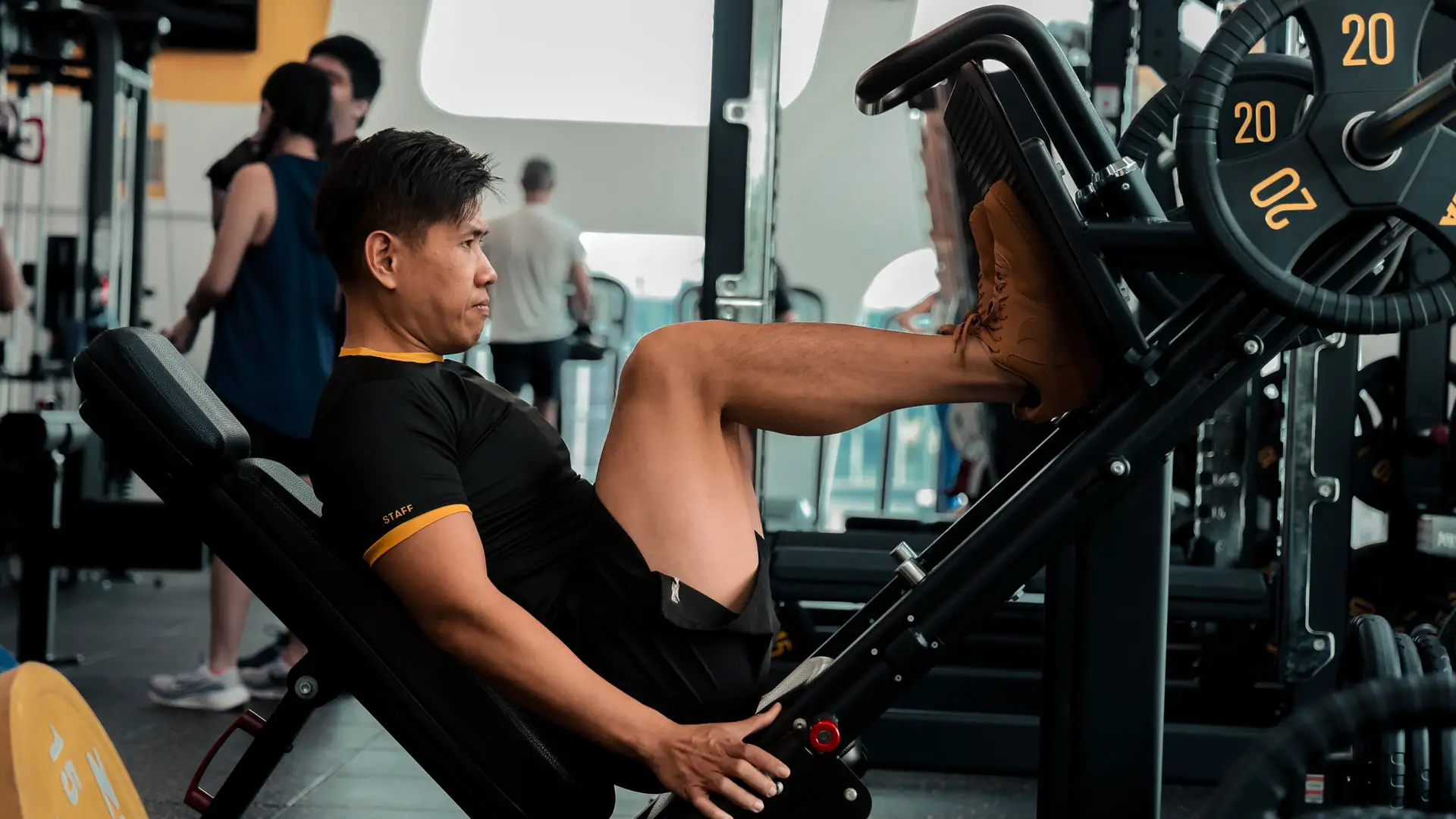
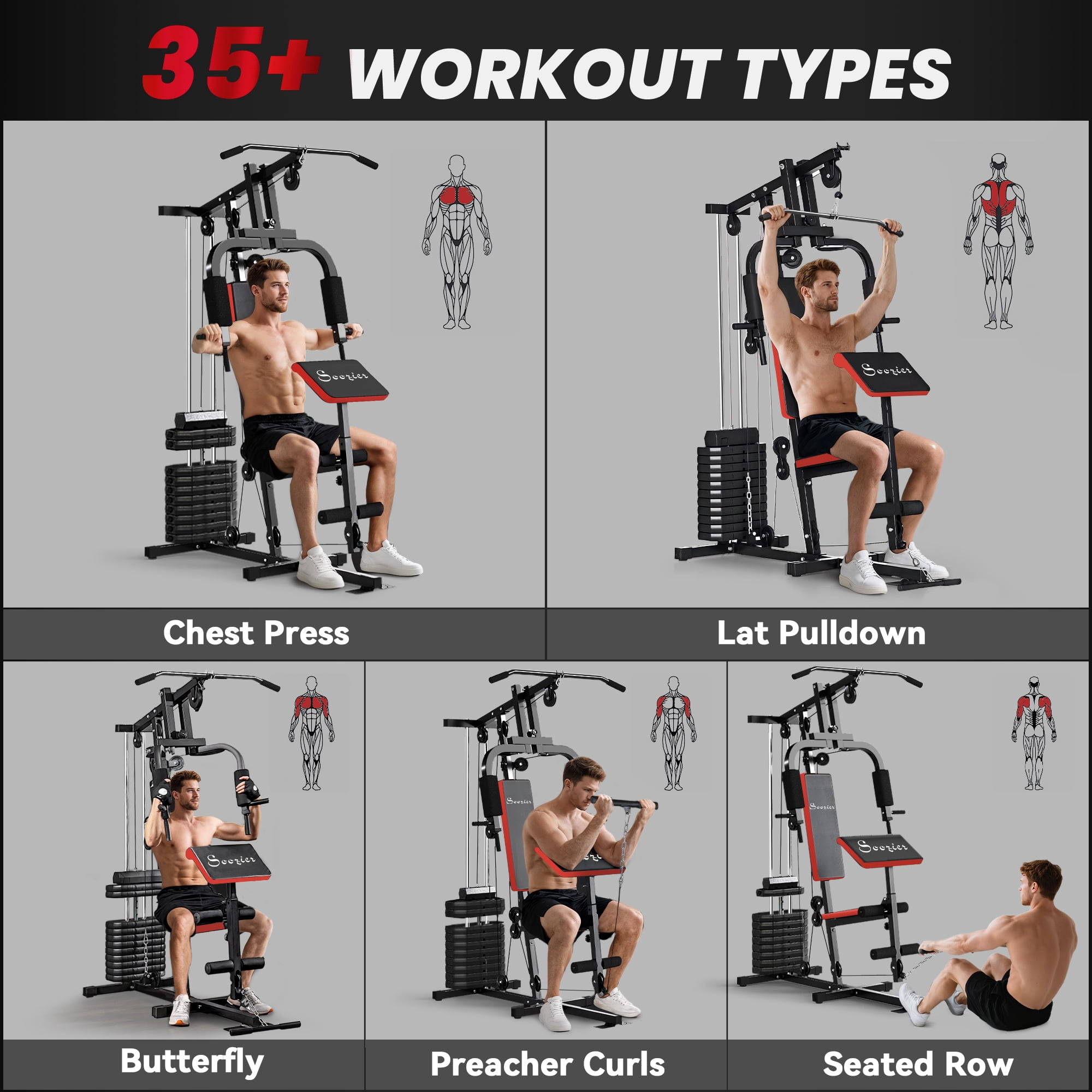
Weight machines provide support and stability, making them ideal for beginners. They guide your movement, ensuring proper form and reducing the risk of injury. Each machine targets specific muscle groups, such as the leg press for legs or the lat pulldown for back muscles. If you’re new to strength training, weight machines can be a great starting point.Resistance Bands
Resistance bands are compact, portable, and incredibly versatile. They offer varying levels of resistance, making them suitable for all fitness levels. You can use them for exercises like rows, squats, and lateral raises. Plus, they’re perfect for home workouts or when you’re traveling, offering you the flexibility to maintain your routine anywhere.Cable Machines
Cable machines are excellent for those looking to enhance their functional strength. They use a pulley system, allowing you to perform exercises that mimic real-life movements. Whether you’re doing tricep pushdowns or chest flies, cable machines offer a constant tension that helps build muscle endurance. Have you tried mixing cable exercises with your regular routine for an added challenge?Kettlebells
Kettlebells are unique in design, featuring a handle for easy grip, and they’re perfect for dynamic workouts. They’re fantastic for exercises that improve strength, balance, and flexibility, such as kettlebell swings and goblet squats. Kettlebells are great for high-intensity interval training (HIIT) sessions, offering a cardio twist to your strength training. Each of these equipment types has its own unique benefits and can help you achieve your fitness goals. Whether you’re lifting heavy with free weights or adding variety with resistance bands, there’s something for everyone in the world of strength training. Have you found your favorite type yet?Functional Training Tools
Functional training tools help improve strength, balance, and coordination. They focus on movements used in daily life. These tools engage multiple muscle groups at once. They enhance overall fitness and body control.
Medicine Balls
Medicine balls are weighted balls used for strength and power. They come in different sizes and weights. You can throw, catch, or slam them. They improve core strength and explosive movements.
Battle Ropes
Battle ropes are thick, heavy ropes anchored to a point. Users move the ropes in waves or slams. This builds upper body strength and endurance. It also boosts heart rate for cardio benefits.
Trx Suspension Trainers
TRX suspension trainers use straps and handles. They rely on body weight for resistance. This tool improves balance, strength, and flexibility. It allows many exercises targeting different muscles.
Plyometric Boxes
Plyometric boxes are sturdy platforms for jumping exercises. They increase power and speed through explosive movements. These boxes vary in height for different skill levels. They also help improve leg strength and agility.
Credit: www.walmart.ca
Flexibility And Recovery Gear
Flexibility and recovery gear plays a crucial role in any gym routine. This equipment helps muscles relax and recover after workouts. Using these tools regularly can reduce soreness and improve movement. They support better flexibility and prevent injuries during exercise.
Foam Rollers
Foam rollers are cylindrical tools made from dense foam. They help massage tight muscles by applying pressure. Rolling over muscles breaks up knots and boosts blood flow. Many gym users rely on foam rollers for faster recovery. They are simple to use and fit all fitness levels.
Stretching Straps
Stretching straps assist in extending muscles safely. They provide extra reach for deep stretches. These straps support proper form and help avoid overstretching. Stretching with straps increases flexibility over time. They are lightweight and easy to carry in a gym bag.
Massage Guns
Massage guns use rapid pulses to relax muscles deeply. They target specific areas of tension with strong vibrations. This gear improves circulation and speeds up healing after workouts. Many athletes and gym-goers use massage guns to ease soreness. They offer a hands-free way to relieve muscle pain.
Choosing Equipment For Goals
Choosing the right exercise equipment is key to making progress toward your fitness goals. Different machines and tools serve different purposes, so knowing what you want to achieve helps you pick the best option. Whether you want to lose weight, build muscle, increase endurance, or recover from injury, there is equipment designed specifically to support your journey.
Weight Loss
If your goal is weight loss, focus on equipment that burns calories efficiently. Cardio machines like treadmills, ellipticals, and stationary bikes are great for increasing heart rate and shedding pounds.
Try mixing steady-state cardio with interval training on these machines to keep your body guessing. Have you tried the rowing machine? It’s a full-body workout that can torch calories faster than you might expect.
Muscle Building
For muscle building, strength training equipment is essential. Free weights, resistance machines, and cable systems allow you to target specific muscle groups with controlled movements.
Don’t overlook the importance of proper form and gradually increasing weight. Have you ever noticed how a few extra pounds on your dumbbells can make a huge difference in your muscle gains?
Endurance
Endurance training requires equipment that supports longer, sustained workouts. Think about using stair climbers, rowing machines, or spin bikes that help build stamina over time.
Consistency is vital here. You might find that setting small goals on these machines, like increasing your distance by a few hundred meters weekly, keeps you motivated and improving steadily.
Rehabilitation
Rehabilitation equipment focuses on gentle, controlled movements to aid recovery. Resistance bands, balance boards, and light-weight machines help rebuild strength without risking injury.
Listening to your body is crucial during rehab. Have you noticed how slow, deliberate exercises on rehab equipment can speed up your recovery and prevent setbacks?
Safety Tips For Equipment Use
Using gym equipment safely is essential to avoid injuries and make your workouts effective. Even if you feel confident, small mistakes can lead to strains or worse. Paying attention to safety tips helps you protect your body and get the most out of your exercise routine.
Proper Form
Maintaining proper form is key to preventing injuries. If you’re unsure about how to use a machine or perform an exercise, ask a trainer for guidance. Poor form can stress joints and muscles unevenly, causing long-term damage.
Try to watch yourself in mirrors or record your movements to check your posture. Are you keeping your back straight during lifts? Small adjustments can make a big difference in safety and results.
Machine Settings
Adjust every machine to fit your body before starting. Seat height, handle position, and weight resistance should match your size and strength. Incorrect settings can force your body into awkward positions, increasing injury risk.
Many people skip this step in a rush, but taking a minute to personalize settings can save you from strains. Don’t hesitate to test the machine with light weights first to make sure it feels right.
Warm-up And Cool-down
Starting your workout with a warm-up prepares your muscles and joints for exercise. It increases blood flow and flexibility, reducing the chance of pulls or tears. Simple activities like walking or dynamic stretches work well.
Cooling down is just as important. It helps your body return to normal and lessens muscle soreness. Gentle stretching or slow cycling for a few minutes can make a big difference in recovery.
Spotting Techniques
Spotters provide crucial support during heavy lifts or unfamiliar exercises. If you’re lifting weights, always ask someone to spot you to prevent accidents. Learn how to communicate clearly with your spotter about when and how you need help.
A good spotter knows when to assist without interfering with your movement. If you don’t have a spotter, consider using machines that offer built-in safety features instead of free weights.
Maintaining Gym Equipment
Maintaining gym equipment is essential to keep machines safe and working well. Proper care helps prevent injuries and extends the life of the equipment. Gyms that focus on maintenance offer a better experience for all users.
Cleaning Protocols
Regular cleaning removes sweat, dust, and germs from machines. Use disinfectant sprays and wipes on handles, seats, and screens. Clean high-touch areas daily to reduce bacteria spread. Encourage gym users to wipe equipment after use. Proper cleaning keeps equipment hygienic and fresh.
Routine Inspections
Frequent checks identify problems before they grow. Inspect cables, bolts, and moving parts for wear and tear. Test machines to ensure smooth operation and safety. Keep a log of inspection dates and findings. Routine checks help avoid breakdowns and costly repairs.
Reporting Issues
Staff and gym users should report any damage immediately. Clear signs or a contact system help with quick reporting. Addressing problems fast prevents accidents and machine damage. A prompt response keeps the gym safe and equipment reliable.
Frequently Asked Questions
What Are The Main Types Of Gym Exercise Equipment?
Gym equipment mainly includes cardio machines, strength training machines, free weights, and functional training tools. Each type targets different fitness goals like endurance, muscle building, or flexibility.
How Do Cardio Machines Improve Fitness?
Cardio machines like treadmills and ellipticals boost heart health, burn calories, and increase stamina. They are essential for weight loss and improving overall cardiovascular endurance.
Why Use Free Weights Instead Of Machines?
Free weights enhance muscle coordination and balance by engaging stabilizing muscles. They offer versatile exercises and mimic natural body movements better than fixed machines.
What Is Functional Training Equipment Used For?
Functional training tools improve everyday movement, balance, and core strength. Examples include kettlebells, medicine balls, and resistance bands, which mimic real-life activities.
Conclusion
Choosing the right gym equipment helps you meet your fitness goals. Each machine targets different muscles and skills. Cardio machines boost heart health and stamina. Strength machines build muscle and improve tone. Free weights offer variety and flexibility in workouts.
Stretching tools aid recovery and prevent injury. Use equipment that fits your needs and comfort. Consistent exercise leads to better health and energy. Enjoy your workouts and stay motivated every day.







