
Have you ever wondered what fuels the vibrant energy and striking beauty of the toucan? These fascinating birds, with their iconic large bills and vivid plumage, captivate our attention.
But to truly understand them, you need to dive into their diet. Knowing what toucans eat not only reveals the secrets behind their stunning appearance, but also offers insights into their unique lifestyle and survival strategies in the wild. As you read on, you’ll discover surprising facts about their food preferences and how their diet supports their well-being.
Ready to uncover the mysteries of the toucan diet? Let’s explore together!
Natural Diet Of Toucans
Toucans are known for their vibrant colors and distinctive large bills, but their diet plays an equally fascinating role in their survival. Understanding what toucans naturally eat gives you insights into their behavior and habitat needs. Their diet is a mix of various natural foods that provide the energy and nutrients they need to thrive.
Fruits And Berries
Toucans mainly feast on a variety of fruits and berries found in tropical forests. They prefer soft, juicy fruits like papayas, mangoes, and figs. These fruits not only provide sweetness but also supply essential vitamins and hydration.
You might notice toucans spending a lot of time in fruiting trees, carefully selecting ripe pieces. This selective eating helps them avoid unripe or toxic fruits, showing how tuned they are to their environment.
Insects And Small Prey
Besides fruits, toucans hunt insects such as beetles, ants, and caterpillars. They also catch small lizards and bird eggs when available. This protein-rich diet supplements their nutrition, especially during breeding seasons when energy demands increase.
Have you ever thought about how their large bill helps with catching prey? It acts like a tool, allowing toucans to reach into tree holes and crevices where insects hide, making them efficient hunters despite their colorful appearance.
Nutritional Balance
The natural diet of toucans balances carbohydrates from fruits with proteins from insects and small animals. This mix supports their active lifestyle and vibrant plumage. Without this balance, toucans could suffer from nutritional deficiencies that affect their health and reproduction.
When caring for toucans in captivity, replicating this balance is crucial. Providing only fruits or only protein sources can lead to problems, so understanding their natural eating habits guides better care and conservation efforts.
Feeding Toucans In Captivity
Feeding toucans in captivity requires careful attention to their natural dietary needs. These vibrant birds thrive on a variety of fresh foods that provide essential nutrients. Understanding what to feed them and how often ensures they stay healthy and active.
Recommended Foods
Toucans enjoy a diet rich in fruits like papaya, mango, and berries. Adding some vegetables such as leafy greens and carrots can boost their vitamin intake. You should also include a high-quality pellet formulated for frugivorous birds to cover nutritional gaps.
Don’t forget to provide occasional protein sources like boiled eggs or mealworms. These additions mimic their wild diet and support strong beak and muscle development. Fresh water should always be available to keep your toucan hydrated.
Avoiding Harmful Items
Many foods that seem healthy can actually harm toucans. Avoid feeding them avocado, chocolate, caffeine, or anything containing salt or sugar. These substances can cause serious health issues or even be fatal.
Steer clear of processed human foods and seeds that are hard to digest. Toucans have sensitive digestive systems that require clean, natural ingredients. Are you confident that everything you offer your bird supports its well-being?
Feeding Frequency
Toucans do best with small, frequent meals throughout the day. Offering food 3 to 4 times daily helps maintain their energy and prevents overeating. Watch how much your toucan eats to adjust portions accordingly.
Young birds might need more frequent feedings compared to adults. Regularly cleaning leftover food is essential to avoid mold or bacteria growth. How often do you check your toucan’s feeding dish to ensure it’s fresh and inviting?
Seasonal Diet Changes
Toucans change their diet based on the seasons. Their food choices vary as the environment shifts. This helps them survive year-round. Understanding these changes reveals how toucans thrive in their habitats.
Availability Of Food Sources
Food types vary with the season. Fruits are abundant in some months and scarce in others. Toucans eat more insects and small animals when fruits are limited. They search widely for food to meet their needs. This flexibility keeps them healthy and strong.
Adapting To Climate Variations
Weather changes affect food supply and toucan behavior. Toucans adjust their feeding times during hot or rainy days. Cooler seasons may force them to eat different plants or animals. Their ability to adapt helps them survive climate shifts. This adaptability supports their survival in diverse environments.
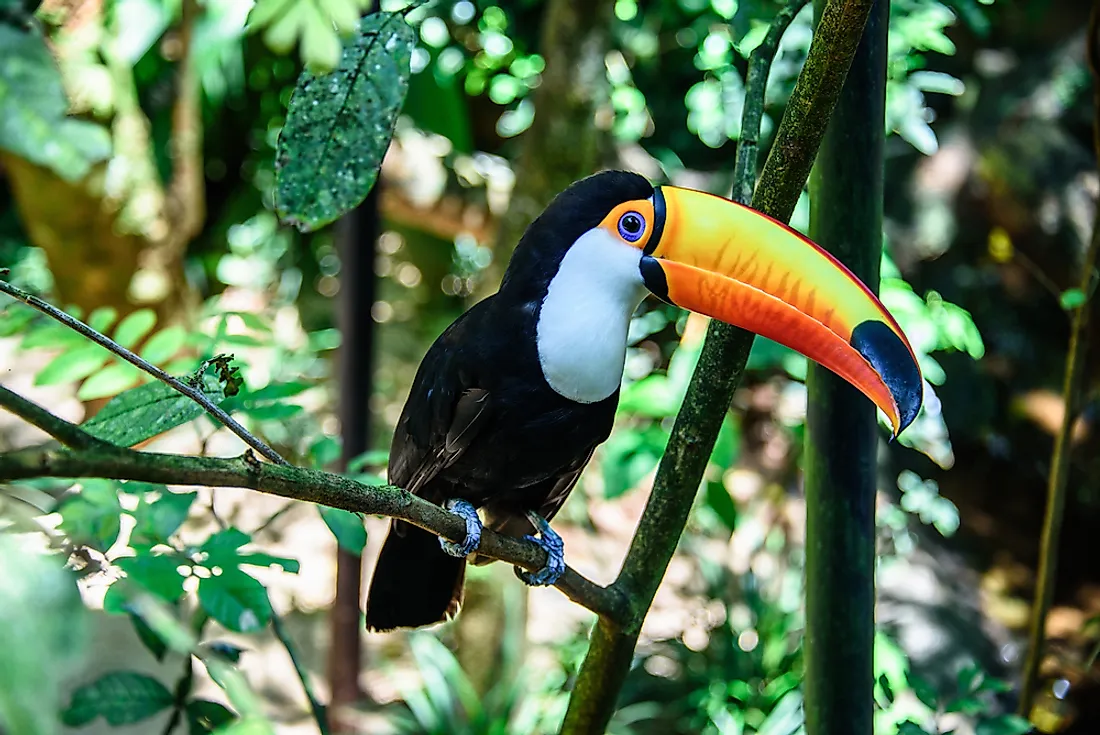
Credit: www.worldatlas.com
Supplements And Vitamins
Supplements and vitamins play a key role in a toucan’s diet. They help fill in nutrient gaps and support overall health. Toucans need a balanced mix of nutrients for vibrant feathers and strong bones.
Not every toucan needs supplements daily. But some situations call for extra care. Choosing the right vitamins helps keep your toucan active and happy.
When To Use Supplements
Supplements are useful during growth, illness, or stress. Young toucans require more vitamins for development. Sick birds may need extra nutrients to recover faster. Stress from moving or changes in environment can also increase vitamin needs.
Use supplements if your toucan’s diet lacks variety. Mainly fruit diets may not provide enough protein or minerals. Consult a vet before starting any supplements to avoid overdosing.
Common Vitamins For Toucans
| Vitamin | Benefit | Source |
|---|---|---|
| Vitamin A | Supports eye health and immune system | Carrots, sweet potatoes, leafy greens |
| Vitamin D3 | Helps calcium absorption for strong bones | Sunlight exposure, fortified pellets |
| Vitamin E | Protects cells and aids reproduction | Nuts, seeds, vegetable oils |
| Calcium | Essential for bone health and egg laying | Cuttlefish bone, mineral blocks, leafy greens |
Offer supplements in small amounts to avoid harm. Observe your toucan’s reaction and adjust accordingly. A balanced diet combined with the right supplements ensures a healthy toucan.
Hydration Needs
Understanding the hydration needs of toucans is essential for their health and well-being. These vibrant birds rely on consistent access to clean water to stay active and maintain their colorful feathers. Whether in the wild or captivity, water plays a critical role in their daily routine.
Water Sources In The Wild
Toucans find water naturally in their tropical habitats. They often drink from rainwater collected on leaves, small pools, or slow-moving streams. The moisture from their fruit-heavy diet also helps keep them hydrated.
Have you ever wondered how toucans stay hydrated during dry spells? They cleverly extract water from juicy fruits like papayas and guavas. This natural strategy reduces their need to seek out open water sources frequently.
Providing Water In Captivity
Keeping toucans hydrated in captivity means replicating these natural water sources. Fresh, clean water should be available at all times, preferably in shallow dishes to prevent accidental drowning. Changing the water daily ensures it stays free from bacteria and debris.
You might consider adding water-rich fruits to their diet to boost hydration naturally. Regularly misting the enclosure can also increase humidity, mimicking their native environment. How often do you check your toucan’s water supply to ensure it’s fresh and accessible?

Credit: www.shutterstock.com
Signs Of Poor Nutrition
Poor nutrition in toucans can lead to serious health issues. Early signs help identify problems before they worsen. Recognizing these signs helps protect your toucan’s well-being.
Behavioral Changes
Changes in behavior often indicate nutritional problems. A toucan may become less active or sleepy. Loss of appetite is a common warning sign. The bird might avoid social interaction or play. Increased irritability or aggression can also appear.
Physical Symptoms
Physical signs reflect poor diet effects on the body. Feathers may look dull, broken, or fall out. The toucan might develop swollen or pale skin. Weight loss or poor muscle tone is noticeable. Problems with balance or coordination can occur. Watch for changes in droppings as well.
Tips For Healthy Eating Habits
Eating healthy for your toucan is more than just picking the right foods. It’s about building habits that keep your bird vibrant and active every day. How can you make sure your toucan enjoys meals that meet their natural needs and taste preferences?
Creating A Balanced Diet Plan
A balanced diet for your toucan should include a variety of fruits, vegetables, and specially formulated pellets. You can add papaya, mango, and berries to their meals for natural sweetness and essential vitamins.
Don’t forget to mix in leafy greens like kale or spinach to provide minerals. Avoid feeding too much high-fat or sugary food, as it can lead to health problems.
- Offer fresh food daily to maintain nutrient quality.
- Rotate different fruits and veggies to keep meals interesting.
- Include a small amount of nuts for protein and healthy fats.
Encouraging Natural Foraging Behavior
Toucans are natural foragers, so mimicking this behavior helps keep their minds sharp and reduces boredom. Try hiding small pieces of food in safe foraging toys or among branches in their enclosure.
This simple activity encourages your toucan to work for their food, which can improve mental health and prevent overeating. Have you noticed how your bird reacts when food is presented as a challenge rather than a simple bowl?
- Use puzzle feeders that require problem-solving.
- Scatter fruit slices in different spots to encourage exploration.
- Change the arrangement regularly to keep your toucan curious.
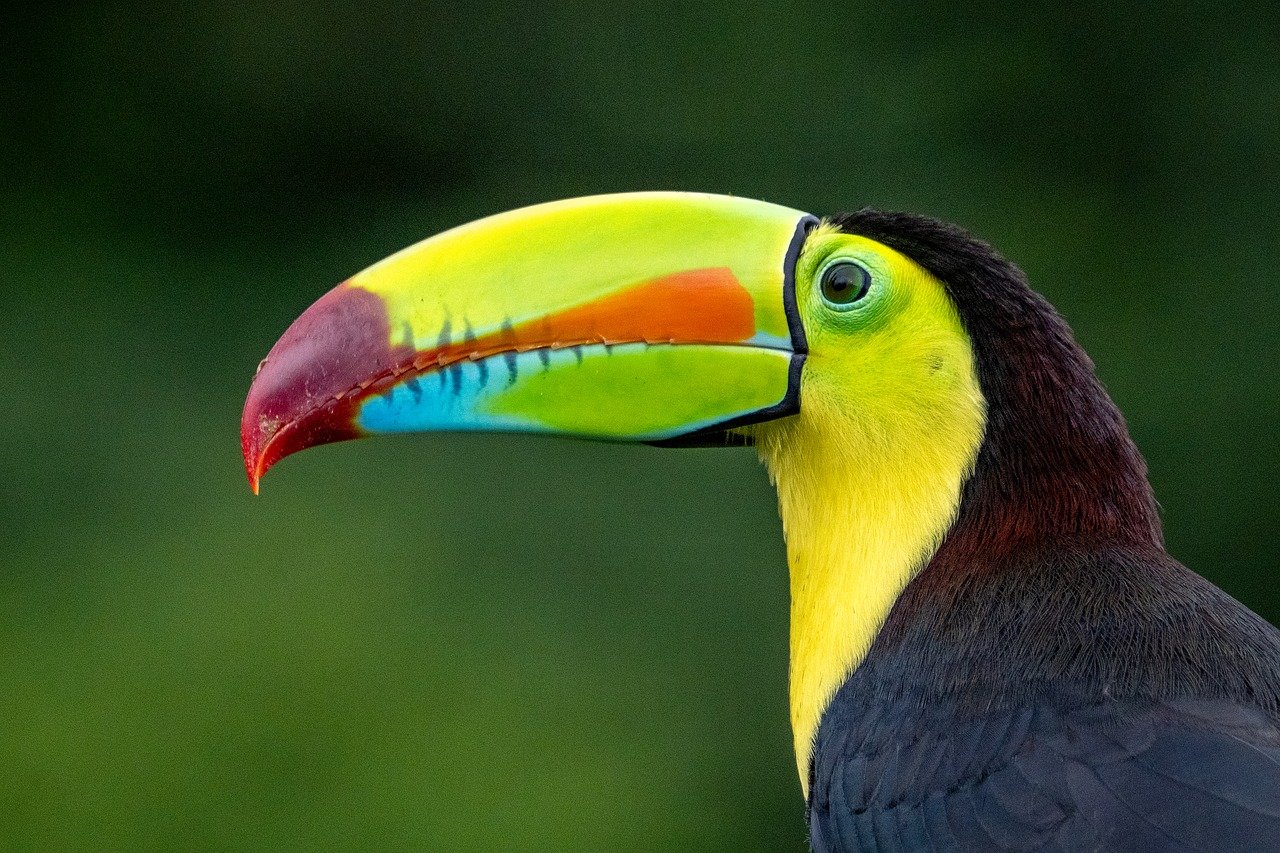
Credit: www.onekindplanet.org
Frequently Asked Questions
What Do Toucans Eat In The Wild?
Toucans primarily eat fruits, which make up most of their diet. They also consume insects, small reptiles, and eggs for protein. This varied diet helps toucans stay healthy and active in their natural forest habitats.
How Often Do Toucans Eat Daily?
Toucans typically eat several times a day, focusing on fresh fruits. They forage for food in the morning and late afternoon. Frequent feeding supports their high energy needs and vibrant health.
Can Toucans Eat Vegetables Or Nuts?
Yes, toucans can eat some vegetables like leafy greens and nuts. However, fruits should remain their main diet component. Nuts provide essential fats, but should be given in moderation.
Why Is Fruit Important In A Toucan’s Diet?
Fruit supplies toucans with essential vitamins, minerals, and hydration. It also provides natural sugars for energy. A fruit-rich diet keeps their beaks colorful and supports their overall well-being.
Conclusion
Toucans eat mainly fruits, but also insects and small animals. Their diet helps keep forests healthy by spreading seeds. Eating a variety of foods gives toucans the energy they need. Understanding their diet shows how important nature’s balance is. Watching toucans can teach us about wildlife and ecosystems.
Their simple food habits hold many secrets of the wild. Care for their habitats helps protect these colorful birds. Nature’s way, plain and clear.







