
Are you ready to transform your fitness routine and reach new heights? Discover the Tim Kennedy workout, a powerful regimen inspired by the discipline and resilience of one of the toughest men in mixed martial arts and the military.
Whether you’re a seasoned athlete or just starting your fitness journey, this workout promises to challenge your body, sharpen your mind, and ignite your motivation. You’ll learn the secrets behind Tim’s incredible strength and endurance, and find out how you can apply these techniques to see real results.
Ready to elevate your fitness game? Let’s dive in and unlock your full potential.

Credit: www.threads.com
Tim Kennedy’s Training Philosophy
Tim Kennedy’s training philosophy is built around creating a balanced and resilient athlete. He believes that true fitness is not just about lifting heavier or running faster, but about preparing your body and mind for real challenges. His approach blends strength, endurance, mental toughness, and functional movements to build a well-rounded performance.
Balancing Strength And Endurance
Tim doesn’t separate strength and endurance; he trains them side by side. You might see him doing heavy lifts one day and intense cardio the next. This balance keeps your muscles strong without sacrificing stamina, which helps you perform better in any situation.
He often mixes workouts like kettlebell swings with sprints or combines weightlifting with bodyweight circuits. This approach improves your muscle endurance and cardiovascular health simultaneously. Have you ever felt stronger but ran out of breath quickly? Tim’s method can help fix that.
Mental Toughness In Workouts
Physical training is just one part of Tim’s philosophy. He stresses mental toughness as equally important. Training your mind to push through pain, fatigue, or discomfort is what separates good athletes from great ones.
During his military and MMA career, Tim learned to focus under pressure. He encourages you to set small, tough goals during workouts that challenge your limits. Next time you want to quit mid-workout, ask yourself: how strong is your mental game?
Incorporating Functional Movements
Tim’s workouts include movements that mimic real-life actions. Instead of only using machines that isolate muscles, he uses exercises that engage multiple muscle groups at once. This makes your body more efficient and less prone to injury.
Think about lifting, twisting, pushing, and pulling—these are all functional movements Tim trains regularly. You’ll find exercises like deadlifts, farmer’s carries, and tire flips in his routines. Are your workouts helping you move better in everyday life or just making you look good in the gym?
Core Strength Exercises
Core strength exercises build a solid foundation for overall fitness. They improve posture, balance, and endurance. Tim Kennedy’s workout plan focuses on powerful moves that engage multiple muscle groups. These exercises help protect the spine and enhance daily movement. Strong core muscles reduce the risk of injury during sports and workouts.
Deadlifts And Squats
Deadlifts and squats target the lower back, hips, and legs. They activate the core for stability and control. Proper form is key to prevent injury and maximize benefits. These lifts build muscle strength and improve functional fitness. Tim Kennedy emphasizes controlled movements and steady breathing during these exercises.
Pull-ups And Push-ups
Pull-ups and push-ups engage the upper body and core simultaneously. Pull-ups strengthen the back and arms while requiring core tension. Push-ups target the chest, shoulders, and triceps with core support. Both exercises improve muscular endurance and body control. Kennedy’s workouts often include variations to increase difficulty and challenge the core.
Kettlebell Swings
Kettlebell swings boost power in the hips, glutes, and core. This dynamic movement trains the body to generate force efficiently. Maintaining a tight core protects the lower back throughout the swing. Tim Kennedy uses kettlebell swings to build explosive strength and stamina. They also improve coordination and cardiovascular fitness.
Conditioning Drills
Conditioning drills form the backbone of Tim Kennedy’s workout routine. These exercises boost endurance, strength, and mental toughness. They push your body to adapt and grow stronger. Focus and consistency are key to reaping benefits.
The drills combine power, speed, and stamina. They prepare you for real-world physical demands. Each drill targets different muscle groups and energy systems. This variety keeps the workouts challenging and effective.
High-intensity Interval Training (hiit)
HIIT uses short bursts of intense exercise followed by rest. It raises your heart rate quickly and burns calories fast. This method improves cardiovascular fitness and builds muscle endurance. Tim Kennedy includes sprints, burpees, and jump squats in his HIIT sessions. These exercises develop explosive power and speed.
Sled Pushes And Carries
Sled pushes and carries build raw strength and stamina. You push or carry heavy loads over short distances. This exercise targets legs, core, and upper body muscles. It simulates real-life strength tasks and improves overall conditioning. These drills increase power and muscular endurance simultaneously.
Battle Ropes
Battle ropes engage your entire body with fast, powerful movements. They improve grip strength, coordination, and cardiovascular health. Tim Kennedy uses waves, slams, and circles with the ropes. These moves build upper body strength and endurance. Battle ropes also challenge your core and boost overall stamina.
Mobility And Recovery
Mobility and recovery are crucial parts of Tim Kennedy’s workout routine. They help you move better and avoid injuries. Taking care of your body after tough sessions can boost your performance and keep you training longer.
Dynamic Stretching Routines
Dynamic stretching wakes up your muscles before training. It involves controlled movements that increase blood flow and prepare your joints. Try leg swings, arm circles, and hip openers to loosen up quickly.
These stretches improve your range of motion and reduce stiffness. Have you noticed how starting with dynamic stretches makes your workout feel smoother? Adding just five minutes can make a big difference in how you move.
Foam Rolling Techniques
Foam rolling helps release tight muscles and improve circulation. Rolling over sore spots breaks up knots and speeds up recovery. Use slow, steady pressure on areas like your calves, quads, and back.
Focus on tender spots but avoid rolling directly on bones or joints. Foam rolling can feel uncomfortable, but that tension is often where your body needs help most. How often do you spend time on self-massage after training?
Active Recovery Days
Active recovery means moving gently on your rest days. Activities like walking, swimming, or yoga increase blood flow without stressing your muscles. This helps flush out waste products and reduces soreness.
Instead of complete rest, these light workouts keep your body engaged and ready for the next hard session. Have you tried swapping a rest day for a low-intensity activity? You might find it speeds up how fast you bounce back.
Nutrition For Performance
Nutrition plays a key role in Tim Kennedy’s workout routine. It fuels the body and helps in recovery. Eating the right foods improves strength, endurance, and focus. Proper nutrition supports muscle growth and reduces fatigue during training. Understanding how to balance meals can boost your workout results.
Macronutrient Breakdown
Tim Kennedy focuses on a balanced mix of macronutrients. Proteins build and repair muscles. Carbohydrates provide energy for intense workouts. Fats support hormone production and overall health.
- Protein sources: lean meats, eggs, and dairy
- Carbohydrate sources: rice, oats, fruits, and vegetables
- Healthy fats: nuts, seeds, and olive oil
The right ratio depends on workout intensity and goals. A common split is 40% carbs, 30% protein, and 30% fats. This mix ensures steady energy and muscle repair.
Pre- And Post-workout Meals
Eating before workouts fuels your body. A meal with carbs and protein 1-2 hours before training works well. Examples include a banana with peanut butter or chicken with rice.
After workouts, focus on recovery. Protein helps repair muscles. Carbs restore energy. A simple post-workout meal might be a protein shake with fruit or grilled chicken with sweet potatoes.
Hydration Strategies
Staying hydrated is vital for performance. Water keeps muscles working and prevents cramps. Drink water throughout the day, not just during workouts.
During long or intense sessions, use electrolyte drinks. They replace salts lost through sweat. Avoid sugary drinks that cause energy crashes.
Small, regular sips of water keep you hydrated and alert. Proper hydration helps maintain strength and focus.
Credit: www.statesman.com
Sample Weekly Workout Plan
A Sample Weekly Workout Plan based on Tim Kennedy’s training style offers a balanced mix of strength, conditioning, and recovery. This plan helps you build muscle, improve endurance, and stay injury-free. You’ll see how structuring your week with clear goals each day can boost your results.
Strength Training Days
Strength days focus on heavy lifting with compound movements. Think squats, deadlifts, bench presses, and pull-ups. These exercises target multiple muscle groups, making your workouts efficient and powerful.
Try doing 4 sets of 6-8 reps for each major lift. Use challenging weights but maintain good form. You might feel your muscles burning, but that’s a sign you’re growing stronger.
- Monday: Lower body strength – squats, lunges, deadlifts
- Thursday: Upper body strength – bench press, rows, pull-ups
Conditioning Sessions
Conditioning sharpens your cardiovascular fitness and stamina. Tim Kennedy often blends high-intensity interval training (HIIT) with functional movements. This keeps your heart rate up and builds real-world endurance.
Try circuits that include sprints, kettlebell swings, and battle ropes. Work hard for 30-45 seconds, then rest for 15-30 seconds. Repeat for 4-6 rounds to feel the burn and improve your recovery speed.
- Tuesday: HIIT sprints and kettlebell circuits
- Friday: Mixed cardio with rowing and battle ropes
Rest And Mobility Focus
Rest days are just as important as workout days. They let your muscles repair and help prevent injuries. Adding mobility work on rest days improves flexibility and joint health.
Spend 20-30 minutes stretching, foam rolling, or doing yoga poses. These activities ease muscle tightness and prepare you for the next workout. Have you noticed how better mobility helps you lift heavier or run faster?
- Wednesday: Active recovery with stretching and light yoga
- Saturday: Foam rolling and mobility drills
- Sunday: Full rest or light walk

Credit: mymmanews.com
Frequently Asked Questions
What Is The Tim Kennedy Workout Routine?
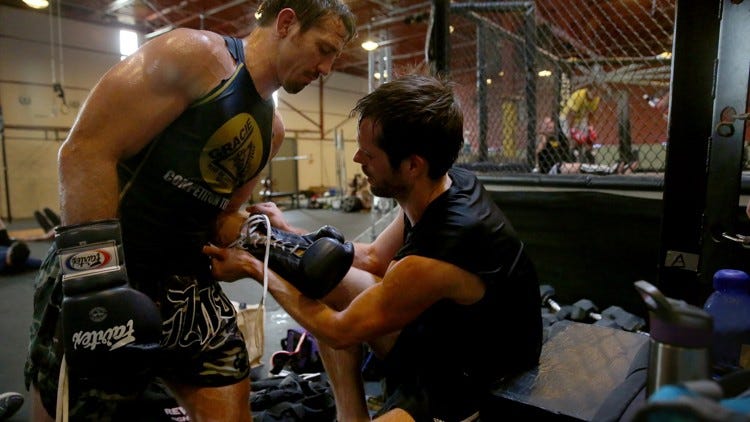
The Tim Kennedy workout routine combines strength training, MMA drills, and functional fitness. It focuses on building endurance, power, and agility. This routine suits athletes and fitness enthusiasts aiming for overall physical conditioning and combat readiness.
How Often Should You Do Tim Kennedy Workouts?
Tim Kennedy workouts are best done 4 to 5 times weekly. This frequency allows proper muscle recovery and endurance improvement. Consistency is key for achieving maximum strength and performance gains from his program.
What Equipment Is Needed For Tim Kennedy Workouts?
Tim Kennedy workouts require basic gym equipment like dumbbells, kettlebells, and a pull-up bar. MMA training may also involve gloves, pads, and a heavy bag. Minimal equipment makes it accessible for home or gym sessions.
Can Beginners Follow Tim Kennedy’s Workout Plan?
Yes, beginners can follow Tim Kennedy’s plan by scaling intensity and weights. Focus on mastering form and gradually increasing workout difficulty. Beginners benefit from his balanced approach to strength and endurance training.
Conclusion
Tim Kennedy’s workout shows how strength and skill grow together. It mixes hard training with smart rest. Anyone can follow these steps to get fitter and stronger. Small changes each day lead to big results. Stay consistent, focus on form, and keep pushing forward.
This plan suits many fitness levels and goals. Try the routine and see how your body improves. Fitness is a journey, not a race. Keep moving, stay patient, and enjoy the process.







