
Are you tired of struggling with weight gain during menopause? You’re not alone.
Many women find this stage of life challenging, especially when it comes to maintaining a healthy weight. But what if there was a simple way to tackle this issue? The Menopause Diet 5 Day Plan to Lose Weight is designed just for you.
It focuses on the unique needs of your changing body, helping you shed those stubborn pounds while feeling energized and revitalized. Imagine slipping into your favorite jeans again and feeling confident in your skin. Curious to know how this diet can work wonders for you? Keep reading to discover how you can transform your health and well-being in just five days.

Credit: www.amazon.com
Menopause And Weight Gain
Menopause brings many changes to a woman’s body. One common concern is weight gain. This weight gain feels different and harder to manage. Understanding why it happens helps manage it better. The body’s metabolism and hormones shift, making weight control tricky. Let’s explore the main reasons behind weight gain during menopause.
Hormonal Changes Impacting Metabolism
During menopause, estrogen levels drop sharply. Estrogen helps regulate fat storage and energy use. Lower estrogen slows down metabolism. The body burns fewer calories at rest. This change causes fat to accumulate more easily.
Testosterone levels also decrease. Testosterone helps build muscle mass. Less muscle means a slower metabolism. Fat replaces muscle, making weight gain more common. These hormonal shifts affect how the body handles food and energy.
Common Weight Gain Patterns
Weight gain during menopause often targets the belly area. Fat moves from hips and thighs to the abdomen. This central fat is linked to higher health risks. Women may notice their clothes fit tighter around the waist.
Overall, weight gain is usually gradual but steady. The scale might show a few pounds each year. This slow increase can add up over time. Recognizing these patterns helps catch weight gain early.
Challenges In Losing Weight
Menopausal weight is harder to lose than before. A slower metabolism means fewer calories burned. Hunger and cravings can increase due to hormone shifts. Sleep problems and stress add to the difficulty.
Muscle loss reduces strength and activity levels. Less activity means fewer calories burned daily. Many women feel tired and less motivated to exercise. These factors combine to make weight loss a challenge.
Credit: www.etsy.com
Key Principles Of The Menopause Diet
The Menopause Diet focuses on nutrition that supports hormonal balance and weight loss. It helps manage common menopause symptoms like hot flashes and low energy. The diet works by choosing the right foods and avoiding those that cause inflammation or weight gain. Understanding the key principles makes following the plan easier and more effective.
Balancing Macronutrients
Macronutrients include carbohydrates, proteins, and fats. A balanced intake of these helps keep blood sugar steady. This balance reduces cravings and supports metabolism. Healthy fats from sources like nuts and olive oil promote hormone health. Complex carbs such as whole grains provide lasting energy. Protein helps maintain muscle mass, which often declines during menopause.
Importance Of Fiber And Protein
Fiber aids digestion and helps control appetite. It also lowers cholesterol and supports heart health. Protein boosts metabolism and repairs body tissues. It keeps you full longer, preventing overeating. Good protein sources include lean meats, beans, and dairy. High-fiber foods include vegetables, fruits, and whole grains.
Foods To Avoid
- Sugary snacks and drinks that cause blood sugar spikes
- Refined carbohydrates like white bread and pastries
- Processed foods high in unhealthy fats and salt
- Excessive caffeine which can worsen hot flashes and sleep issues
- Alcohol that may disrupt hormone balance and increase weight gain
5 Day Meal Plan Overview
The 5 Day Meal Plan offers a clear path to help you manage weight during menopause. Each day targets a specific goal, making it easier to focus on your body’s needs. This approach breaks down complex nutrition into simple, doable steps that fit into your daily routine.
Day 1: Clean And Energize
Start by removing processed foods and added sugars to reset your system. Focus on whole foods like fresh vegetables, lean proteins, and healthy fats. This helps boost your energy and sets a strong foundation for the days ahead.
Day 2: Boost Metabolism
Include metabolism-boosting foods such as green tea, chili peppers, and protein-rich meals. Eating small, balanced meals every 3-4 hours keeps your metabolism active. Have you noticed how your energy shifts when you eat consistently throughout the day?
Day 3: Stabilize Blood Sugar
Balance your meals with fiber, protein, and healthy fats to avoid blood sugar spikes. Choose complex carbs like quinoa, sweet potatoes, and legumes. This helps reduce cravings and supports steady mood and energy.
Day 4: Support Hormone Balance
Add foods rich in omega-3s, magnesium, and antioxidants to support your hormones. Think salmon, spinach, and nuts. These nutrients can ease common menopause symptoms and help your body find balance.
Day 5: Detox And Renew
Focus on hydration and gentle detoxifiers such as lemon water, green leafy vegetables, and herbal teas. This day helps flush out toxins and renew your system. How might your body respond to a day dedicated to cleansing and rest?
Sample Recipes And Snacks
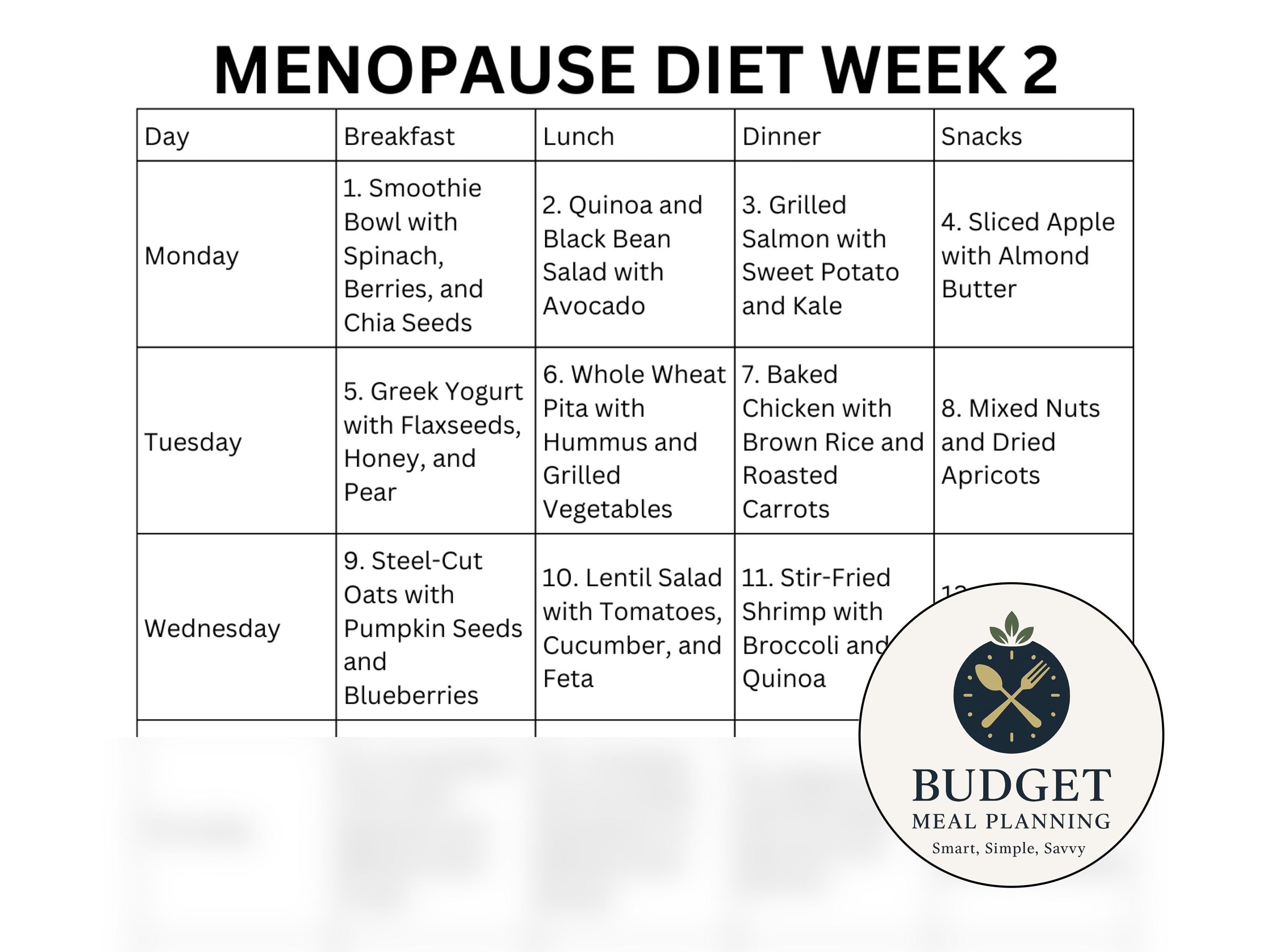
Choosing the right foods during menopause can make a big difference in your energy levels and weight management. The following sample recipes and snacks are designed to fit into a 5-day plan that supports your body’s changing needs. Each meal is balanced, nutrient-rich, and easy to prepare, helping you stay on track without feeling deprived.
Breakfast Ideas
- Greek Yogurt with Berries and Chia Seeds:Combine a cup of Greek yogurt with fresh blueberries and a tablespoon of chia seeds. This mix provides protein, fiber, and antioxidants to kickstart your day.
- Oatmeal with Almond Butter and Sliced Banana:Cook oats with water or almond milk, then add a spoonful of almond butter and banana slices for healthy fats and natural sweetness.
- Vegetable Omelette:Whisk two eggs and add chopped spinach, tomatoes, and mushrooms. Cook in a non-stick pan for a filling and low-carb breakfast option.
Lunch And Dinner Options
- Grilled Salmon with Quinoa and Steamed Broccoli:Salmon provides omega-3 fats, while quinoa adds protein and fiber. Steamed broccoli offers essential vitamins and minerals.
- Chicken Salad with Mixed Greens and Avocado:Toss grilled chicken with leafy greens, cherry tomatoes, cucumber, and sliced avocado. Dress with olive oil and lemon juice for a light but satisfying meal.
- Stir-Fried Tofu with Vegetables and Brown Rice:Use firm tofu, bell peppers, snap peas, and carrots. Stir-fry with a splash of low-sodium soy sauce for a plant-based, nutrient-dense dinner.
Healthy Snack Choices
- Handful of Mixed Nuts:Almonds, walnuts, and pistachios provide good fats and protein, keeping hunger at bay between meals.
- Apple Slices with Peanut Butter:The crunch of apples paired with creamy peanut butter satisfies sweet and savory cravings while adding fiber and healthy fat.
- Carrot Sticks with Hummus:This combo delivers a dose of fiber and plant-based protein, perfect for a quick energy boost.
Which of these recipes fits your lifestyle best? Trying a few can help you discover what keeps you feeling full and energized throughout your menopause journey. Remember, simple ingredients can lead to powerful results.
Exercise Tips To Complement The Diet
Exercise is a key part of the menopause diet 5 day plan to lose weight. It helps burn calories and boosts metabolism. Exercise also supports muscle health, which can decline during menopause. Staying active improves mood and energy levels too.
Choosing the right types of workouts matters. Some exercises suit menopausal women better than others. Consistent movement each day also makes a big difference in weight loss results.
Best Workouts For Menopausal Women
- Walking:Low impact and easy to start.
- Strength Training:Builds muscle and increases metabolism.
- Yoga:Reduces stress and improves flexibility.
- Swimming:Gentle on joints and full body workout.
- Pilates:Enhances core strength and balance.
These workouts help manage weight and ease menopause symptoms. Aim for at least 30 minutes most days.
Incorporating Movement Daily
- Take short walks after meals to aid digestion.
- Use stairs instead of elevators.
- Stretch during breaks to reduce stiffness.
- Try light housework or gardening.
- Stand up and move every hour if sitting long.
Small, consistent movements add up. They keep the body active and support weight loss.

Credit: www.amazon.ca
Tracking Progress And Staying Motivated
Tracking your progress during the Menopause Diet 5 Day Plan is key to staying motivated and focused on your weight loss journey. It’s easy to get discouraged if you only look at the numbers on the scale. But there are many ways to measure success that go beyond just weight.
Measuring Success Beyond The Scale
Have you noticed how your clothes fit differently after just a few days? That’s a clear sign of progress. Pay attention to changes in your energy levels, mood, and sleep quality too. These improvements show your body is responding well to the diet.
Try keeping a journal with notes about your physical and emotional changes. Take body measurements once a week—waist, hips, and thighs—to track fat loss more accurately. Photos can also reveal progress you might miss day-to-day. These simple actions help you see the full picture of your success.
Tips For Long-term Commitment
Staying motivated means making the plan fit your life, not the other way around. Plan your meals ahead to avoid last-minute choices that don’t support your goals. Surround yourself with supportive friends or join online groups where you can share your experiences.
Set small, achievable goals like drinking more water or adding a 10-minute walk daily. Celebrate these wins—they build momentum. Ask yourself: What one change can I keep doing after these five days to feel even better?
- Keep a progress chart visible to remind yourself of daily wins.
- Mix up your meals to avoid boredom and stay excited.
- Allow yourself flexibility; occasional treats won’t ruin your progress.
- Focus on how good you feel, not just on losing pounds.
Remember, motivation fluctuates. Use your progress tracking tools to refocus and keep moving forward. How will you measure your success today?
Frequently Asked Questions
What Foods Are Best For Menopause Weight Loss?
Focus on whole foods like fruits, vegetables, lean proteins, and whole grains. These support metabolism and hormone balance. Avoid processed foods, excess sugar, and unhealthy fats to reduce inflammation and promote steady energy levels during menopause.
How Does The 5-day Menopause Diet Plan Work?
The 5-day plan uses balanced meals to boost metabolism and manage cravings. It incorporates nutrient-rich foods that support hormone health. This short-term plan jumpstarts weight loss and helps establish healthy eating habits for menopause.
Can The Menopause Diet Reduce Hot Flashes?
Yes, foods rich in phytoestrogens like flaxseeds and soy can help. These plant compounds mimic estrogen and may ease hot flashes. Staying hydrated and avoiding spicy foods also reduces flare-ups.
Is Exercise Included In The Menopause Diet Plan?
While the plan focuses on diet, combining it with regular exercise enhances weight loss. Strength training and cardio improve metabolism and muscle mass. Exercise also supports mood and bone health during menopause.
Conclusion
This 5-day menopause diet plan helps support healthy weight loss. It focuses on balanced meals with whole foods and nutrients. Simple changes can ease menopause symptoms and boost energy. Small steps build lasting habits for better health. Stay consistent and patient to see real progress.
Your body will thank you with more strength and comfort. Keep this plan as a guide on your wellness journey.







