
Are you looking for a workout that fits into your busy schedule but still delivers fast, powerful results? The Tabata workout plan might be exactly what you need.
This high-intensity interval training method boosts your metabolism, burns fat, and builds strength—all in just a few minutes a day. Imagine getting fitter, stronger, and more energized without spending hours at the gym. Keep reading, and you’ll discover how to easily start your own Tabata workout plan and transform your fitness routine for good.
What Is Tabata Training
Tabata training is a powerful workout style that boosts fitness quickly. It uses very short bursts of intense exercise followed by brief rest periods. This method challenges your body and improves both strength and endurance in less time. Many people choose Tabata for its efficiency and fat-burning effects.
Origins And History
Tabata training began in Japan in the 1990s. Dr. Izumi Tabata and his team studied high-intensity interval training. They tested athletes using a specific pattern of exercise and rest. Their research showed this method improved aerobic and anaerobic fitness. The name “Tabata” comes from the lead scientist.
Basic Structure
A Tabata workout lasts only four minutes. It has eight rounds of 20 seconds work and 10 seconds rest. You repeat this cycle with maximum effort during work periods. Exercises can be anything from squats to push-ups or sprints. The short rest keeps the heart rate high and muscles working hard.
Why It Burns Fat Fast
Tabata training raises your heart rate quickly. It pushes your body to use more oxygen after the workout. This effect, called excess post-exercise oxygen consumption (EPOC), burns calories even while resting. The intense effort also improves metabolism. You get a fast, effective fat burn in a short time.

Credit: www.thalinepal.com
Benefits Of Tabata Workouts
Tabata workouts offer a powerful mix of intensity and efficiency that can fit into even the busiest schedules. The benefits go beyond just saving time—they impact your metabolism, heart health, and muscle strength in ways that traditional workouts might not. Understanding these benefits can help you decide if Tabata is the right fit for your fitness journey.
Time Efficiency
Tabata workouts last only about 4 minutes per round, making them perfect for quick exercise sessions. You don’t need an hour at the gym to get effective results. Have you ever felt too busy to work out? With Tabata, you can add a powerful workout to your day in the time it takes to watch a TV commercial break.
Improved Metabolism
One of the standout benefits of Tabata is how it boosts your metabolism. The high-intensity intervals push your body to burn calories even after the workout ends. This “afterburn” effect means you keep burning fat long after you stop exercising, which is a game-changer for weight management.
Enhanced Cardiovascular Health
Tabata workouts push your heart rate up quickly, improving your cardiovascular fitness over time. Regular sessions can help lower blood pressure and increase your stamina. Imagine having more energy throughout your day just by committing to a few short bursts of exercise.
Muscle Toning And Strength
Because Tabata includes exercises like squats, push-ups, and burpees, it builds muscle tone and strength effectively. The rapid intervals challenge your muscles to adapt and grow stronger. If you want noticeable muscle definition without spending hours lifting weights, Tabata can deliver.
Key Principles Of Tabata Workouts
Understanding the key principles of Tabata workouts is essential to maximize their effectiveness. These principles shape how you approach each session, ensuring you get the most out of every minute. The right balance of intensity, rest, variety, and safety can transform your workout experience.
High-intensity Intervals
Tabata workouts revolve around short bursts of maximum effort. You push yourself hard for 20 seconds, giving your all during that time. This high intensity is what triggers your body to burn more calories and improve cardiovascular fitness.
Think about the last time you sprinted full speed—Tabata captures that energy but in a controlled, repeatable format. Have you noticed how quickly your body reacts when you suddenly increase effort? That’s the power of high-intensity intervals.
Short Rest Periods
After each 20-second burst, you rest for only 10 seconds. These brief breaks keep your heart rate elevated while allowing just enough recovery to prepare for the next round. The short rest periods make Tabata workouts incredibly time-efficient.
If you rest too long, your body cools down and the workout loses its punch. Too little rest, and you risk burning out before completing the full set. Finding that sweet spot of 10 seconds is crucial for sustaining intensity.
Exercise Variety
Using different exercises keeps your body guessing and prevents boredom. You can mix in moves like squats, push-ups, burpees, or jumping jacks. Changing exercises every round challenges different muscle groups and keeps the workout balanced.
When I switched from just doing sprints to adding bodyweight exercises, I noticed better overall strength and less fatigue. What exercises do you enjoy that you could fit into a Tabata routine? Variety can be your secret weapon.
Proper Form And Safety
Maintaining proper form during high-speed intervals is non-negotiable. Even though you’re pushing hard, sloppy technique can lead to injury. Focus on quality movements rather than speed alone.
Listening to your body is part of safety, too. If an exercise causes pain or discomfort, modify it or switch to a safer alternative. Have you ever pushed through pain only to regret it later? Tabata works best when your body stays healthy.
Credit: appadvice.com
Designing Your Tabata Plan
Designing your Tabata workout plan involves careful choices to maximize results. This plan must fit your fitness level and goals. The right setup keeps you motivated and safe. Focus on exercise selection, timing, scheduling, and tracking progress for best outcomes.
Choosing Exercises
Select exercises that target different muscle groups. Include moves that raise your heart rate quickly. Some good options:
- Jump squats
- Push-ups
- Burpees
- Mountain climbers
- High knees
- Plank holds
Mix strength and cardio for balance. Avoid complex moves if you are a beginner.
Setting Interval Timings
Tabata follows a pattern of intense work and rest. Standard timing is 20 seconds of work and 10 seconds of rest. Repeat this cycle 8 times for 4 minutes total. Adjust the work period if needed:
- Start with 15 seconds work for beginners
- Increase to 30 seconds for more challenge
- Keep rest periods short to maintain intensity
Weekly Schedule Tips
Plan your workouts to allow recovery days. A sample week might look like this:
| Day | Activity |
|---|---|
| Monday | Tabata workout |
| Tuesday | Light cardio or rest |
| Wednesday | Tabata workout |
| Thursday | Stretching or yoga |
| Friday | Tabata workout |
| Saturday | Active rest (walk, bike) |
| Sunday | Full rest |
Adjust days based on your schedule and energy levels.
Tracking Progress
Keep a workout log to note exercises, intervals, and feelings. Track improvements in:
- Number of repetitions per interval
- Ability to maintain intensity
- Overall endurance and strength
Review your log weekly. Celebrate small wins to stay motivated.
Sample Tabata Workouts
Sample Tabata workouts offer a clear path to start or improve your fitness routine. They fit into busy schedules and give quick, intense exercise bursts. Each workout focuses on different skill levels and goals. This helps you find the right challenge and stay motivated.
Beginner Routine
- Jumping jacks – 20 seconds
- Rest – 10 seconds
- Bodyweight squats – 20 seconds
- Rest – 10 seconds
- Wall push-ups – 20 seconds
- Rest – 10 seconds
- Marching in place – 20 seconds
- Rest – 10 seconds
Repeat this cycle 2 to 3 times. Focus on form and steady breathing.
Intermediate Routine
- Burpees – 20 seconds
- Rest – 10 seconds
- Jump squats – 20 seconds
- Rest – 10 seconds
- Push-ups – 20 seconds
- Rest – 10 seconds
- Mountain climbers – 20 seconds
- Rest – 10 seconds
Complete 3 to 4 rounds. Keep a strong pace but control your movements.
Advanced Routine
- High knees – 20 seconds
- Rest – 10 seconds
- Jump lunges – 20 seconds
- Rest – 10 seconds
- Clap push-ups – 20 seconds
- Rest – 10 seconds
- Bicycle crunches – 20 seconds
- Rest – 10 seconds
Perform 4 to 5 rounds. Push hard but listen to your body.
Tabata For Different Fitness Goals
| Goal | Exercise Focus | Example Moves |
|---|---|---|
| Fat Loss | High-intensity cardio | Burpees, mountain climbers, jump squats |
| Muscle Strength | Bodyweight resistance | Push-ups, lunges, planks |
| Endurance | Continuous movement | Jumping jacks, high knees, marching |
| Flexibility | Dynamic stretching | Arm circles, leg swings, hip openers |
Choose exercises that suit your goal. Adjust intensity and rest accordingly.
Common Mistakes To Avoid
Tabata workouts are intense and effective but easy to mess up. Avoiding common mistakes helps you get the best results safely. These errors can cause injury, slow progress, or make workouts less effective. Focus on good habits for a better Tabata experience.
Skipping Warm-ups
Warm-ups prepare your body for the intense exercise ahead. Skipping this step raises injury risk and reduces performance. Spend 5 to 10 minutes warming up with light cardio and dynamic stretches. This helps your muscles and joints get ready to move fast.
Poor Exercise Technique
Using wrong form can cause pain or injury during Tabata. Keep your movements controlled and precise, even when tired. Watch your posture and alignment closely. Quality beats speed. Learning the correct technique protects your body and improves results.
Ignoring Recovery
Rest is part of training, not a break from it. Ignoring recovery leads to fatigue and slower progress. Take rest days between sessions and get enough sleep. Use light activity or stretching on off days to help muscles heal.
Overtraining Risks
Doing Tabata too often or too hard can harm your body. Overtraining causes soreness, tiredness, and lower immune function. Limit intense workouts to 3-4 times per week. Listen to your body and reduce intensity or rest if needed.
Nutrition Tips For Faster Fat Loss
Nutrition plays a key role in speeding up fat loss during a Tabata workout plan. Eating the right foods supports energy, muscle repair, and overall performance. Proper nutrition helps burn fat more efficiently and keeps you feeling strong.
Pre-workout Fueling
Eating before Tabata workouts provides energy and improves focus. Choose foods with simple carbs and a bit of protein. Examples include a banana with peanut butter or a small yogurt cup. Avoid heavy meals that cause sluggishness.
Post-workout Recovery Meals
After Tabata, your body needs nutrients to rebuild muscles and recover. Aim for a balanced meal with protein, carbs, and healthy fats. Grilled chicken with quinoa and veggies works well. This helps reduce soreness and supports fat loss.
Hydration Strategies
Staying hydrated is crucial during intense Tabata sessions. Drink water before, during, and after workouts. Dehydration lowers performance and slows fat burning. For longer workouts, add a pinch of salt or electrolyte drinks.
Supplements To Consider
Supplements can aid fat loss but are not magic. Protein powder helps meet daily protein needs. Green tea extract may support metabolism. Always choose quality products and consult a healthcare provider first.
Credit: www.lemon8-app.com
Tracking Results And Staying Motivated
Tracking your progress is key to staying motivated with a Tabata workout plan. Seeing changes keeps you focused and driven. Regularly checking your results helps you understand what works best.
Small wins build confidence. They push you to keep going. Without tracking, it’s easy to lose sight of your goals.
Measuring Fat Loss
Fat loss is a common goal with Tabata workouts. Use simple tools like a tape measure to track inches lost. Weigh yourself at the same time weekly. Note changes in how your clothes fit. Progress might be slow but steady.
Remember, fat loss is not just about the scale. Muscle gain can change your shape without big weight shifts. Focus on how you feel and look.
Using Fitness Apps
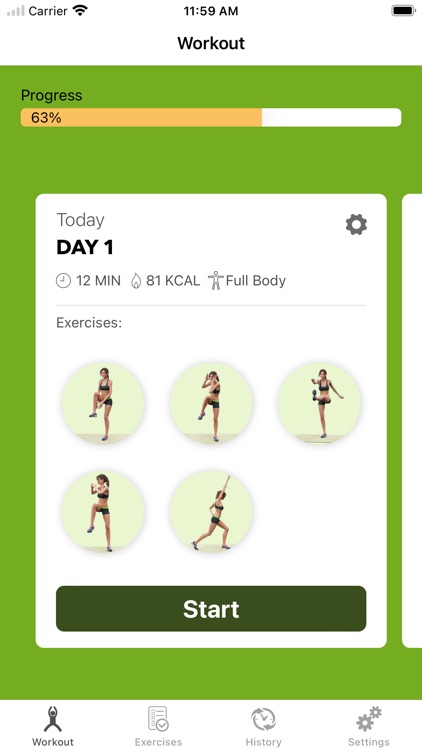
Fitness apps simplify tracking your workouts and results. They record exercise time, intensity, and calories burned. Some apps offer reminders to keep you consistent. Many provide charts to show your progress visually.
Choose an app that fits your needs. Easy-to-use apps work best for beginners. Track your workouts and review your data weekly to stay on track.
Setting Realistic Goals
Set clear and achievable goals for your Tabata routine. Short-term goals help maintain focus. Examples include completing all intervals or improving your time. Long-term goals might be losing inches or boosting endurance.
Write down your goals and review them often. Adjust goals as you progress. Realistic goals keep frustration away and build motivation.
Maintaining Consistency
Consistency is the foundation of success in any workout plan. Plan your workouts like important meetings. Find a time that suits your daily routine. Stick to it even on busy days.
Mix up exercises to keep workouts interesting. Rest days are important to recover. Small, regular efforts lead to lasting change.
Frequently Asked Questions
What Is A Tabata Workout Plan?
A Tabata workout plan is a high-intensity interval training (HIIT) method. It involves 20 seconds of intense exercise followed by 10 seconds of rest. This cycle repeats 8 times, totaling 4 minutes. It boosts metabolism, improves endurance, and burns fat efficiently.
How Often Should I Do Tabata Workouts?
For beginners, 2-3 times per week is ideal. Advanced exercisers can do it 4-5 times weekly. Rest days are essential to allow muscle recovery. Overdoing Tabata can cause burnout or injury. Listen to your body and adjust frequency accordingly.
What Exercises Work Best In Tabata Training?
Effective Tabata exercises include burpees, squats, push-ups, jumping jacks, and mountain climbers. These movements engage multiple muscle groups and elevate heart rate quickly. Choose exercises that match your fitness level. Variety helps target different muscles and prevents boredom.
Can Tabata Workouts Help With Weight Loss?
Yes, Tabata workouts increase calorie burn both during and after exercise. The intense intervals boost your metabolism and fat oxidation. Combined with a healthy diet, Tabata is effective for fat loss. Consistency is key to seeing long-term results.
Conclusion
A Tabata workout plan offers efficient, high-intensity exercise. It fits busy schedules. Just four minutes can boost your fitness. Burn calories. Improve endurance. Boost metabolism. Try different exercises within the plan. Stay consistent for better results. Enjoy improved health and fitness.
Remember to listen to your body. Rest when needed. Always start with a warm-up. Cool down after workouts. Stay hydrated. Tabata workouts can be challenging but rewarding. Suitable for many fitness levels. Ready to get started? Embrace the challenge and enjoy the benefits.







