
Are you ready to take your fitness to the next level without needing heavy equipment or a gym membership? A suspension workout plan could be exactly what you need.
This type of training uses your own body weight and gravity to challenge your muscles in new ways. It’s efficient, effective, and can be done almost anywhere. Imagine building strength, improving balance, and burning calories—all in one simple routine. Keep reading, and you’ll discover how to create a suspension workout plan that fits your goals and transforms your body faster than you think.
Benefits Of Suspension Training
Suspension training offers a unique way to enhance your fitness. It uses your body weight and gravity for resistance. This method challenges muscles in new ways. It also improves multiple areas of physical health. The benefits are clear and wide-ranging.
Improved Strength
Suspension training builds muscle strength effectively. It targets multiple muscle groups at once. Exercises involve pushing, pulling, and holding your body weight. This leads to stronger arms, legs, and back. Strength gains improve daily activities and sports performance.
Enhanced Flexibility
Many suspension exercises require full range of motion. This helps stretch muscles during workouts. Increased muscle length reduces stiffness and injury risk. Flexibility improves joint health and movement ease. It supports better posture and body control.
Core Stability
The core is engaged constantly in suspension workouts. Holding balance activates deep abdominal muscles. This builds a strong, stable midsection. Core stability protects the spine from injuries. It also improves overall body strength and coordination.
Increased Balance
Suspension training challenges your balance with unstable positions. The body learns to stabilize quickly during exercises. This enhances coordination and body awareness. Better balance reduces falls and improves athletic skills. It benefits all age groups and fitness levels.
Essential Equipment
Suspension training needs specific gear for a safe and effective workout. The right equipment helps target muscles and improve stability. Prepare your space and tools carefully to get the best results. Knowing what you need keeps your sessions smooth and injury-free.
Choosing The Right Suspension Trainer
Select a suspension trainer that fits your fitness level and goals. Look for strong, adjustable straps with comfortable handles. Check the weight limit to match your body weight. Some trainers come with extra features like door anchors or resistance bands. Choose one that suits your workout style and space.
Safety Gear And Accessories
Use safety gear to protect your body during exercises. A non-slip mat provides grip and cushions your joints. Wear athletic shoes with good support to avoid slipping. Keep a towel and water nearby to stay dry and hydrated. Consider wrist supports if you have weak joints or past injuries.
Setting Up Properly
Secure the suspension trainer to a strong anchor point. This can be a door, beam, or wall mount. Ensure the anchor can hold your full body weight. Adjust the straps so they are even and tight. Test the setup by gently pulling on the straps before starting exercises.
Basic Suspension Exercises
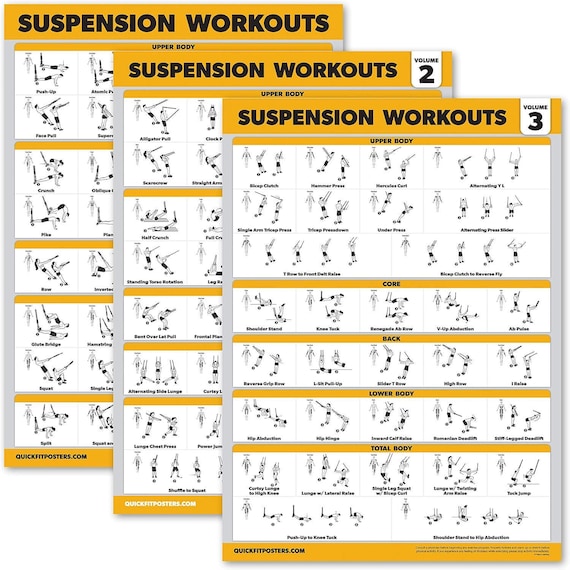
Suspension training uses straps to leverage body weight for strength exercises. It builds muscle, improves balance, and increases flexibility. Basic suspension exercises target multiple muscle groups efficiently.
These exercises suit beginners and help build a strong foundation. Focus on controlled movements and proper form. This approach reduces injury risk and maximizes benefits.
Rows And Pulls
Rows and pulls work your back, shoulders, and arms. Hold the straps and lean back with straight arms. Pull your chest toward the handles while squeezing shoulder blades. Lower slowly and repeat for several reps.
- Maintain a tight core throughout the movement.
- Keep your body in a straight line from head to heels.
- Adjust your feet position to change difficulty.
Push Movements
Push exercises focus on the chest, shoulders, and triceps. Face away from the anchor point and hold the straps. Lower your body by bending elbows, keeping your torso straight. Push back to the start position smoothly.
- Keep your shoulders down and away from ears.
- Engage the core to stabilize your body.
- Control the speed of each repetition for safety.
Leg Workouts
Leg exercises target quads, hamstrings, and glutes. Use straps to support one leg or both. Perform squats, lunges, or hamstring curls with controlled motions. Keep your knees aligned with your toes during moves.
- Balance on one leg for more challenge.
- Keep hips level and avoid leaning forward.
- Use slow, steady movements to engage muscles fully.
Core Drills
Core drills strengthen abs, obliques, and lower back. Suspend your feet or hands in straps and hold a plank. Add twists or knee tucks to increase intensity. Maintain a neutral spine and avoid sagging hips.
- Breathe evenly throughout each exercise.
- Focus on keeping your core tight and engaged.
- Start with shorter holds, then increase duration gradually.
Designing Your Workout Plan
Designing your suspension workout plan sets the foundation for success. A well-crafted plan matches your current fitness and goals. It helps you build strength and flexibility safely. Planning also keeps your workouts consistent and effective.
Assessing Your Fitness Level
Start by understanding your current fitness. Test your strength, endurance, and flexibility. Note any injuries or limits. This helps choose suitable exercises and avoid injury. Be honest about your abilities to track progress.
Setting Goals
Define clear and realistic goals for your suspension training. Goals can focus on strength, weight loss, or flexibility. Set short-term and long-term targets. Goals keep motivation high and guide your workout choices.
Balancing Strength And Flexibility
A good plan includes exercises for both strength and flexibility. Suspension training can build muscle and improve range of motion. Mix pushing, pulling, and core moves with stretching routines. Balance prevents injury and improves overall fitness.
Scheduling Sessions
Plan your workout days and rest days carefully. Aim for 3 to 4 sessions per week. Give muscles time to recover between workouts. Consistency is key to seeing progress. Use a calendar or app to track your schedule.
Advanced Suspension Techniques
Advanced suspension techniques push your workout beyond basic moves. These methods increase strength, balance, and muscle control. They challenge your body in new ways and improve overall fitness. Mastering these techniques requires focus and practice. Below are key approaches to intensify your suspension training.
Plyometric Moves
Plyometric moves use explosive power to boost strength and speed. These exercises involve quick jumps or pushes from the suspension straps. They engage fast-twitch muscle fibers for greater power development.
- Jump squats with straps for extra resistance
- Explosive push-ups using suspension handles
- Mountain climbers with feet suspended
Plyometric moves raise your heart rate and burn more calories. They improve coordination and agility. Use controlled landings to avoid injury.
Isometric Holds
Isometric holds work by keeping muscles tight without movement. These exercises increase endurance and improve muscle stability. Suspension straps add intensity by forcing balance and control.
- Plank holds with feet in straps
- Wall sits using suspension handles
- Body rows paused halfway up
Hold each position steadily for 20 to 60 seconds. Focus on breathing and maintaining proper form. Isometric holds build deep muscle strength over time.
Combining Movements For Intensity
Combining different moves adds challenge and variety. This method increases workout intensity and targets multiple muscle groups. It also improves coordination and endurance.
- Perform a row followed by a push-up without rest
- Mix lunges with bicep curls using the straps
- Combine plank holds with knee tucks
Move smoothly between exercises to maintain tension. This keeps muscles engaged and heart rate high. Combining movements creates a full-body workout in less time.

Credit: ericflag.com
Flexibility Focused Routines
Flexibility-focused routines in a suspension workout plan help improve your range of motion and reduce the risk of injury. These exercises stretch and strengthen muscles simultaneously, making your body more adaptable to daily movements. Let’s look at how you can use a suspension trainer to boost your flexibility effectively.
Stretching With Suspension Trainer
Using a suspension trainer for stretching adds controlled resistance, which deepens your stretch without forcing your muscles. You can target tight areas like hamstrings, shoulders, and hips by gently pulling your body weight against the straps.
- Try a hamstring stretch by placing one foot in the strap and leaning forward slowly.
- For shoulder flexibility, hold the handles and lean back, feeling the stretch across your chest and shoulders.
This method allows you to hold stretches longer and with better form. Have you noticed how hanging on the straps can release tension in your back more than floor stretches?
Mobility Flows
Mobility flows combine multiple movements to improve joint function and fluidity. Using the suspension trainer, you can move smoothly through a sequence of stretches and strengthening exercises.
- Start with a deep squat while holding the straps for balance.
- Transition into a hip hinge, reaching forward with your arms suspended.
- Finish by rotating your torso while keeping your feet grounded.
These flows challenge your coordination and control, which are key to better flexibility. How often do you actively work on moving your joints through their full range each day?
Recovery And Cool Down
After an intense workout, your body needs time to recover and reset. Suspension trainers help you cool down by providing gentle support during stretching and release techniques.
- Use the straps to support your body in a forward fold, easing tension in your lower back.
- Perform slow, controlled leg swings with one foot in the strap to relax tight hip flexors.
- Finish with deep breathing exercises while holding a supported chest opener stretch.
Taking time to cool down with the suspension trainer can reduce soreness and improve overall flexibility. What simple recovery habits have made the biggest difference in your flexibility journey?
Common Mistakes To Avoid
A suspension workout plan offers many benefits, but mistakes can slow progress or cause injury. Avoiding common errors helps ensure safe and effective training. Focus on proper technique and smart habits.
Poor Form
Maintaining correct posture is crucial. Slouching or letting your hips sag reduces workout benefits. Keep your body aligned and engage your core muscles. Proper form targets the right muscles and prevents pain.
Overtraining
Rest is part of any workout plan. Exercising too much can cause fatigue and injury. Muscles need time to recover and grow stronger. Plan rest days and listen to your body’s signals.
Ignoring Warm-ups
Skipping warm-ups increases the risk of injury. Warm muscles perform better and stretch more easily. Spend 5 to 10 minutes warming up with light cardio or dynamic stretches before starting the workout.
Neglecting Progression
Doing the same exercises at the same level limits results. Gradually increase difficulty by changing angles or adding reps. Progression challenges muscles and improves strength over time.
Credit: www.etsy.com
Tracking Progress And Adjustments
Tracking your progress and making adjustments is essential for success with a suspension workout plan. Without monitoring, it’s easy to lose sight of improvements or stay stuck in a routine that no longer challenges you. Paying attention to how you record workouts, adjust intensity, and set new challenges will keep your training effective and motivating.
Recording Workouts
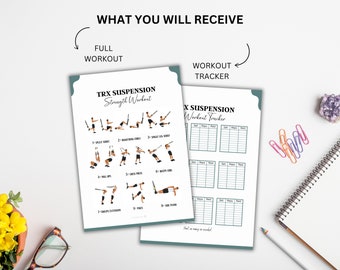
Keep a simple log of every session. Note the exercises, sets, reps, and how you felt during the workout.
Writing down details like time under tension or suspension angle can reveal subtle improvements. For example, increasing the angle in a suspended plank makes it harder without adding reps.
Use apps or a notebook—whatever fits your style. The key is consistency. Have you noticed how small changes add up when you track them?
Adjusting Intensity
Intensity isn’t just about adding more reps. You can change the suspension strap length, body angle, or speed of movement to make exercises harder or easier.
Listen to your body. If you breeze through a set, it’s time to ramp up. On tough days, dialing back prevents burnout.
Try slowing down the lowering phase of a movement to increase muscle engagement. Have you tried making a familiar move feel completely different by adjusting its speed?
Setting New Challenges
Once a workout feels manageable, it’s time to push your limits. Add new exercises that target different muscles or combine moves to create complex patterns.
Set measurable goals like increasing reps, holding a position longer, or mastering a new skill like a suspended pistol squat.
Challenge yourself with mini circuits or timed rounds to boost endurance and focus. What new challenge can you set today that excites you to step out of your comfort zone?
Credit: www.etsy.com
Frequently Asked Questions
What Is A Suspension Workout Plan?
A suspension workout plan uses body weight and straps for resistance training. It improves strength, flexibility, and balance effectively.
How Often Should I Do Suspension Workouts?
Perform suspension workouts 3 to 4 times weekly. This frequency allows muscle recovery and promotes consistent strength gains.
What Muscles Does Suspension Training Target?
Suspension training targets core, arms, chest, back, and legs. It engages multiple muscle groups simultaneously for full-body conditioning.
Is Suspension Training Suitable For Beginners?
Yes, beginners can start with basic suspension exercises. Gradually increase intensity as strength and stability improve over time.
Conclusion
Suspension workouts offer unique benefits and efficient results. They build strength and flexibility. You can perform them anywhere, using minimal equipment. This makes them versatile and convenient. Consistency is key. Stick to your plan for best outcomes. Progress takes time, but it’s rewarding.
Adjust the difficulty as you improve. Listen to your body and stay safe. Keep challenging yourself and enjoy the journey. Soon, you will notice changes in strength and endurance. Remember, fitness is a lifestyle choice. Enjoy each step of your suspension workout journey.
Stay committed, and results will follow.







