
Have you ever wondered how sumo wrestlers eat to build such incredible strength and size? Their diet isn’t just about eating a lot—it’s carefully designed to fuel intense training and maintain power.
If you want to know what fuels these giants and maybe pick up some surprising tips for your own meals, this guide will reveal the secrets behind the sumo wrestler diet. Keep reading, because what you learn might change how you think about food and energy forever.
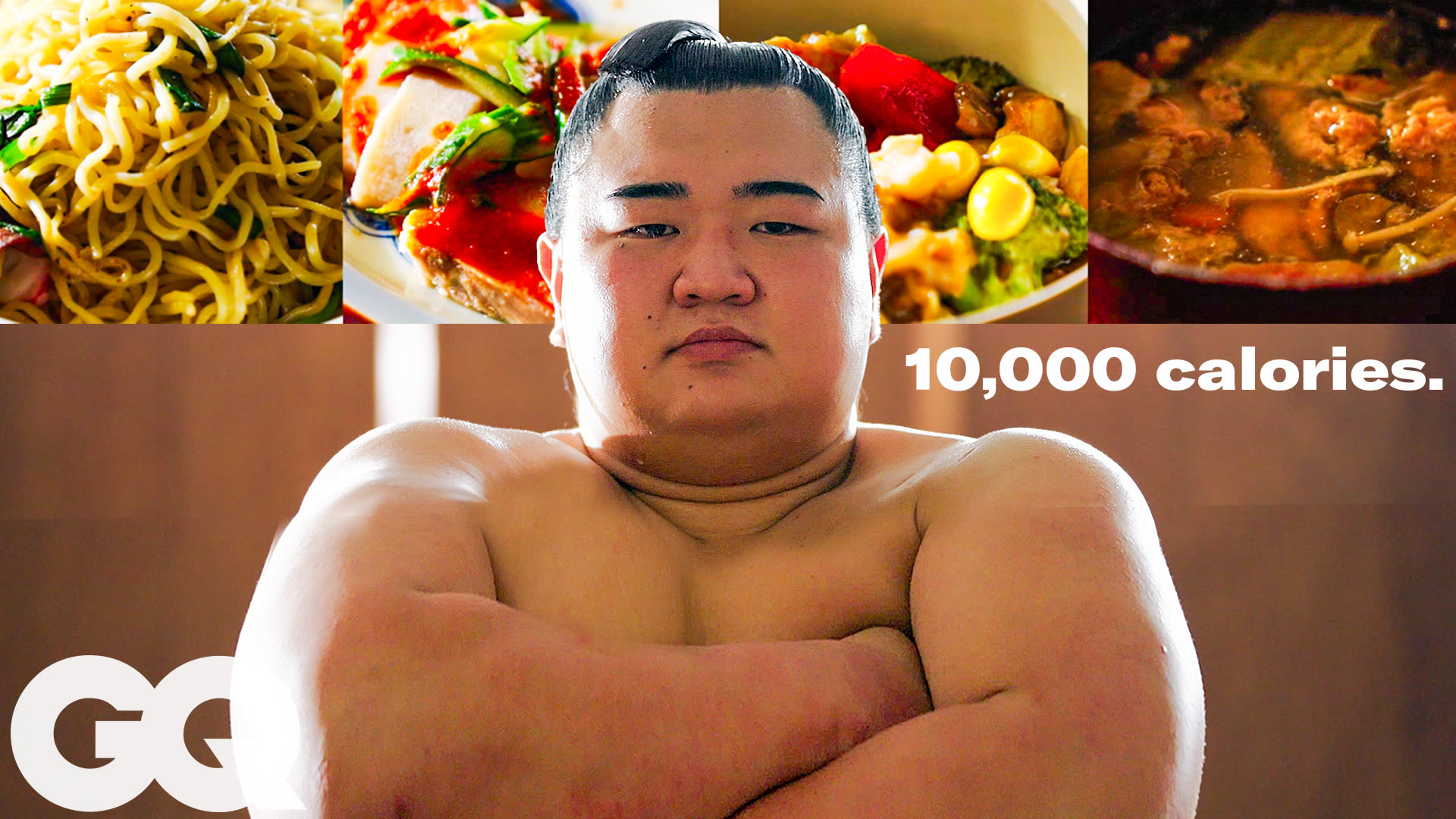
Credit: www.gq.com
Sumo Diet Basics
The sumo wrestler diet is designed to build large muscle mass and maintain heavy weight. It focuses on eating large amounts of food to fuel intense training. This diet helps wrestlers gain strength and size while staying active on the ring.
Sumo wrestlers eat a lot, but their meals are carefully planned. They balance calories and nutrients to support their unique needs. Understanding the basics of this diet reveals how wrestlers maintain their powerful physique.
Caloric Intake
Sumo wrestlers consume between 5,000 and 7,000 calories daily. This amount is much higher than average. The high calorie intake supports their heavy training and energy use. Most calories come from dense, filling foods to add mass quickly.
Macronutrient Breakdown
The sumo diet focuses on carbohydrates, proteins, and fats. Carbohydrates provide energy for training and recovery. Proteins help build and repair muscles. Fats are included but in moderate amounts. A typical ratio is:
- Carbohydrates: 60-70%
- Proteins: 15-20%
- Fats: 15-20%
Meal Frequency
Sumo wrestlers eat two large meals a day. They often skip breakfast but eat a huge lunch and dinner. Meals are spaced with rest and naps in between. This routine helps them digest food and store energy as body mass.
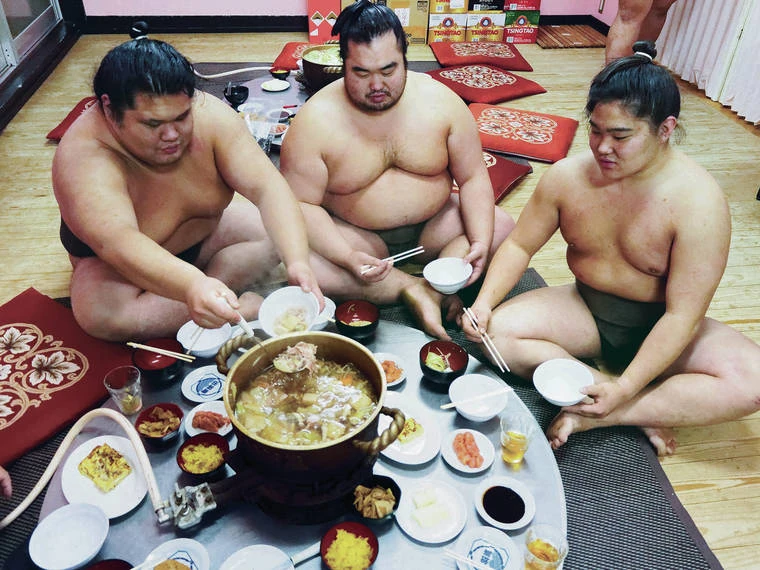
Credit: sumowrestling.fandom.com
Key Foods For Sumo Wrestlers
Sumo wrestlers follow a special diet to build strength and maintain their size. Their meals focus on energy, muscle growth, and recovery. Key foods are rich in nutrients and calories. Each plays a unique role in supporting intense training.
Chanko Nabe Stew
Chanko Nabe is a thick, hearty stew. It contains meat, fish, tofu, and vegetables. This stew provides protein and essential vitamins. It fuels muscle repair and growth. Often cooked in large pots, it is eaten multiple times a day. The variety in ingredients keeps it nutritious and balanced.
Rice And Carbohydrates
Rice is a staple for sumo wrestlers. It gives quick energy and helps gain weight. They eat large portions to meet calorie needs. Besides rice, noodles and bread are also common. Carbohydrates keep energy levels high during training and matches.
Protein Sources
Protein is vital for muscle building. Sumo wrestlers eat chicken, fish, and eggs. Tofu and legumes add plant-based protein. These foods support muscle strength and repair. Protein-rich meals help them recover faster after workouts.
Vegetables And Supplements
Vegetables provide vitamins and minerals. Leafy greens, carrots, and mushrooms are popular choices. They aid digestion and overall health. Sometimes, wrestlers take supplements for extra nutrients. This helps keep their bodies balanced and strong.
Meal Timing And Portions
Meal timing and portion size play a key role in a sumo wrestler’s diet. Eating at the right times helps fuel their intense training and supports muscle growth. Large portions provide the calories needed for energy and weight gain. Careful hydration keeps their bodies balanced during heavy workouts.
Eating After Training
Sumo wrestlers eat their biggest meal after training. This helps their muscles recover and grow. The body is ready to absorb nutrients quickly. Meals usually include protein, rice, and vegetables. Eating soon after exercise improves strength and stamina.
Large Portion Strategies
Sumo wrestlers eat very large portions to gain mass. They focus on calorie-dense foods like rice and fatty fish. Meals often contain multiple bowls of rice and large servings of meat. Eating slowly helps them enjoy and digest large amounts. They also rest after eating to help the body store fat.
Hydration Habits
Hydration is vital for sumo wrestlers. They drink water throughout the day to stay hydrated. After meals, they avoid drinking too much to prevent feeling full too fast. Sometimes, they drink tea to aid digestion. Proper hydration supports their training and overall health.

Credit: www.youtube.com
Training And Diet Synergy
Sumo wrestlers depend on a strong link between training and diet. Their intense workouts require a specific eating plan to build muscle and gain weight. The right balance helps them stay powerful and fast during matches.
Strength Training Effects
Strength training boosts muscle growth and power. Sumo wrestlers lift heavy weights and practice moves that mimic fighting. This training creates muscle fibers that need fuel to repair and grow. Eating enough protein supports this process and improves overall strength.
Balancing Fat Gain And Muscle
Sumo wrestlers eat a lot of calories to increase body size. Their diet includes rice, fish, and vegetables, packed with energy and nutrients. They aim to gain fat for mass and muscle for strength. This balance helps them stay agile and strong on the dohyo.
Recovery Nutrition
After training, recovery is key to keep improving. Wrestlers consume meals rich in carbohydrates and protein. Carbs refill energy stores. Protein repairs muscle damage. Drinking plenty of water also helps the body heal faster. This routine supports daily training demands.
Lifestyle Factors Affecting Diet
The diet of a sumo wrestler is deeply influenced by various lifestyle factors that go beyond just the food they eat. How much they sleep, the level of their daily activities, and their mental discipline all play crucial roles in shaping their eating habits and overall nutrition. Understanding these factors can help you see why sumo wrestlers follow such unique dietary routines.
Sleep And Rest
Sumo wrestlers prioritize getting plenty of sleep and rest to support their intense training and diet. Sleeping for around 7 to 8 hours allows their bodies to recover and promotes muscle growth. When you get enough rest, your body processes food more efficiently and helps maintain energy levels throughout the day.
Have you noticed how feeling tired affects your hunger or food choices? Wrestlers use rest strategically to control their appetite and support weight gain or loss as needed.
Daily Activity Levels
Despite their large size, sumo wrestlers maintain high daily activity levels through rigorous training sessions. Their intense workouts burn calories and stimulate muscle development, which influences how much and what they eat. Without this level of activity, their high-calorie diet would lead to unhealthy weight gain.
Think about your own daily movements—do you adjust your meals based on how active you are? Sumo wrestlers perfectly align their food intake with their physical demands.
Mental Discipline
Mental discipline is a vital yet often overlooked factor in a sumo wrestler’s diet. They must resist cravings and stick to strict meal schedules to maintain their weight goals. This mindset helps them avoid overeating or choosing unhealthy snacks between meals.
You might find it challenging to stay consistent with your diet—sumo wrestlers train their minds just as much as their bodies to keep on track. What mental strategies can you apply to improve your eating habits?
Common Myths And Misconceptions
Sumo wrestlers have a unique diet that helps them build strength and size. Many ideas about their eating habits are wrong. These myths create confusion about what sumo wrestlers really eat and how they train. Understanding the truth helps us appreciate their discipline and lifestyle better.
Overeating Myths
People often think sumo wrestlers eat nonstop to gain weight. The truth is they eat large meals but not all day. They focus on high-calorie, nutritious foods in controlled amounts. Overeating without balance would harm their health and performance.
Supplements And Enhancers
There is a belief sumo wrestlers use many supplements or steroids. In reality, their diet is mostly natural and traditional. They rely on foods like rice, fish, and vegetables. Supplements are rare and not a major part of their routine.
Diet Vs Genetics
Many say sumo wrestlers’ size is only from genetics. Diet plays a huge role alongside genetics. Proper meals provide energy and muscle growth support. Genetics may help, but food and training shape their bodies the most.
Adapting Sumo Diet For Different Goals
The traditional sumo wrestler diet is rich in calories and nutrients. It helps build large muscle mass and maintain strength. This diet can change based on specific fitness goals. Adjusting food intake and types supports gaining, maintaining, or cutting weight. Understanding these changes helps optimize performance and health.
Gaining Mass
To gain mass, increase calorie intake significantly. Focus on foods high in protein and carbohydrates. Large bowls of rice and protein-rich dishes like chanko-nabe are staples. Eating multiple meals a day helps provide constant energy. Healthy fats from fish and nuts support muscle growth. Rest after meals aids in weight gain.
Maintaining Strength
Maintaining strength requires balanced nutrition and steady calories. Protein intake remains high to preserve muscle. Carbohydrates fuel workouts and recovery. Vegetables and fruits provide vitamins and minerals. Hydration supports overall body function. Portion control avoids unwanted fat gain while keeping power.
Cutting Weight Safely
Cutting weight needs careful calorie reduction without losing muscle. Choose lean proteins like chicken and fish. Reduce rice portions gradually. Increase vegetables for fiber and fullness. Avoid sugary drinks and fried foods. Consistent meals keep metabolism active. Slow weight loss protects muscle and strength.
Frequently Asked Questions
What Do Sumo Wrestlers Eat Daily?
Sumo wrestlers consume a high-calorie diet, mainly consisting of chanko-nabe, a hearty stew. This dish includes protein-rich ingredients like fish, meat, tofu, and vegetables. They eat in large quantities to gain weight and maintain energy. Alongside chanko-nabe, they consume rice, noodles, and sometimes beer to increase calorie intake.
How Many Calories Do Sumo Wrestlers Eat?
Sumo wrestlers consume around 5,000 to 7,000 calories daily. Their diet is meticulously planned to support their intense training and maintain their weight. Consuming high-calorie meals, including chanko-nabe, rice, and noodles, allows them to meet their energy requirements and sustain their rigorous physical activity.
Why Do Sumo Wrestlers Eat Chanko-nabe?
Chanko-nabe is nutrient-dense and provides essential proteins, vitamins, and minerals. It helps sumo wrestlers gain and maintain weight. The dish is versatile and can be adapted with various ingredients, ensuring they receive a balanced diet. Its high-calorie content supports the wrestlers’ intense training and energy needs.
Do Sumo Wrestlers Eat Breakfast?
Sumo wrestlers typically skip breakfast. They train on an empty stomach in the morning to promote weight gain. After training, they eat a large lunch, usually chanko-nabe. This practice helps them maximize calorie intake during meals and aids in achieving the desired body mass for competition.
Conclusion
Sumo wrestlers eat a lot to build strength and size. Their diet includes rice, fish, vegetables, and special stew called chanko. Eating many calories helps them gain weight and energy. They also balance food with training every day. This diet shows how food supports their unique sport.
It teaches us about discipline and hard work. Understanding this diet gives a glimpse into sumo life. Simple foods, eaten in large amounts, make a big difference. Sumo wrestler diet is a mix of tradition and nutrition.







