
Are you curious about how sumo wrestlers eat to build incredible strength and size? The sumo diet is not just about eating a lot—it’s a carefully crafted plan that fuels intense training and helps achieve powerful results.
If you want to understand the secrets behind this unique way of eating and maybe even apply some of its principles to your own routine, this article is for you. Keep reading to discover how the sumo diet works, what foods are involved, and how it could change the way you think about nutrition and fitness.

Credit: www.youtube.com
Sumo Diet Basics
The Sumo diet supports the unique needs of sumo wrestlers. It helps them build large muscle mass and maintain high energy levels. This diet focuses on eating a lot but choosing the right types of food. It balances calories and nutrients for strong bodies.
Understanding the basics of the Sumo diet is key to following it correctly. It involves eating a calorie surplus and paying attention to specific macronutrients. These elements work together to help muscle gain and energy recovery.
Key Nutrients For Muscle Gain
- Protein: Builds and repairs muscle tissue.
- Carbohydrates: Provide energy for intense training.
- Fats: Support hormone production and overall health.
- Vitamins and minerals: Help with muscle function and recovery.
- Water: Keeps the body hydrated and muscles working well.
Calorie Surplus Explained
A calorie surplus means eating more calories than the body burns. This extra energy allows muscles to grow and recover. Sumo wrestlers consume thousands of calories daily to gain size. The surplus must be controlled to avoid excessive fat gain.
Macronutrient Breakdown
| Macronutrient | Role | Typical Percentage |
|---|---|---|
| Protein | Muscle growth and repair | 25-30% |
| Carbohydrates | Primary energy source | 50-60% |
| Fats | Energy and hormone support | 15-25% |
Foods To Include
Choosing the right foods is key to following the Sumo diet effectively. You need to fuel your body with ingredients that support intense training and rapid recovery. Let’s break down what you should add to your meals to build muscle, stay energized, and heal faster.
Protein Sources For Strength
Protein is essential for building the massive strength sumo wrestlers need. Focus on lean meats like chicken breast and turkey, which pack a high protein punch without too much fat.
Don’t overlook fish such as salmon and mackerel; they provide protein plus omega-3 fats that help reduce inflammation. Eggs and dairy products like Greek yogurt add variety and are great for muscle repair.
Are you getting enough protein at every meal? Try aiming for a palm-sized portion to keep your strength on track.
Carbohydrates For Energy
Carbs are your body’s main fuel source during tough sumo training sessions. White rice is a classic choice, offering quick energy that’s easy to digest.
Sweet potatoes and oats provide slower-burning carbs that keep your energy steady over hours. Add plenty of vegetables like spinach and carrots to get fiber and vitamins that support your overall health.
Think about how your energy feels throughout the day. Could switching to complex carbs help you avoid crashes?
Healthy Fats For Recovery
Healthy fats help your body recover and reduce muscle soreness after intense workouts. Nuts like almonds and walnuts are easy snacks that supply good fats and protein.
Avocados and olive oil are excellent for cooking or adding to salads, helping your joints stay flexible. Don’t forget fatty fish again—they’re a double win for protein and fat.
Are you including enough fats to speed up recovery and keep your joints healthy? Small additions can make a big difference.
Meal Timing And Frequency
Meal timing and frequency play a crucial role in the Sumo Diet. Eating the right foods at the right times helps support intense training and promotes muscle growth. Understanding how to space your meals can make a big difference in your energy levels and overall performance.
Optimal Meal Schedule
The Sumo Diet typically involves eating 5 to 7 meals throughout the day. Spacing meals every 2 to 3 hours keeps your metabolism active and prevents energy dips. This steady fuel supply supports the huge calorie needs of sumo wrestlers.
You might wonder, how does this frequent eating affect digestion? Eating smaller, well-balanced meals prevents feeling sluggish and helps your body absorb nutrients efficiently. Think about your own day—do you feel better eating all at once or spreading meals out?
Pre-workout Nutrition
Eating before training is vital to maximize your workout. Aim to eat a carb-rich meal about 1 to 2 hours before exercising. This could be rice with lean protein or a bowl of noodles with vegetables.
Carbs provide quick energy, while protein helps protect muscle tissue. Avoid heavy or greasy foods that could weigh you down or cause discomfort during intense practice. Have you noticed how your performance changes after different pre-workout meals?
Post-workout Meals
After training, your body needs to recover quickly. Eating a meal with both protein and carbs within 30 to 60 minutes helps repair muscles and replenish energy stores. Examples include grilled chicken with steamed rice or tofu with sweet potatoes.
Hydration also matters—drink plenty of water or electrolyte-rich beverages. Skipping this window can slow recovery and reduce the benefits of your hard work. What’s your go-to post-workout meal that leaves you feeling refreshed?
Credit: sumowrestling.fandom.com
Sample Sumo Diet Plans
Sample Sumo diet plans show how calorie-dense meals fuel the intense training and muscle growth of sumo wrestlers. These plans focus on a balance of protein, carbs, and fats to build strength and maintain energy throughout the day. Understanding what a typical sumo diet looks like can help you see how strategic eating supports their performance.
Daily Meal Examples
A sumo wrestler’s day often starts with a large breakfast rich in carbs and protein. Think big bowls of rice paired with fish, eggs, and miso soup to kickstart energy levels.
- Breakfast:Steamed rice, grilled salmon, miso soup, boiled eggs
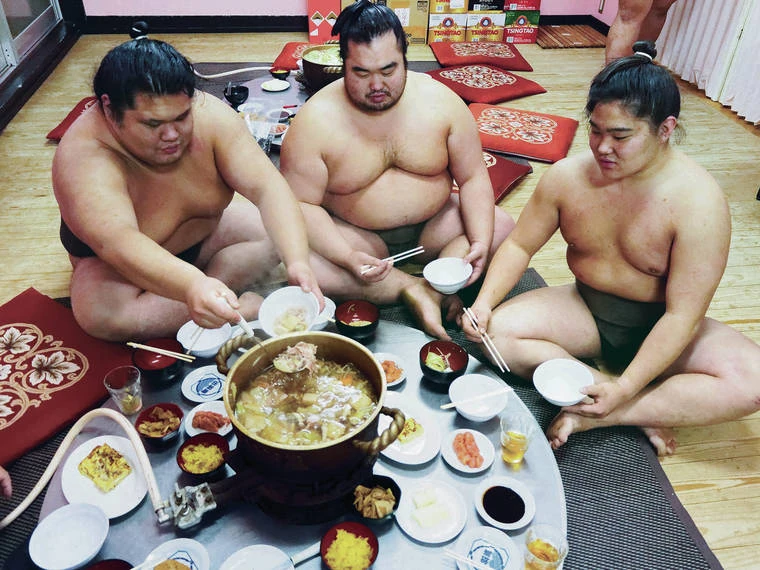
- Lunch:Chanko nabe (a hot pot with chicken, tofu, vegetables), noodles, steamed vegetables
- Dinner:Rice, stir-fried meat with vegetables, pickled side dishes
Notice how each meal combines protein and carbs to help muscles recover and refuel. The meals are large but balanced, designed to maintain weight and power.
High-calorie Smoothies
High-calorie smoothies are a convenient way for sumo wrestlers to add extra nutrients without feeling too full. These shakes mix protein powders, fruits, and healthy fats to pack a punch in a glass.
- Banana, Greek yogurt, peanut butter, honey, and whole milk
- Oats, whey protein, almond butter, spinach, and coconut milk
- Avocado, dates, cocoa powder, casein protein, and soy milk
Do you struggle to eat enough calories? Try blending ingredients you enjoy to create a smoothie that helps you reach your energy goals without stress.
Snacks For Muscle Growth
Snacks keep energy steady and muscles fed between large meals. Sumo wrestlers often choose nutrient-rich options that support muscle repair and growth.
- Boiled eggs
- Mixed nuts and dried fruit
- Edamame beans
- Rice balls with seaweed and fish filling
- Protein bars or jerky
Picking snacks with a mix of protein and healthy fats can make a big difference. What’s your go-to snack to stay fueled during a busy day?
Supplements To Support Gains
Supplements can help support muscle growth and recovery in a sumo diet. They provide extra nutrients that meals might miss. Choosing the right supplements can improve strength and energy. These aids support the intense training sumo wrestlers face daily.
Protein Powders
Protein powders help build and repair muscles after workouts. They offer a quick way to increase daily protein intake. Whey, casein, and plant-based proteins are common types. Each type digests differently, providing steady muscle fuel.
Using protein shakes after training boosts muscle recovery. It also supports lean muscle growth. Sumo wrestlers need plenty of protein for their large muscle mass. Powders make meeting protein goals easier and faster.
Creatine Benefits
Creatine increases strength and power during intense exercises. It helps muscles store energy for short bursts of effort. Supplementing creatine can improve training performance and muscle size. It also supports faster recovery between sets.
Creatine is safe and well-studied for athletes. It aids sumo wrestlers by enhancing explosive moves and stamina. Daily creatine use can help maintain high training intensity.
Vitamins And Minerals
Vitamins and minerals keep the body strong and healthy. They support energy production, immune function, and muscle contractions. Important nutrients include vitamin D, calcium, and magnesium. These help bones and muscles stay resilient.
Sumo wrestlers need a balanced supply of micronutrients. Supplements fill in gaps that food might not cover. A good multivitamin supports overall health and workout recovery.
Training For Maximum Results
Training plays a vital role in the Sumo Diet journey. It shapes the body to handle the diet’s demands and builds strength. Effective training boosts energy and supports muscle growth. It also helps maintain balance between eating and physical activity. Focused workouts lead to better results and a healthier body.
Strength Training Essentials
Strength training forms the backbone of Sumo Diet training. It targets major muscle groups for power and endurance. Exercises like squats, deadlifts, and bench presses build strong muscles. Use moderate weights with controlled movements. Aim for 3-4 sessions per week to allow growth. Proper form prevents injury and improves effectiveness.
Recovery Strategies
Recovery is crucial after intense training sessions. Muscles repair and grow during rest periods. Include rest days and light activities like walking or stretching. Sleep at least 7-8 hours to help body heal. Hydration and balanced meals support muscle recovery. Listen to your body to avoid overtraining and fatigue.
Tracking Progress
Tracking progress keeps motivation high and shows improvements. Use a journal or app to log workouts, weights, and reps. Note how you feel after each session. Take photos weekly to see physical changes. Adjust training based on progress and goals. Consistent tracking helps maintain focus and achieve results.
Common Challenges And Solutions
The Sumo diet can be tough to follow. Many face challenges that slow progress or cause frustration. Understanding these common issues helps maintain focus. Here are key challenges and ways to handle them.
Overcoming Appetite Loss
Losing appetite is common with a high-calorie diet. Eating large meals daily can reduce hunger naturally. To fight appetite loss:
- Eat smaller meals more often to avoid feeling full too fast.
- Include nutrient-rich snacks like nuts and fruits.
- Stay hydrated but avoid drinking too much water before meals.
- Try different food textures to keep meals interesting.
These tips keep your appetite steady and support calorie intake.
Managing Fat Gain
Sumo diet focuses on gaining weight, but excess fat can be a concern. Controlling fat gain means balancing calories and activity:
- Choose healthy fats like olive oil and avocados.
- Include lean protein to build muscle, not just fat.
- Incorporate light exercise or stretching daily.
- Track your weight and body changes weekly.
These steps help gain weight mostly as muscle, not fat.
Staying Consistent
Consistency is key for success on the Sumo diet. It requires discipline and routine. To stay on track:
- Plan meals ahead to avoid skipping or poor choices.
- Set simple daily goals for food and activity.
- Find a support buddy to share progress and challenges.
- Keep a journal to monitor feelings and results.
Consistency builds habits that lead to steady progress.
Credit: finance.yahoo.com
Frequently Asked Questions
What Is The Sumo Diet?
The Sumo Diet is a traditional eating plan followed by sumo wrestlers. It involves consuming large quantities of high-calorie foods. This helps in gaining weight and building muscle mass. The diet typically includes rice, chanko-nabe (a protein-rich stew), and vegetables.
How Do Sumo Wrestlers Gain Weight?
Sumo wrestlers gain weight through a high-calorie diet and rigorous training. They eat several large meals daily. Their diet includes protein-rich foods like fish, meat, and tofu. This is often combined with rice and vegetables. Regular exercise and rest also help in muscle building and weight gain.
Is The Sumo Diet Healthy?
The Sumo Diet is not considered healthy for the average person. It’s high in calories and lacks balance. The diet is designed for professional athletes who need to gain weight. For non-athletes, it may lead to health issues like obesity and cardiovascular problems.
Can Anyone Follow The Sumo Diet?
The Sumo Diet is not suitable for everyone. It’s specifically designed for sumo wrestlers to gain weight quickly. For regular individuals, it may lead to unhealthy weight gain and health issues. It’s important to consult a nutritionist before trying any specialized diet.
Conclusion
The sumo diet shows how food fuels strength and size. It focuses on eating large meals with balanced nutrients. This diet supports intense training and muscle growth. It is not for everyone but offers insight into sumo culture. Eating well and training hard go hand in hand.
Understanding this diet helps appreciate sumo wrestlers’ dedication. Small changes in your eating habits can improve energy too. Simple, hearty meals keep the body strong and ready. Sumo diet teaches us about discipline and nutrition combined.







