
Are you looking for a way to boost your energy, improve your health, and enjoy delicious meals at the same time? The Steppe Diet might be exactly what you need.
This unique eating plan is inspired by the natural foods of the vast grasslands, focusing on simple, wholesome ingredients that nourish your body and mind. If you want to discover how this diet can fit into your lifestyle and help you feel your best, keep reading.
You’re about to learn everything you need to know to get started with the Steppe Diet today.

Credit: mynewhorse.equusmagazine.com
Origins Of The Steppe Diet
The origins of the Steppe Diet reach deep into the vast grasslands stretching across Eurasia, where nomadic tribes thrived for centuries. This diet reflects the environment, lifestyle, and traditions of those who lived off the land and animals around them. Understanding its roots helps you appreciate the unique balance of foods and nutrients that supported active, resilient people.
Historical Background
The Steppe Diet dates back thousands of years, shaped by the nomads who roamed the expansive grasslands. These people depended heavily on herding animals like horses, sheep, and cattle. Their food choices evolved from necessity, relying on what was available through hunting, animal husbandry, and limited agriculture.
Imagine living in a place where crops are scarce but animals are abundant. This lifestyle created a diet rich in meat, dairy, and fermented foods. It’s a stark contrast to modern diets packed with processed ingredients and sugars.
Traditional Foods Of The Steppe
The core of the Steppe Diet includes:
- Meat:Mainly from lamb, beef, and horse, providing high protein and fat.
- Dairy:Fermented milk products like kumis (fermented mare’s milk) and yogurt kept nutrients preserved.
- Grains and Vegetables:Limited but included barley, millet, and wild herbs when available.
These foods were often prepared simply—grilled, boiled, or fermented—to preserve nutrients. The diet’s simplicity supported intense physical activity and harsh weather conditions, fueling nomads through long journeys.
Cultural Significance
The Steppe Diet is more than just food; it’s a link to a nomadic way of life and communal identity. Sharing meals from the herd strengthened social bonds and marked celebrations. Foods like fermented mare’s milk were not only nutrition but also held spiritual value.
Do you see how your food choices connect you to culture and history? Eating like the Steppe nomads means honoring a tradition of survival, community, and respect for nature. It invites you to reconsider what your body truly needs based on time-tested practices.
Core Principles Of The Steppe Diet
The Core Principles of the Steppe Diet focus on simple, natural eating habits. It reflects the traditional foods of the Eurasian steppes. This diet prioritizes nourishment from fresh and minimally processed ingredients.
Eating in this way supports good health and steady energy. It also connects modern eating to ancient wisdom, honoring the lifestyle of nomadic peoples.
Emphasis On Whole Foods
The Steppe Diet centers on whole foods. These include fresh vegetables, fruits, nuts, and grains. Foods remain close to their natural state. Processed items and refined sugars are avoided. This approach ensures maximum nutrients and fiber in each meal.
High-quality Protein Sources
Proteins are vital in the Steppe Diet. Animal proteins come from grass-fed meats and wild game. Dairy products like yogurt and cheese are included in moderation. Eggs and legumes also provide essential protein. These choices support muscle health and long-lasting fullness.
Healthy Fats And Oils
Healthy fats are key energy sources in this diet. Sources include nuts, seeds, and fatty fish. Animal fats from traditional sources are used wisely. Oils like flaxseed and walnut oil are preferred. These fats help with brain function and heart health.
Key Foods To Include
Choosing the right foods is crucial to getting the full benefits of the Steppe Diet. This way of eating focuses on natural, nutrient-dense ingredients that have sustained people for centuries. Let’s look at some key foods you should add to your meals to feel energized and healthy.
Grass-fed Meats
Grass-fed meats are a cornerstone of the Steppe Diet. They come from animals that eat natural grasses, making the meat richer in omega-3 fatty acids and antioxidants. You might notice a deeper flavor and better texture compared to conventional meats.
Try lamb, beef, or bison from grass-fed sources. These meats provide high-quality protein and important vitamins like B12 and iron. Have you ever tasted the difference between grass-fed and grain-fed beef? It’s worth trying to understand what your body prefers.
Wild Herbs And Vegetables
Wild herbs and vegetables grow naturally and pack a powerful nutritional punch. They include plants like wild garlic, nettles, dandelion greens, and wild carrots. These are often richer in vitamins and minerals than farmed varieties.
Adding wild greens to your salads or soups can give your meals fresh, earthy flavors and boost your immune system. You don’t need to forage yourself—many markets offer wild-picked herbs. What wild greens have you tried recently that surprised your taste buds?
Fermented Foods And Beverages
Fermented foods are vital for gut health on the Steppe Diet. They support digestion and help maintain a healthy balance of bacteria in your gut. Common options include kefir, sauerkraut, and fermented dairy products like yogurt.
Drinking traditional fermented beverages like kumis (fermented mare’s milk) can also be a unique way to connect with Steppe traditions. If you haven’t added fermented foods to your diet, start small—try a spoonful of sauerkraut or a glass of kefir daily. How do you think your digestion would change by including these foods?
Health Benefits Linked To The Diet
The Steppe Diet, inspired by the traditional eating habits of nomadic tribes, offers a range of health benefits that can transform your lifestyle. By focusing on natural, whole foods like lean meats, fermented dairy, and grains, this diet promotes a balanced and nutrient-rich intake. But what specific benefits can you expect from embracing the Steppe Diet?
Improved Energy Levels
Have you ever felt that afternoon slump that seems impossible to shake off? The Steppe Diet might be your solution. By prioritizing protein-rich foods and complex carbohydrates, it helps maintain steady energy levels throughout the day. This means fewer energy crashes and more sustained productivity.
Enhanced Digestive Health
Digestive discomfort can be a daily struggle, but the Steppe Diet can bring relief. With its emphasis on fermented foods like yogurt and kefir, it supports gut health and improves digestion. These foods are rich in probiotics, which are known to enhance nutrient absorption and balance gut flora.
Support For Heart Health
Your heart deserves the best care, and the Steppe Diet provides just that. By incorporating healthy fats from sources like nuts and seeds, it promotes cardiovascular health. These fats help reduce bad cholesterol levels, contributing to a healthier heart.
Are you ready to give the Steppe Diet a try? Consider how these health benefits could positively impact your daily life. Whether it’s boosting your energy or nurturing your heart, the Steppe Diet offers practical and achievable improvements. What changes will you notice first?
Incorporating The Steppe Diet Today
The Steppe Diet offers a unique way to connect with ancient eating habits that prioritize whole, natural foods and balanced nutrition. Bringing this diet into your daily life doesn’t mean completely changing what you eat overnight. Instead, it’s about making thoughtful choices that fit your routine and taste buds.
Meal Planning Tips
Start by focusing on simple ingredients like lean meats, whole grains, and seasonal vegetables. Plan your meals around these staples to ensure you get a variety of nutrients without feeling overwhelmed.
Use a weekly meal planner to map out dishes and grocery lists. This helps avoid last-minute unhealthy choices and keeps your diet aligned with Steppe principles.
Think about batch cooking. Preparing meals in advance saves time and keeps you committed to the diet even on busy days.
Recipes Inspired By Steppe Traditions
Try grilled lamb with roasted root vegetables, a classic from Steppe regions. The flavors are earthy and satisfying, and the preparation is straightforward.
Another great option is a barley and vegetable stew. It’s hearty, nutritious, and perfect for colder days when you want comfort food without guilt.
Don’t hesitate to experiment with herbs like dill and coriander, which add authentic taste without extra calories. What’s your favorite way to add flavor to simple dishes?
Adapting To Modern Lifestyles
Busy schedules often make traditional diets feel difficult to maintain. Choose quick cooking methods like stir-frying or slow-cooking to fit Steppe Diet meals into your day.
Snack smart by keeping nuts and dried fruits handy. These are convenient and keep you energized between meals.
Remember, the goal is balance, not perfection. Adjust portion sizes and ingredients to match your activity level and personal preferences without losing the essence of the diet.

Credit: steadfastprovisions.com
Common Challenges And Solutions
The Steppe Diet offers many health benefits but adapting it can be tough. Challenges arise in finding true ingredients, matching modern tastes, and staying consistent. Understanding these common hurdles helps in making the diet work better. Simple solutions can ease the process and keep the diet enjoyable.
Sourcing Authentic Ingredients
Finding original Steppe Diet foods can be tricky outside native regions. Many ingredients may not be available in local stores. This limits the diet’s authenticity and benefits.
Try these tips to source genuine ingredients:
- Visit specialty ethnic markets or online stores.
- Look for whole grains like millet and barley.
- Choose fresh, lean meats typical to the Steppe region.
- Use herbs and spices common in traditional recipes.
- Grow some herbs and vegetables at home.
Balancing The Diet With Modern Preferences
The Steppe Diet emphasizes simple, natural foods. Modern tastes often prefer processed or fast options. This can create a gap in sticking to the diet.
Balance tradition and modern needs by:
- Adding familiar flavors with natural seasonings.
- Swapping hard-to-find ingredients with similar local ones.
- Preparing easy, quick versions of traditional meals.
- Including a variety of vegetables to suit your taste.
- Using healthy cooking methods like grilling or steaming.
Maintaining Consistency
Consistency is key to seeing benefits from the Steppe Diet. Busy schedules and cravings can disrupt the routine. Sticking to the diet requires planning and motivation.
Try these to stay consistent:
- Plan meals ahead with simple, repeatable recipes.
- Keep healthy snacks ready to avoid junk food.
- Track progress to stay motivated.
- Find a support group or diet buddy.
- Allow occasional treats to avoid feeling deprived.
Comparisons With Other Ancestral Diets
The Steppe Diet shares roots with several ancestral diets, yet it stands apart in key ways. Comparing it with other well-known diets helps highlight its unique features. These comparisons reveal how the Steppe Diet fits into the broader context of healthy eating patterns.
Steppe Vs. Paleo
Both Steppe and Paleo diets focus on whole, natural foods. The Paleo diet emphasizes fruits, vegetables, nuts, and lean meats. The Steppe Diet leans more on animal products, especially from grazing animals. It also includes fermented foods and wild herbs native to the steppe regions. Unlike Paleo, Steppe encourages consumption of organ meats and bone broths. Both avoid processed foods but differ in food sources and cultural roots.
Steppe Vs. Mediterranean
The Mediterranean diet highlights plant-based foods, olive oil, and fish. It promotes heart-healthy fats and moderate wine intake. The Steppe Diet is richer in meat and dairy from animals raised on grasslands. It uses less olive oil and more animal fats. Vegetables and grains are present but not as central. Steppe’s focus is on nutrient density from animal sources, contrasting with Mediterranean’s plant-forward approach.
Unique Advantages
- Steppe Diet supports strong bones with high calcium from dairy.
- Its fermented foods boost gut health naturally.
- Rich in omega-3 fatty acids from grass-fed animals.
- Incorporates wild plants, adding unique antioxidants.
- Offers a balance of protein and healthy fats for energy.
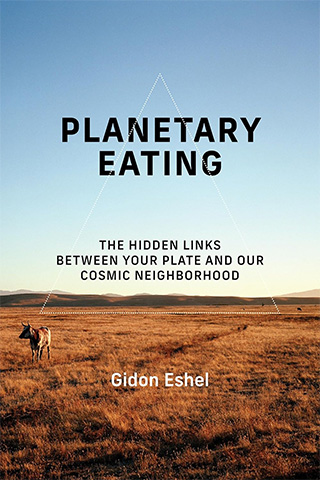
Credit: mitpress.mit.edu
Frequently Asked Questions
What Is The Steppe Diet And Its Main Focus?
The Steppe Diet emphasizes natural, whole foods inspired by ancient nomads. It focuses on meats, dairy, grains, and wild plants for balanced nutrition.
How Does The Steppe Diet Benefit Health?
This diet supports heart health, boosts energy, and improves digestion. It promotes nutrient-rich foods and limits processed items for overall wellness.
Can The Steppe Diet Help With Weight Loss?
Yes, the Steppe Diet can aid weight loss by encouraging whole foods. It reduces sugar and refined carb intake, promoting fat burning naturally.
What Foods Are Allowed In The Steppe Diet?
Allowed foods include lean meats, dairy, whole grains, nuts, seeds, and seasonal vegetables. It excludes processed and sugary foods to maintain purity.
Conclusion
The Steppe Diet offers a simple way to eat healthy. It focuses on natural foods and fresh ingredients. You can enjoy meals full of flavor and nutrients. This diet supports good energy and overall wellness. Small changes in your diet can make a big difference.
Try adding more whole grains, lean meats, and vegetables. Eating this way can help your body feel strong and balanced. Give the Steppe Diet a chance to improve your daily eating habits. Simple steps lead to lasting health benefits.







