
Are you looking to transform your fitness routine and unlock your full potential? A squat workout plan might be just what you need.
Squats are one of the most powerful exercises you can do. They target multiple muscle groups, boost your strength, and improve your overall fitness. Imagine feeling stronger, more energetic, and seeing your body transform right before your eyes. With every squat, you’re not just exercising—you’re building a better you.
But how do you start? And how can you ensure you’re doing it right to maximize your results? Keep reading to discover how you can harness the power of squats to reach your fitness goals. Your journey to a stronger, healthier you begins now.
Benefits Of Squats
Squats are more than just a basic exercise; they offer a variety of powerful benefits that can transform your fitness journey. Whether you’re lifting weights or just using your body weight, squats engage multiple muscle groups and improve your overall physical health. Understanding these benefits can help you stay motivated and get the most out of every squat workout.
Build Muscle Mass
Squats target major muscle groups like your quads, hamstrings, glutes, and calves. This makes them excellent for building muscle mass efficiently. You don’t need fancy equipment; just consistent effort can help your muscles grow stronger and bigger.
Adding squats to your routine also stimulates muscle growth hormones. Have you noticed how your legs feel stronger after a few weeks of squatting? That’s your muscles responding and adapting.
Increase Strength
Squats help you develop overall body strength, not just in your legs. Your back and core work hard to stabilize you during the movement. This means squats improve your ability to lift, carry, and perform daily tasks with ease.
Feeling stronger in everyday activities is a clear sign of progress. How often do you find yourself struggling to lift something heavy? Squats can reduce that struggle significantly.
Enhance Athletic Performance
If you play sports or enjoy physical activities, squats can boost your performance. They improve your jumping power, running speed, and agility. Strong legs and a stable core make quick movements easier and reduce injury risk.
Think about your last game or workout—did your legs get tired fast? Squats can help you push through that fatigue and perform better.
Improve Core Stability
Squats engage your abdominal and lower back muscles, which are essential for core stability. A strong core supports your spine and improves posture. This reduces back pain and enhances balance.
Have you experienced lower back discomfort or poor balance? Including squats can make a noticeable difference in how stable and comfortable you feel throughout the day.
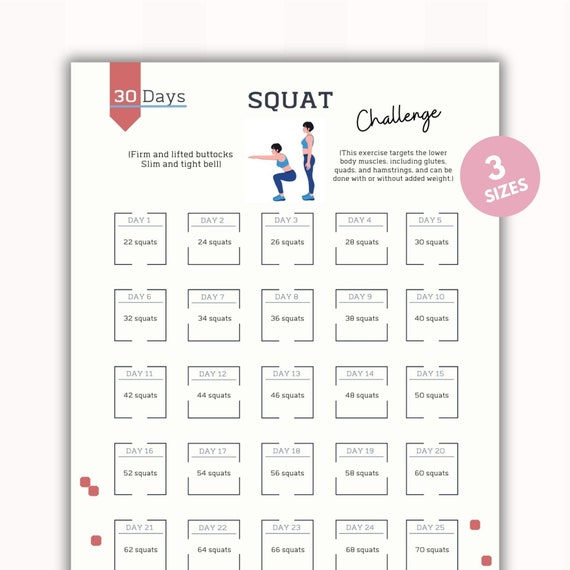
Credit: www.etsy.com
Types Of Squats
Squats are a cornerstone of any effective workout plan, but not all squats are created equal. Different types target various muscle groups and challenge your body in unique ways. Understanding these variations can help you choose the best squat for your fitness goals and keep your routine fresh.
Back Squat
The back squat is the classic version where the barbell rests on your upper back. It primarily works your quads, glutes, and hamstrings while also engaging your core for stability.
If you want to build serious leg strength, this squat is hard to beat. But be mindful of your form—keeping your chest up and knees tracking over your toes is crucial to avoid injury.
Front Squat
With the front squat, the barbell sits on the front of your shoulders. This shifts the focus more towards your quads and upper back.
Front squats demand better core strength and mobility. Have you noticed how much your posture improves when you add these to your workout?
Goblet Squat
This squat uses a single dumbbell or kettlebell held close to your chest. It’s a great choice for beginners and those looking to perfect their form.
Goblet squats help you learn to squat deeply while keeping your torso upright. Plus, they’re easy to add anywhere, whether at home or in the gym.
Split Squat
The split squat involves placing one foot forward and the other back, lowering your hips straight down. It’s fantastic for addressing muscle imbalances between legs.
Do you feel one leg is stronger or more stable? Split squats can help balance your strength and improve your overall stability.
Box Squat
Box squats have you sit back onto a box or bench before standing back up. This variation teaches you to control the descent and explode upward.
They’re especially useful if you struggle with depth or want to build power off the bottom of your squat. Have you tried pausing briefly on the box to increase time under tension?
Proper Squat Form
Proper squat form is essential for effective workouts and injury prevention. Squats target many muscles, but poor form reduces benefits and risks harm. Focus on key body positions to keep the exercise safe and efficient. Small adjustments make a big difference.
Foot Placement
Place feet shoulder-width apart. Toes should point slightly outward, about 15 to 30 degrees. This stance helps maintain balance and allows knees to track correctly. Keep feet flat on the floor throughout the squat. Avoid lifting heels or toes.
Knee Alignment
Keep knees in line with your toes. Avoid letting knees collapse inward or shift too far outward. Proper knee tracking protects the joints and improves muscle engagement. Do not let knees go past toes excessively during the squat.
Hip Positioning
Push hips back as if sitting in a chair. Lower your body by bending hips and knees together. Keep your chest lifted and back straight. Avoid rounding or arching the lower back. Proper hip movement ensures depth and muscle activation.
Breathing Technique
Inhale deeply before you lower down. Hold your breath briefly while squatting for stability. Exhale slowly when rising back to standing. Controlled breathing supports core strength and helps maintain form.
Designing Your Squat Plan
Designing your squat workout plan is key to building strength and avoiding plateaus. A well-structured plan helps you stay focused and track your progress clearly. It also ensures your efforts lead to real gains without risking injury.
Setting Goals
Start by asking yourself what you want from your squat routine. Are you aiming for muscle growth, strength, endurance, or better athletic performance? Clear goals guide how you structure your workouts and choose weights.
For example, if you want to increase strength, focus on heavier weights with fewer reps. If endurance is your goal, lighter weights with higher reps work better. Writing down your goals keeps you motivated and accountable.
Choosing Sets And Reps
The number of sets and reps you choose depends on your goals. Typically, 3-5 sets of 6-12 reps hit the sweet spot for muscle growth. For pure strength, aim for 3-5 sets of 3-6 reps with heavier weights.
Endurance training often involves 2-4 sets of 15-20 reps using lighter weights. You can mix these depending on how your body responds. Keep track of what feels effective and adjust accordingly.
Rest And Recovery
Rest between sets is just as important as the workout itself. Short rests of 30-60 seconds work well for endurance. For strength training, rest 2-3 minutes to allow your muscles to recover fully.
Don’t overlook days off. Muscles grow and get stronger during recovery, not while you’re lifting. Listen to your body—if you feel overly sore or fatigued, take an extra rest day.
Progressive Overload
Your muscles need a challenge to grow, and that means increasing the load over time. You can add more weight, increase reps, or add sets to push your limits gradually. Small, consistent increases are better than trying to jump too high too fast.
Have you ever stalled in progress? Progressive overload breaks through that wall by forcing your muscles to adapt. Keep a workout log to track your increases and celebrate your wins along the way.
Sample Weekly Squat Routine
Building a squat routine that fits your level can dramatically improve your strength and form. This sample weekly squat routine adjusts to your experience, helping you progress safely and effectively. Whether you’re just starting or pushing your limits, these plans guide your squat journey with clear steps.
Beginner Plan
Start with bodyweight squats to master your form. Focus on 3 sets of 10-12 reps, performed three times a week. Rest at least one day between sessions to let your muscles recover and grow.
After a week or two, you can add light weights or resistance bands. Always keep your back straight and knees aligned with your toes. How confident do you feel about your squat technique before adding weights?
Intermediate Plan
Begin adding barbell squats or dumbbell goblet squats to your routine. Aim for 4 sets of 8-10 reps, three to four times weekly. Incorporate a mix of squat variations to target different muscles.
Include warm-ups like bodyweight squats or lunges before lifting heavier weights. Pay attention to fatigue; pushing too hard can lead to injury. Can you notice improvements in your strength or endurance this week?
Advanced Plan
Challenge yourself with heavy barbell back squats and front squats. Perform 5 sets of 5 reps, focusing on controlled, powerful movements. Train four to five times a week, mixing in plyometric squats for explosiveness.
Track your progress by gradually increasing weight or reps. Prioritize recovery methods such as stretching and foam rolling. What small changes can you make today to break through your current plateau?
Incorporating Accessory Exercises
Adding accessory exercises to your squat workout plan can boost your strength and improve your form. These exercises target muscles that assist in squatting, helping to correct imbalances and reduce injury risk. By focusing on different muscle groups, you’ll build a stronger foundation for your squats.
Hamstring Curls
Hamstring curls focus on the muscles at the back of your thighs, which support knee stability during squats. Strengthening these muscles helps prevent common injuries like strains or tears. Try both seated and lying hamstring curls to hit the muscles from different angles.
If your hamstrings feel weak or tight, you might notice your squat depth suffer. Adding hamstring curls can make a noticeable difference in your control and power. Have you ever felt your knees wobble during a squat? This exercise can help fix that.
Lunges
Lunges mimic the squat’s movement pattern but challenge your balance and unilateral strength. This helps fix muscle imbalances between your legs, which often go unnoticed. Walking lunges or stationary lunges both work well, depending on your space and preference.
I found that lunges improved my squat by forcing me to stabilize each leg independently. It helped me identify my weaker side and focus on it. Could your weaker leg be holding back your squat progress?
Deadlifts
Deadlifts target your posterior chain, including glutes, hamstrings, and lower back—key players for a strong squat. Adding deadlifts can increase your overall power and improve your hip hinge, which is crucial for safe squatting. Keep your form strict to avoid injury.
When I started deadlifting alongside squats, my strength surged noticeably. My hips felt more engaged, and my squat form tightened up. What if a stronger posterior chain could push your squat weight higher?
Core Workouts
Your core stabilizes your body during squats, keeping your spine safe and your posture strong. Planks, Russian twists, and leg raises are simple exercises that build a solid core foundation. A stronger core can prevent you from leaning forward or rounding your back.
Think about how your core feels during a heavy squat. If it’s weak, you’ll struggle to stay upright and balanced. Investing time in core workouts can lead to safer, more effective squats. How strong is your core right now?
Nutrition For Muscle Growth
Nutrition plays a key role in muscle growth. Eating the right foods helps your body repair and build muscle after squat workouts. Proper nutrition fuels your workouts and speeds recovery. It also supports overall strength and endurance. Focus on balanced meals with enough protein, carbs, fats, and water.
Protein Intake
Protein is essential for muscle repair and growth. Aim to eat protein with every meal. Good sources include:
- Chicken breast
- Eggs
- Fish
- Beans and lentils
- Greek yogurt
Try to consume 1.2 to 2 grams of protein per kilogram of body weight daily. Spread protein intake throughout the day to maximize muscle repair.
Carbohydrates And Fats
Carbohydrates provide energy for intense squat workouts. Choose complex carbs like:
- Whole grains
- Oats
- Sweet potatoes
- Vegetables
Healthy fats support hormone production and overall health. Include sources like:
- Avocados
- Nuts and seeds
- Olive oil
- Fatty fish
Balance carbs and fats to maintain energy and muscle growth.
Hydration Tips
Water is vital for muscle function and recovery. Drink water before, during, and after workouts. Signs of dehydration include fatigue and cramps. Aim for at least 8 cups of water daily. Increase intake on workout days. You can also include electrolyte drinks for longer sessions.
Credit: www.lemon8-app.com
Common Mistakes To Avoid
Squat workouts offer many benefits, but mistakes can reduce results and cause injuries. Avoiding common errors makes your squats safer and more effective. Focus on correct habits from the start to build strength properly. Here are key mistakes to watch out for during your squat workout plan.
Poor Form
Bad form leads to pain and less muscle gain. Keep your back straight and chest up. Avoid letting your knees go past your toes. Your feet should be shoulder-width apart. Squat down until your thighs are parallel to the ground. Good form helps target the right muscles and prevents injury.
Skipping Warm-ups
Warm-ups prepare your muscles and joints for exercise. Skipping this step increases injury risk and reduces performance. Spend 5-10 minutes doing light cardio and dynamic stretches. This boosts blood flow and improves mobility. Warm-ups make your squat workout smoother and safer.
Overtraining
Squatting too often or with too much weight causes fatigue and injury. Muscles need time to recover and grow. Rest days are just as important as workout days. Listen to your body and avoid pushing through pain. Balanced training leads to better strength and endurance.
Neglecting Mobility
Limited mobility restricts squat depth and form. Tight hips, ankles, or hamstrings cause poor posture. Incorporate stretching and mobility exercises into your routine. This improves range of motion and squat quality. Better mobility supports stronger, safer squats every session.
Tracking Progress
Tracking progress is key to improving your squat workout plan. It helps you see how far you have come and what needs work. Recording details keeps motivation high and guides your future workouts. Regular checks make sure you stay on the right path.
Using A Workout Journal
A workout journal lets you write down your squat sets, reps, and weights. Note how you feel each day and any challenges faced. This record helps spot patterns and areas that need focus. Journals also show your consistency over weeks and months.
Measuring Strength Gains
Track your strength by testing your maximum squat weight regularly. Record the heaviest weight you lift with good form. Compare results every few weeks to see improvements. Strength gains show your muscles are growing and adapting well.
Body Composition Monitoring
Monitor body changes by measuring weight, muscle size, and fat levels. Use simple tools like tape measures or body fat scales. Take measurements at the same time and place for accuracy. Seeing body changes helps confirm the effectiveness of your workout plan.
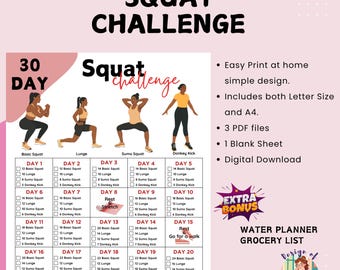
Credit: www.etsy.com
Frequently Asked Questions
What Is The Best Squat Workout Plan For Beginners?
A beginner squat workout plan includes 3 sets of 10-12 reps. Focus on proper form and bodyweight squats first. Gradually add weights as strength improves. Rest 48 hours between sessions for recovery. Consistency and progressive overload are key to muscle growth.
How Often Should I Do Squat Workouts Weekly?
Perform squat workouts 2-3 times per week for optimal results. Allow at least one rest day between sessions. This frequency helps build strength and muscle without overtraining. Adjust based on your fitness level and recovery ability to avoid injury.
Can Squats Help With Weight Loss?
Yes, squats boost metabolism and burn calories effectively. They engage large muscle groups, increasing fat loss. Combining squats with a balanced diet and cardio enhances weight loss results. Squats also improve muscle tone and overall body strength.
What Muscles Do Squats Primarily Target?
Squats mainly target the quadriceps, hamstrings, glutes, and calves. They also engage the core and lower back for stability. This compound movement builds lower body strength and improves balance. Proper form maximizes muscle activation and reduces injury risk.
Conclusion
Squat workouts build strength and improve your overall fitness. Start with proper form to avoid injury and get the best results. Consistency matters more than lifting heavy weights right away. Add variety by changing reps and sets to keep your muscles active.
Rest days help your body recover and grow stronger. Track your progress to stay motivated and see improvement. Stick to your plan, and you will feel healthier and more confident. Squats are simple but effective for a stronger body and better balance.
Keep going, and enjoy the benefits of your hard work.







