
Are you looking for a way to relax your mind and body while improving your overall well-being? Somatic Yoga might be the perfect practice for you.
Unlike traditional yoga styles, Somatic Yoga focuses on increasing your body’s awareness and releasing tension through gentle movements. Imagine feeling more present, reducing stress, and gaining more flexibility—all without pushing your body to the limits. If you’ve ever felt overwhelmed by complex yoga poses or intimidated by fast-paced classes, this beginner-friendly approach offers a refreshing alternative.
Discover how Somatic Yoga can transform your daily routine and bring a sense of peace and balance back into your life. You won’t want to miss out on these simple yet effective techniques that can make a world of difference in how you feel every day. Keep reading to learn how to get started with Somatic Yoga and unlock the potential of your body and mind.
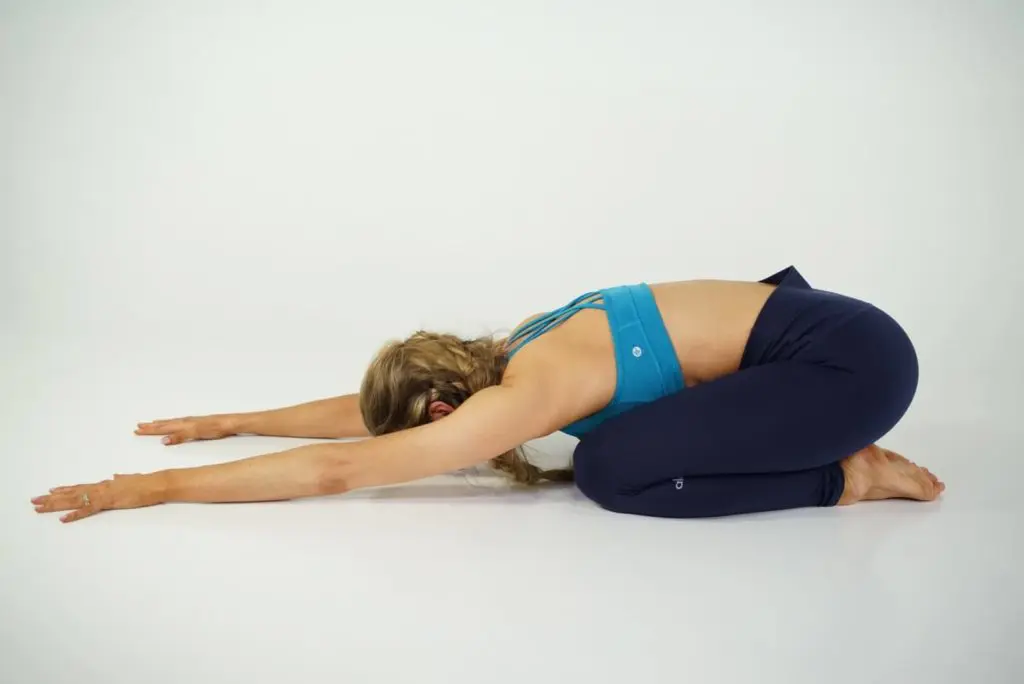
Credit: www.brettlarkin.com
What Is Somatic Yoga
Somatic Yoga is a gentle practice that connects the mind and body. It focuses on slow movements and deep awareness. This type of yoga helps people feel their muscles and joints. It teaches you to move with ease and reduce tension.
Unlike traditional yoga, Somatic Yoga is less about poses. It is more about sensing your body and releasing stress. The goal is to improve your body’s natural patterns and ease discomfort.
Definition Of Somatic Yoga
Somatic Yoga combines yoga with somatic education. Somatic means relating to the body, especially the internal experience. It uses mindful movements to improve body awareness. This practice helps to calm the nervous system and increase flexibility.
How Somatic Yoga Works
Somatic Yoga works by guiding slow, intentional movements. These movements activate the brain’s ability to reset muscle tension. It allows the body to release pain and tightness naturally. The practice encourages listening closely to your body’s signals.
- Reduces muscle stiffness and chronic pain
- Improves posture and balance
- Calms the nervous system
- Increases body awareness and mindfulness
- Enhances relaxation and stress relief
Benefits Of Somatic Yoga
Somatic Yoga offers a unique approach that goes beyond traditional stretching and poses. It focuses on gentle, mindful movements that reconnect your body and mind. This connection brings a variety of benefits that can improve how you feel both physically and emotionally.
Physical Benefits
Somatic Yoga helps you release deep muscle tension by encouraging slow, deliberate movements. This can reduce chronic pain, especially in the neck, back, and shoulders.
Many beginners notice improved flexibility and better posture after just a few sessions. You learn to move more naturally, which decreases the risk of injury in daily activities.
Have you ever experienced stiffness after sitting too long? Somatic Yoga teaches you to listen to your body’s signals and respond with gentle movement, making stiffness less common and easier to manage.
Mental And Emotional Benefits
Somatic Yoga trains your mind to focus on present sensations, which naturally lowers stress and anxiety. This mindfulness helps you stay calm even in hectic situations.
You can develop greater emotional awareness and self-regulation, meaning you respond to challenges with more patience and clarity. Many people report better sleep and mood improvements after practicing regularly.
What emotions do you notice when your body feels tight or uncomfortable? Somatic Yoga guides you to explore these feelings safely, helping you release emotional blocks along with physical tension.
Core Principles Of Somatic Yoga
Understanding the core principles of Somatic Yoga can change the way you experience movement and body awareness. These principles guide you to connect deeply with your body and mind. They encourage a gentle, thoughtful approach to yoga that feels natural and healing.
Mindful Awareness
Mindful awareness means paying close attention to how your body feels during each movement. You’re not rushing or forcing anything. Instead, you observe sensations, tensions, and areas of ease without judgment.
Have you ever noticed how often you move without thinking? Somatic Yoga invites you to slow down and truly notice. This awareness helps you find what your body really needs, making your practice more effective and personal.
Gentle Movements
Unlike traditional yoga, Somatic Yoga focuses on slow and gentle movements. These small, deliberate motions help release deep muscle tension and improve flexibility without strain.
Think of these movements as a way to communicate with your nervous system. They allow your body to reset and relax, promoting long-lasting comfort. You don’t need to push hard; softness often brings better results.
Breath Connection
Your breath is a powerful tool in Somatic Yoga. Connecting your breath with movement helps increase oxygen flow and calm your nervous system.
Try to notice how your breathing changes with each pose. When your breath is smooth and steady, your body feels more relaxed and open. Focusing on breath can also help you stay present and deepen your practice.
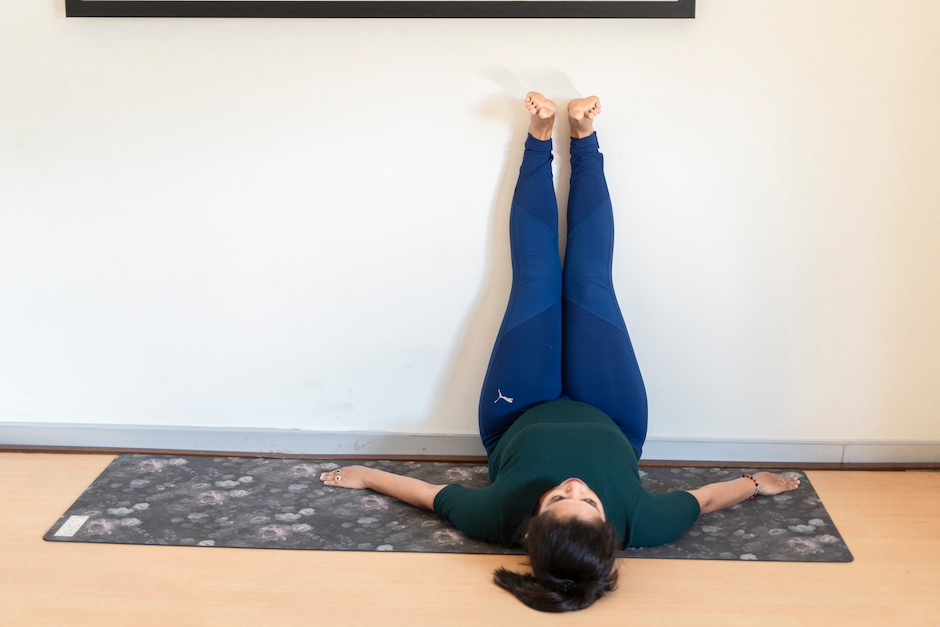
Credit: myyogateacher.com
Getting Started With Somatic Yoga
Starting somatic yoga is an invitation to reconnect with your body in a gentle, mindful way. It’s not about pushing limits but about tuning into subtle movements and sensations. Preparing the right environment and gear can make a big difference in how comfortable and focused you feel during your practice.
Choosing The Right Space
Your practice space should feel calm and free from distractions. Look for a quiet corner in your home where you can stretch out comfortably without interruptions. Natural light helps create a soothing atmosphere, but soft artificial lighting can work just as well.
Think about the temperature too—too hot or too cold can make it hard to relax. A clean, uncluttered area invites you to focus inward, so try to keep your space tidy. You don’t need a large room; even a small spot that feels private and safe is enough.
Essential Props And Clothing
Comfort is key when choosing what to wear. Soft, stretchy clothes that don’t restrict your movements allow you to explore your body freely. Avoid anything too tight or scratchy that might distract you from your practice.
Props can support your body and enhance your experience. A yoga mat provides cushioning and grip, while pillows or folded blankets can help you maintain comfortable postures. Don’t worry about expensive gear—simple household items often work well as substitutes.
Basic Somatic Yoga Exercises
Basic Somatic Yoga exercises invite you to connect deeply with your body’s natural movements. These gentle practices help you become more aware of tension and release it slowly. Starting with simple exercises allows you to tune into your body without strain or pressure.
Pelvic Tilts
Pelvic tilts are a gentle way to wake up your lower back and hips. Lie on your back with knees bent and feet flat on the floor. Slowly tilt your pelvis upward, flattening your lower back against the floor, then release back to neutral.
This movement might feel subtle at first, but it helps you notice how your pelvis moves. Try to keep the motion smooth and controlled. Can you feel areas that are tighter or less mobile?
Spinal Waves
Spinal waves mimic the natural flow of your spine as it moves in segments. Sit comfortably or stand tall, then slowly initiate a wave starting from your tailbone, moving upward through each vertebra to your head.
This exercise improves spinal flexibility and helps reduce stiffness. Focus on slow, deliberate movement and notice if any part of your spine resists the wave. What changes when you soften that area?
Neck Releases
Neck releases ease tension accumulated from daily stress or screen time. Sit or stand with your spine straight. Gently drop your chin toward your chest, then roll your head slowly to one side, back, and the other side.
Move only as far as comfortable. This slow release can improve circulation and reduce stiffness. Have you noticed how your neck feels after even a few gentle rolls?
Breath Awareness
Breath awareness is the foundation of Somatic Yoga. Sit or lie down in a comfortable position. Focus your attention on the natural flow of your breath, feeling your belly rise and fall with each inhale and exhale.
This simple exercise anchors your mind and body connection. Pay attention to any areas where your breath feels shallow or restricted. How does your breathing change when you consciously relax those spots?
Tips For Effective Practice
Starting somatic yoga can be a deeply rewarding experience, but it requires mindful attention to how you approach your practice. Small adjustments in your attitude and routine can make a big difference in how effectively you connect with your body and reduce tension. Here are some practical tips to help you get the most out of your somatic yoga sessions.
Listening To Your Body
Your body is the best guide during somatic yoga. Notice how each movement feels—not just physically, but emotionally and mentally too. If a movement causes discomfort or pain, pause and adjust instead of pushing through.
Pay attention to subtle sensations like tension easing or breath deepening. These signals tell you what your body needs at that moment. Have you ever tried stopping and simply sensing your body before moving? It can transform your practice into a conversation rather than a checklist.
Pacing And Patience
Somatic yoga is not about rushing to achieve complex poses or quick results. It’s about slow, gentle movements that encourage awareness and release. If you feel impatient or frustrated, remind yourself that progress happens gradually.
Take breaks when needed and avoid comparing your pace to others. Your nervous system needs time to learn and adapt. How often do you allow yourself to slow down completely during exercise? This patience can unlock deeper relaxation.
Incorporating Daily
Even a few minutes of somatic yoga each day can build lasting benefits. Try to add short sessions into your routine—maybe in the morning to wake up or before bed to relax. Consistency helps your body remember and integrate new movement patterns.
Set simple goals like focusing on breathing or loosening a specific area each day. Over time, these small habits create a strong foundation for body awareness. What small daily step could you add right now to feel more connected in your body?
Common Challenges And Solutions
Starting somatic yoga can bring many benefits but also some challenges. These obstacles often discourage beginners from continuing. Understanding common issues helps you stay on track and enjoy the practice more. Simple solutions can ease the journey and improve results.
Dealing With Stiffness
Stiff muscles can limit your movements in somatic yoga. This makes it hard to perform exercises smoothly. Begin with gentle stretches to warm up your body. Focus on slow, mindful movements instead of pushing hard.
Use these tips to reduce stiffness:
- Practice regularly to increase flexibility gradually.
- Apply heat or take a warm bath before sessions.
- Breathe deeply to relax muscles during poses.
Maintaining Focus
Somatic yoga requires attention to small body sensations. Distractions can break your concentration quickly. Create a quiet, comfortable space for your practice. Limit outside noise and interruptions as much as possible.
Try these ideas to improve focus:
- Set a clear intention before each session.
- Use guided audio or videos to stay engaged.
- Practice short sessions to build mental endurance.
Avoiding Overexertion
Beginners often push their bodies too hard in somatic yoga. This can cause pain or injury and slow progress. Listen carefully to your body’s signals. Move slowly and stop if you feel discomfort.
Keep these points in mind:
- Start with easy exercises and increase difficulty slowly.
- Rest between movements to allow recovery.
- Focus on quality of movement, not speed or intensity.

Credit: www.youtube.com
Resources For Beginners
Starting somatic yoga can feel overwhelming without the right guidance. The good news is there are plenty of resources designed specifically to help beginners build confidence and understanding. Choosing the right ones can speed up your learning and make your practice more enjoyable.
Recommended Books
Books offer a solid foundation and allow you to learn at your own pace. “Somatic Yoga” by Strozzi-Heckler is a great start, blending clear explanations with practical exercises. Another excellent read is “The Body Awareness Workbook” by Julie Tallard Johnson, which helps you connect mind and body effectively.
These books don’t just explain techniques; they encourage you to listen closely to your body’s signals. Have you noticed how certain movements feel different each day? These resources help you tune into those subtle changes.
Online Classes
Online classes bring expert guidance right to your living room. Platforms like Yoga International and Gaia offer beginner-friendly somatic yoga sessions with step-by-step instructions. You can pause, rewind, and practice whenever it suits you.
Look for classes that emphasize slow, mindful movements and body awareness. How does your body respond after a gentle session? This hands-on approach helps you notice and reduce tension effectively.
Community Groups
Joining a community can transform your practice by adding support and motivation. Many local yoga studios and wellness centers host somatic yoga groups, but online forums like Reddit’s r/somatyoga also connect beginners worldwide.
Sharing experiences and challenges with others can reveal new insights and keep you motivated. What questions or discoveries would you bring to a group conversation? Engaging with a community helps you stay committed and inspired.
Frequently Asked Questions
What Is Somatic Yoga And How Does It Differ?
Somatic yoga focuses on internal body awareness and gentle movements. Unlike traditional yoga, it emphasizes sensing and releasing muscle tension. This practice improves body-mind connection, flexibility, and relaxation without intense stretching or poses.
Who Can Benefit From Somatic Yoga For Beginners?
Anyone seeking stress relief, pain reduction, or improved mobility can benefit. It suits all ages and fitness levels, especially those with chronic pain or limited movement. Somatic yoga helps beginners develop body awareness safely and effectively.
How Often Should Beginners Practice Somatic Yoga?
Beginners should practice somatic yoga 2-3 times weekly for best results. Consistent practice helps retrain muscles and reduce tension. Even short, regular sessions promote relaxation and improved movement over time.
What Equipment Is Needed For Somatic Yoga Practice?
Minimal equipment is needed: a yoga mat or comfortable surface. Optional props include cushions or blankets for support. The focus is on mindful movement and body awareness, not gear.
Conclusion
Somatic yoga helps you connect with your body gently. It teaches you to move with awareness and ease. Beginners can enjoy its slow, mindful approach. This practice reduces tension and improves flexibility over time. Small daily sessions bring calm and better balance.
Feel your body’s signals and respond kindly. Somatic yoga suits all ages and fitness levels. Start simple, stay patient, and notice changes. Your body will thank you for the care. Try somatic yoga and enjoy peaceful movement.







