
Are you recovering from surgery and unsure about what you should eat? Navigating the post-surgery diet can feel like a daunting task.
It’s crucial to provide your body with the right nutrients while ensuring your meals are gentle on your healing system. A soft food diet after surgery isn’t just a recommendation; it’s a pathway to a smoother, more comfortable recovery. Imagine indulging in delicious, easy-to-eat foods that not only taste good but also accelerate your healing process.
In this guide, you’ll discover why a soft food diet is essential, what foods to include, and how to make your meals both nutritious and enjoyable. Keep reading to learn how you can make your recovery journey as seamless and tasty as possible!
Benefits Of A Soft Food Diet
A soft food diet after surgery offers many benefits for recovery. It helps your body heal by providing gentle, easy-to-eat meals. This diet reduces strain on your digestive system and minimizes pain. Choosing soft foods supports your comfort and speeds up healing.
Easing Digestion
Soft foods are easier to chew and swallow. They break down quickly in the stomach, making digestion smooth. This gentle process helps avoid irritation or upset. Your digestive system can focus on healing, not on working hard.
Reducing Discomfort
After surgery, eating hard or crunchy foods can cause pain. Soft foods reduce pressure on sensitive areas. They lower the risk of injury or irritation in the mouth or stomach. This leads to less discomfort during meals and faster recovery.
Promoting Healing
Soft foods supply important nutrients your body needs to heal. They allow you to eat enough without strain. Proper nutrition supports tissue repair and strengthens your immune system. Eating soft foods helps your body recover more quickly and safely.

Credit: barilife.com
Ideal Soft Foods To Eat
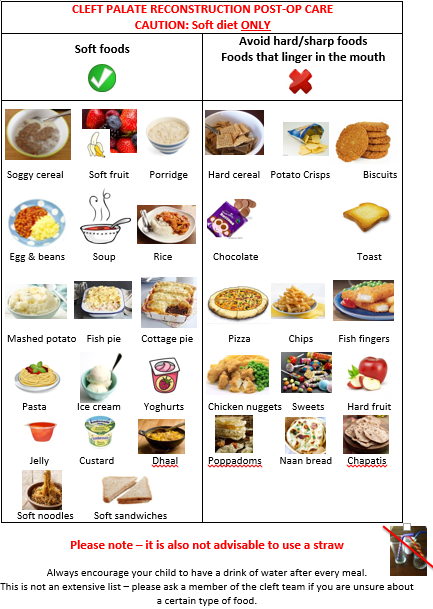
Choosing the right soft foods after surgery is key to a smooth recovery. You want items that are gentle on your stomach and easy to chew and swallow. The ideal soft foods nourish your body without causing discomfort or irritation.
Fruits And Vegetables
Soft, cooked vegetables like carrots, squash, and spinach are excellent choices. They provide vitamins and minerals essential for healing without the rough texture of raw veggies.
Fruits such as ripe bananas, peeled applesauce, and canned peaches offer natural sweetness and fiber without being tough on your mouth.
Have you tried blending your favorite fruits into smoothies? It’s an easy way to enjoy variety while keeping the texture soft and drinkable.
Proteins And Dairy
Protein supports tissue repair, so include soft options like scrambled eggs, tofu, and well-cooked fish. These are filling and easy to digest.
Dairy products like yogurt, cottage cheese, and smooth ricotta add calcium and protein without requiring much chewing. Choose plain or low-sugar versions to avoid irritation.
Have you noticed how a creamy protein shake can sometimes feel more satisfying than solid food after surgery? It’s worth trying if chewing is still uncomfortable.
Grains And Cereals
Soft grains such as oatmeal, cream of wheat, and well-cooked rice can provide energy and keep you full longer. They absorb flavors well, so you can add mild spices or broths.
Soft bread without crust and plain pasta are also good choices. Toast the bread lightly if you want a bit of texture without it being tough.
Think about what breakfast cereals you can eat without crunch—instant oatmeal or finely ground cereals might surprise you with their gentle texture and ease on your healing mouth.
Foods To Avoid
A soft food diet after surgery demands careful food choices to protect your healing process. Avoiding certain types of foods can prevent irritation, discomfort, and complications. Knowing what to skip helps you recover faster and feel better every day.
Hard And Crunchy Items
Hard and crunchy foods like nuts, raw carrots, and chips can be tough on your healing tissues. They require more chewing and can cause pain or even damage surgical sites.
Think about how biting into a crisp apple feels after surgery. That crunch might cause discomfort or reopen stitches. Instead, save these foods for when your doctor says it’s safe to eat them again.
Spicy And Acidic Foods
Spicy foods such as hot peppers and acidic items like citrus fruits can irritate sensitive areas. They might cause burning sensations or inflammation that slows down recovery.
Have you noticed how a bit of lemon juice can sting a sore spot? That same effect applies after surgery. Avoiding these can help keep your mouth or digestive tract calm and comfortable.
High-fiber And Tough Meats
High-fiber foods like raw vegetables and tough meats demand more effort to chew and digest. They might strain your healing body and cause discomfort or digestive issues.
Imagine trying to chew a steak when your mouth feels sore—that’s exactly what you want to avoid. Opt for softer protein options like scrambled eggs or well-cooked fish instead.
Meal Preparation Tips
Preparing meals for a soft food diet after surgery requires care and attention. The goal is to create dishes that are gentle on the healing body yet still tasty and satisfying. Focus on making foods easy to chew and swallow without losing flavor or nutrients. Simple changes in cooking and seasoning can make a big difference in meal enjoyment during recovery.
Cooking Techniques For Softness
Choose cooking methods that break down food fibers and soften texture. Boiling, steaming, and slow cooking are excellent options. These techniques help foods become tender without adding extra fat or spices.
- Boil vegetables until fork-tender for easy chewing.
- Steam fruits to preserve nutrients and soften them.
- Use a slow cooker for meats to make them fall apart.
- Simmer soups and stews until ingredients blend smoothly.
Blending And Pureeing
Blending transforms solid foods into smooth, easy-to-swallow meals. Pureeing works well for fruits, vegetables, and proteins. Use a blender or food processor to achieve a creamy texture without lumps.
- Add liquids like broth or milk for a smoother blend.
- Strain blended foods to remove any remaining chunks.
- Serve purees warm, not hot, to avoid irritation.
- Combine different ingredients for variety and balanced nutrition.
Seasoning Without Irritation
Season foods gently to enhance taste without causing discomfort. Avoid spicy, acidic, or salty seasonings that may irritate healing tissues. Mild herbs and natural flavors add enjoyment without pain.
- Use fresh herbs like parsley, basil, or thyme.
- Add small amounts of salt gradually to taste.
- Use mild spices such as cinnamon or ginger sparingly.
- Incorporate natural flavor from cooked vegetables and fruits.
Hydration And Fluids
Staying hydrated after surgery is more important than you might think. Your body needs fluids to heal, flush out toxins, and keep energy levels steady. But drinking the right fluids can sometimes be tricky, especially when you’re on a soft food diet.
Best Drinks After Surgery
Water is always a top choice, but you can add variety to keep things interesting and nourishing. Try herbal teas like chamomile or ginger, which can soothe your stomach and help with digestion.
Fruit-infused water adds flavor without extra sugar, making it easier to drink more. Coconut water is a natural electrolyte booster, perfect if you feel weak or tired.
Milk or plant-based alternatives provide protein and calcium, supporting tissue repair. Avoid sugary sodas and caffeinated drinks, as they can dehydrate you and slow healing.
Avoiding Dehydration
Dehydration sneaks up on many recovering patients. You might not feel thirsty, but your body still loses fluids through sweat, breath, and urine.
Set reminders to drink small amounts regularly rather than large quantities at once. Notice how your urine color changes—clear or light yellow means good hydration.
If you experience dizziness, dry mouth, or headaches, increase your fluid intake immediately. These signs are your body’s way of asking for more water.
Incorporating Soups And Broths
Soups and broths are fantastic for hydration and nutrition combined. They’re easy to swallow and provide warmth, which can be comforting after surgery.
Choose low-sodium options to avoid fluid retention and high blood pressure. Homemade broths with vegetables and lean protein add vitamins and minerals that support healing.
Experiment with pureed vegetable soups or strained chicken broth to keep textures smooth and gentle on your system. Have you tried blending your favorite soup to fit your soft food needs?
Timing And Portion Control
After surgery, managing the timing and portion size of your soft food meals plays a crucial role in your recovery. Eating too much at once or too infrequently can cause discomfort and slow down healing. Understanding how often to eat and how much to put on your plate can help you stay comfortable and get the nutrients you need without overwhelming your system.
Meal Frequency
Eating smaller meals more frequently can be easier on your digestive system than having three large meals a day. Try to space your meals every 2 to 3 hours. This steady intake keeps your energy levels stable and prevents nausea or bloating.
Think about how your energy feels throughout the day. Are there moments when hunger strikes suddenly? Scheduling meals and snacks can help you avoid those uncomfortable hunger pangs while supporting steady healing.
Portion Sizes
Portion control is key to avoid feeling overly full or uncomfortable. Start with small servings, about half a cup to one cup per meal, depending on your appetite and tolerance. You can gradually increase portions as you feel better.
Visualize your plate divided into smaller sections, focusing mostly on soft, easy-to-digest foods. This keeps meals manageable and reduces the risk of upsetting your stomach. Have you noticed how sometimes even a little too much food can make you feel uneasy after surgery?
Listening To Your Body
Your body gives clear signals when it’s had enough or needs more. Pay close attention to feelings of fullness, hunger, and any discomfort during or after eating. Stopping before you feel stuffed can help prevent nausea and promote better digestion.
It’s normal for appetite to fluctuate during recovery. Don’t force yourself to finish meals if you’re not hungry. Instead, focus on nutrient-rich foods in smaller amounts. How often do you check in with your hunger cues during meals?
Monitoring Progress And Adjustments
Monitoring your progress on a soft food diet after surgery is essential to ensure a smooth recovery. Paying close attention to how your body responds helps you know when to make necessary adjustments. This keeps you comfortable and supports healing without setbacks.
Recognizing Improvement Signs
Notice if swallowing becomes easier and less painful over time. You might find yourself craving more textured foods or feeling hungry between meals. These signs often mean your body is ready to handle more variety.
Watch for a decrease in swelling or irritation in your mouth or throat. Improved energy and fewer digestive issues also indicate progress. Are you feeling more confident with each meal? That’s a good signal you’re on the right track.
When To Reintroduce Regular Foods
Think about adding firmer foods once soft foods feel comfortable and pain-free. Start with small portions to test how your body reacts. Introducing items like soft-cooked vegetables or tender meats can be a good next step.
Avoid rushing this process. Moving too quickly might cause discomfort or complications. If you experience pain, swelling, or nausea, it’s a sign to slow down and stick with softer options a bit longer.
Consulting Healthcare Providers
Keep in touch with your doctor or dietitian during your recovery. They can provide personalized advice based on how you’re healing. Don’t hesitate to ask questions about any new symptoms or concerns.
Your healthcare team can help you adjust your diet safely and recommend supplements if needed. Remember, your recovery journey is unique—professional guidance ensures you don’t miss important steps. How often do you check in with your care provider during recovery?
Credit: www.rch.org.au

Credit: barilife.com
Frequently Asked Questions
What Foods Are Allowed On A Soft Food Diet After Surgery?
Soft food diets include mashed potatoes, yogurt, scrambled eggs, and cooked vegetables. These foods are easy to chew and digest, helping your body heal without irritation.
How Long Should I Follow A Soft Food Diet Post-surgery?
Typically, a soft food diet lasts 1 to 2 weeks after surgery. Your doctor will advise when you can gradually reintroduce harder foods.
Can I Drink Liquids On A Soft Food Diet After Surgery?
Yes, clear broths, smoothies, and milkshakes are encouraged. They provide hydration and nutrients without straining your digestive system.
Why Is A Soft Food Diet Important After Surgery?
A soft food diet reduces chewing effort and prevents irritation in the surgical area. It promotes faster healing and minimizes discomfort.
Conclusion
Following a soft food diet helps your body heal after surgery. Choose gentle foods that are easy to chew and swallow. This diet reduces pain and avoids stress on your mouth or stomach. Eating this way supports faster recovery and better comfort.
Remember to stay hydrated and listen to your body’s needs. Gradually, you can add firmer foods back into your meals. Taking care with your diet makes healing smoother and safer. Keep it simple, soft, and nourishing for the best results.







