
Are you looking to boost your workout and build strength faster? Sled gym equipment might be the game-changer you need.
Whether you want to improve your speed, power, or endurance, sled training offers a simple yet highly effective way to challenge your muscles like never before. You’ll discover why sleds are becoming a must-have in gyms and how you can use them to reach your fitness goals.
Keep reading to find out how sled gym equipment can transform your workouts and keep you motivated every step of the way.

Credit: www.amazon.com
Benefits Of Sled Training
Sled training offers a unique way to build strength and endurance. It challenges muscles differently than regular weightlifting. The sled’s resistance forces the body to work harder. This leads to faster gains in power and stamina. Athletes and fitness lovers use sleds for many reasons. The benefits cover muscle growth, heart health, and sports skills.
Enhancing Muscle Power
Pushing or pulling a sled activates multiple muscle groups. It targets legs, glutes, core, and upper body simultaneously. The constant resistance improves muscle strength and size. Sled training builds explosive power by mimicking real-life movements. It helps in lifting, sprinting, and jumping with more force. The controlled but intense effort reduces injury risk.
Improving Cardiovascular Fitness
Sled workouts raise the heart rate quickly. This boosts blood flow and oxygen delivery throughout the body. The steady pace strengthens the heart and lungs. It increases endurance and energy levels. Training with a sled burns many calories in a short time. This makes it effective for fat loss and better health. It suits all fitness levels with adjustable weights.
Boosting Athletic Performance
Sled training improves speed, agility, and coordination. It enhances acceleration and deceleration skills. Athletes gain better control over their body movements. The sled mimics sport-specific actions like pushing and sprinting. This transfers directly to better performance on the field. It also builds mental toughness through challenging workouts.
Credit: www.vevor.com
Types Of Sleds
Sled gym equipment offers a versatile workout option. Different types of sleds serve varied fitness goals. Understanding each type helps in choosing the right one for your needs.
Weighted Sleds
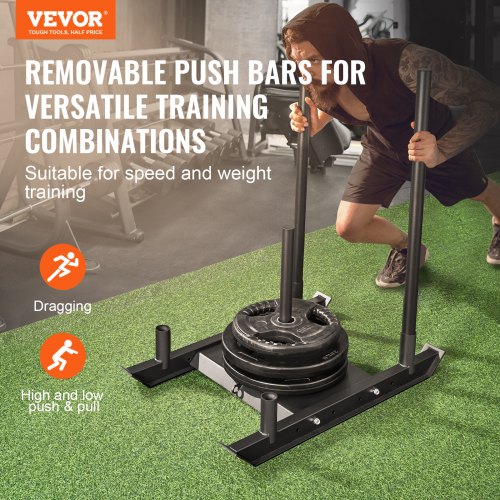
Weighted sleds allow users to add weights for resistance. This type enhances strength and endurance. It’s perfect for building muscle and burning calories. The sled’s design often includes a flat surface for weight plates. This makes it easy to adjust resistance levels. Weighted sleds are popular in strength training routines.
Push Sleds
Push sleds focus on lower body strength. Athletes use them for powerful leg workouts. The sled has handles for pushing, engaging muscles deeply. It’s great for improving speed and power. Push sleds are ideal for enhancing athletic performance. They are often seen in sports training facilities.
Pull Sleds
Pull sleds are excellent for cardiovascular workouts. Users attach harnesses to pull the sled. This engages the entire body, especially the core. Pulling a sled helps improve endurance and stamina. It’s a simple yet effective tool for a full-body workout. Pull sleds are suitable for outdoor and indoor use.
Hybrid Models
Hybrid sleds combine features of push and pull sleds. They offer versatility for diverse workouts. These sleds adapt to various exercises, targeting different muscle groups. Hybrid models provide both strength and cardio benefits. They are an efficient choice for dynamic training sessions. Ideal for those seeking a comprehensive workout experience.
Choosing The Right Sled
Choosing the right sled for your workouts can dramatically impact your training results and enjoyment. The perfect sled matches your specific needs, fits your available space, and stands up to your workout intensity. Taking time to evaluate these factors saves you money and frustration down the road.
Considering Training Goals
What do you want to achieve with your sled workouts? Are you focusing on building explosive power, improving endurance, or rehabilitating an injury? Different sleds serve different purposes—some are designed for heavy resistance and short bursts, while others work better for longer, endurance-type pushes.
Think about your current fitness level and how you plan to progress. If you want to sprint with heavy loads, choose a sled with adjustable weights and smooth runners. For versatility, look for sleds that allow you to add or remove weight plates easily.
Evaluating Build Quality
Durability is critical. A well-built sled lasts years even under intense use. Check the frame material—steel is common and reliable, but some models use aluminum for lighter weight. Look for welds and joints that are solid and free from sharp edges or weak points.
Also, examine the sled’s runners or base. They should be sturdy and designed to glide smoothly on your workout surface. Poor-quality runners can damage floors or wear out quickly, interrupting your training routine.
Assessing Space And Surface
Where will you use your sled? The surface matters a lot—turf, concrete, or gym flooring all interact differently with sled designs. Turf-friendly sleds have wider runners to prevent digging in, while sleds for concrete usually have tougher, more abrasion-resistant bases.
Measure your available space carefully. A sled requires enough room to push or pull effectively without risking injury or damage. If your area is tight, consider a compact model or one that lets you adjust the handle height and length.
Essential Accessories
Having the right sled gym equipment accessories can make a huge difference in your training sessions. These essential add-ons not only improve the functionality of your sled but also enhance your workout experience. Let’s look at some must-have accessories that can push your performance to the next level.
Weight Plates
Weight plates are the core of sled training. They allow you to adjust resistance easily, making your workouts scalable and challenging.
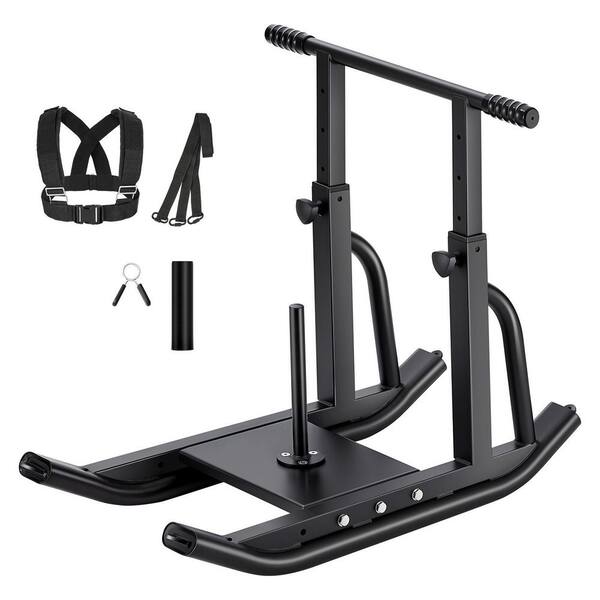
Most sleds come with a standard weight plate holder, so you can add or remove plates quickly. Choosing durable plates with a secure fit will keep your sessions safe and efficient.
Do you prefer iron plates or rubber-coated ones? Rubber-coated plates protect your gym floor and reduce noise, which can be a big plus if you train indoors.
Harnesses And Straps
Harnesses and straps help you connect to the sled in a way that distributes force evenly across your body. This prevents strain and allows you to engage more muscles during your pulls or pushes.
A well-fitted harness can transform your sled workout from tough to manageable, especially during high-intensity sessions. Look for adjustable straps that fit comfortably and won’t restrict your movement.
Have you noticed how a good harness lets you keep your posture strong while pushing? It’s a game changer for avoiding injuries and maximizing power.
Sled Handles
Sled handles come in various shapes and sizes, each designed to target different muscle groups and grip styles. Choosing the right handle can diversify your workouts and keep training fresh.
Some handles are angled for better wrist positioning, while others are straight for a more traditional grip. You might want to have multiple handles on hand to switch between pushes, pulls, and drags.
Think about the kind of grip you find most comfortable—do you prefer thick handles for grip strength or thinner ones for speed? Selecting the right handles can directly impact your performance and fatigue levels.
Effective Sled Exercises
Sled exercises build strength, power, and endurance effectively. They engage multiple muscle groups and improve overall fitness. Sled workouts suit all fitness levels and sports training.
Using sleds, you can target legs, core, and upper body. The resistance challenges muscles differently than traditional weights. This leads to better functional strength and conditioning.
Sled Push Variations
- Standard Push: Drive the sled forward using strong leg and core force.
- Low-Handle Push: Hold lower handles to focus more on leg power.
- High-Handle Push: Engage upper body muscles by pushing at chest height.
- Single-Leg Push: Push with one leg to improve balance and stability.
- Incline Push: Push the sled uphill to increase resistance and intensity.
Sled Pull Movements
- Backward Pull: Face the sled and pull it backward using a harness or rope.
- Lateral Pull: Pull the sled sideways to work on hip and core muscles.
- Seated Pull: Sit and pull the sled to isolate upper body strength.
- Partner Pull: Work with a partner pulling sleds to add competition.
Sled Drag Techniques
- Forward Drag: Drag the sled walking forward while leaning into the movement.
- Backward Drag: Walk backward while dragging to target hamstrings and glutes.
- Bear Crawl Drag: Crawl on hands and feet dragging the sled for full-body work.
- Side Drag: Drag the sled sideways to strengthen hips and improve agility.
Programming For Strength Gains
Programming sled gym equipment for strength gains requires a clear plan. It balances effort and recovery. Proper programming helps build muscle and improve power. The right mix of intensity, volume, and progression leads to steady improvement.
Setting Intensity And Volume
Intensity means how hard the exercise feels. Volume is the total work done, like sets and reps. For strength, use heavy loads with fewer reps. Keep reps between 3 to 6 per set. Perform 3 to 5 sets for best results. Rest time between sets should be 2 to 3 minutes. This helps muscles recover for the next effort.
Incorporating Intervals
Intervals add variety and help build endurance alongside strength. Use short bursts of high effort followed by rest or low effort. For example, push the sled hard for 20 seconds. Then rest for 40 seconds. Repeat this 5 to 8 times. This method improves work capacity and keeps training interesting.
Progressive Overload Strategies
Progressive overload means increasing the challenge over time. This forces muscles to adapt and grow stronger. Increase weight on the sled gradually. Add small increments each week or session. Increase the number of sets or reps carefully. Change the rest time to increase difficulty. Track progress to stay consistent and avoid plateaus.
Safety Tips For Sled Workouts
Safety should be your top priority when using sled gym equipment. Pushing yourself is great, but avoiding injuries ensures you can keep training consistently. Understanding key safety tips can help you get the most from your sled workouts without setbacks.
Proper Warm-up Routines
Warming up prepares your muscles and joints for the intense work ahead. Start with dynamic stretches like leg swings, arm circles, and walking lunges to increase blood flow.
Adding light cardio, such as jogging or cycling for 5–10 minutes, can raise your heart rate gradually. This reduces stiffness and lowers the risk of muscle strains when you begin sled pushes or pulls.
Have you noticed how skipping warm-ups often leads to tightness or soreness afterward? Taking a few extra minutes here can save you from those frustrating aches.
Maintaining Correct Form
Keeping proper form during sled workouts protects your joints and maximizes efficiency. Your back should stay straight, core engaged, and shoulders down to avoid unnecessary strain.
Focus on driving through your legs rather than leaning excessively forward with your upper body. This helps distribute the force evenly and prevents lower back pain.
Watching yourself in a mirror or recording a video can reveal subtle form issues you might miss. What small adjustments can you make to improve your posture right now?
Avoiding Common Injuries
Common injuries with sled training include strains to the hamstrings, knees, and lower back. To minimize risk, start with lighter weights and increase resistance gradually.
Listen to your body—sharp pain or discomfort is a warning sign to stop and reassess your technique or load. Also, ensure your footwear provides good traction to prevent slipping.
In my experience, resting adequately between sessions helped me avoid overuse injuries. How often do you allow your muscles time to recover after intense sled workouts?
Maintaining Your Sled Equipment
Maintaining your sled equipment ensures it stays safe and effective for every workout. Regular care extends its life and keeps performance smooth. Small checks and simple actions prevent costly repairs and downtime.
Cleaning And Storage
Keep your sled clean by wiping it down after each use. Dirt, sweat, and dust can cause rust and damage. Use a damp cloth and mild soap for stubborn grime. Dry the sled completely before storing it.
Store your sled in a dry, cool place. Avoid leaving it outside or in damp areas. Proper storage prevents rust and keeps parts from warping. Cover the sled with a tarp or cloth to protect it from dust.
Inspecting For Wear
Check your sled regularly for signs of wear or damage. Look closely at the runners, frame, and handles. Cracks, dents, or loose bolts need attention right away. Worn parts can cause injury or reduce training quality.
Inspect the sled before and after workouts. Spot problems early to avoid bigger issues. Replace any damaged parts as soon as possible to maintain safety.
Lubrication And Repairs
Lubricate moving parts like wheels and bearings regularly. Use a light machine oil to keep them running smoothly. Avoid over-lubricating, which can attract dirt and cause clogs.
Fix minor repairs promptly to keep the sled functional. Tighten bolts and screws as needed. Replace broken components with original or compatible parts. Proper repairs improve performance and prevent accidents.
Credit: www.homedepot.com
Frequently Asked Questions
What Is Sled Gym Equipment Used For?
Sled gym equipment is used for strength and conditioning workouts. It helps build power, speed, and endurance by pushing or pulling weighted sleds. This equipment improves overall athletic performance and is popular in functional training and sports-specific exercises.
How Do You Properly Use A Gym Sled?
To use a gym sled properly, load it with appropriate weight. Push or pull the sled with controlled movements, keeping your core engaged. Maintain good posture and avoid jerky motions for effective and safe training sessions.
What Are The Benefits Of Sled Training?
Sled training enhances muscle strength, cardiovascular fitness, and explosiveness. It offers low-impact resistance, reducing joint stress. This training also improves grip strength and endurance, making it ideal for athletes and fitness enthusiasts.
Can Beginners Use Sled Gym Equipment Safely?
Yes, beginners can use sled gym equipment safely by starting with light weights. Focus on proper form and technique to avoid injury. Gradually increase resistance as strength and confidence improve.
Conclusion
Sled gym equipment offers a simple way to build strength and endurance. It works for all fitness levels and goals. You can push, pull, or drag sleds for a full-body workout. Sled exercises improve power, speed, and muscle tone. This equipment fits well in home gyms or fitness centers.
Using sleds keeps workouts fresh and challenging. Try sled training to add variety and boost your fitness routine. It helps you stay active and healthy with low injury risk. Sleds truly make exercise effective and fun.







