
Have you ever noticed an itchy, red rash after using gym equipment? It’s more common than you might think.
Your gym gear can hide bacteria, sweat, and germs that irritate your skin. If you want to keep working out without worrying about painful rashes, understanding why this happens and how to prevent it is key. Keep reading to learn what causes skin rash from gym equipment and how you can protect your skin every time you hit the gym.
Common Causes Of Gym Rash
Skin rash from gym equipment is common and can cause discomfort. Understanding the main causes helps prevent it. Several factors play a role in developing rashes after gym sessions. These include infections, irritation, allergies, and hygiene issues.
Bacterial And Fungal Infections
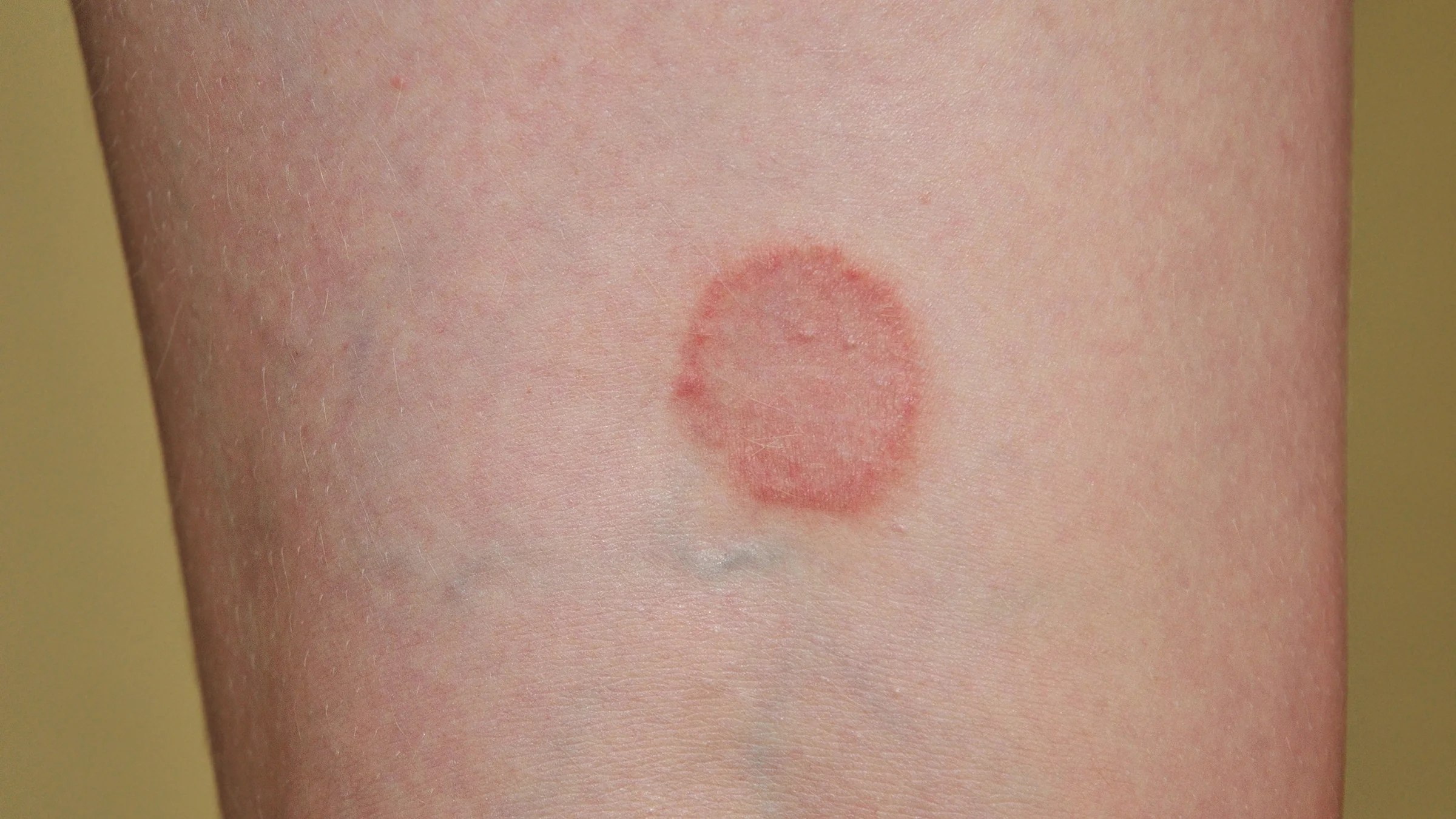
Gyms are warm and moist places. These conditions help bacteria and fungi grow fast. Sharing equipment increases the chance of infections. Skin contact with contaminated surfaces can lead to rashes. Common infections include ringworm and staph infections. They cause redness, itching, and sometimes blisters.
Irritation From Sweat And Friction
Sweat traps dirt and bacteria on the skin. It also softens the skin, making it sensitive. Repeated rubbing of skin against equipment causes friction. This friction can break the skin’s surface. Broken skin is more prone to rashes and sores. Tight clothes and rough materials add to irritation.
Allergic Reactions To Materials
Some gym equipment contains rubber, latex, or metal. These materials can cause allergic reactions in some people. Allergic rashes are red, itchy, and sometimes swollen. Even gym gloves and mats can trigger allergies. Identifying the material helps avoid allergic reactions.
Poor Hygiene And Equipment Cleanliness
Dirty gym equipment holds sweat, dead skin, and germs. Using unclean machines or mats spreads bacteria and fungi. Many gyms don’t clean equipment frequently enough. Sweat and dirt build-up increases the risk of rash. Personal hygiene also matters; not showering after workouts worsens skin issues.
Credit: www.goodrx.com
Identifying Different Types Of Rashes
Skin rashes from gym equipment often appear as red, itchy bumps or patches. These rashes result from contact with bacteria, sweat, or friction on shared surfaces. Identifying the rash type helps in choosing the right treatment and preventing further irritation.
Identifying skin rashes from gym equipment is crucial for your health. Different rashes show distinct symptoms. Recognizing these symptoms helps in early treatment. Let’s explore the types of rashes you might encounter.Redness And Itching
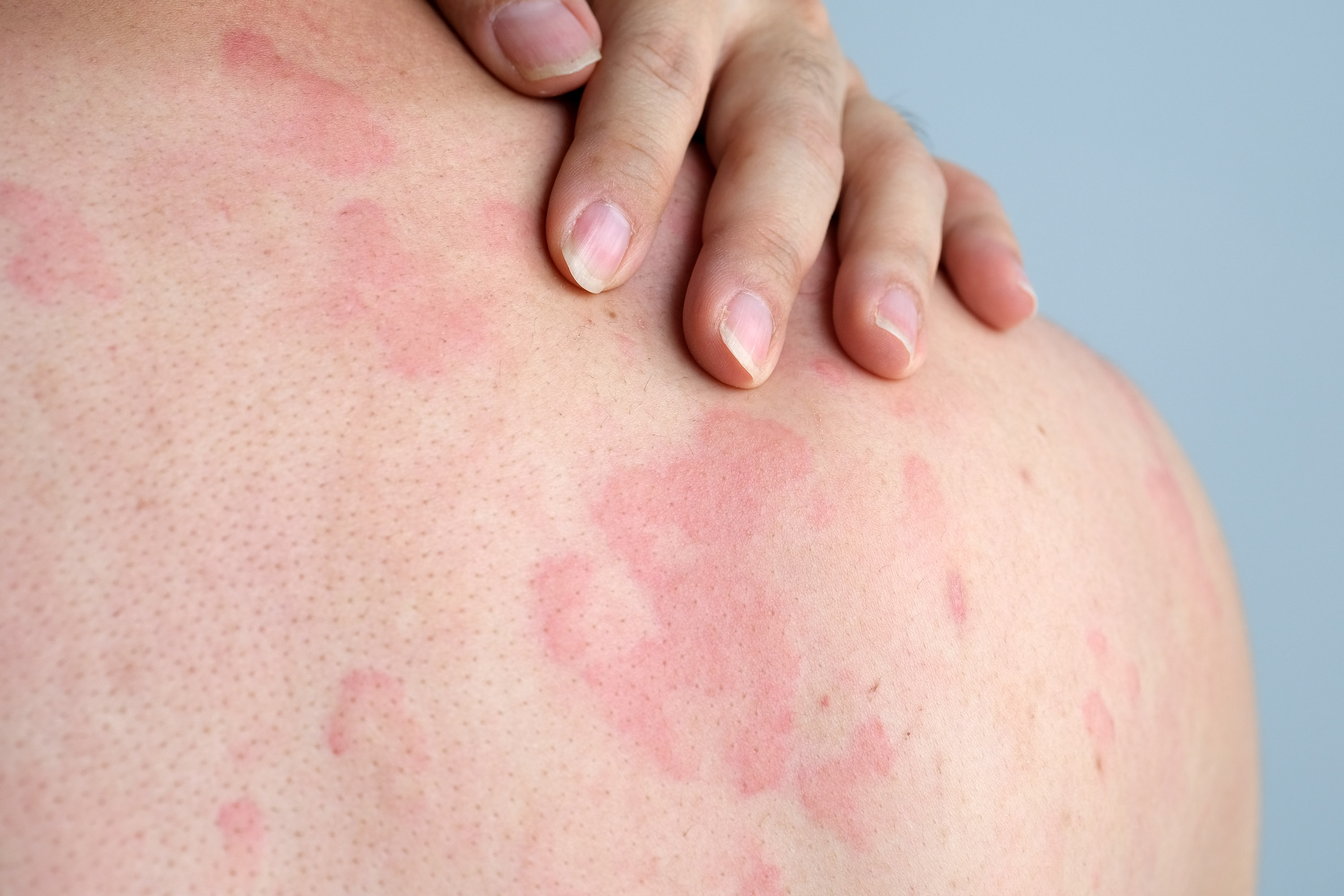
Redness and itching are common signs of contact dermatitis. This happens when skin reacts to sweat or cleaning agents. The redness might spread over time. Itching can become uncomfortable and distracting. Keep an eye on these symptoms after gym sessions.Blisters And Bumps
Blisters and bumps can form from friction or bacteria. Gym equipment can harbor germs, causing these symptoms. Blisters may contain fluid, making them painful. Bumps often appear in clusters, especially on arms and legs. They need proper care to prevent infection.Dry And Scaly Patches
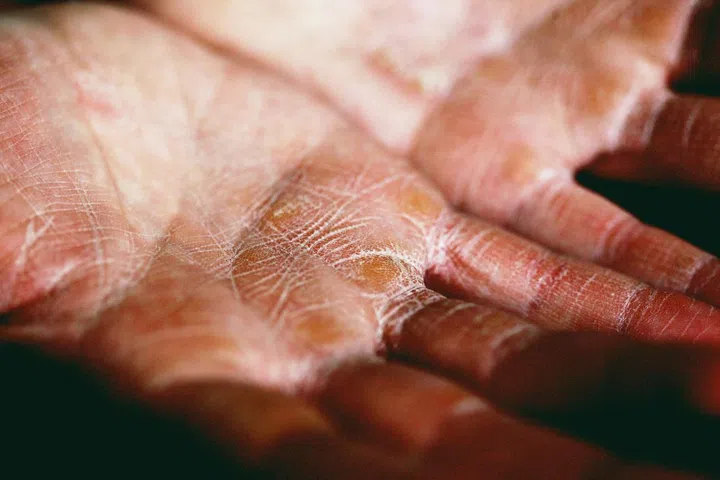
Dry and scaly patches often result from eczema or psoriasis. These patches feel rough and appear on elbows or knees. Gym sweat can worsen these conditions. Moisturizing helps, but medical advice might be necessary.Pain And Inflammation
Pain and inflammation indicate a severe skin reaction. This could be due to allergens or intense friction. The affected area might feel warm to touch. Swelling can occur, making movement difficult. Immediate attention is important to avoid complications.Preventing Gym-related Skin Irritations
Skin rashes from gym equipment are common but avoidable. Preventing these irritations protects your skin and keeps workouts comfortable. Small habits and good care reduce risks of rashes and infections.
Proper Hygiene Before And After Workout
Wash your hands and body before using gym equipment. Clean skin lowers bacteria and sweat buildup. Shower after exercising to remove sweat and dirt. Use a gentle soap to avoid drying your skin.
Using Clean Towels And Mats
Always use a clean towel during workouts. Place it on benches or mats to create a barrier. Avoid sharing towels with others. Clean your workout mats regularly to kill germs and sweat residues.
Wearing Breathable Clothing
Choose clothes made from breathable fabrics like cotton or moisture-wicking material. These fabrics help keep skin dry by allowing sweat to evaporate. Avoid tight clothes that trap sweat and cause friction.
Regular Cleaning Of Gym Equipment
Wipe down machines and weights before and after use. Use disinfectant sprays or wipes to kill germs. Encourage gym staff to clean equipment frequently. Clean equipment reduces chances of skin contact with bacteria.
Quick Relief For Skin Rashes
Skin rashes from gym equipment cause discomfort and irritation. Finding quick relief helps prevent scratching and worsening. Simple treatments can ease redness and soothe itching fast. Acting promptly limits skin damage and speeds healing. Use gentle care to protect sensitive skin areas affected by rashes.
Cold Compress And Soothing Lotions
Apply a cold compress to the rash area for 10-15 minutes. It reduces swelling and calms itching. Use a clean cloth or ice pack wrapped in fabric. Avoid placing ice directly on skin to prevent frostbite.
Soothing lotions with aloe vera or calamine help cool the skin. They relieve burning and dryness. Dab lotions gently without rubbing to avoid irritation. Repeat application as needed throughout the day.
Over-the-counter Antihistamines And Creams
Antihistamine tablets reduce allergic reactions causing rash and itchiness. Take according to package instructions or doctor advice. Creams with hydrocortisone lower inflammation and redness. Apply a thin layer on the rash twice daily.
Check for allergies to ingredients before use. Stop use if rash worsens or irritation develops. Keep creams out of reach of children.
When To See A Doctor
Seek medical help if rash spreads quickly or blisters form. Visit a doctor for severe pain or fever with rash. Persistent rash lasting more than a week needs professional evaluation. Consult if over-the-counter treatments do not improve symptoms.
Doctors can prescribe stronger medications or identify infections. Early diagnosis prevents complications and speeds recovery.
Home Remedies To Soothe Irritation
- Oatmeal baths calm inflamed skin and reduce itchiness.
- Coconut oil moisturizes dry, cracked areas and fights bacteria.
- Cold milk compresses provide instant relief and soften skin.
- Baking soda paste on rash helps neutralize skin pH and ease discomfort.
- Wear loose, breathable clothing to avoid friction and sweat buildup.
Keep the rash clean and dry. Avoid scratching to prevent infection. These simple home remedies support healing and comfort.
Choosing Skin-friendly Gym Gear
Choosing gym gear that is kind to your skin helps prevent rashes and discomfort. The right materials and fit can reduce irritation during workouts. Proper maintenance keeps your equipment clean and safe for your skin. Paying attention to these details supports healthy skin while staying active.
Materials That Reduce Irritation
Opt for gym gear made from soft, breathable fabrics. Cotton and bamboo blends allow air to flow and reduce sweat buildup. Avoid synthetic materials that trap heat and moisture. Look for hypoallergenic and moisture-wicking fabrics. These choices help keep skin dry and calm.
Proper Fit And Comfort
Choose gym clothes and gloves that fit well without tightness. Loose gear can cause friction and rubbing, leading to rashes. Too tight gear can trap sweat and irritate skin. Try different sizes to find the best fit. Comfort promotes longer, safer workouts without skin issues.
Maintenance And Replacement Tips
- Wash gym gear after every use to remove sweat and bacteria.
- Use gentle, fragrance-free detergents to avoid skin reactions.
- Allow equipment to dry completely before storage.
- Replace worn-out gear that has lost elasticity or softness.
- Inspect regularly for rough patches or damage that may irritate skin.
Credit: www.herworld.com
Credit: www.healthcentral.com
Frequently Asked Questions
What Causes Skin Rash From Gym Equipment?
Skin rashes from gym equipment are often caused by bacteria, fungi, or allergens on shared surfaces. Sweat and friction worsen irritation. Poor hygiene and unclean equipment increase rash risks. Regular cleaning and personal towels help prevent infections and rashes.
How To Prevent Skin Rashes From Gym Equipment?
To prevent rashes, always wipe equipment before and after use. Use a clean towel between your skin and surfaces. Shower promptly after workouts. Wear breathable, moisture-wicking clothing. Avoid sharing personal items and maintain good personal hygiene.
Can Skin Rashes From Gym Equipment Be Contagious?
Yes, skin rashes caused by bacteria or fungi on gym equipment can spread. Direct skin contact or touching contaminated surfaces may transfer infections. Prompt cleaning and avoiding sharing towels reduce contagion risks. Seek medical advice if rashes worsen or persist.
When Should I See A Doctor For Gym Rash?
Consult a doctor if the rash is severe, spreading, or painful. Seek help if you notice pus, fever, or persistent itching. Early treatment prevents complications. A healthcare professional can recommend appropriate creams or medications.
Conclusion
Skin rash from gym equipment can cause discomfort and worry. Clean gym tools before and after use to stay safe. Wear clothes that protect your skin during workouts. Drink water and keep your skin dry to avoid irritation. Treat any rash quickly with gentle care.
Visit a doctor if the rash gets worse or spreads. Staying clean and cautious helps you enjoy fitness without skin problems. Your health matters, so take small steps for big relief.







