
Have you ever spotted tiny, fast-moving silver bugs darting around your home and wondered what they’re eating? Understanding the silverfish diet is key to keeping your space clean and pest-free.
These little creatures might seem harmless, but what they feed on can cause damage to your books, clothes, and even wallpaper. If you want to protect your belongings and learn how to spot signs of a silverfish problem early, keep reading.
This guide will reveal exactly what silverfish love to eat—and how you can stop them from making your home their buffet.
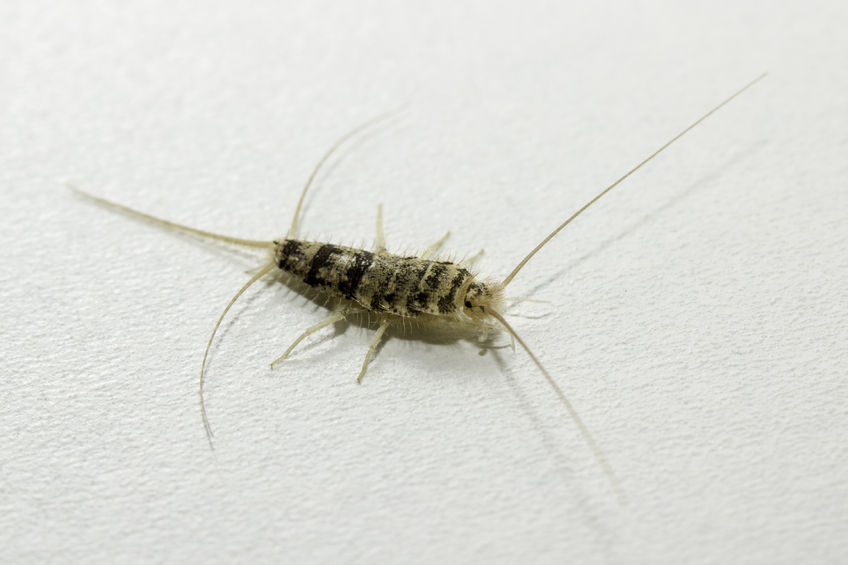
Credit: www.premierpestprevention.com
Silverfish Eating Habits
Understanding silverfish eating habits can help you manage their presence effectively. These tiny insects aren’t picky eaters, but they do have clear preferences that influence where they hang out in your home. Knowing what drives their diet choices can make a big difference in keeping them at bay.
What Silverfish Prefer
Silverfish love foods rich in starch and protein. You’ll often find them nibbling on:
- Paper products like books, wallpaper, and cardboard
- Clothing made of cotton, linen, or silk
- Glue and paste, especially in book bindings
- Dead insects and food crumbs
They’re drawn to damp, dark places where these materials are common. Ever noticed silverfish near old books or stored papers? That’s because these items provide an easy food source.
How Their Diet Changes
Silverfish don’t stick to one diet all the time. Their eating habits shift based on availability and environment. When starch and paper are scarce, they switch to other organic materials like:
- Dead skin flakes
- Mold and fungi
- Food leftovers like flour or sugar
This adaptability makes them resilient pests. Have you checked hidden spots like under sinks or behind appliances? Those areas might offer alternative food sources that keep silverfish thriving.

Credit: dengarden.com
Common Foods That Attract Silverfish
Silverfish are small insects that feed on a variety of household items. Their diet includes many common materials found around homes. Understanding what attracts silverfish helps in controlling their presence effectively.
Starchy Materials
Silverfish love starchy substances. They often eat paper, glue, and book bindings. Items like cardboard boxes and wallpaper paste also attract them. These materials provide easy-to-digest energy for silverfish.
Sugary Substances
Sugar is another favorite food of silverfish. They consume foods with sugar content such as cereals and sweets. Residues from spilled drinks or food crumbs can lure them inside. These sugary substances give silverfish a quick energy boost.
Protein Sources
Silverfish also feed on protein-rich items. Dead insects, hair, and skin flakes serve as sources of protein. Some fabrics made of natural fibers contain proteins too. This variety in diet helps silverfish survive in many environments.
Unexpected Food Sources
Silverfish are notorious for their unusual eating habits, often surprising homeowners with their choice of food. These pests don’t just nibble on crumbs or trash; they target materials you might never expect. Understanding these unexpected food sources can help you protect your belongings more effectively.
Books And Paper Products
Silverfish love the starch and glue found in books and paper products. They often feast on old books, magazines, and even important documents. Have you noticed small, irregular holes or yellow stains on your pages? That’s a sign silverfish might be snacking on your paper items.
Keep paper products in sealed containers or plastic sleeves to reduce their exposure. Regularly check your books, especially those stored in damp or dark places. This simple step can save your valuable collections from damage.
Clothing And Fabrics
Many people don’t realize silverfish can damage their clothing. These pests are attracted to natural fibers like cotton, linen, and silk. They feed on the starches and sizing agents used in fabric processing.
If you find tiny holes or frayed edges in your clothes, silverfish could be the culprit. Storing off-season clothes in airtight bags or boxes can prevent them from becoming a midnight snack. Would you expect your favorite shirt to fall victim to such a tiny insect?
Glue And Adhesives
Silverfish have a taste for glue and adhesives, which is why they often damage wallpaper and book bindings. The sticky substances provide them with a rich source of nutrients. This explains why you may see peeling wallpaper or loose bindings in areas where silverfish are active.
Inspect your walls and furniture for signs of damage and repair any loose wallpaper promptly. Using silverfish-resistant adhesives can also make your home less appealing to these pests. Have you checked the glued areas around your house lately?

Credit: moxieservices.com
Environmental Factors Affecting Diet
Silverfish are picky eaters, but their diet doesn’t just depend on available food. The environment around them plays a huge role in what they consume and how often they feed. Understanding these environmental factors can help you control their presence and prevent damage to your belongings.
Humidity And Moisture
Silverfish thrive in places with high humidity. They need moisture to survive and often seek damp environments like bathrooms, basements, or kitchens.
If your home has poor ventilation or leaks, you could be unintentionally creating a perfect dining area for silverfish. Have you noticed these pests appearing more after rainy days or in rooms where humidity is high?
Lowering humidity with dehumidifiers or fixing leaks can reduce silverfish activity by making the environment less suitable for their diet. It’s a simple step that can directly affect what and how they eat.
Dark And Hidden Areas
Silverfish prefer to eat in dark, hidden spots where they feel safe. They often feed inside cracks, behind furniture, or inside cardboard boxes.
Think about the last time you found silverfish—was it in a cluttered closet or under a pile of old papers? These areas provide shelter and a steady food source, like glue, paper, or fabric fibers.
Keeping your home tidy and well-lit can disrupt their feeding habits. Do you leave piles of magazines or cardboard lying around? Removing these can limit their food options and reduce their presence.
Preventing Silverfish Infestations
Preventing silverfish infestations requires controlling their food sources and environment. These insects thrive in places with easy access to food and moisture. Maintaining good habits around food and home care reduces their chances of survival. Small changes can have a big impact on keeping silverfish away.
Food Storage Tips
- Store dry goods like flour and cereal in airtight containers.
- Keep pet food sealed and off the floor.
- Dispose of old or stale food promptly.
- Clean up crumbs and spills immediately.
- Avoid leaving paper or cardboard boxes near food areas.
Home Cleanliness Practices
- Vacuum and sweep floors regularly to remove debris.
- Dust shelves and corners to eliminate food particles.
- Clear clutter where silverfish can hide.
- Repair torn wallpaper and seal cracks in walls.
- Keep bathrooms and kitchens dry and tidy.
Controlling Humidity
- Use dehumidifiers in damp areas like basements.
- Ventilate rooms by opening windows or using fans.
- Fix leaking pipes and faucets promptly.
- Ensure proper drainage around your home’s foundation.
- Reduce moisture in closets and storage spaces.
Frequently Asked Questions
What Do Silverfish Eat?
Silverfish primarily eat carbohydrates such as sugars and starches. They enjoy foods like paper, glue, and fabrics. These insects often feast on book bindings, wallpaper, and cardboard. They can also consume grains, cereals, and other stored foods. Keeping these items sealed can deter silverfish.
Are Silverfish Harmful To Humans?
Silverfish are not harmful to humans as they do not bite or spread diseases. However, they can cause damage to property. Their feeding habits can ruin books, papers, and clothing. It’s essential to manage their presence to protect your belongings from destruction.
How Can I Prevent Silverfish Infestations?
To prevent silverfish, reduce humidity and eliminate food sources. Use dehumidifiers and fix leaks to maintain dry conditions. Store food and paper products in airtight containers. Regular cleaning and decluttering can also help minimize silverfish habitats in your home.
Do Silverfish Eat Clothing?
Yes, silverfish can eat clothing, especially those made from natural fibers. They are attracted to cotton, silk, and linen. Silverfish consume these materials for the starches found in them. Storing clothes in sealed containers can help protect them from silverfish damage.
Conclusion
Silverfish eat many things found in homes and nature. They like paper, glue, and starchy foods mostly. Knowing their diet helps you keep them away. Clean up crumbs and store food well. Fix leaks and reduce humidity to stop them.
Watch for signs of silverfish in dark, damp places. Controlling their food sources limits their growth. Small steps make a big difference in managing silverfish. Stay alert and protect your home from damage. Understanding silverfish diet helps you live pest-free.







