
Are you looking to shape and strengthen your side glutes? These muscles play a key role in your balance, posture, and overall lower body strength.
Whether you want to improve your athletic performance or simply achieve a toned, sculpted look, focusing on side glutes exercises at the gym can make a big difference. You’ll discover simple yet effective workouts that target your side glutes, helping you get results faster and feel more confident in every move you make.
Ready to take your glute game to the next level? Let’s dive in!

Credit: e3rehab.com
Benefits Of Strong Side Glutes
Strong side glutes play a vital role in overall body strength and stability. They help balance the hips and improve movement efficiency. Training these muscles reduces the risk of injury and supports better posture.
Side glutes also enhance athletic performance. They contribute to lateral movements, making activities like running, jumping, and changing direction easier. Strengthening these muscles helps prevent common issues like knee pain and lower back strain.
Improved Hip Stability
Strong side glutes stabilize the hips during walking and running. They keep the pelvis level and prevent it from dropping. This stability reduces stress on other joints, such as the knees and lower back.
Better Balance And Coordination
Side glutes help maintain balance, especially on uneven surfaces. They support side-to-side movements and prevent falls. Enhanced coordination leads to smoother, safer motion in daily tasks and sports.
Reduced Risk Of Injury
Weak side glutes can cause poor alignment and overuse of other muscles. Strengthening these muscles lowers the chance of injuries like IT band syndrome and hip pain. It also protects the knees from strain.
Enhanced Athletic Performance
Powerful side glutes improve speed and agility. They enable quick changes in direction and stronger lateral jumps. Athletes benefit from increased force and control during sports activities.
Improved Posture And Appearance
Strong side glutes support the pelvis and spine alignment. They help maintain an upright posture and reduce slouching. Toned side glutes also contribute to a shapely, balanced figure.

Credit: www.roborfitness.com
Key Muscles In The Side Glutes
Understanding the key muscles in your side glutes is essential for targeting them effectively during gym workouts. These muscles play a crucial role in stabilizing your hips and improving your overall lower body strength. Knowing which muscles to focus on helps you choose the right exercises and avoid common mistakes.
Gluteus Medius
The gluteus medius sits on the outer surface of your pelvis and is the primary muscle responsible for hip abduction—moving your leg away from the body.
It also stabilizes your pelvis when you stand on one leg, which is vital for balance during walking or running. Strengthening this muscle can reduce the risk of injuries and improve athletic performance.
Gluteus Minimus
Located beneath the gluteus medius, the gluteus minimus assists with hip abduction and internal rotation of the thigh.
Although smaller, it works closely with the medius to maintain pelvic stability. Neglecting the minimus can lead to muscle imbalances and discomfort during movement.
Tensor Fasciae Latae (tfl)
The TFL is a small muscle on the outer thigh that assists the gluteus medius and minimus in hip abduction and internal rotation.
It connects to the iliotibial band (IT band), which runs down the side of your leg, influencing knee stability. Tightness or weakness in the TFL can impact your side glute workouts and overall mobility.
Warm-up Routines
Warming up before side glutes exercises helps prepare your body. It increases blood flow and loosens tight muscles. A good warm-up reduces injury risk and improves workout performance.
Focus on movements that target the hips, glutes, and legs. Activate the muscles you will use during the workout. This makes your exercises more effective and controlled.
Dynamic Stretches
Dynamic stretches involve moving your body parts through a range of motion. These stretches warm up muscles and improve flexibility. They also increase your heart rate gently, readying you for exercise.
- Leg swings: swing one leg forward and backward slowly.
- Hip circles: rotate your hips in a circular motion.
- Lateral lunges: step side to side, stretching inner thighs.
- Walking knee hugs: pull your knee to your chest while walking.
Perform each stretch for about 30 seconds. Keep movements smooth and controlled to avoid strain.
Activation Drills
Activation drills wake up your side glute muscles. They improve muscle firing and coordination. This helps you use the right muscles during side glutes exercises.
- Clamshells: lie on your side, open and close your knees.
- Side leg lifts: lift your leg sideways while lying down.
- Banded walks: place a resistance band around your legs and step sideways.
- Glute bridges: lift your hips off the ground, squeezing glutes.
Do 10 to 15 reps of each drill. Focus on feeling the muscle work without rushing.
Essential Equipment For Side Glutes
Targeting your side glutes effectively requires the right tools. Using specific equipment can help you engage those muscles more deeply and improve your workout results. Let’s look at some essential gym gear that can make a real difference in your side glutes training.
Resistance Bands
Resistance bands are incredibly versatile and perfect for activating your side glutes. They provide constant tension, which keeps your muscles engaged throughout the movement. I found that adding bands to my warm-up routine not only improved my form but also boosted muscle activation.
You can use them for exercises like side steps, clamshells, or leg lifts. Their portability makes them a great option whether you’re at the gym or working out at home.
Dumbbells
Dumbbells add extra weight to your side glutes exercises, increasing the challenge and promoting muscle growth. Holding a dumbbell while performing side lunges or step-ups makes your glutes work harder to stabilize and push.
If you’ve never tried weighted side glute exercises, start light and focus on form. You’ll notice your strength improving quickly as your muscles adapt to the added resistance.
Cable Machines
Cable machines offer controlled resistance and allow for smooth, targeted movements. You can adjust the height and weight to hit your side glutes from different angles. Using ankle straps on cables is especially effective for side leg lifts and kickbacks.
One surprising benefit I experienced was how cables helped maintain tension even at the peak of the movement, something free weights can’t always achieve. This constant tension really pushes your side glutes to work harder and grow stronger.
Top Side Glutes Exercises
Strengthening your side glutes is key to improving hip stability and enhancing overall lower body strength. Targeted exercises can help you shape and tone this often overlooked muscle group, which plays a crucial role in movements like walking, running, and balancing.
Here are some of the top side glutes exercises you can add to your gym routine. These moves focus on activating and strengthening your gluteus medius and minimus, giving you better muscle control and improved athletic performance.
Lateral Band Walks
Lateral band walks are simple but highly effective for engaging your side glutes. Place a resistance band just above your knees or around your ankles, then take small side steps while keeping tension on the band.
Keep your knees slightly bent and your core tight. This exercise not only targets your side glutes but also improves hip mobility and knee stability. Have you noticed how a small band can create a big challenge?
Side-lying Leg Lifts
Side-lying leg lifts isolate the side glute muscles by lifting your top leg while lying on your side. Focus on slow, controlled movements to really feel the muscle working.
Try holding the lift for a few seconds before lowering. Adding ankle weights can increase resistance and build strength faster. How much control can you maintain without swinging your leg?
Cable Abductions
Cable abductions allow you to add adjustable resistance to your side glute workout. Attach an ankle strap to a low pulley, stand sideways, and lift your leg away from your body against the cable’s resistance.
This exercise helps build both strength and endurance. Experiment with different weights to find what challenges you without compromising form. Are you pushing your limits with this move yet?
Curtsy Lunges
Curtsy lunges work your side glutes and inner thighs simultaneously. Step one leg behind and across your other leg, then lower into a lunge position.
This diagonal movement activates muscles that typical lunges might miss. Keep your chest up and knees aligned for safety. Notice how this exercise changes your perspective on lunging?
Side Step-ups
Side step-ups involve stepping sideways onto a raised platform, forcing your side glutes to engage for balance and power. Use a bench or sturdy box for this move.
Focus on pushing through your heel as you lift your body up. Adding dumbbells can increase the challenge and muscle activation. How steady can you keep yourself as you step up?
Exercise Form And Techniques
Mastering the right form and techniques for side glutes exercises in the gym is key to seeing real results and avoiding injury. Your body needs to be positioned correctly to target the gluteus medius and minimus effectively. Skipping this step can mean wasted effort and even strain on other muscles.
Proper Alignment
Start with a neutral spine and keep your hips stacked one on top of the other. This alignment ensures that the side glutes are doing the work, not your lower back or quads. Keep your core engaged to maintain stability throughout each movement.
When performing exercises like side-lying leg lifts or cable hip abductions, your knee should stay slightly bent but stable. Avoid letting your pelvis tilt forward or backward—this often happens when your muscles are fatigued or if you rush through the reps. Focus on smooth and controlled motions rather than speed.
Common Mistakes
- Leaning Forward or Backward:This shifts the focus away from the side glutes and puts stress on other areas.
- Using Momentum:Swinging your leg instead of controlled lifting reduces effectiveness and increases injury risk.
- Neglecting Core Engagement:Without a tight core, your lower back can overcompensate, causing discomfort.
- Overextending Range of Motion:Trying to lift too high can strain your hip joint and reduce muscle activation.
Have you ever felt your lower back taking over during side glute exercises? That’s a clear sign to check your form and slow down. Proper technique not only improves results but also makes your workouts safer and more enjoyable.
Incorporating Side Glutes Exercises Into Workout
Adding side glutes exercises to your workout routine can transform how you move and look. These exercises target muscles often overlooked, improving hip stability and enhancing overall leg strength. You might notice better balance and less discomfort during daily activities once you start working on your side glutes.
Weekly Workout Plan
Plan your week to include side glutes exercises 2 to 3 times. This frequency allows your muscles to recover while steadily building strength.
- Monday: Side-lying leg lifts and clamshells – 3 sets of 15 reps each.
- Wednesday: Cable hip abductions and lateral band walks – 3 sets of 12 reps.
- Friday: Bulgarian split squats focusing on side glute activation – 3 sets of 10 reps per leg.
Try mixing bodyweight moves with resistance exercises for variety and challenge. How do you feel after a week focused on these exercises? You might be surprised by the difference in your hip mobility.
Balancing With Other Muscle Groups
Working your side glutes is important, but balance is key. Neglecting other muscle groups can lead to imbalances and even injury.
Include exercises for your core, quads, hamstrings, and lower back alongside your side glutes routine. For example, pair side glutes moves with planks, squats, and deadlifts to build a strong, balanced body.
Ask yourself: Are you training your body as a whole or just focusing on one area? Balance in your workout ensures better performance and fewer setbacks.
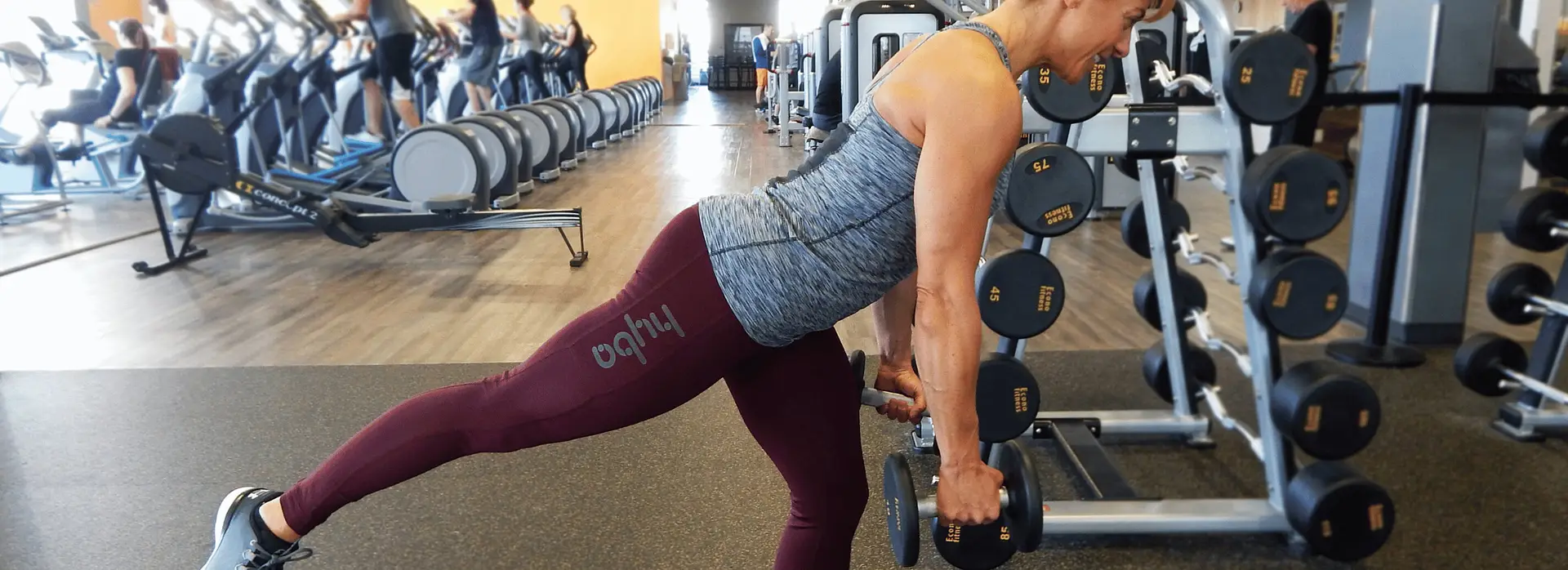
Credit: econofitness.ca
Progression And Intensity
Progression and intensity are key to building stronger side glutes. Gradually challenging your muscles helps them grow and prevents plateaus. It is important to increase difficulty carefully to avoid injury. Small changes can make a big difference in your results.
Increasing Resistance
Adding resistance forces your side glutes to work harder. Use resistance bands, ankle weights, or cable machines to increase load. Start with light resistance and increase gradually. Focus on maintaining good form while adding weight.
- Choose bands with different tension levels.
- Wear ankle weights for extra challenge.
- Use cable machines for controlled resistance.
Increasing resistance boosts muscle strength and endurance. It also improves muscle tone and definition.
Advanced Variations
Advanced exercises target the side glutes more deeply. These variations add complexity to your routine. They improve balance, coordination, and muscle activation.
- Side plank leg lifts engage core and side glutes.
- Curtsy lunges target glutes and thighs.
- Single-leg hip thrusts increase glute activation.
Include advanced moves as you gain strength. They help break workout monotony and keep progress steady.
Nutrition For Muscle Growth
Nutrition plays a vital role in building and shaping side glutes muscles. Proper food intake supports muscle repair and growth after gym workouts. Eating the right nutrients helps the body recover faster and gain strength. Fueling muscles with good nutrition leads to better exercise results and improved endurance.
Protein-rich Foods
Protein is essential for muscle repair and growth. It provides the building blocks called amino acids. Include these protein-rich foods in your diet:
- Chicken breast
- Eggs
- Greek yogurt
- Lean beef
- Tofu and tempeh
- Fish like salmon and tuna
- Legumes such as lentils and chickpeas
Eat a source of protein with every meal to support muscle recovery. Spread protein intake evenly throughout the day.
Hydration Tips
Water helps transport nutrients to muscles and removes waste. Staying hydrated improves workout performance and recovery. Follow these tips for hydration:
- Drink water before, during, and after exercise
- Carry a water bottle to sip regularly
- Choose water over sugary drinks
- Eat water-rich foods like cucumbers and watermelon
- Aim for at least 8 cups of water daily
Proper hydration keeps muscles working well and reduces cramps.
Recovery And Rest Strategies
Recovery and rest strategies are just as important as the exercises themselves when working on your side glutes. Without proper recovery, you risk injury and slow progress. Paying attention to how you rest can boost your performance and help your muscles grow stronger.
Stretching Post-workout
Stretching after your side glutes workout helps reduce muscle tightness and soreness. Spend 5 to 10 minutes focusing on gentle stretches that target the outer hips and glute muscles.
- Try standing side lunges to stretch your abductors.
- Seated figure-four stretch can open up your hips effectively.
- Hold each stretch for at least 20 seconds without bouncing.
I noticed a big difference in my recovery when I started stretching consistently. It felt like my muscles “reset” and I was ready for the next session faster. How often do you take time to stretch after your workouts?
Importance Of Sleep
Sleep is where your body repairs and builds muscle. Skipping on quality sleep can slow your progress and increase fatigue.
Aim for 7 to 9 hours each night to give your side glutes the best chance to recover. Sleep also helps regulate hormones that control muscle growth and appetite, which can affect your training results.
Think about the last time you had a poor night’s sleep—did it affect your workout? Prioritizing rest could be the key to pushing past your current limits.
Frequently Asked Questions
What Are The Best Side Glutes Exercises In The Gym?
Best side glutes exercises include cable hip abductions, lateral band walks, and side-lying leg lifts. These target the gluteus medius and improve hip stability effectively.
How Do Side Glutes Exercises Improve Workout Results?
Side glutes exercises enhance hip strength and balance. They help prevent injuries and improve overall lower body performance and aesthetics.
Can Side Glutes Workouts Reduce Hip Pain?
Yes, strengthening side glutes stabilizes hips and reduces strain. This can alleviate hip pain caused by muscle imbalances or weakness.
How Often Should I Do Side Glutes Exercises?
Perform side glutes exercises 2-3 times weekly for best results. Consistency helps build strength and muscle endurance without overtraining.
Conclusion
Strong side glutes improve balance and reduce injury risk. These exercises help shape and tone your hips. Regular workouts build strength and support everyday movements. Focus on proper form to get the best results. Consistency is key to seeing real progress.
Start with lighter weights, then increase as you grow stronger. Your side glutes play a big role in overall fitness. Keep challenging yourself and enjoy a healthier body.







