
Are you looking to build strong, defined shoulders that not only look great but also improve your overall strength? Shoulder exercises in the gym are key to achieving that.
Whether you want to enhance your posture, prevent injuries, or boost your performance in other workouts, focusing on your shoulders can make a big difference. You’ll discover simple yet effective exercises that you can add to your routine right now.
Ready to transform your shoulders and feel more confident? Keep reading to find out how.

Credit: www.yanrefitness.com
Benefits Of Shoulder Training
Training your shoulders in the gym offers many important benefits. Strong shoulders improve your overall fitness and daily activities. They help your arms move better and support heavy lifting. Shoulder exercises also shape your upper body for a balanced look. Focusing on shoulder workouts can boost your health and performance.
Improved Strength And Stability
Shoulder training builds strong muscles around your joints. This strength helps you lift heavier weights safely. It also improves your balance during exercises and sports. Stable shoulders reduce wobbling and improve control. This makes movements smoother and more powerful.
Enhanced Muscle Growth
Regular shoulder workouts promote muscle size and definition. They target the deltoids, trapezius, and rotator cuff muscles. Growing these muscles improves your upper body shape. Muscle growth also increases metabolism, helping burn fat. Well-developed shoulders create a strong, athletic appearance.
Injury Prevention
Strong shoulders protect against common injuries. Shoulder exercises strengthen tendons and ligaments. This reduces the risk of strains and tears. Better muscle balance prevents overuse problems. Training shoulders regularly keeps your joints healthy and pain-free.
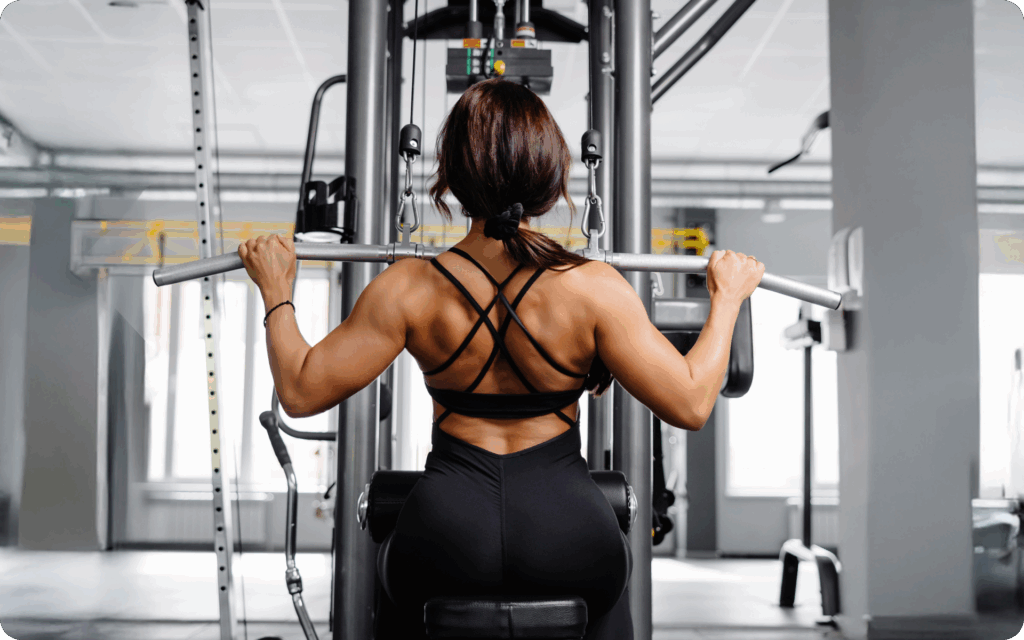
Credit: betterme.world
Anatomy Of Shoulder Muscles
The shoulder is a complex joint made for wide movement and strength. It connects the arm to the body and allows lifting, rotating, and swinging actions. Knowing the shoulder muscle anatomy helps improve workouts and prevent injuries.
Deltoid Muscle Parts
The deltoid muscle shapes the shoulder’s rounded look. It has three parts:
- Anterior (front):lifts the arm forward.
- Medial (middle):raises the arm sideways.
- Posterior (rear):pulls the arm backward.
Each part works with others to move the arm in many directions. Targeting all parts ensures balanced strength.
Rotator Cuff Importance
The rotator cuff is a group of four small muscles. They stabilize the shoulder joint during movement. These muscles keep the arm bone firmly in place. Strong rotator cuffs reduce the risk of injury. They also improve shoulder control and endurance.
Supporting Muscles
Other muscles help the shoulder work smoothly. These include:
- Trapezius:moves and stabilizes the shoulder blade.
- Rhomboids:pull the shoulder blades together.
- Serratus anterior:helps lift the shoulder blade upward.
Supporting muscles assist main shoulder muscles for better movement and strength.
Key Shoulder Exercises
Strong shoulders improve posture and boost overall strength. Key shoulder exercises target all parts of the shoulder muscle. These exercises help build size, shape, and stability. Balance is important to avoid injury and improve performance. Focus on form and controlled movements for best results.
Overhead Press Variations
The overhead press works the front and middle shoulder muscles. It also engages the triceps and upper chest. Use dumbbells, barbells, or machines for variety. Standing or seated positions change the muscle focus slightly. Keep your core tight and back straight during lifts.
Lateral Raises
Lateral raises target the middle shoulder muscle, creating width. Use light dumbbells or resistance bands. Raise your arms to the sides until parallel to the ground. Avoid swinging or using momentum. Controlled, slow movements give better muscle activation.
Front Raises
Front raises focus on the front shoulder muscles. Use dumbbells or a plate for resistance. Lift your arms straight in front of you to shoulder height. Keep elbows slightly bent and wrists firm. This exercise helps with pushing and lifting motions.
Rear Delt Flyes
Rear delt flyes strengthen the back shoulder muscles. Use dumbbells or cables to perform this exercise. Bend forward slightly and raise your arms out to the sides. Keep your shoulder blades squeezed together. This improves posture and balances shoulder strength.
Advanced Shoulder Workouts
Advanced shoulder workouts push your muscles beyond basic routines. They build strength, size, and endurance faster. These techniques challenge your shoulders in new ways and improve overall muscle tone. Focus on form and control to avoid injury during intense exercises.
Supersets And Drop Sets
Supersets combine two exercises without rest. This method increases workout intensity and saves time. For shoulders, pair different movements like overhead presses and lateral raises. Drop sets reduce weight after muscle fatigue. Lower the load and continue reps to boost muscle endurance.
Pyramid Training
Pyramid training changes weight and reps in a set pattern. Start with light weights and high reps. Gradually increase weight while lowering reps. This technique warms up muscles and then pushes them hard. It helps build both strength and muscle size effectively.
Isometric Holds
Isometric holds require holding a position without movement. This builds muscle tension and improves stability. For shoulders, hold weights at a fixed angle like midway in a lateral raise. Hold for 10 to 30 seconds to increase endurance and strength.
Common Mistakes To Avoid
Shoulder exercises are great for strength and shape. But mistakes can cause pain or injury. Avoiding common errors helps you stay safe and get better results. Focus on form, rest, and preparation for a strong workout.
Poor Form And Technique
Using wrong form harms your shoulders. It reduces exercise benefits and causes pain. Keep your back straight and shoulders relaxed. Avoid lifting weights too heavy. Controlled and slow movements work best. Watch your elbow position during lifts. Proper technique protects joints and muscles.
Overtraining Risks
Training shoulders too much can cause soreness and injury. Muscles need time to heal and grow. Rest days are important for recovery. Avoid working the same muscle group every day. Balance shoulder exercises with other body parts. Listen to your body and stop if you feel sharp pain.
Neglecting Warm-up
Skipping warm-up increases injury risk. Warming up prepares muscles and joints for exercise. Start with light cardio or dynamic stretches. Perform shoulder circles or arm swings. Warm muscles move better and reduce stiffness. Spend at least 5-10 minutes warming up before lifting weights.
Tips For Maximizing Gains
Maximizing gains in shoulder workouts takes more than just lifting weights. Focus and smart strategies create real progress. Small changes boost strength and muscle growth. Follow these tips to get the best results from your gym sessions.
Progressive Overload
Push your muscles by slowly increasing weight or reps. This forces your shoulders to adapt and grow stronger. Track your progress and add small increments regularly. Avoid sudden jumps that cause injury. Consistency matters more than big leaps.
Proper Rest And Recovery
Muscles need time to repair after hard workouts. Rest days help reduce soreness and prevent burnout. Sleep at least 7 to 8 hours every night. Use light activities or stretching on off days to stay active. Recovery is as important as training itself.
Balanced Nutrition
Fuel your body with the right foods for muscle growth. Eat enough protein to support repair and strength. Include carbs for energy and fats for hormone balance. Stay hydrated to keep muscles working well. Avoid junk food that slows progress.
Injury Prevention And Safety
Shoulder exercises build strength and improve mobility. Safety during workouts reduces the risk of injury. Shoulder joints are delicate and need careful attention. Proper injury prevention lets you train longer and better. Avoiding strain protects muscles, tendons, and ligaments from damage.
Stretching Routines
Stretching warms up muscles before exercise. It increases blood flow and reduces stiffness. Simple stretches prepare shoulders for lifting weights. Perform dynamic stretches like arm circles and shoulder rolls. Hold static stretches gently for 15 to 30 seconds after workouts. This helps muscles relax and recover.
Correct Posture
Good posture supports safe shoulder movements. Keep your back straight and chest open during exercises. Avoid shrugging shoulders or leaning forward. Align your neck and head with your spine. Proper posture balances muscle use and prevents strain. Use mirrors or ask for feedback to maintain form.
When To Seek Professional Help
Persistent pain or discomfort needs attention. Sudden sharp pain during exercise is a warning sign. Swelling, numbness, or weakness require medical advice. A physical therapist can guide safe exercise plans. Trainers can correct your form and suggest modifications. Early help stops small problems from worsening.
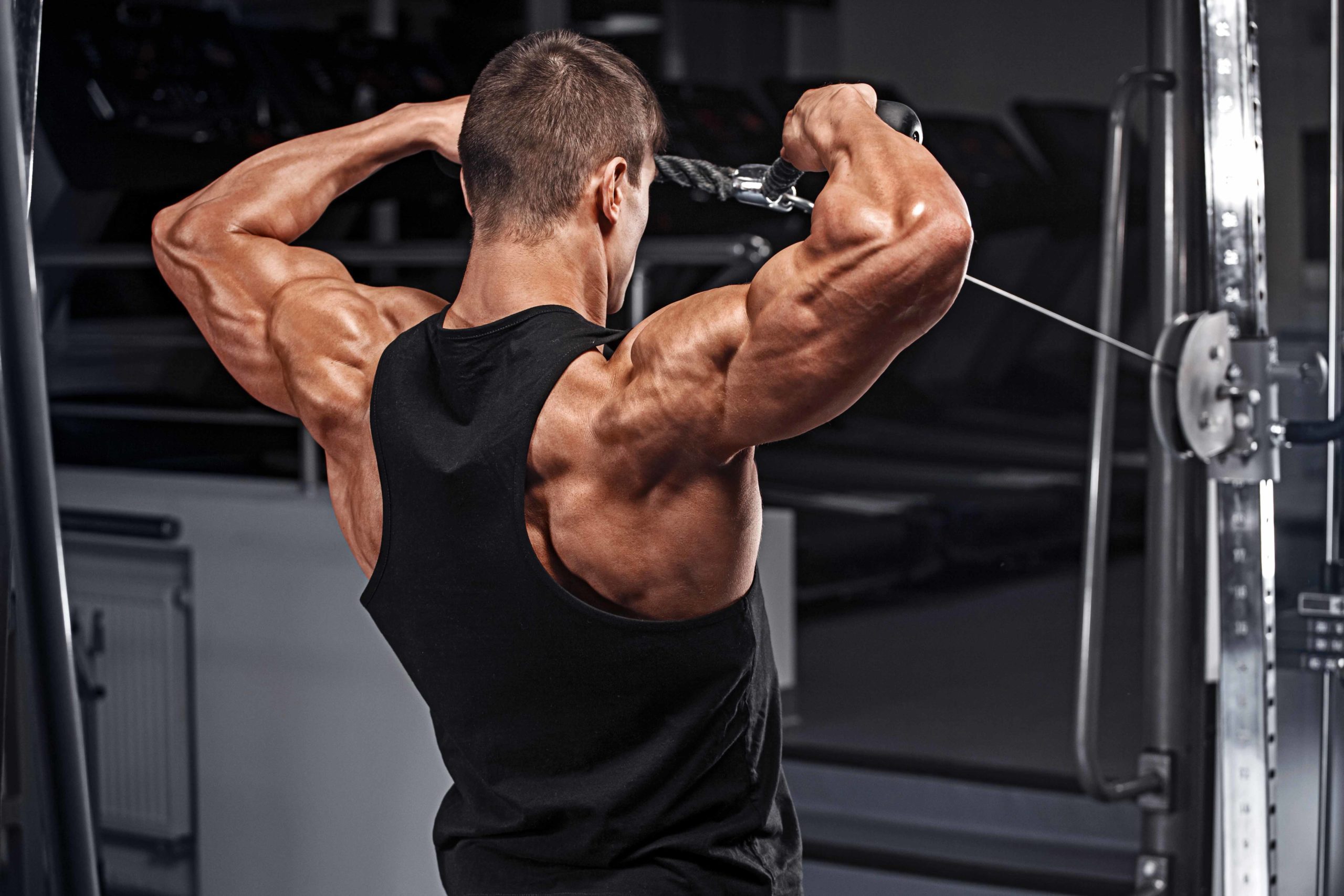
Credit: www.trainheroic.com
Frequently Asked Questions
What Are The Best Shoulder Exercises In The Gym?
The best shoulder exercises include overhead press, lateral raises, front raises, and reverse flyes. These target all shoulder muscles effectively for strength and size.
How Often Should I Train Shoulders At The Gym?
Train shoulders 1-2 times per week. This allows muscle recovery and growth while avoiding overtraining and injury.
Can Shoulder Exercises Prevent Injuries?
Yes, strengthening shoulder muscles stabilizes joints and improves mobility. This helps reduce risks of common shoulder injuries during workouts and daily activities.
Should I Warm Up Before Shoulder Workouts?
Always warm up with light cardio and dynamic stretches. Warming up improves blood flow and reduces the chance of strains or injuries.
Conclusion
Building strong shoulders boosts confidence and improves everyday tasks. Regular gym exercises enhance shoulder strength and flexibility. Consistent workouts reduce injury risks and support better posture. Remember to balance exercises for all shoulder parts. Consistency is key for noticeable results.
Keep challenging yourself safely and progress gradually. Listen to your body and rest when needed. Enjoy the journey of improving your shoulder health. Your dedication will pay off in the long run. Stay committed to your fitness goals. Achieve a healthier, stronger you.







