
Are you wondering what the best diet for your Shih Tzu puppy is? Feeding your little furry friend the right way is more important than you might think.
The food you choose now will shape their health, energy, and happiness for years to come. If you want to make sure your puppy grows strong, avoids common health problems, and feels their best every day, you need to understand exactly what they need to eat.
Keep reading, and you’ll discover simple, practical tips to give your Shih Tzu puppy the perfect diet from the very start.
Choosing The Right Food
Choosing the right food for your Shih Tzu puppy is vital for healthy growth. Their small size and unique needs require careful selection of diet. The right food supports energy, coat health, and overall development. Understanding types of food and ingredients helps in making the best choice for your puppy.
Dry Vs Wet Food
Dry food is convenient and helps keep teeth clean. It lasts longer and is usually less expensive. Wet food has higher moisture content, which helps keep puppies hydrated. It is softer and easier to chew for small mouths. Both types can be balanced and nutritious. Mixing dry and wet food can offer variety and benefits.
Ingredients To Look For
- High-quality protein like chicken, lamb, or fish
- Whole grains such as brown rice or oatmeal
- Vegetables like carrots and peas for vitamins
- Healthy fats including omega-3 and omega-6
- Natural sources of fiber to aid digestion
Choose food with named ingredients, not vague terms. Real meat should be the first ingredient listed.
Avoiding Harmful Additives
- No artificial colors or flavors
- No preservatives like BHA, BHT, or ethoxyquin
- Minimal fillers such as corn, wheat, or soy
- No excessive salt or sugar
These additives can cause allergies or digestive problems. Always check labels carefully before buying food.
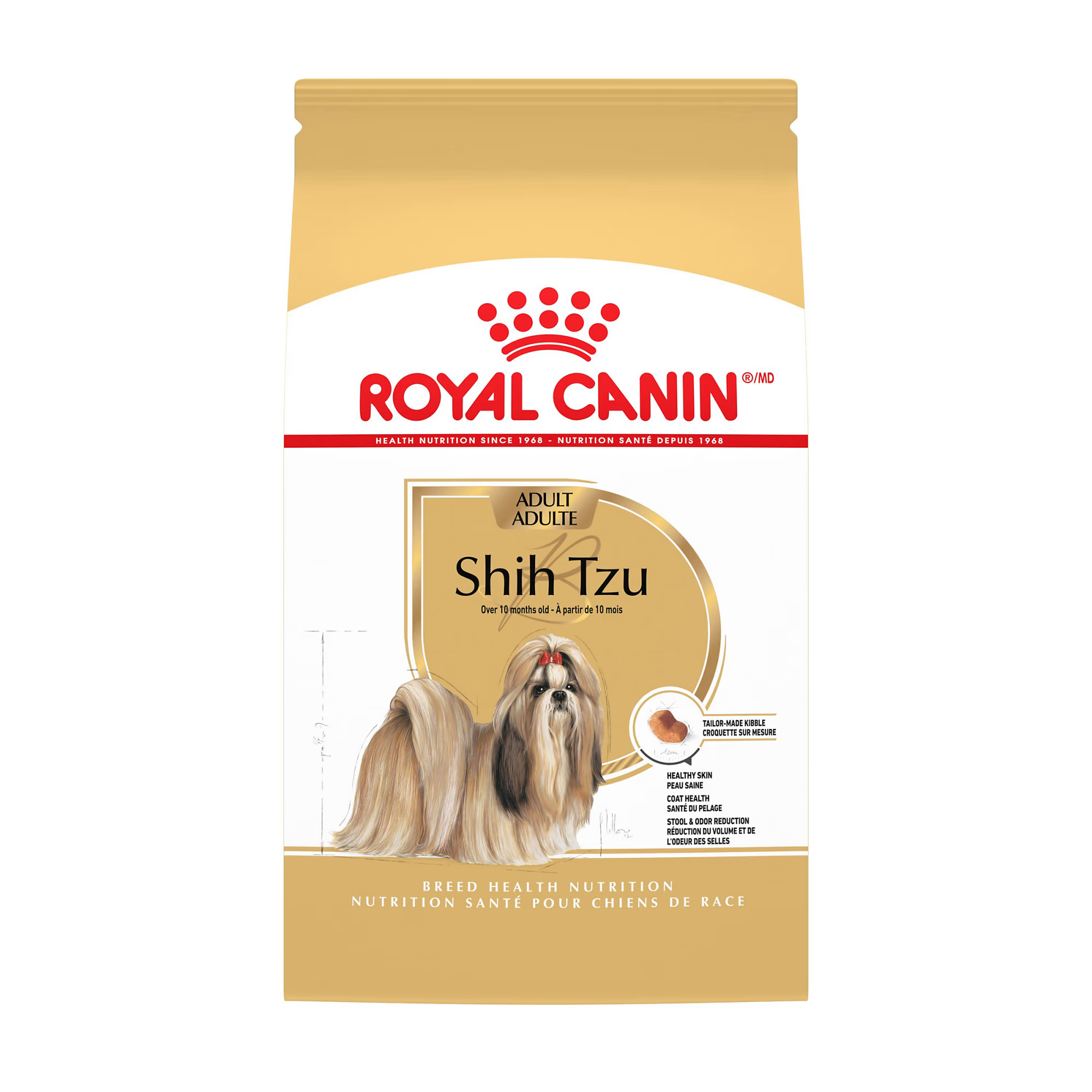
Credit: www.petco.com
Feeding Schedule
Setting up a proper feeding schedule for your Shih Tzu puppy is crucial for their health and growth. It helps maintain steady energy levels and supports their tiny digestive systems. A well-planned routine also makes it easier for you to monitor their eating habits and spot any changes early.
Frequency By Age
Young Shih Tzu puppies need more frequent meals because their stomachs are small and energy demands are high. Typically, you should feed them:
- 6 to 12 weeks:4 meals a day
- 3 to 6 months:3 meals a day
- 6 months to 1 year:2 meals a day
Have you noticed how skipping a meal can make your puppy restless? That’s a sign they need that regular feeding rhythm.
Portion Control Tips
Portion control is about quality, not just quantity. Use the feeding guidelines on your puppy food packaging as a starting point but adjust based on your pup’s activity and appetite.
- Measure food with a standard cup to avoid overfeeding.
- Watch for signs like begging or weight gain, which may indicate you’re feeding too much.
- Keep treats minimal—no more than 10% of daily calories.
Tracking portions helped me prevent overfeeding my Shih Tzu, who loves snacks. It’s easier than guessing and keeps their weight in check.
Adjusting As Puppy Grows
As your Shih Tzu grows, their nutritional needs change. Gradually reduce meal frequency but increase portion size to match their new energy needs.
Monitor their weight and energy levels every few weeks. If your puppy seems sluggish or overly hungry, tweak the portions accordingly.
How often do you check your puppy’s growth? Regular adjustments in feeding can prevent common issues like obesity or malnutrition.
Nutritional Needs
Shih Tzu puppies have special nutritional needs to grow healthy and strong. Their small size means each nutrient counts. Feeding them the right balance supports their energy, coat, and overall health. Understanding these needs helps provide the best start in life.
Proteins And Fats
Proteins build muscles and repair tissues in Shih Tzu puppies. High-quality protein sources like chicken, fish, and eggs are ideal. Fats supply energy and keep their skin and coat shiny. Healthy fats such as omega-3 and omega-6 support brain and eye development.
Essential Vitamins And Minerals
Vitamins and minerals support immune health and bone growth. Vitamin A helps with vision and skin. Calcium and phosphorus strengthen teeth and bones. Iron is important for blood health. A balanced diet usually covers these needs well.
Hydration Importance
Water keeps puppies active and aids digestion. Shih Tzu puppies must have fresh water all day. Dehydration can cause serious health problems. Wet food can also help increase water intake. Always check that water bowls are clean and full.

Credit: www.amazon.ca
Homemade Meals
Feeding your Shih Tzu puppy homemade meals can be a rewarding way to ensure they get fresh, wholesome ingredients. Cooking at home allows you to control what goes into their food, which is especially important for a breed prone to allergies and sensitive stomachs. But what ingredients are truly safe, and how do you create a balanced meal that meets all their nutritional needs?
Safe Ingredients
Choosing safe ingredients is the first step to preparing healthy meals for your Shih Tzu puppy. Lean proteins like chicken, turkey, and eggs are excellent sources of energy and muscle support. Vegetables such as carrots, green beans, and pumpkin provide vital vitamins and fiber.
Adding small amounts of cooked rice or sweet potatoes can offer necessary carbohydrates without causing digestive upset. Avoid raw meats and always cook ingredients thoroughly to kill harmful bacteria. Have you checked if your puppy has any allergies before trying new foods?
Balanced Recipe Ideas
A balanced meal includes protein, carbohydrates, fats, and a variety of vitamins and minerals. One simple recipe is boiled chicken mixed with mashed sweet potatoes and steamed green beans. You can sprinkle a pinch of fish oil or add a small amount of plain yogurt for healthy fats and probiotics.
Another option is scrambled eggs combined with cooked carrots and rice. Make sure to keep portions small and adjust based on your puppy’s appetite and growth rate. Have you noticed which meals your Shih Tzu enjoys most while still staying healthy?
Foods To Avoid
Some common human foods can be dangerous for your Shih Tzu puppy. Avoid onions, garlic, chocolate, grapes, and raisins, as they can cause serious health issues. Also, steer clear of fatty or fried foods that might upset their sensitive stomach.
Seasonings and artificial sweeteners like xylitol are toxic and should never be included in their diet. What steps do you take to keep harmful foods out of your puppy’s reach?
Treats And Supplements
Treats and supplements play a crucial role in your Shih Tzu puppy’s diet. They can boost health, encourage good behavior, and add variety to meals. However, choosing the right treats and knowing when to use supplements requires careful attention to avoid overfeeding or nutritional imbalance.
Healthy Treat Options
Choose treats that are low in calories and high in nutrients. Small pieces of cooked chicken, baby carrots, or apple slices without seeds work well. Avoid treats with artificial additives, sugars, or excessive fats that can harm your puppy’s health.
Try using dental chews designed specifically for small breeds to support oral hygiene. These treats not only reward your puppy but also help prevent plaque buildup. Have you noticed how some treats keep your Shih Tzu entertained longer? That’s a sign of a good choice.
When To Use Supplements
Supplements should only be added if your vet confirms a nutritional gap in your puppy’s diet. Common supplements include omega-3 fatty acids for coat health and glucosamine for joint support. Overusing supplements without guidance can cause more harm than good.
Think about your puppy’s specific needs: Is the coat dull or is your Shih Tzu unusually lethargic? These signs might indicate a need for supplements. Always discuss these observations with your vet before starting any new product.
Avoiding Overfeeding
It’s easy to overfeed treats, especially when training or showing affection. Overfeeding can lead to obesity and related health issues in Shih Tzus. Keep treats to less than 10% of your puppy’s daily calorie intake to maintain balance.
Use treats as rewards, not as fillers for meals. Monitor your puppy’s weight and adjust treat portions accordingly. Could cutting down on treats improve your puppy’s energy and mood? Observing changes after adjustments can provide your answer.

Credit: www.amazon.ca
Common Feeding Mistakes
Feeding your Shih Tzu puppy the right way is crucial for their growth and health. However, many pet owners unknowingly make mistakes that can harm their puppy’s well-being. Understanding common feeding errors can help you avoid problems and keep your furry friend happy and healthy.
Overfeeding Risks
It’s easy to think more food means a healthier puppy, but overfeeding can lead to serious issues. Excess weight puts strain on your Shih Tzu’s tiny frame and can cause joint problems later in life. Have you noticed your puppy getting chubby quickly after just a few weeks of feeding? That’s a sign to cut back.
Overfeeding also increases the risk of digestive upset like diarrhea or vomiting. To avoid this, measure your puppy’s food portions carefully and follow feeding guidelines provided by your vet or the dog food brand. Remember, treats count too—limit them to avoid sneaky calories.
Ignoring Allergies
Many Shih Tzu puppies suffer from food allergies or sensitivities, but owners often miss the signs. Symptoms like itching, ear infections, or digestive troubles might be dismissed as normal puppy behavior. Have you ever wondered if your pup’s constant scratching is linked to their diet?
Ignoring allergies means your puppy won’t feel their best and could develop chronic problems. Pay attention to any unusual reactions after meals and try an elimination diet under your vet’s guidance to pinpoint allergens. Switching to hypoallergenic or limited-ingredient foods can make a huge difference.
Skipping Vet Consultations
Feeding advice from friends or online forums can be helpful, but nothing replaces professional guidance. Skipping vet consultations means you might miss important nutritional needs unique to your Shih Tzu puppy. Have you ever guessed your puppy’s diet without asking a vet? It’s a risk worth avoiding.
Your vet can recommend the best food types, portion sizes, and feeding schedules tailored to your puppy’s age, weight, and health status. Regular check-ups also catch potential problems early, ensuring your puppy grows strong and happy. Don’t wait for an emergency to seek expert advice.
Monitoring Growth
Keeping a close eye on your Shih Tzu puppy’s growth is crucial for ensuring they develop into a healthy adult dog. Monitoring growth helps you catch any nutritional problems early and adjust their diet to meet their changing needs. Are you tracking your puppy’s progress the right way?
Tracking Weight And Size
Regularly weighing your Shih Tzu puppy gives you clear data on their growth pattern. Use a small pet scale or a kitchen scale for accuracy. Record their weight weekly and compare it with breed growth charts to spot any unusual trends.
Also, measure their height and length to get a full picture of their development. If your puppy suddenly stops gaining weight or grows too quickly, it might indicate a diet issue or health problem. Have you noticed any sudden changes in your puppy’s size recently?
Signs Of Nutritional Deficiency
Watch for physical signs like dull coat, dry skin, or constant itching—they can hint at missing nutrients. Low energy levels or poor appetite also suggest that your puppy may not be getting enough vitamins or minerals. Pay attention if your puppy’s stools become loose or irregular; it often points to digestion issues caused by diet.
Don’t overlook behavioral changes like irritability or excessive sleeping. These subtle hints can reveal that your puppy’s diet needs a closer look. How often do you check your puppy’s coat and energy for clues about their nutrition?
When To Adjust Diet
Adjust your puppy’s diet if you notice stalled growth or signs of deficiency. Puppies need more calories during rapid growth phases but too much can lead to obesity. Balance is key—consult your vet to tailor feeding portions and nutrient content.
Introduce new foods gradually to avoid upsetting their digestion. If your Shih Tzu is overly hungry or seems unsatisfied, it might be time to increase meal frequency or quantity. Have you thought about tweaking your puppy’s meals to better support their growth?
Frequently Asked Questions
What Is The Best Diet For A Shih Tzu Puppy?
A balanced diet with high-quality puppy food is ideal. Include proteins, fats, and essential nutrients. Avoid fillers and artificial additives for healthy growth and energy.
How Often Should I Feed My Shih Tzu Puppy?
Feed your Shih Tzu puppy 3 to 4 small meals daily. Consistent meal timing supports digestion and energy levels. Adjust portions as the puppy grows.
Can Shih Tzu Puppies Eat Human Food?
Avoid feeding human food regularly. Some foods are toxic, like chocolate and onions. Stick to vet-approved puppy food for safety and nutrition.
When Should I Switch My Shih Tzu Puppy To Adult Food?
Switch to adult food around 9 to 12 months old. Gradually transition over 7 days to avoid digestive issues. Choose formula suited to adult Shih Tzus’ needs.
Conclusion
A well-balanced diet keeps your Shih Tzu puppy healthy and happy. Choose quality dog food, rich in proteins and essential nutrients. Fresh water should always be available. Portion control prevents obesity and promotes growth. Feed them small meals throughout the day.
Monitor their weight and adjust food as needed. Treats should be occasional and healthy. Consult the vet for any diet concerns. Proper nutrition supports their playful and loving nature. Enjoy the journey of raising a healthy Shih Tzu puppy. Their wagging tails and bright eyes will thank you.







