
Have you ever wondered what sea turtles eat to stay strong and healthy? Understanding the sea turtle diet can give you fascinating insights into their world and why they are so important to ocean life.
Whether you’re curious about their favorite foods or how their eating habits affect the environment, this guide will answer your questions. Keep reading, and you’ll discover surprising facts that make sea turtles even more amazing. Your connection to the ocean starts with knowing what’s on their plate.
Sea Turtle Species And Their Diets
Sea turtles come in various species, each with unique dietary habits shaped by their habitats and physical traits. Understanding what each species prefers to eat helps you appreciate their role in marine ecosystems. Let’s dive into the specific diets of some well-known sea turtles and discover what fuels their long journeys across the oceans.
Green Turtles’ Herbivore Preferences
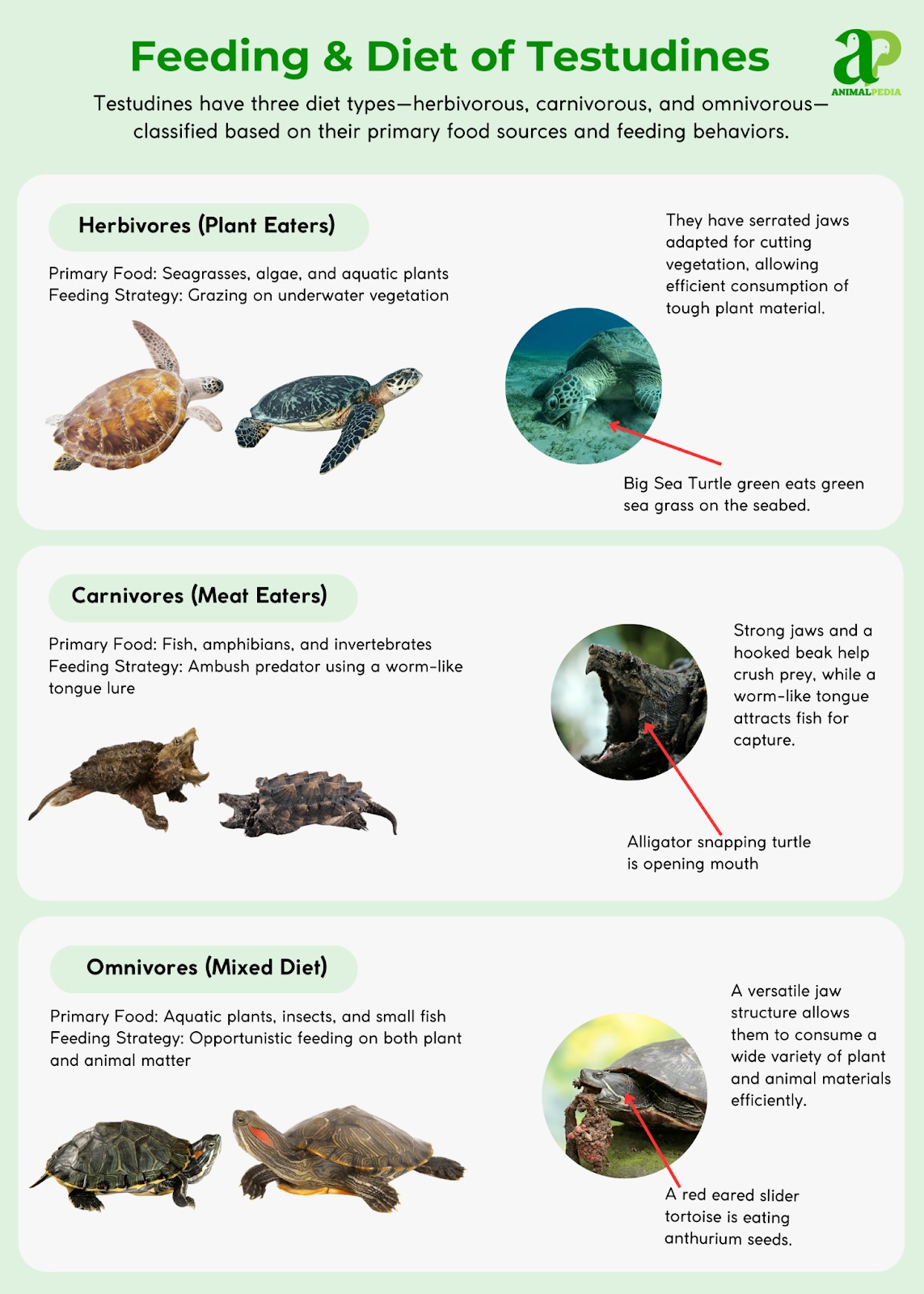
Green turtles mostly feast on seagrasses and algae, making them primarily herbivores. Their strong, serrated jaws help them nip and chew tough plant material efficiently. If you’ve seen a green turtle grazing underwater, you’ve witnessed a natural gardener maintaining healthy seagrass beds.
What impact do you think their plant-based diet has on the ocean floor’s ecosystem? By eating seagrass, green turtles help keep it short and healthy, promoting biodiversity.
Loggerhead Turtles’ Omnivorous Habits
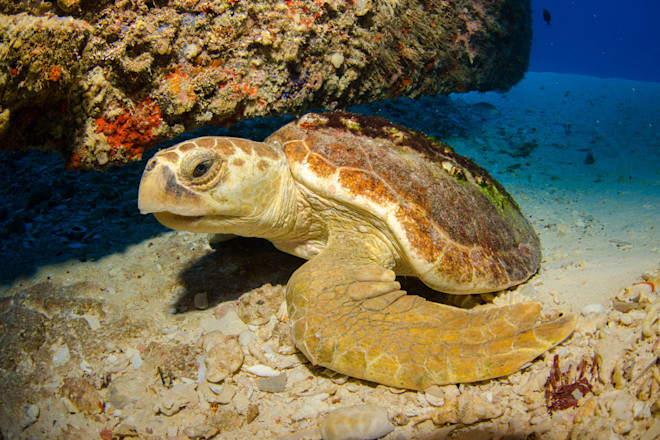
Loggerhead turtles have a more varied diet, eating both plants and animals. They use their powerful jaws to crush hard-shelled prey like crabs and mollusks. Alongside these, they consume jellyfish, seaweed, and other marine life.
Their omnivorous habits make them adaptable feeders. How might this flexibility help loggerheads survive in changing ocean environments?
Leatherback Turtles’ Jellyfish Feast
Leatherback turtles are specialized jellyfish hunters. Their delicate, scissor-like jaws allow them to catch slippery jellyfish without getting stung. Since jellyfish are mostly water, leatherbacks have to eat a large quantity to meet their energy needs.
Have you ever wondered how leatherbacks avoid jellyfish stings? Their thick, leathery skin offers protection, allowing them to feast safely on their favorite prey.
Hawksbill Turtles And Sponges
Hawksbill turtles prefer sponges, which make up a major part of their diet. Their narrow, pointed beaks help them reach into coral crevices to extract sponges and other small invertebrates. This diet helps control sponge populations, which compete with corals for space.
By eating sponges, hawksbills support coral reef health. Could you imagine the reefs without this natural sponge control?
Credit: www.discovermagazine.com
Common Foods In Sea Turtle Diets
Sea turtles have a varied diet that depends on their species and habitat. Understanding what they eat helps you appreciate their role in marine ecosystems. Their common foods range from plants to animals, showing how adaptable they are in finding nourishment.
Seagrass And Algae
Seagrass and algae form the base of many sea turtles’ diets, especially for green turtles. These plants provide essential nutrients and fiber. You might be surprised that sea turtles help maintain healthy seagrass beds, which benefits the entire ocean community.
Crustaceans And Mollusks
Many sea turtles hunt small crustaceans like crabs and shrimp, along with mollusks such as snails and clams. These foods offer protein and minerals that support growth and energy. Watching a turtle crack open a shell can be a fascinating glimpse into their feeding habits.
Jellyfish And Soft-bodied Animals
Leatherback turtles, in particular, prefer jellyfish and other soft-bodied creatures. These animals are slippery and delicate, making the turtles’ specialized beaks perfect for catching them. Have you ever wondered how turtles avoid the stings? Their thick mouths protect them from harm.
Coral And Sponges
Some turtles, like hawksbills, feed on coral and sponges. This diet helps control sponge populations, which can otherwise overgrow and damage coral reefs. It’s interesting to note how these turtles contribute to the balance of reef ecosystems by their selective feeding.
Feeding Behaviors And Techniques
Sea turtles have unique feeding behaviors and techniques. Their diet depends on their species, age, and environment. Understanding how they find and eat food gives insight into their survival strategies.
Foraging Strategies
Sea turtles use different methods to find food. Some swim near coral reefs to pick algae and small animals. Others dive deep to hunt jellyfish or crabs. They rely on their strong senses to locate prey. Patience plays a key role as they wait quietly for the right moment.
Diet Changes With Age
Young sea turtles eat mostly plants and small animals. As they grow, their diet shifts to more protein-rich foods. Adult turtles often prefer hard-shelled creatures like crabs or mollusks. This change helps them get the energy needed for long migrations and reproduction.
Seasonal Variations In Food Intake
Food availability changes with the seasons. Sea turtles adjust their diet based on what is easy to find. During warmer months, they eat more jellyfish and soft-bodied animals. In colder times, they focus on algae and sea grasses. These shifts keep them healthy year-round.
Nutritional Needs And Health
Sea turtles have unique nutritional needs that support their growth and health. Their diet affects their shell, skin, and overall well-being. Understanding their dietary requirements can help in their conservation and care.
Key Nutrients For Growth
Sea turtles require specific nutrients to thrive. Protein is vital for muscle development. It helps in the growth and repair of tissues. Calcium is crucial for strong bones and shells. It ensures proper shell development. Vitamins like A and D are essential too. Vitamin A supports vision and immune function. Vitamin D aids in calcium absorption.
Impact Of Diet On Shell And Skin
A balanced diet influences a turtle’s shell and skin health. A diet rich in calcium strengthens shells. It prevents deformities and fractures. Adequate vitamin intake keeps the skin smooth. It prevents dryness and peeling. Poor nutrition can lead to soft shells. It also results in dull, unhealthy skin.
Diet-related Health Issues
Improper diet can cause several health problems. Malnutrition leads to stunted growth. It affects the turtle’s overall development. Vitamin deficiencies can result in eye problems. They might also cause respiratory issues. Overfeeding leads to obesity. It puts stress on a turtle’s organs. Balancing their diet is crucial for their health.
Threats To Sea Turtle Food Sources
Sea turtles depend on a variety of marine plants and animals for their survival. But their food sources face many dangers that make it harder for these ancient creatures to find enough to eat. Understanding these threats helps you see why protecting sea turtles means protecting their environment too.
Habitat Destruction
Many sea turtles feed in coral reefs, seagrass beds, and coastal areas. When these habitats are destroyed by coastal development or dredging, turtles lose vital feeding grounds. You might visit a beach that once had clear waters and abundant sea grass, only to find it barren now.
Without these habitats, turtles struggle to find enough food. How would you feel if your pantry suddenly disappeared? Protecting these areas is crucial for keeping their food chain intact.
Pollution Effects
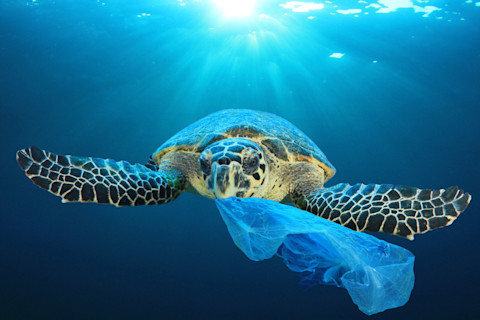
Pollution poisons the ocean and the creatures that live in it. Plastics, chemicals, and oil spills contaminate the water, harming the plants and animals turtles eat. You may have heard about turtles mistaking plastic bags for jellyfish, but pollution also damages the very ecosystems that produce their food.
Polluted waters slow down the growth of seagrass and coral, reducing food availability. What steps can you take to reduce pollution where you live? Every small action counts in keeping ocean food sources healthy.
Climate Change Impact
Rising ocean temperatures and acidification disrupt marine ecosystems. Warmer waters can kill corals and reduce seagrass beds, directly affecting turtle diets. Sea turtles need stable environments, but climate change shifts the balance, making food harder to find.
Changes in ocean currents can also move plankton and jellyfish away from traditional feeding areas. If the ocean’s menu changes, can turtles adapt quickly enough? Supporting efforts to reduce carbon emissions helps protect the delicate food webs turtles rely on.
Credit: animal-pedia.org
Conservation Efforts For Sea Turtle Diets
Sea turtles depend on specific diets for their health and survival. Their food sources face many threats from human actions and environmental changes. Conservation efforts help secure safe and rich feeding areas. These efforts focus on protecting habitats and educating communities. Healthy diets keep sea turtles strong and support ocean ecosystems.
Protecting Feeding Grounds
Feeding grounds are vital for sea turtles to find food. Many sites face damage from fishing, pollution, and coastal development. Protecting these areas reduces harm and preserves food availability. Governments and organizations create marine protected zones. These zones limit harmful activities and help habitats recover. Patrols and regulations also stop illegal fishing and dumping. Safe feeding grounds allow turtles to eat without stress.
Restoration Of Marine Habitats
Marine habitats like coral reefs and seagrass beds provide food and shelter. Pollution and climate change often damage these places. Restoration projects plant seagrass and rebuild coral reefs. These efforts improve water quality and food abundance. Restored habitats attract more sea life that supports turtle diets. Volunteers and scientists work together to repair these areas. Healthy habitats lead to healthier turtles and richer oceans.
Community Involvement And Education
Local communities play a key role in conserving turtle diets. Education raises awareness about sea turtle needs and threats. Schools and groups teach how to protect feeding sites. Communities learn to reduce pollution and use fishing gear carefully. Involving people creates respect for marine life and habitats. Many programs encourage eco-friendly tourism and beach clean-ups. Active communities help keep turtle food sources safe and plentiful.
Credit: www.discovermagazine.com
Frequently Asked Questions
What Do Sea Turtles Mainly Eat?
Sea turtles have varied diets depending on species. Most eat jellyfish, seaweed, and algae. Some prefer crustaceans and fish. Their diet supports their health and growth in marine environments.
How Does Diet Differ Among Sea Turtle Species?
Green turtles mainly eat seagrass and algae. Loggerheads prefer crabs and mollusks. Hawksbill turtles consume sponges. Each species adapts its diet to available food sources.
Can Sea Turtles Eat Plastic Waste?
No, sea turtles often mistake plastic for food. Eating plastic harms their digestion and can be fatal. Protecting oceans from pollution helps safeguard sea turtle diets.
Why Is Diet Important For Sea Turtle Survival?
A balanced diet provides nutrients vital for growth and reproduction. Poor diet weakens immune systems and reduces lifespan. Healthy food sources ensure strong sea turtle populations.
Conclusion
Sea turtles eat many different foods. Their diet changes as they grow. Some like jellyfish, others eat plants. Eating helps them stay strong and healthy. Protecting their food sources protects turtles too. Understanding what they eat helps us care better for them.
Sea turtles play a big role in ocean health. Watching and learning about their diet is important. Let’s help keep their homes safe and clean. Every small effort makes a difference for these amazing creatures.







