
Have you ever wondered what sea otters eat to stay so energetic and playful? Understanding the sea otter diet can reveal surprising facts about these charming creatures and their role in the ocean’s ecosystem.
If you care about wildlife or just love learning about nature, this article will give you clear, fascinating insights into what fuels a sea otter’s day. Keep reading to discover how their food choices impact the environment and why their diet matters more than you might think.

Credit: www.atlasobscura.com
Sea Otter Diet Basics
Sea otters have a unique diet that helps them survive in cold ocean waters. Their eating habits support their high energy needs. Understanding what sea otters eat offers insight into their daily lives and health. They rely on a mix of seafood to keep strong and active.
Common Food Choices
- Sea urchins
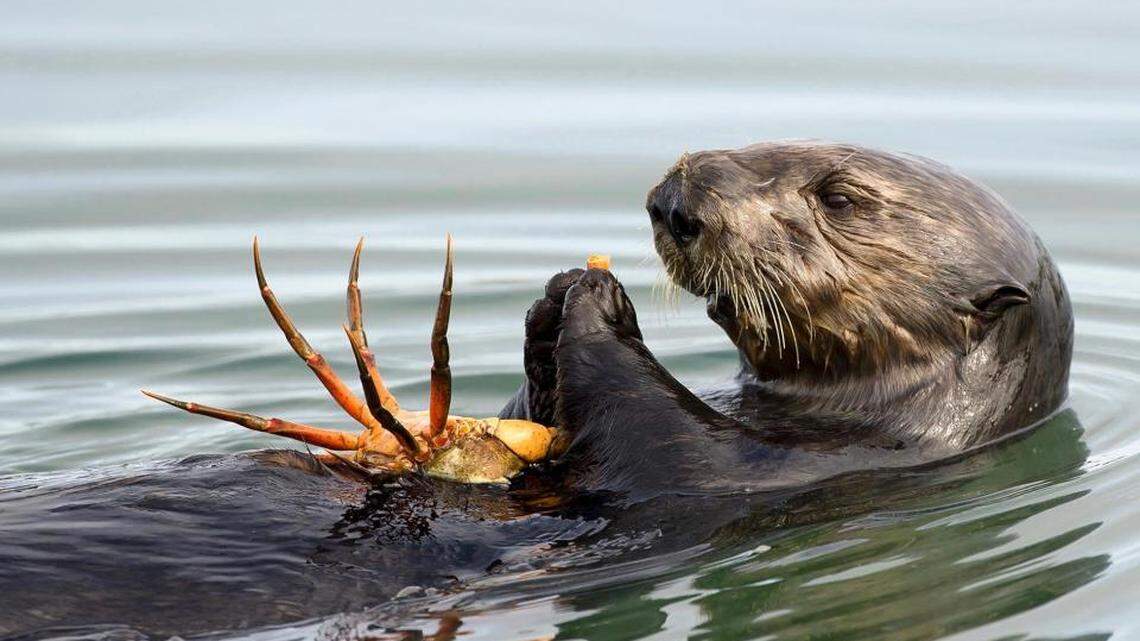
- Crabs
- Mollusks like clams and mussels
- Fish
- Octopuses
Sea otters use tools like rocks to crack open shells. This skill helps them access nutritious food inside. They often dive to the ocean floor to find their meals. Their diet varies by location and season.
Nutritional Needs
Sea otters burn a lot of energy to stay warm in cold waters. They eat about 25% of their body weight daily. Protein and fat are key nutrients in their diet. These provide the energy needed for swimming and hunting.
High fat content helps with insulation and energy storage. Vitamins and minerals from diverse prey support their immune system. Balanced nutrition keeps sea otters healthy and active in their environment.
Credit: www.sacbee.com
Foraging Techniques
Sea otters are fascinating creatures, especially when it comes to how they find and eat their food. Their foraging techniques show a mix of natural skill and clever problem-solving. Watching them hunt teaches us a lot about patience and adaptability in the wild.
Diving And Hunting
Sea otters dive deep into the water to catch their prey, sometimes reaching depths of up to 100 feet. They use their sharp eyesight to spot clams, sea urchins, and crabs hiding on the ocean floor. Their strong, webbed feet help them swim quickly and maneuver easily in search of food.
Have you ever noticed how focused they become underwater? This intense concentration allows them to grab prey with swift, precise movements. Their ability to hold their breath for up to five minutes gives them plenty of time to explore the ocean floor thoroughly.
Tool Use In Feeding
One of the most interesting things about sea otters is their use of tools to crack open hard shells. They often carry a favorite rock on their chest and use it as a hammer to break open clams or sea urchins. This behavior is rare in the animal kingdom and shows impressive intelligence.
Imagine how tricky it is to hold both a rock and your prey while floating on your back. Sea otters manage this skillfully, balancing their tools and food effortlessly. This technique not only saves energy but also increases their chances of getting a nutritious meal.
Next time you see a sea otter, watch closely—you might catch a glimpse of these clever feeding habits in action. What other animals do you know that use tools in such creative ways?
Unique Eating Habits
Sea otters have developed some fascinating eating habits that set them apart from many other marine animals. Their diet is not just about what they eat but also how they manage to access the food hidden inside tough shells. Understanding these unique behaviors gives you a glimpse into their intelligence and survival skills.
Cracking Shells With Rocks
Sea otters are one of the few animals known to use tools. They carry small rocks in their loose skin pouch under their forearms. When they find a clam or sea urchin, they float on their backs and smash the prey against the rock to break the shell open.
This clever method saves them time and energy. Have you ever tried opening a stubborn shell without a tool? The otter’s technique shows how adapting simple tools can make a big difference in accessing food.
Feeding On Hard-shelled Prey
Their diet includes creatures with tough shells like crabs, clams, mussels, and sea urchins. Sea otters have strong teeth and jaws to bite through shells, but they often rely on their rock-cracking skill to get inside quickly.
They also use their sensitive paws to detect prey under the sand or rocks. This combination of touch and tool use allows them to enjoy a wide variety of hard-shelled prey that many other predators avoid.
Next time you see a sea otter, watch closely how it handles its food. You might be surprised how much patience and precision it takes to enjoy such a meal.
Impact On Ecosystem
Sea otters play a vital role in maintaining the balance of coastal ecosystems. Their diet has a direct impact on the health of various marine habitats. Understanding this impact helps us appreciate their importance beyond just their cute appearance. Sea otters influence the population of many species and the overall environment they live in.
Role In Kelp Forest Health
Sea otters eat sea urchins, which feed on kelp. Without otters, sea urchin populations grow rapidly. This overgrazing can destroy kelp forests. Healthy kelp forests provide shelter and food for many marine animals. Sea otters help keep kelp forests strong and thriving. Their feeding habits protect these underwater forests from damage.
Controlling Prey Populations
Sea otters consume a variety of prey like crabs, clams, and snails. This diet controls the numbers of these species. Balanced prey populations prevent any one species from dominating. It helps maintain biodiversity in the ecosystem. By managing prey numbers, sea otters keep the ecosystem stable and diverse.
Seasonal And Regional Variations
Sea otters do not eat the same food all year. Their diet changes with the seasons and the places they live. These changes help sea otters survive in different environments. They eat what is most available and easy to catch at that time.
Diet Changes By Location
Sea otter diets vary depending on where they live. In some areas, they eat mostly sea urchins. In others, crabs or clams are common. Coastal waters with rocky bottoms have different food than sandy shores.
For example:
- In Alaska, sea otters eat many sea urchins and crabs.
- In California, they eat more clams and snails.
- In Russia, they may eat fish and small shellfish.
These differences show how sea otters adapt to local food sources.
Adapting To Food Availability
Sea otters change their diet based on food availability. During winter, some prey becomes scarce. Sea otters then eat more of what is left. This may include less preferred animals.
In summer, when many animals breed, food is abundant. Otters eat more energy-rich prey. They store fat to survive lean times. This flexible diet helps sea otters stay healthy year-round.

Credit: seaotterfoundationtrust.org
Challenges To Their Diet
Sea otters face many challenges that affect their diet. Their food sources are not always easy to find or safe to eat. These challenges impact their health and survival. Understanding these problems helps us protect them better.
Effects Of Pollution
Pollution harms the ocean where sea otters live and feed. Chemicals and oil spills pollute the water and ocean floor. Toxic substances poison the shellfish and other animals sea otters eat. Pollution can reduce the number of healthy prey available.
Plastic waste also causes problems. Sea otters may accidentally eat plastic or get tangled. This can lead to injury or death. Polluted waters make it harder for sea otters to find clean, safe food.
Competition With Other Species
Sea otters share their habitat with many other animals. Some of these animals eat the same food, like crabs and shellfish. This creates competition for limited resources.
Predators such as sharks and orcas also affect sea otters. They limit where otters can safely hunt. When food is scarce, sea otters must work harder to find enough to eat.
Frequently Asked Questions
What Do Sea Otters Eat?
Sea otters primarily feed on marine invertebrates. Their diet includes sea urchins, clams, crabs, and snails. They are also known to eat fish occasionally. Sea otters use tools like rocks to crack open hard shells. Their diverse diet plays a crucial role in maintaining the balance of their marine ecosystem.
How Much Food Do Sea Otters Consume Daily?
Sea otters consume about 25% of their body weight in food daily. This high intake is necessary due to their fast metabolism. It helps them maintain body heat in cold ocean waters. Sea otters spend a significant portion of their day foraging and feeding to meet these energy needs.
Do Sea Otters Have A Favorite Food?
Yes, sea otters have preferences, often favoring sea urchins and abalone. They may specialize in certain prey based on availability. Their preferences can vary by region and individual otter. This selective feeding helps control prey populations and maintain ecological balance in their habitats.
How Do Sea Otters Hunt For Food?
Sea otters are skilled hunters, using their forepaws to locate and capture prey. They dive to the ocean floor to find food. Otters use rocks as tools to break open hard-shelled prey. Their hunting techniques are both efficient and adaptive, ensuring they meet their dietary needs.
Conclusion
Sea otters eat many small animals from the ocean floor. Their diet helps keep the ocean healthy and balanced. These animals use tools to open shells and find food. Knowing what sea otters eat shows how special they are. Protecting their food sources protects sea otters too.
Watching them eat is a fascinating glimpse into nature. Sea otters remind us how every creature plays a role. Their diet is simple but very important for life underwater.







