
Are you ready to take your workout to the next level? Rope exercises at the gym could be the game-changer you’ve been looking for.
They’re simple, effective, and can boost your strength, endurance, and coordination all at once. Imagine feeling more powerful and energized after just a few minutes with the ropes. Curious how to get started and why these exercises work so well?
Keep reading to discover the secrets behind rope workouts and how they can transform your fitness routine.
Benefits Of Rope Exercises
Rope exercises offer many benefits that improve overall fitness. They engage multiple muscles, boost heart health, and sharpen coordination. These workouts suit all levels and provide variety in your gym routine.
Full-body Engagement
Rope exercises work arms, shoulders, back, and core at once. Legs and hips also join to maintain balance. This full-body effort builds strength and tones muscles quickly. Each movement challenges several muscle groups together.
Cardio And Strength Blend
These workouts combine cardio and strength training effectively. Your heart rate rises while muscles push through resistance. This mix burns calories and builds endurance. It improves both stamina and muscle power in one session.
Improved Coordination
Using ropes requires timing and rhythm. Hands and feet must move smoothly and in sync. This improves motor skills and body control. Better coordination helps in other sports and daily activities.

Credit: fitnesswarehouse.com.au
Types Of Rope Exercises
Rope exercises offer diverse movements to build strength and endurance. Each type targets muscles differently and boosts your overall fitness. Understanding these rope exercise types helps you plan effective workouts. Explore the common moves below to add variety to your gym routine.
Basic Waves
Basic waves are simple, rhythmic up-and-down motions. Hold the rope ends firmly and move your arms up and down together. This exercise improves shoulder strength and endurance. It also raises your heart rate, making it a great cardio option.
Alternating Waves
Alternating waves involve moving each arm up and down in turns. This creates a wave pattern along the rope. It challenges coordination and works both arms independently. This move also engages your core for better stability.
Slams And Whips
Slams require lifting the ropes overhead and forcefully bringing them down. This action builds power in your arms and shoulders. Whips involve fast side-to-side rope movements. Both exercises increase explosive strength and burn calories quickly.
Circles And Snakes
Circles involve moving the ropes in circular patterns, either inward or outward. This improves shoulder mobility and arm endurance. Snakes are side-to-side wave movements on the floor. They engage your core and legs for full-body activation.
Setting Up Your Rope Workout
Setting up your rope workout properly can make all the difference in how effective and enjoyable your session is. The right preparation helps you avoid injury and get the most out of every swing and slam. Let’s dive into what you need to consider before you start.
Choosing The Right Rope
Not all ropes are created equal. The thickness and length of the rope should match your fitness level and workout goals.
- Thickness:Thicker ropes (2-2.5 inches) provide more resistance but require more strength. Thinner ropes (1.5-2 inches) are easier to handle and better for beginners.
- Length:Stand on the middle of the rope and pull the handles up; they should reach your armpits for the right length.
- Material:Choose durable materials like nylon or polyester for indoor workouts, and coated ropes if you train outdoors.
Picking the right rope sets you up for success and reduces frustration. Have you ever struggled with a rope that felt too heavy or too light? Finding the perfect fit changes everything.
Warm-up Tips
Jumping straight into intense rope exercises can strain your muscles and joints. A quick warm-up gets your blood flowing and primes your body for action.
- Start with 5 minutes of light cardio such as jogging or jumping jacks to increase heart rate.
- Include dynamic stretches focusing on your shoulders, arms, and wrists to prepare for the repetitive motions.
- Try some low-intensity rope swings to get used to the rhythm and movement without tiring yourself.
Warming up might seem basic, but skipping it often leads to unnecessary soreness or injury. What warm-up routine makes you feel ready to conquer your rope session?
Creating A Routine
Having a structured rope workout plan helps you track progress and stay motivated. Mix different moves and rest periods to keep your routine balanced and challenging.
- Start with intervals:Try 20-30 seconds of rope slams or waves followed by 30-40 seconds of rest.
- Include variety:Combine double-arm waves, alternating waves, slams, and circles to target different muscle groups.
- Set goals:Decide on the number of rounds or total workout time, like 10 rounds of 30 seconds on and 30 seconds off.
Experiment with your routine to find what pushes you without burning you out. How do you know when it’s time to increase intensity or add new moves?

Credit: steelsupplements.com
Fat-burning Techniques With Ropes
Rope exercises are excellent for burning fat quickly. These workouts engage multiple muscle groups and boost heart rate fast. Using ropes in fat-burning routines helps burn calories and improve endurance. This makes them ideal for gym sessions focused on weight loss and fitness.
High-intensity Interval Training (hiit)
HIIT with ropes alternates short bursts of intense rope waves with brief rest periods. This pattern keeps your heart rate high and maximizes calorie burn. Try 20 seconds of fast rope slams, followed by 10 seconds rest. Repeat for 8 to 10 rounds to torch fat effectively.
Circuit Training
Circuit training mixes rope exercises with other gym moves in a sequence. This keeps your body active and prevents boredom. Include exercises like rope waves, jump rope, push-ups, and squats. Move quickly between exercises to maintain an elevated heart rate and burn fat efficiently.
Combining Ropes With Bodyweight Moves
Pairing ropes with bodyweight exercises creates a full-body fat-burning workout. Alternate rope slams or waves with moves like lunges, planks, or burpees. This combination builds strength and burns calories fast. It also improves coordination and stamina in one session.
Common Mistakes To Avoid
Rope exercises are a fantastic way to build strength and endurance, but making mistakes can limit your progress and increase injury risk. Avoiding common pitfalls helps you get the most out of your workout while staying safe. Let’s look at some key errors people often make and how you can steer clear of them.
Poor Posture
Maintaining proper posture during rope exercises is crucial. Slouching or leaning too far forward puts unnecessary strain on your back and shoulders.
Focus on keeping your core tight and shoulders back. Imagine a straight line from your head to your hips. This alignment helps you engage the right muscles and prevents discomfort.
Have you noticed how quickly fatigue sets in when your form slips? Fixing posture can make your sessions feel easier and more effective.
Overtraining
It’s tempting to push hard with ropes, but overtraining can backfire. Doing too many sets or training every day without breaks may cause muscle fatigue and reduce performance.
Pay attention to how your body feels. If you’re constantly sore or your grip weakens, it’s a sign to dial back the intensity. Balancing effort with rest leads to better gains.
Ask yourself: Are you working out to improve or just to tick a box? Quality beats quantity every time.
Ignoring Recovery
Recovery isn’t just about rest days—it’s about actively helping your body heal. Skipping stretching or ignoring muscle soreness can slow down progress and increase injury chances.
Incorporate light stretches and foam rolling after rope workouts. Drinking water and eating protein also support muscle repair.
Think about your last workout—did you give your muscles a chance to bounce back? Recovery can be the difference between plateauing and improving.
Tracking Progress And Staying Motivated
Tracking progress and staying motivated are key to success with rope exercises. Seeing improvements keeps you focused. Motivation helps you push through tough workouts. Both work hand in hand to build strength and endurance faster.
Measuring Results
Track your rope exercise performance regularly. Note the number of waves, duration, or intensity. Use a workout journal or fitness app. Measure improvements in strength and stamina. Check how long you can maintain high intensity. Record changes weekly to see clear progress.
Setting Goals
Set simple, clear goals for your rope workouts. Goals give you a target to aim for. For example, increase workout time by 30 seconds. Or add more sets each week. Break big goals into small steps. Celebrate each achievement to stay motivated.
Keeping Workouts Fresh
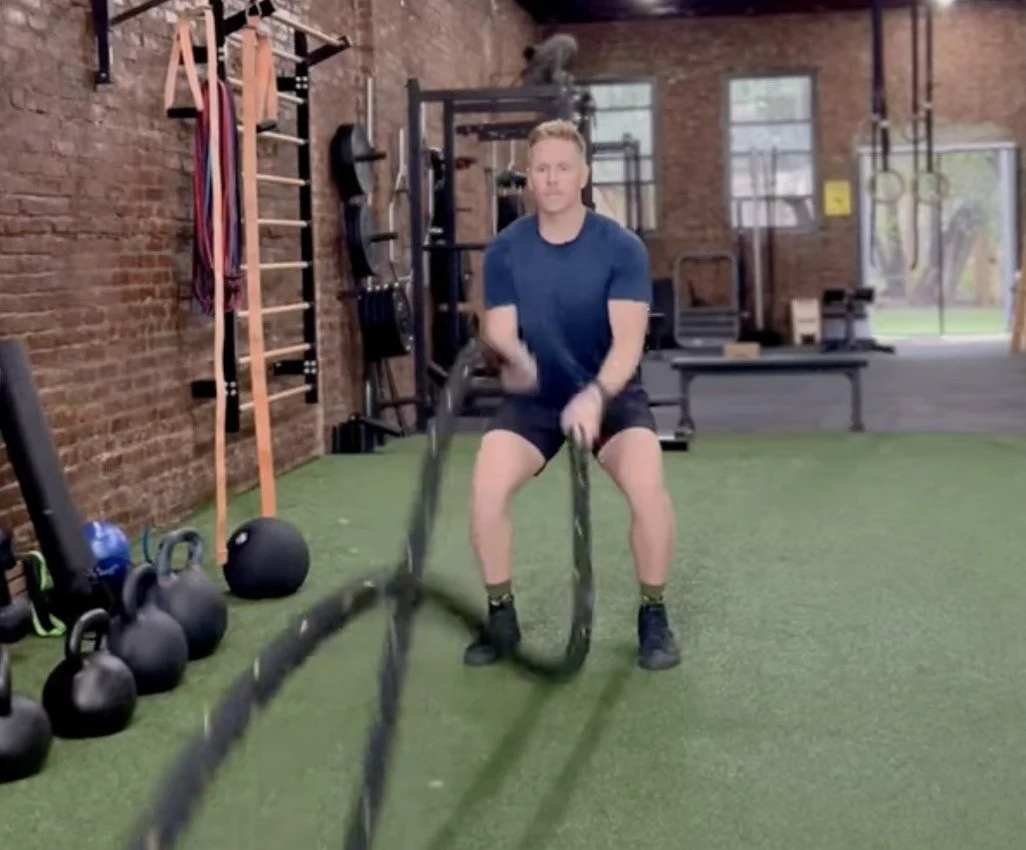
Change your rope exercises often. Try new moves like alternating waves or slams. Vary the speed and rest times. Mixing workouts stops boredom and challenges muscles differently. Use different rope weights or lengths to add variety. This keeps your body guessing and improving.
Credit: www.traindaly.com
Frequently Asked Questions
What Are The Benefits Of Rope Exercises At The Gym?
Rope exercises improve cardiovascular health, build upper body strength, and boost endurance. They engage core muscles and enhance coordination. These workouts burn calories effectively and increase overall fitness.
How Do Rope Exercises Improve Muscle Strength?
Rope exercises target arms, shoulders, back, and core muscles. The constant movement forces muscles to contract repeatedly. This builds muscle endurance and strength over time with consistent training.
Can Rope Workouts Help With Weight Loss?
Yes, rope workouts are high-intensity and burn many calories. They increase heart rate, which boosts metabolism and fat burning. Incorporating ropes into your routine supports effective weight loss.
How Often Should I Do Rope Exercises At The Gym?
For best results, do rope exercises 3-4 times weekly. Allow rest days between sessions for muscle recovery. Start with shorter sessions and gradually increase duration and intensity.
Conclusion
Rope exercises offer a fun way to boost your fitness routine. They enhance strength, endurance, and coordination. Perfect for all fitness levels. Just grab those ropes and start swinging. Feel the burn and watch your muscles grow. Remember to maintain proper form to avoid injuries.
Consistency is key for seeing results. With dedication, you’ll notice improvements in no time. So, next time at the gym, give rope exercises a try. You might find them enjoyable and challenging. Keep pushing your limits and enjoy the journey to better fitness.







