
Are you ready to take your workout to the next level? Rope exercise gyms offer a powerful way to boost your strength, endurance, and overall fitness—all while having fun.
Imagine smashing your fitness goals with every swing, pull, and slam of the rope. Whether you’re new to exercise or a seasoned athlete, this workout challenges your entire body and keeps boredom far away. Keep reading to discover how rope exercises can transform your routine and why your next gym session should include this dynamic, full-body workout.
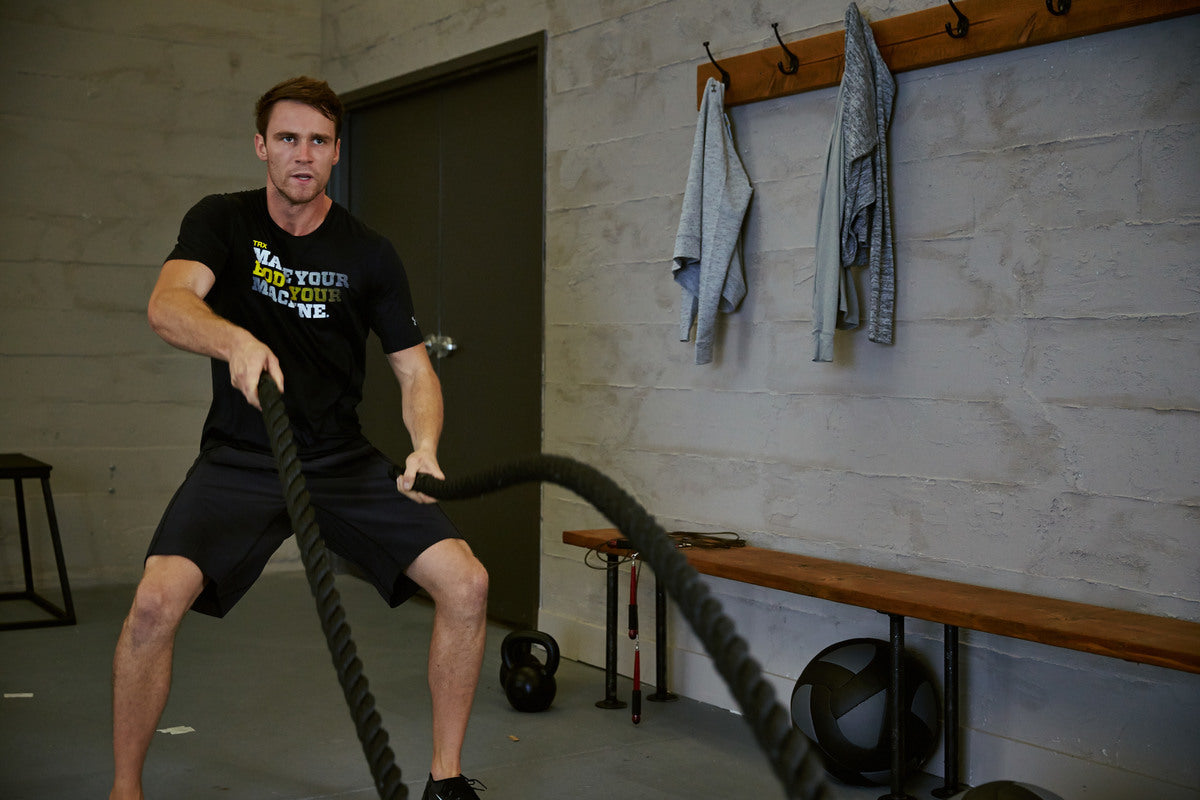
Credit: www.trxtraining.com
Benefits Of Rope Exercises
Rope exercises offer many benefits for all fitness levels. They are simple yet effective tools for improving strength and endurance. Using ropes challenges your whole body and keeps workouts interesting. These exercises help burn calories fast and boost heart health. They also improve balance and coordination, making daily activities easier.
High-calorie Burn
Rope exercises burn a large number of calories quickly. The fast, constant movement raises your heart rate. This leads to more calories burned during and after the workout. It helps with weight loss and fat reduction. Short sessions can be very effective for burning calories.
Full-body Workout
Rope exercises work many muscle groups at the same time. Arms, shoulders, back, and core all get activated. Legs also work to maintain stability and movement. This makes it a complete workout in one session. It builds strength and tones muscles evenly.
Improved Cardiovascular Health
Using ropes regularly strengthens the heart and lungs. The continuous motion increases blood circulation. This improves oxygen flow throughout the body. Better cardiovascular health lowers the risk of heart diseases. It also increases stamina and energy levels.
Enhanced Coordination And Balance
Rope exercises require timing and rhythm. This helps improve hand-eye coordination. Balancing your body during movements boosts stability. It trains your brain and muscles to work together. Better coordination reduces the chance of falls and injuries.
Types Of Rope Exercises
Rope exercises offer a dynamic and versatile way to build strength, endurance, and coordination. You can find many types of rope workouts, each targeting different muscle groups and fitness goals. Understanding these types helps you choose the right one for your routine and keeps your workouts fresh and effective.
Battling Ropes
Battling ropes are thick, heavy ropes anchored to a fixed point. You create waves by moving your arms up and down or side to side, engaging your shoulders, arms, and core.
This exercise challenges your cardiovascular system and builds explosive power. If you want to feel your heart race while strengthening your upper body, battling ropes are a smart choice.
Jump Rope Drills
Jump rope drills improve agility, coordination, and cardiovascular fitness. You can vary the pace, style, and footwork to keep it interesting and target different muscles.
Skipping rope for just a few minutes can rev up your metabolism and sharpen your focus. Have you tried timing yourself to see how many jumps you can do in a minute? It’s a fun way to track progress.
Climbing Ropes
Climbing ropes demand upper body strength and grip endurance. You pull yourself up using your arms and legs, working your back, biceps, and core intensely.
This exercise is excellent for building functional strength and confidence. Even if you haven’t tried it before, start with short climbs and gradually increase your distance as your strength improves.
Rope Pulls And Slams
Rope pulls and slams combine power and speed. Pulling ropes toward you or slamming them down engages your entire body, especially your core and legs.
These moves are highly effective for developing explosive strength and relieving stress. Next time you feel tense, try a few slams—you might be surprised by how much better you feel.
Choosing The Right Rope
Choosing the right rope for your gym workout is key to effective training. The correct rope improves your exercise quality and reduces injury risks. This section helps you understand what features to check before buying a rope.
Length And Thickness
The rope length must fit your height and workout space. Too long or too short ropes limit movement and exercise flow. Beginners often start with ropes around 10 to 12 feet.
Thickness affects how easy the rope is to swing and control. Thinner ropes work well for speed and agility. Thicker ropes add resistance for strength and endurance training.
Material Considerations
Ropes come in different materials like PVC, cotton, and leather. PVC ropes are lightweight and smooth, perfect for fast workouts. Cotton ropes offer better grip and natural feel but wear faster.
Leather ropes last longer and provide good grip but cost more. Choose a material that matches your workout style and budget.
Grip Comfort And Safety
Comfortable grips prevent hand pain and slipping during workouts. Look for handles with soft, non-slip covers like foam or rubber. They reduce friction and improve control.
Check that grips fit your hands well and allow a secure hold. Safety features like end caps keep the rope from fraying or unraveling.
Creating A Rope Exercise Routine
Creating a rope exercise routine can transform your gym sessions into powerful workouts that build strength, endurance, and coordination. The key is to structure your routine so that it challenges your body without causing burnout. This balance helps you stay motivated and see consistent progress.
Warm-up Strategies
Start every session with a warm-up to prepare your muscles and joints for the intense rope movements. Simple dynamic stretches like arm circles and leg swings increase blood flow and improve flexibility.
Try 5 minutes of light cardio, such as jogging or jumping jacks, to raise your heart rate gradually. Warming up reduces injury risk and helps you perform better during rope exercises.
Interval Training Techniques
Interval training adds variety and boosts fat burning by alternating high-intensity rope bursts with short recovery periods. For example, swing the ropes vigorously for 30 seconds, then rest or perform slower movements for 15 seconds.
You can adjust the intervals based on your fitness level. This approach keeps your mind engaged and forces your body to adapt, making your workouts more effective.
Progressive Difficulty Levels
Increase the challenge by adjusting the rope’s speed, duration, or movement complexity. Start with basic waves, then move to double-unders or side-to-side swings as you get stronger.
Adding weight vests or increasing session length also helps push your limits. Gradual progression prevents plateaus and keeps your routine exciting.
Incorporating Rest Periods
Rest is just as important as work. Short breaks between sets let your muscles recover, so you maintain proper form and intensity.
Listen to your body—if you feel too fatigued, extend your rest to avoid injury. How often do you pause during your workouts to truly recharge?
Tips For Beginners
Starting rope exercises can feel tough at first. Simple tips help beginners stay safe and get better results. Focus on learning the basics before pushing too hard. Small, steady steps build strength and confidence.
Proper Form And Technique
Hold the rope handles firmly but not too tight. Keep your elbows close to your body. Move your wrists to create waves in the rope, not your arms. Stand with feet shoulder-width apart. Slightly bend your knees for balance. Keep your back straight and core tight. Good form prevents injury and improves workout quality.
Avoiding Common Mistakes
- Don’t use only your arms; involve your whole body.
- Don’t lean forward or backward; stay upright.
- Don’t grip the rope too hard; it causes fatigue.
- Don’t rush the movements; control is key.
- Don’t skip warm-up and cool-down stretches.
These mistakes slow progress and increase injury risk. Focus on control and breathing during workouts.
Building Endurance Gradually
Start with short sessions, about 15 to 20 seconds of work. Rest for 30 seconds between sets. Repeat 3 to 5 times. Add a few seconds to your work time each session. Increase total workout time slowly over weeks. Listen to your body and avoid overtraining. Consistency beats intensity for lasting endurance.

Credit: powerblock.com
Advanced Rope Exercises
Advanced rope exercises push your strength and coordination. They challenge your endurance and improve your agility. These exercises require control and focus. Practicing them regularly builds muscle and burns calories fast.
Complex Wave Patterns
Complex wave patterns increase the difficulty of standard rope waves. You create waves of different heights and speeds. This variation activates more muscles in your arms and shoulders. Try making alternating waves or circular motions with the ropes. These patterns improve your rhythm and timing. They also enhance your core stability.
Double Unders And Crossovers
Double unders involve swinging the rope twice under your feet per jump. This move raises your heart rate quickly. Crossovers add a twist by crossing the ropes in front of your body. They improve hand-eye coordination and agility. Both exercises demand faster wrist movement and better footwork. These skills help with speed and endurance training.
Dynamic Climbing Techniques
Dynamic climbing techniques mimic rope climbing with explosive movements. You pull the rope down quickly using your arms and legs. This exercise builds upper body and grip strength. It also challenges your balance and coordination. Try moving up and down the rope in fast bursts. This technique boosts power and muscle endurance.
Safety And Injury Prevention
Rope exercise gyms offer a dynamic workout, but safety should always come first. Avoiding injuries helps maintain progress and keeps workouts consistent. Knowing how to protect your body ensures a better, longer fitness journey.
Importance Of Proper Footwear
Wearing the right shoes supports your feet and ankles during rope exercises. Proper footwear absorbs shock and reduces the risk of slips. Choose shoes with good grip and cushioning. This prevents foot pain and joint strain.
Recognizing Signs Of Overexertion
Listen to your body closely during workouts. Signs like dizziness, sharp pain, or extreme fatigue mean you should stop. Overexertion can cause serious injuries or long recovery times. Rest and hydrate if you feel these symptoms.
Stretching And Recovery Practices
Stretching before and after workouts prepares your muscles and joints. It improves flexibility and reduces soreness. Include gentle stretches focusing on arms, shoulders, and legs. After exercise, allow time to rest and recover fully.

Credit: parade.com
Tracking Progress And Results
Tracking your progress and results in rope exercise gym routines helps maintain motivation. It also shows how your body adapts to the workouts. Keeping records allows you to see improvements clearly and adjust your plan for better outcomes.
Monitoring Caloric Burn
Caloric burn tracking reveals how many calories you burn during each session. Wearable fitness devices or apps can measure this easily. Knowing your calorie burn helps manage weight and improve fitness efficiently.
Track calories regularly to spot trends. Higher calorie burn means increased workout intensity or longer sessions. Adjust exercise duration or effort to meet your fitness goals.
Assessing Physical Improvements
Physical improvements include strength, endurance, and muscle tone changes. Use simple tests like timing your workout or counting reps. Take photos or measurements to compare progress visually.
Notice small changes in muscle firmness or stamina. These signs prove your body is adapting well. Celebrate these milestones to stay encouraged and focused.
Setting And Achieving Goals
Set clear, realistic goals for your rope exercise routine. Goals can be time-based, like exercising for 15 minutes without stopping. Or performance-based, such as increasing reps or intensity.
Write down your goals and check progress weekly. Adjust goals as you improve or face challenges. Achieving goals boosts confidence and keeps your workout plan effective.
Frequently Asked Questions
What Are The Benefits Of Rope Exercises In The Gym?
Rope exercises improve strength, endurance, and cardiovascular health. They engage multiple muscle groups and enhance coordination. This workout boosts calorie burn and supports fat loss. It is effective for full-body conditioning and core stability.
How Often Should I Do Rope Exercises Weekly?
Perform rope exercises 2-3 times a week for optimal results. Allow rest days to aid muscle recovery. Beginners can start with shorter sessions, gradually increasing duration and intensity. Consistency is key to improving strength and endurance.
What Muscles Do Rope Workouts Target Most?
Rope workouts primarily target the arms, shoulders, and core muscles. They also engage the legs and back for stability. This exercise enhances overall muscle tone and functional strength. The dynamic movement improves muscle endurance and coordination.
Can Rope Exercises Help With Weight Loss?
Yes, rope exercises burn high calories, aiding weight loss. They increase heart rate and promote fat burning. Combining rope workouts with a healthy diet accelerates results. The full-body engagement maximizes metabolism and calorie expenditure.
Conclusion
Rope exercises build strength and improve endurance quickly. They work many muscles at once. You can do them anywhere, even at home. Regular practice helps your heart and lungs stay healthy. These workouts also burn calories and reduce stress. No special skills are needed to start.
Just grab a rope and begin moving. Keep your sessions short but consistent for best results. Rope exercise is simple, effective, and fun. Try it to feel stronger and more active every day.







