
Curious about what fuels one of the mightiest creatures on Earth? The rhino diet is a fascinating topic that not only highlights the impressive power of these magnificent animals but also reveals surprising insights about their everyday lives.
As you explore the intricacies of what rhinos eat, you’ll uncover secrets about their health, survival, and behaviors in the wild. Imagine understanding the dietary habits that allow these giants to thrive in diverse environments. This article is designed to satisfy your curiosity and feed your fascination with the natural world.
Ready to delve into the details of the rhino diet and discover how it impacts their strength and vitality? Keep reading—you won’t want to miss this!
Rhino Diet Basics
The Rhino Diet focuses on building strength and endurance through smart nutrition. It combines balanced meals with nutrient-rich foods. This diet supports energy levels and muscle growth. It encourages eating whole, natural foods. Avoid processed items and empty calories.
Core Principles
- Eat high-protein foods to support muscle repair.
- Include healthy fats for sustained energy.
- Choose complex carbohydrates for lasting fuel.
- Focus on whole, unprocessed foods.
- Stay hydrated with water throughout the day.
- Limit sugar and refined grains.
- Balance meals with vegetables and fruits.
Key Nutrients
| Nutrient | Role | Sources |
|---|---|---|
| Protein | Builds and repairs muscles | Chicken, fish, beans, eggs |
| Healthy Fats | Provides long-lasting energy | Avocado, nuts, olive oil |
| Complex Carbs | Supplies steady energy | Brown rice, oats, sweet potatoes |
| Vitamins & Minerals | Supports overall body functions | Vegetables, fruits, nuts |
| Water | Hydrates and aids digestion | Plain water, herbal teas |
Credit: www.fauna-flora.org
Foods To Boost Strength
Strength depends largely on the right foods. Eating certain foods helps build muscle and keeps energy high. Choosing the right balance fuels your body for tough workouts and recovery. Focus on proteins, healthy fats, and complex carbs for the best results.
Protein Sources
Protein repairs and builds muscles. It is essential for strength and endurance. Good protein sources include:
- Chicken breast
- Eggs
- Lean beef
- Fish like salmon and tuna
- Beans and lentils
- Greek yogurt
These foods provide amino acids that support muscle growth and repair.
Healthy Fats
Healthy fats give long-lasting energy and reduce inflammation. They support hormone production, vital for muscle strength. Include these fats in your diet:
- Avocados
- Olive oil
- Nuts and seeds
- Fatty fish
- Nut butters
These fats improve overall health and help maintain muscle function.
Complex Carbs
Complex carbs provide steady energy without spikes. They fuel workouts and help muscle recovery. Choose whole, unprocessed carbs like:
- Oats
- Quinoa
- Sweet potatoes
- Brown rice
- Whole grain bread
- Vegetables
These carbs keep energy stable and support endurance during training.
Energy-enhancing Ingredients
The Rhino Diet includes ingredients that help boost your energy levels naturally. These components support stamina and focus throughout the day. They work together to keep you alert without causing crashes or jitters. Understanding these energy-enhancing ingredients helps you appreciate the diet’s benefits.
Natural Stimulants
Natural stimulants in the Rhino Diet provide a gentle energy lift. These ingredients improve alertness and mental clarity. Common natural stimulants include:
- Caffeine from green tea or coffee beans
- Guarana extract, known for sustained energy
- Ginseng, which supports endurance and reduces fatigue
- Yerba mate, offering antioxidants and a mild stimulant effect
These stimulants help maintain energy without harsh side effects.
Vitamins And Minerals
Essential vitamins and minerals play a key role in energy production. The Rhino Diet supplies important nutrients like:
- Vitamin B-complex, crucial for converting food into energy
- Magnesium, which aids muscle function and reduces tiredness
- Iron, necessary for oxygen transport in the blood
- Zinc, supporting immune health and metabolism
These nutrients support your body’s natural energy systems efficiently.
Credit: www.fauna-flora.org
Meal Planning Tips
Meal planning plays a crucial role in the success of the Rhino Diet. It helps you stay on track, avoid unhealthy choices, and maintain consistent energy levels throughout the day. With some thoughtful planning, you can make your meals both nutritious and satisfying.
Balanced Meals
Each meal should include a good mix of protein, healthy fats, and carbohydrates. This balance supports muscle repair and keeps hunger at bay. For example, pairing grilled chicken with quinoa and steamed vegetables offers a powerful combo of nutrients.
Don’t forget to add fiber-rich foods like leafy greens or beans. They aid digestion and help you feel full longer. Have you noticed how skipping veggies can leave you craving snacks soon after eating?
- Protein sources: lean meats, eggs, tofu, fish
- Healthy fats: avocado, nuts, olive oil
- Carbs: whole grains, sweet potatoes, fruits
- Fiber: vegetables, legumes, seeds
Timing For Energy
When you eat matters just as much as what you eat. Spreading meals evenly throughout the day prevents energy crashes. Try to avoid large gaps between meals to keep your metabolism active.
Many find that having a small protein-rich snack mid-morning or mid-afternoon helps maintain focus and stamina. What’s your current routine—do you feel sluggish before your next meal?
Planning your meals around your daily activities boosts performance. For instance, eating carbs before a workout can fuel your session, while protein afterward aids recovery. Experiment with meal timing to discover what fuels your best day.
Supplements And Add-ons
Supplements and add-ons can support the Rhino Diet by filling nutrient gaps. They help boost energy and improve overall results. Not everyone needs supplements, but they can be useful for some.
Popular Choices
- Protein powders to increase daily protein intake.
- Multivitamins to cover essential vitamins and minerals.
- Omega-3 fatty acids for heart and brain health.
- Fiber supplements to aid digestion and fullness.
- Electrolyte mixes to maintain hydration and balance.
- Probiotics to support gut health and immunity.
Safety Considerations
Choose supplements from trusted brands with clear labels. Avoid mega doses that exceed daily recommended amounts. Some supplements may interact with medications or cause side effects. Consult a healthcare provider before starting any new supplement. Pay attention to your body’s reactions and stop use if you feel unwell.

Credit: study.com
Lifestyle Habits For Strength
Building strength requires more than just a strict diet. It demands daily habits that support muscle growth and overall health. These lifestyle habits boost the effects of the Rhino Diet and help maintain long-term strength.
Exercise Synergy
Combining the right exercises with your diet increases muscle gains. Focus on strength training such as weight lifting or resistance exercises. These activities stimulate muscle fibers and improve power.
Include a mix of compound movements like squats and deadlifts. They work multiple muscle groups at once. This improves efficiency and promotes balanced strength.
Keep your workouts consistent but avoid overtraining. Muscles grow best with regular, moderate stress followed by rest.
Rest And Recovery
Recovery is essential for muscle repair and growth. Aim for 7 to 9 hours of sleep each night. Good sleep helps the body heal and build new muscle tissue.
Take rest days between intense workouts to prevent injury. Use light activities like walking or stretching on these days.
Hydrate well and eat nutrient-rich meals to support recovery. These habits keep energy high and muscles strong for your next session.
Common Mistakes To Avoid
Following the Rhino Diet takes focus and care. Many people make simple mistakes that slow their progress. Avoiding these errors helps get better results faster. Here are common pitfalls to watch out for.
Overeating Risks
The Rhino Diet emphasizes healthy portions and balanced meals. Eating too much, even of good foods, can cause weight gain. Overeating strains digestion and lowers energy levels. Watch portion sizes carefully. Use smaller plates and measure servings. Stop eating when feeling full, not stuffed.
Ignoring Hydration
Water plays a key role in the Rhino Diet. Skipping enough water slows metabolism and harms digestion. Dehydration causes tiredness and hunger that leads to overeating. Drink water regularly throughout the day. Aim for at least eight glasses daily. Herbal teas and water-rich fruits also help stay hydrated.
Frequently Asked Questions
What Do Rhinos Primarily Eat In The Wild?
Rhinos mainly eat grasses, leaves, shoots, and fruits. Their diet varies by species and habitat. They are herbivores and consume large amounts daily to meet energy needs.
How Does The Rhino Diet Affect Their Habitat?
Rhinos help maintain grassland ecosystems by grazing. Their feeding prevents overgrowth and supports plant diversity. This benefits other wildlife and keeps habitats balanced and healthy.
Can Rhinos Eat Both Trees And Grass?
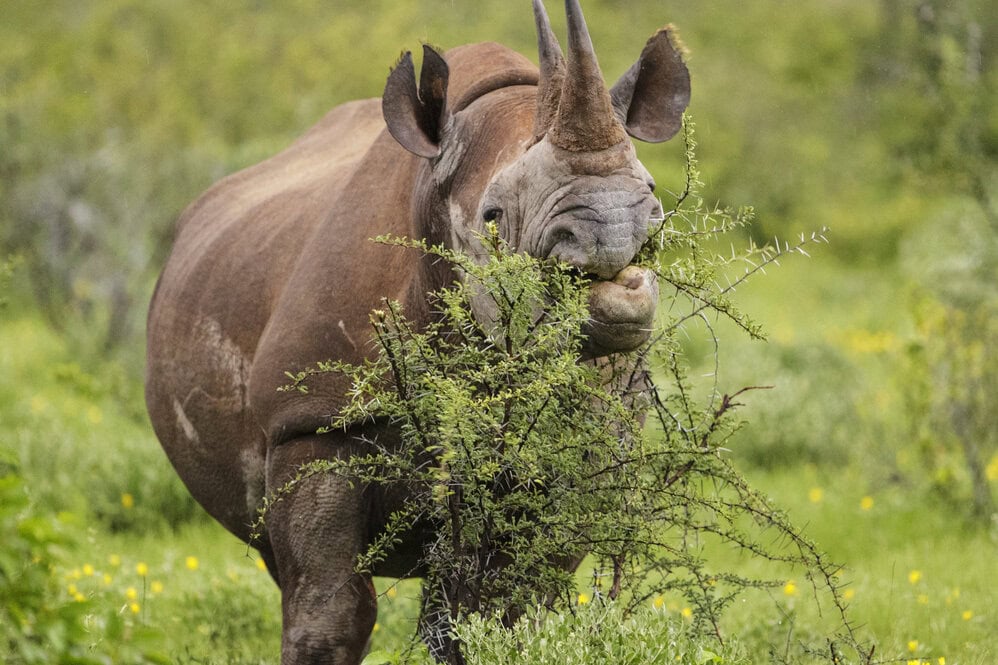
Yes, rhinos eat grass and browse on shrubs or tree leaves. White rhinos prefer grass, while black rhinos eat more leaves and shoots. Their diet adapts to available vegetation in their environment.
How Much Food Does A Rhino Consume Daily?
A rhino typically eats 50 to 100 kilograms of vegetation daily. This large intake supports their massive body size and energy requirements. Feeding habits depend on species and food availability.
Conclusion
Rhinos eat mostly plants like grass, leaves, and fruits. Their diet helps them stay strong and healthy. They spend much time eating each day. Understanding their food choices shows how they live in the wild. Protecting their natural habitat keeps their food sources safe.
Watching rhinos eat teaches us about nature’s balance. Their simple diet fits their big bodies well. Careful study helps support rhino survival efforts worldwide. Nature depends on animals like rhinos to thrive. Their diet is a key part of their story.







