
Ever wondered what keeps the vibrant Red Footed Tortoise healthy and happy? Understanding their diet is key!
When you know exactly what to feed your shelled friend, you ensure they live a long, energetic life. Imagine the joy of watching your tortoise thrive, thanks to your careful choices. This isn’t just about feeding them; it’s about forming a bond through nourishment.
Dive into this article to discover how you can provide the best possible diet for your Red Footed Tortoise, ensuring they remain a lively and cherished part of your family. Ready to become the best tortoise parent ever? Keep reading!
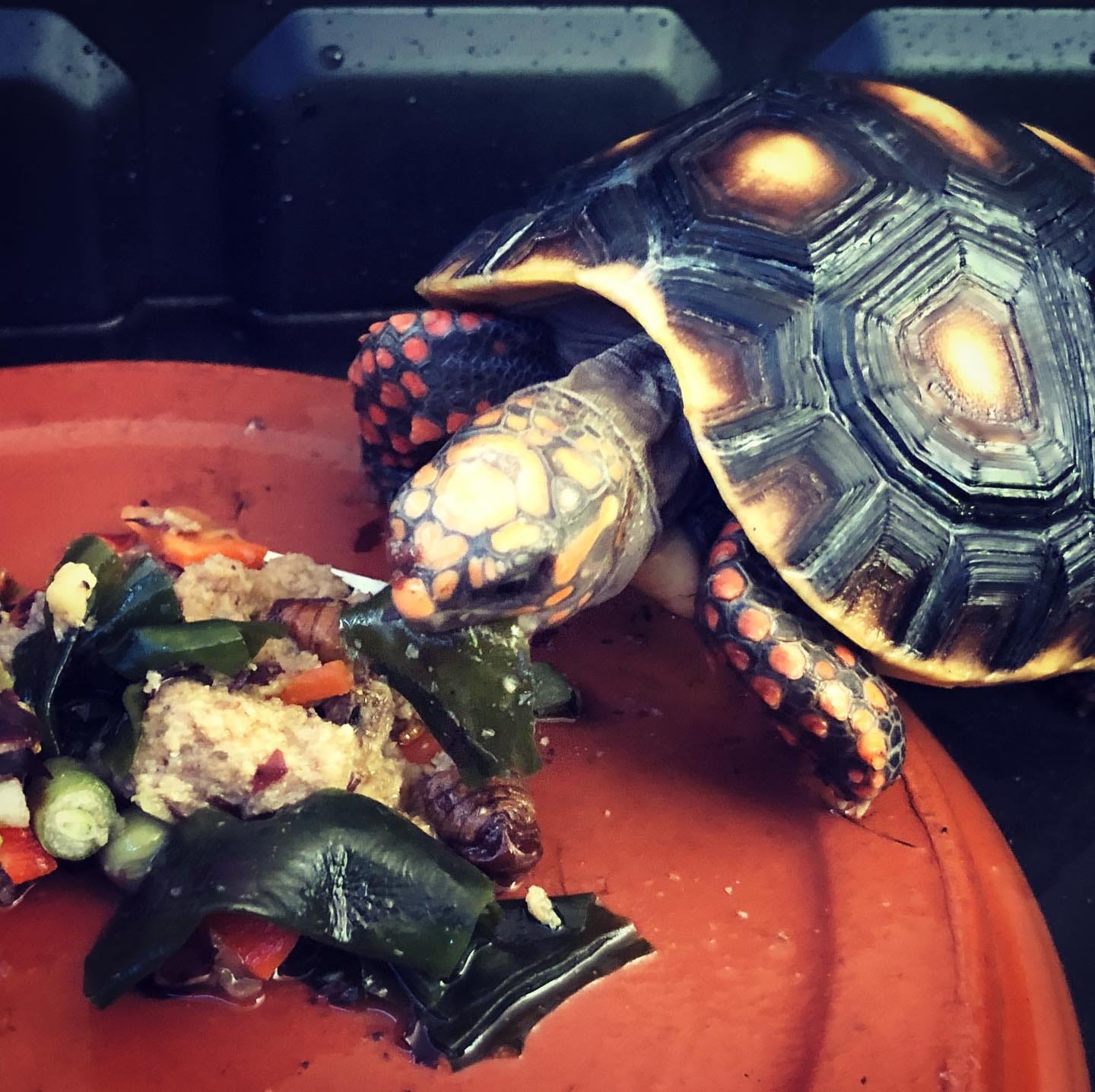
Credit: medium.com
Diet Basics
Understanding the diet basics of your Red Footed Tortoise is key to keeping it healthy and happy. Their natural eating habits give you clues about what to feed them in captivity. Paying attention to the right balance of foods and hydration can make a noticeable difference in their wellbeing.
Natural Habitat Foods
In the wild, Red Footed Tortoises enjoy a varied diet that includes fruits, leaves, flowers, and occasional insects. They often forage on fallen fruits like guava, mango, and papaya, which provide essential sugars and vitamins.
You might be surprised that they also eat small amounts of animal protein such as snails or worms. This variety keeps their diet balanced and interesting, so try to mimic this diversity in your tortoise’s meals.
Essential Nutrients
Calcium is crucial for your tortoise’s shell and bone health. Make sure to offer foods rich in calcium, like kale, collard greens, and dandelion leaves. A calcium supplement dusted on their food once or twice a week can prevent deficiencies.
Vitamin A helps maintain good eyesight and skin condition. Bright orange and yellow veggies, such as carrots and squash, can provide this nutrient. Don’t forget fiber; it aids digestion and keeps their gut moving smoothly.
Hydration Needs
Hydration is often overlooked but vital for Red Footed Tortoises. They absorb water not just by drinking but also through their skin and from moist foods.
Offering a shallow water dish daily encourages drinking, and soaking your tortoise for 15-20 minutes a few times a week can help keep them hydrated. Have you noticed if your tortoise eagerly drinks from a water dish, or prefers soaking? Observing this can guide how you meet their hydration needs best.
Fruits And Vegetables
Fruits and vegetables are essential for a Red Footed Tortoise’s diet. They provide important vitamins and minerals. These foods help keep the tortoise healthy and active. Variety is key to a balanced diet. Fresh, clean produce is best for feeding.
Safe Fruits
Many fruits are safe and tasty for Red Footed Tortoises. They enjoy sweet, juicy fruits that add hydration. Some favorites include:
- Papaya
- Mango
- Banana
- Strawberries
- Melon
Offer fruits in moderation. Too much sugar can cause health problems. Always wash fruits thoroughly before feeding.
Leafy Greens
Leafy greens are a staple in their diet. They provide fiber and essential nutrients. Good choices are:
- Kale
- Collard greens
- Dandelion greens
- Mustard greens
- Turnip greens
Avoid iceberg lettuce. It has little nutritional value. Greens should be fresh and pesticide-free.
Avoid Toxic Plants
Some plants are harmful and must be avoided. These can cause illness or death. Common toxic plants include:
- Rhubarb leaves
- Oleander
- Foxglove
- Azalea
- Nightshade
Check new plants carefully before feeding. When unsure, do not feed the plant.
Protein Sources
Protein plays an important role in the diet of Red Footed Tortoises. It supports healthy growth and strong muscles. Proper protein sources keep these tortoises active and healthy. Both animal and plant-based proteins are suitable. Balance is key to avoid health issues.
Animal Proteins
Animal proteins provide essential nutrients and amino acids. Suitable options include:
- Earthworms
- Snails
- Insects like crickets and mealworms
- Cooked lean meats in small amounts
Offer these proteins occasionally to prevent excess fat. Fresh and clean sources reduce health risks.
Plant-based Options
Plant proteins are important for a balanced diet. These include:
- Legumes such as beans and peas
- Leafy greens like kale and collard greens
- Fruits such as papaya and mango
- Vegetables like squash and carrots
These foods provide vitamins and fiber. They help maintain digestion and energy.
Feeding Frequency
Feed Red Footed Tortoises protein sources two to three times per week. Avoid daily feeding of animal proteins to prevent kidney issues. Plant-based foods can be given daily in smaller amounts. Watch your tortoise’s appetite and adjust portions accordingly.
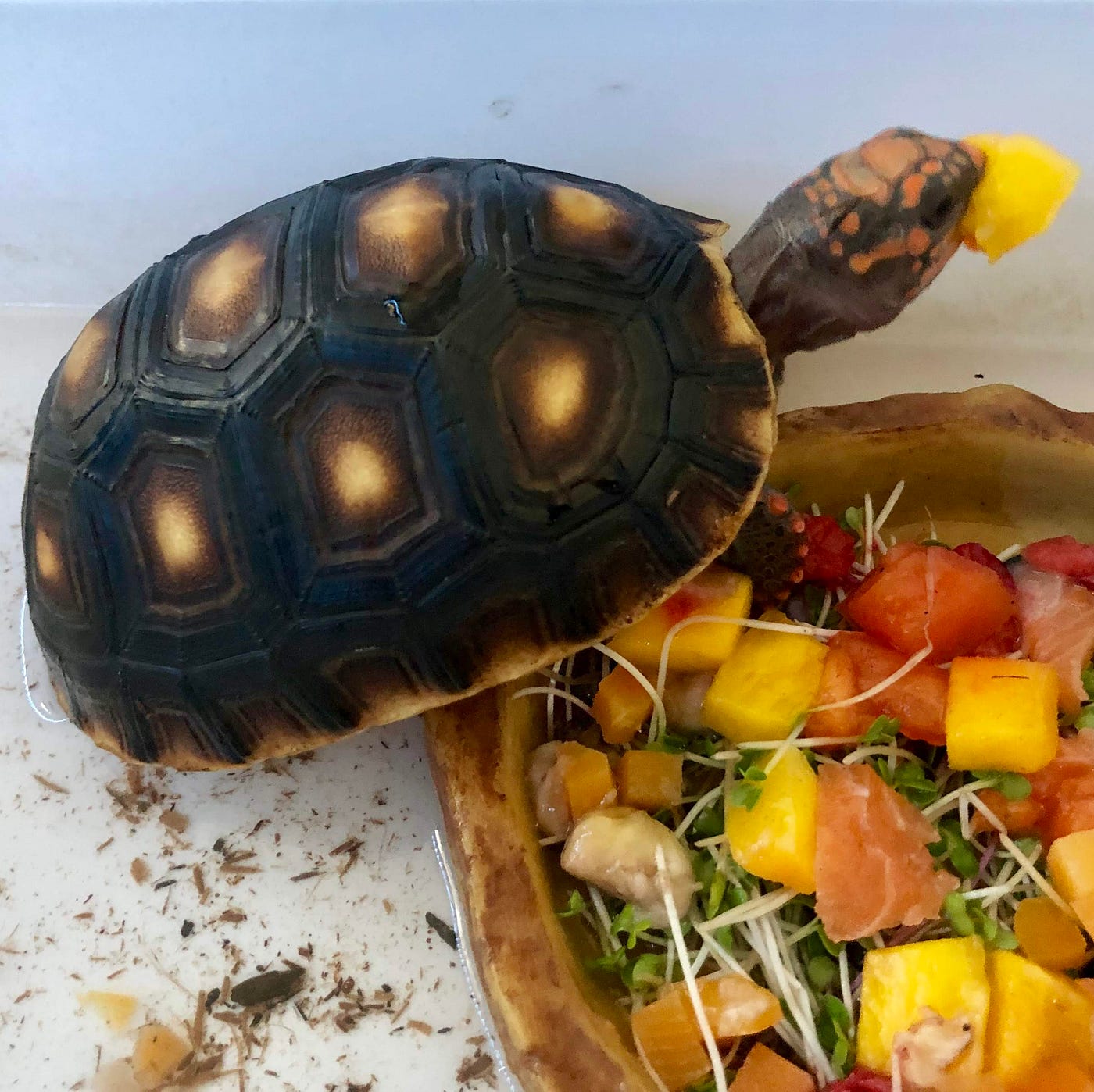
Credit: medium.com
Supplements And Vitamins
Supplements and vitamins are key to keeping your Red Footed Tortoise healthy and active. They fill the nutritional gaps that natural food might miss. Knowing when and how to use these supplements can make a big difference in your tortoise’s well-being.
Calcium Importance
Calcium is essential for your tortoise’s shell and bone strength. Without enough calcium, your tortoise could develop soft shell or metabolic bone disease. I noticed a significant improvement in my tortoise’s shell hardness once I started adding calcium powder to her meals twice a week.
To ensure proper calcium intake, dust leafy greens or fruits with calcium powder. Avoid overdoing it—too much calcium can cause kidney issues. Balance is the key to healthy growth and shell development.
Vitamin D3 Role
Vitamin D3 helps your tortoise absorb calcium effectively. Without it, calcium won’t reach the bones where it’s needed most. If your tortoise spends limited time outdoors, supplementing with vitamin D3 becomes crucial.
UVB lighting is a natural source of Vitamin D3. If you can’t provide enough sunlight, use a UVB lamp designed for reptiles. This small change in your setup can prevent many health problems linked to vitamin D3 deficiency.
When To Use Supplements
Not every tortoise needs daily supplements. Use calcium powder 1-2 times per week for healthy adults. Younger tortoises and breeding females may need it more often.
Vitamin supplements are best used sparingly. Over-supplementing can cause more harm than good. Watch your tortoise’s behavior and shell condition to decide if supplements are necessary.
Ask yourself: Is your tortoise getting enough natural sunlight and a varied diet? If not, supplements become more important. Careful observation will guide you to the right balance for your pet’s health.
Feeding Tips
Feeding a Red Footed Tortoise properly supports its health and longevity. Understanding the right feeding habits helps prevent common diet issues. Careful attention to feeding practices ensures a balanced, happy tortoise.
Portion Control
Offer food in small, manageable portions. Overfeeding can lead to obesity and health problems. A good rule is to provide about 5-10% of the tortoise’s body weight in food daily. Variety matters, but quantity must stay moderate.
Meal Timing
Feed your tortoise once a day or every other day. Consistent timing helps regulate digestion. Morning feeding works best since tortoises are active during daylight. Avoid feeding late at night to prevent uneaten food from spoiling.
Monitoring Intake
Watch how much your tortoise eats each meal. Uneaten food may signal illness or dislike. Check for changes in appetite regularly. Keep a feeding log to track patterns. Immediate action helps maintain good health.

Credit: www.reddit.com
Common Diet Mistakes
Red Footed Tortoises need a careful diet for good health. Many owners make common mistakes that harm their pets. These mistakes affect the tortoise’s growth, shell, and energy. Understanding what to avoid helps keep your tortoise happy and strong.
Overfeeding Risks
Feeding too much food can cause obesity in Red Footed Tortoises. Overweight tortoises move less and get sick easily. Too many treats or high-calorie foods add extra weight. Portion control is important to maintain a healthy tortoise.
Unbalanced Diet Effects
A diet lacking variety harms the tortoise’s health. Feeding mostly fruits or only leafy greens misses essential nutrients. Protein, fiber, vitamins, and minerals must all be present. An unbalanced diet leads to weak shells and poor growth.
Avoiding Harmful Foods
Certain foods are toxic or hard to digest for Red Footed Tortoises. Avoid avocado, rhubarb, and processed human food. These can cause illness or digestive problems. Stick to safe vegetables, fruits, and occasional protein sources.
Special Diets For Growth
Red Footed Tortoises need special diets to support healthy growth. Their nutritional needs change as they grow. Providing the right food helps their shells, bones, and overall health develop well. A balanced diet also keeps them active and strong.
Juvenile Tortoise Needs
Young tortoises require more protein for growth. Offer a diet rich in leafy greens and vegetables. Include some fruits, but keep them limited. Protein sources like earthworms or cooked eggs can be given occasionally. Calcium is essential for strong shells. Use cuttlebone or calcium supplements to boost intake.
Adjusting Diet For Adults
Adult tortoises need fewer proteins but more fiber. Focus on high-fiber plants, such as grasses and leaves. Fruits should be rare treats, not daily food. Adults benefit from a diet rich in antioxidants and vitamins. Maintain calcium intake to prevent shell problems. Avoid overfeeding to keep healthy weight.
Seasonal Changes
Diet must change with seasons. During warm months, offer more fresh greens and fruits. In cooler months, reduce fruits and increase fibrous plants. Ensure constant access to fresh water year-round. Seasonal changes help mimic natural feeding habits. This supports digestion and overall wellness.
Meal Preparation
Preparing meals for your red-footed tortoise takes care and attention. Proper meal preparation ensures your tortoise gets fresh and safe food. It helps maintain their health and encourages good eating habits. Follow these simple steps to prepare their meals effectively.
Washing And Cutting Foods
Always wash fruits and vegetables thoroughly to remove dirt and chemicals. Use clean, cold water and avoid soap or detergents. Cut the food into small, bite-sized pieces. This makes it easier for your tortoise to eat and digest. Remove any seeds or pits that could harm your pet.
Mixing Ingredients
Combine a variety of foods to create a balanced meal. Use leafy greens, fruits, and vegetables in different proportions. Mixing helps provide essential nutrients and keeps meals interesting. Avoid adding too much fruit, as it can cause digestive problems. Use a shallow dish to present the mixed food clearly.
Storage Tips
Store prepared food in the refrigerator if not used immediately. Keep it in an airtight container to maintain freshness. Use the stored food within 24 hours to prevent spoilage. Discard any leftovers left out for more than two hours. Always check for signs of mold or bad smell before feeding.
Frequently Asked Questions
What Is The Ideal Diet For A Red Footed Tortoise?
The ideal diet includes fruits, leafy greens, and vegetables. They also need occasional protein like earthworms. A balanced diet supports their health and longevity.
Can Red Footed Tortoises Eat Meat Or Insects?
Yes, they can eat small insects and occasional meat. Protein should be limited to avoid health issues. Focus mainly on plant-based foods for their diet.
How Often Should I Feed My Red Footed Tortoise?
Feed them daily or every other day. Young tortoises need more frequent feeding than adults. Always provide fresh food and clean water.
Which Fruits Are Best For Red Footed Tortoises?
Papaya, mango, and berries are excellent choices. Avoid citrus fruits as they can upset digestion. Fruits should be given in moderation due to sugar content.
Conclusion
A balanced diet keeps red-footed tortoises healthy and active. Fresh fruits, vegetables, and leafy greens suit them best. Protein sources like insects or eggs help growth. Avoid too much sugary or processed food. Clean water should always be available. Watch their eating habits for signs of illness.
Feeding them right means a longer, happier life. Simple care makes a big difference. Keep their diet varied to meet all needs. Healthy tortoises are joyful pets to have.







