
Imagine having a pet that’s not only fascinating to watch but also easy to care for. If you’ve chosen a red-eared terrapin as your aquatic companion, you’re in for a rewarding experience.
However, ensuring your shelled friend thrives requires some understanding of their dietary needs. Are you feeding your red-eared terrapin the right foods to keep it healthy and happy? In this guide, you’ll uncover the secrets to crafting the perfect diet for your terrapin.
By the end, you’ll feel confident in providing a nutritious and balanced menu that will keep your terrapin swimming joyfully and living its best life. Dive in to discover how a few simple dietary adjustments can make all the difference for your pet’s wellbeing.
Credit: www.boxturtles.com
Red Eared Terrapin Basics
Understanding the basics of the Red Eared Terrapin is essential before diving into its diet. These fascinating turtles have unique needs shaped by their natural environment and physical traits. Knowing these details helps you provide the right care and food to keep your terrapin healthy and happy.
Natural Habitat And Behavior
The Red Eared Terrapin thrives in freshwater environments like ponds, lakes, and slow-moving rivers. You’ll notice they love basking on rocks or logs to soak up sunlight, which is crucial for their health.
These turtles are active swimmers and spend most of their time underwater searching for food. Have you ever watched one dive and emerge with a mouthful of plants or small critters? Their hunting style is quick and efficient, showing how diet and behavior are tightly linked.
Physical Characteristics
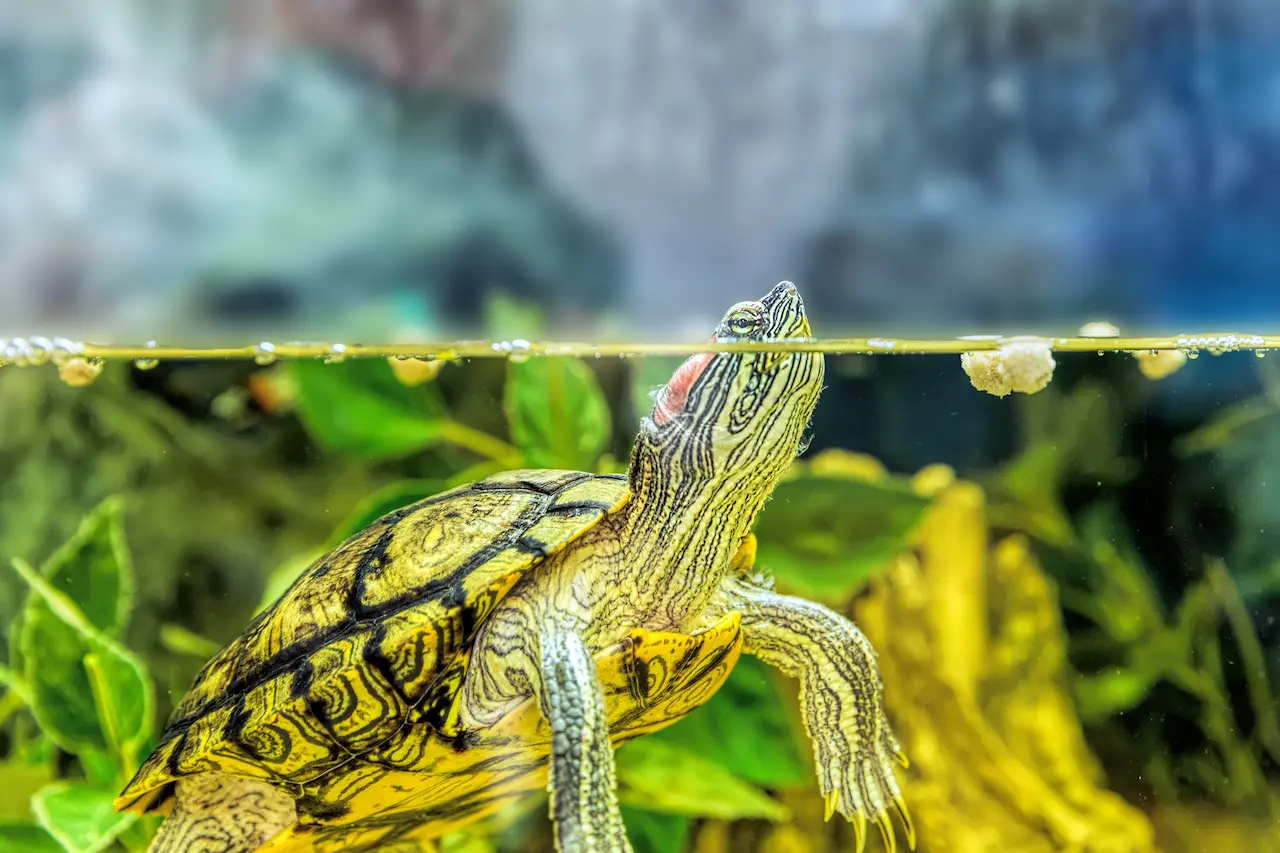
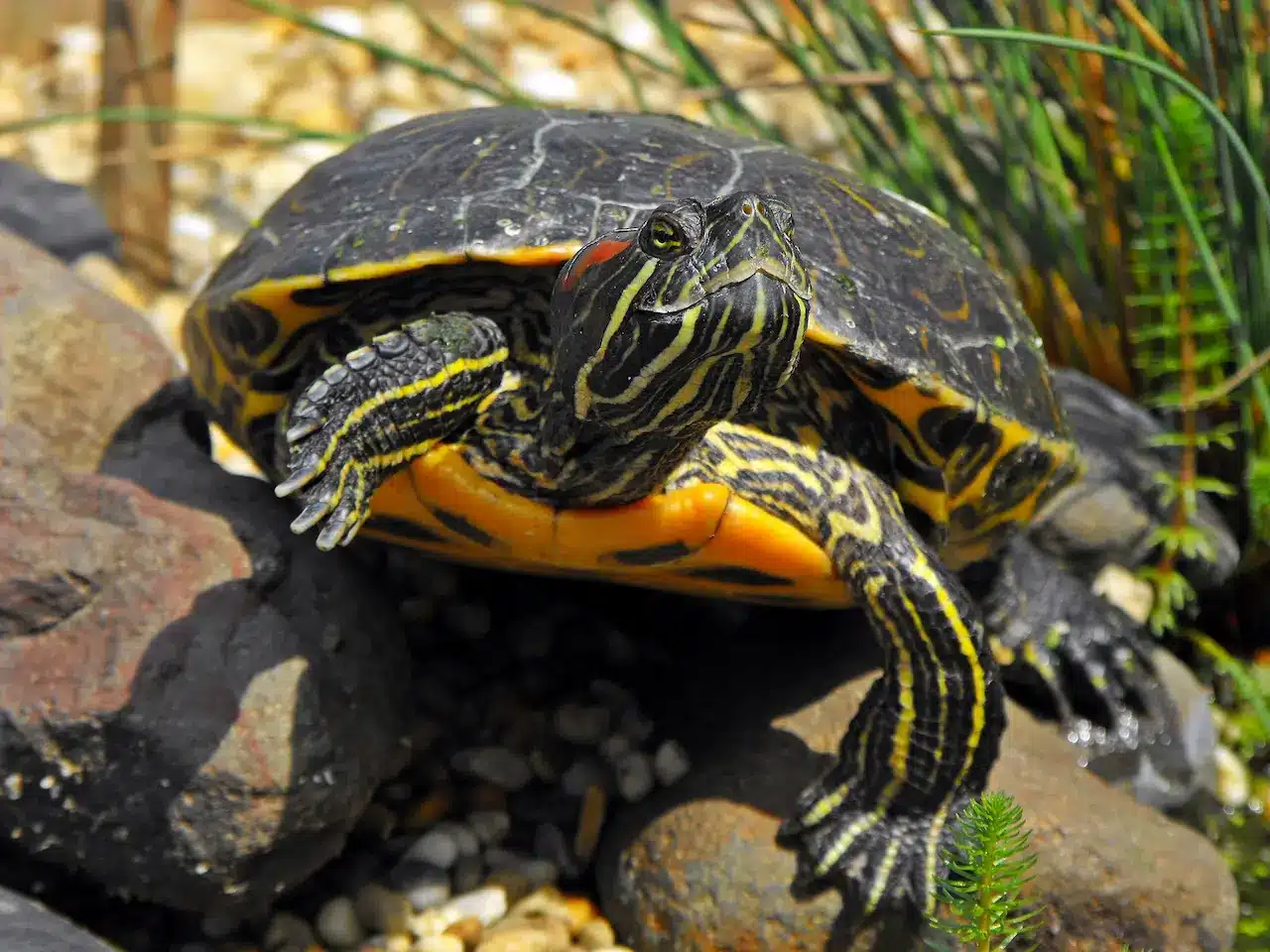
One of the most distinctive features of the Red Eared Terrapin is the bright red patch behind each eye. This marking makes them easy to identify and adds to their charm.
They have a smooth, oval shell that can grow up to 12 inches long. Their strong legs and webbed feet make them excellent swimmers, while their sharp beak helps them tear apart food. These physical traits influence what they eat and how they catch it.
Dietary Needs
Understanding the dietary needs of your Red Eared Terrapin is key to keeping it healthy and active. Their diet should be balanced, providing everything they need to thrive. You might be surprised at how much variety and attention this small turtle’s meals require.
Essential Nutrients
Your terrapin needs a mix of nutrients to stay strong. Protein is critical, but they also require fats and carbohydrates in smaller amounts. Don’t forget fiber; it helps with digestion and keeps their gut healthy.
Fresh vegetables like leafy greens and aquatic plants add fiber and vitamins. Avoid feeding just one type of food—variety helps cover all nutritional bases. Have you noticed how your terrapin reacts to different foods?
Protein Requirements
Protein fuels growth and repairs tissues. Young Red Eared Terrapins need more protein than adults. You can meet this need with insects, small fish, and commercial turtle pellets rich in protein.
Try feeding live or frozen feeder insects like crickets or mealworms a few times a week. For adults, reduce protein slightly and balance it with plant matter. Overfeeding protein can cause shell deformities or kidney problems, so keep an eye on portion sizes.
Vitamins And Minerals
Vitamins A, D3, and calcium are essential for your terrapin’s shell and overall health. Vitamin A supports eyesight and immune function, while vitamin D3 helps calcium absorption.
Sunlight exposure is vital for natural vitamin D3 synthesis. If your terrapin stays indoors, consider supplementing with calcium powders and vitamin drops. Have you checked if your pet’s shell is hard and smooth? That’s a good sign they’re getting enough minerals.
Food Options
Red Eared Terrapins need a varied diet for good health and energy. Their food should include proteins, vitamins, and minerals. Choose foods that are easy to digest and support their growth. This section covers different food options to feed your terrapin properly.
Commercial Pellets
Commercial pellets are a convenient food choice. They contain balanced nutrients made for aquatic turtles. Pellets are easy to store and measure for daily feeding. Select high-quality pellets with protein and essential vitamins. Offer pellets as a base diet but not the only food.
Live And Frozen Foods
Live and frozen foods provide protein and stimulate natural hunting instincts. Common options include:
- Crickets
- Mealworms
- Bloodworms
- Small fish
- Shrimp
Feed these foods in moderation to avoid overfeeding. Always ensure live foods are healthy and pesticide-free. Frozen foods are safer and easier to store but lack the activity of live prey.
Vegetables And Fruits
Vegetables and fruits supply important vitamins and fiber. Good choices are:
- Leafy greens like kale and romaine
- Carrots
- Squash
- Melon
- Berries
Chop veggies and fruits into small pieces for easy eating. Avoid citrus fruits and foods high in sugar. Fresh produce adds variety and supports digestion in your terrapin.

Credit: www.hastingsdc.govt.nz
Feeding Schedule
Setting a consistent feeding schedule is essential for the health and growth of your Red Eared Terrapin. Proper timing helps maintain energy levels and supports their active lifestyle. Adjusting the feeding routine according to age and season keeps your terrapin happy and healthy.
Juvenile Feeding Tips
Young terrapins need more frequent meals to fuel their rapid growth. Feed juveniles daily with small portions. Offer a variety of protein-rich foods like insects, small fish, and commercial turtle pellets. Fresh vegetables can be added in small amounts. Monitor their appetite and avoid overfeeding to prevent obesity.
Adult Feeding Frequency
Adult Red Eared Terrapins require fewer meals than juveniles. Feeding them every other day is usually sufficient. Focus on a balanced diet with more vegetables and less protein. Include leafy greens, aquatic plants, and occasional treats. Keep portions moderate to avoid excess weight gain.
Seasonal Adjustments
Terrapins eat less during colder months due to slower metabolism. Reduce feeding frequency in fall and winter to once or twice per week. Increase food gradually as temperatures rise in spring. During summer, maintain a regular schedule with varied diet to support activity and growth. Always watch for signs of hunger or lethargy.
Common Feeding Mistakes
Feeding a red-eared terrapin requires care and attention. Many owners make common mistakes that harm their pet’s health. Knowing these errors helps keep your terrapin happy and strong. Below are frequent feeding problems to avoid.
Overfeeding Risks
Giving too much food causes obesity in terrapins. Overweight turtles move less and get sick. Excess food also pollutes their water quickly. This leads to poor water quality and infections. Feed only the amount your terrapin can eat in 10-15 minutes. Stick to a regular feeding schedule to prevent overfeeding.
Inappropriate Foods
Not all foods are safe for red-eared terrapins. Avoid processed human snacks and junk food. Some fruits and vegetables can upset their digestion. Never feed spicy or salty items. Use a balanced diet with fresh vegetables, aquatic plants, and protein like fish or insects. Offer variety but check each food’s safety first.
Ignoring Water Quality
Dirty water affects feeding and health. Terrapins eat better in clean water. Leftover food and waste cause bacteria growth. This can lead to shell and skin problems. Change water regularly and use a good filter. Keep feeding areas free from mess to maintain water quality.
Supplements And Enhancements
Supplements and enhancements play a crucial role in keeping your Red Eared Terrapin healthy and active. While their diet should primarily consist of natural foods, adding the right supplements can prevent deficiencies and support strong shell growth. Understanding what to add and how to do it can make a significant difference in your terrapin’s well-being.
Calcium Sources
Calcium is essential for your terrapin’s shell and bone strength. Without enough calcium, they can develop soft shells and other health problems. You can provide calcium through cuttlebone, crushed eggshells, or specially formulated calcium powders.
I once noticed my terrapin’s shell was looking dull and weak. Adding crushed cuttlebone to her diet made a visible difference within weeks. Have you checked if your terrapin’s shell feels hard and smooth to the touch?
Vitamin Supplements
Vitamins like A, D3, and E support your terrapin’s immune system and overall vitality. A lack of these vitamins can lead to health issues such as poor vision or lethargy. Use reptile-specific multivitamin drops or powders to sprinkle on their food once or twice a week.
Be careful not to overdose on supplements. I learned this the hard way when my terrapin showed signs of vitamin toxicity. Are you measuring supplements carefully to avoid harming your pet?
Boosting Appetite
Sometimes, terrapins lose interest in food due to stress or illness. To boost their appetite, try offering varied food options like live insects, fresh greens, or commercial terrapin pellets. Warming the food slightly can also make it more appealing.
Adding a little garlic or spirulina powder can stimulate hunger without harming your pet. Have you observed any food preferences or dislikes in your terrapin that you can use to encourage eating?
Monitoring Health Through Diet
Keeping a close eye on your Red Eared Terrapin’s diet is one of the best ways to monitor its health. What your terrapin eats directly impacts its energy, shell condition, and overall well-being. By observing certain signs, you can catch health problems early and adjust feeding habits accordingly.
Signs Of Malnutrition
Look for changes in shell texture and color. A soft or flaky shell may signal a calcium deficiency.
Other signs include:
- Swollen eyes or mouth
- Loss of appetite
- Unusual lethargy
If you notice these symptoms, consider reviewing the balance of protein, vitamins, and minerals in the diet. Have you checked if your terrapin is getting enough leafy greens or calcium-rich foods?
Weight Management
Regularly weighing your terrapin helps track its health over time. A sudden drop or gain in weight can indicate dietary issues or illness.
Keep a simple log to compare weights weekly or monthly. Adjust portion sizes based on activity levels and seasonal changes. Is your terrapin more active in warmer months? That might mean it needs more food then.
Behavioral Indicators
Watch your terrapin’s behavior after feeding times. Healthy terrapins usually show eagerness for food and active swimming afterward.
Signs like disinterest in food, excessive hiding, or sluggish movements may point to dietary problems. Sometimes, a change in behavior is the first clue something is wrong before physical symptoms appear.
Have you observed any shifts in your pet’s behavior that coincide with diet changes? Small tweaks in food variety or feeding frequency might make a big difference.
Credit: www.boxturtles.com
Frequently Asked Questions
What Do Red Eared Terrapins Eat In Captivity?
Red Eared Terrapins eat a balanced diet of aquatic plants, insects, and commercial turtle pellets in captivity. They also enjoy occasional treats like fish or worms. A varied diet ensures they get necessary nutrients for healthy growth and shell development.
How Often Should I Feed My Red Eared Terrapin?
Feed juvenile Red Eared Terrapins daily and adults every 2-3 days. Overfeeding can cause health issues. Monitor their appetite and adjust feeding frequency accordingly. Fresh, clean water should always be available to support digestion and hydration.
Can Red Eared Terrapins Eat Vegetables And Fruits?
Yes, Red Eared Terrapins can eat vegetables like leafy greens and occasional fruits. Avoid citrus fruits as they can upset their stomach. Vegetables provide essential vitamins and fiber, promoting overall health and proper digestion.
Are Commercial Turtle Pellets Good For Red Eared Terrapins?
Commercial turtle pellets are a convenient, nutritious diet base for Red Eared Terrapins. Choose high-quality pellets rich in protein and calcium. Supplement pellets with live foods and vegetables for a balanced diet and optimal health.
Conclusion
A healthy diet keeps red eared terrapins active and happy. Feed them a mix of plants, insects, and commercial turtle food. Avoid overfeeding to prevent health problems. Fresh water is important for their well-being. Watch their eating habits to spot any changes early.
A balanced diet helps them grow strong and live longer. Careful feeding makes your terrapin thrive in any home. Give them the right food, and they will reward you with good health. Simple steps lead to a happy pet turtle life.







