
Are you feeding your pet rat the best diet possible? You might be surprised to learn how much impact a proper diet can have on your little friend’s health and happiness.
Understanding a rat’s dietary needs is crucial for their well-being and longevity. Just like humans, rats require a balanced diet to thrive, and knowing what to include—or avoid—can make all the difference. By the end of this article, you’ll be equipped with the knowledge to provide your furry companion with meals that will keep them energetic, healthy, and content.
Dive in to discover what should be on your rat’s menu and ensure you’re giving them the best care possible.
Essential Nutrients For Rats
Rats need a balanced diet to stay healthy and active. Essential nutrients support their growth, energy, and overall wellbeing. These nutrients include proteins, carbohydrates, fats, vitamins, and minerals. Understanding each one helps provide the best care for pet rats.
Proteins And Their Sources
Proteins build and repair body tissues. Rats require good quality protein for muscle development and immune function. Common protein sources include:
- Cooked eggs
- Lean meats like chicken or turkey
- Cooked beans and lentils
- Commercial rat pellets with added protein
Always avoid raw meat and ensure proteins are part of a balanced diet.
Carbohydrates And Fiber
Carbohydrates provide energy for daily activities. Fiber aids digestion and keeps the gut healthy. Safe carbohydrate and fiber sources include:
- Whole grains like oats and brown rice
- Fresh vegetables such as carrots and peas
- Fruits like apples and berries in small amounts
- Hay or grass for extra fiber
Fats And Oils
Fats supply concentrated energy and help absorb vitamins. Healthy fats also support brain function and skin health. Good fat sources for rats are:
- Small amounts of nuts and seeds
- Vegetable oils like flaxseed or olive oil
- Fat found naturally in meats and fish
Keep fat intake moderate to avoid obesity.
Vitamins And Minerals
Vitamins and minerals regulate body processes and strengthen bones. Rats need a variety of these nutrients for overall health. Important vitamins and minerals include:
- Vitamin A, C, and D from fresh fruits and vegetables
- Calcium and phosphorus for strong teeth and bones
- Iron and zinc for blood and immune health
- Commercial rat food often contains added vitamins and minerals
A varied diet usually covers these needs well.

Credit: mazuri.com
Best Foods For Pet Rats
Choosing the right foods for your pet rats can make a big difference in their health and happiness. A well-balanced diet keeps them active and curious, which is exactly what you want. Let’s look at some of the best food options to keep your furry friends thriving.
Fresh Vegetables And Fruits
Fresh veggies and fruits provide essential vitamins and fiber that rats need daily. You can offer small pieces of carrots, broccoli, cucumber, and apples. Remember to wash them thoroughly and avoid citrus fruits, which can upset their stomachs.
Have you noticed how your rats perk up when you bring out fresh greens? It’s their way of saying they love variety. Try rotating different veggies to keep mealtime exciting and nutritionally balanced.
Grains And Seeds
Whole grains and seeds are excellent sources of energy. Brown rice, oats, and barley work well, along with sunflower and pumpkin seeds in moderation. Avoid salted or flavored seeds to keep your rats safe and healthy.
Mixing grains into their diet can also satisfy their natural foraging instincts. You might see them nibble more eagerly when you scatter seeds around their cage, making feeding time a fun activity.
Protein-rich Options
Protein is vital for muscle growth and overall health in rats. Cooked eggs, lean chicken, and mealworms are great options to add protein. Small amounts of plain yogurt can also be a tasty treat that supports their digestive system.
Think about how varied your own diet is—rats benefit from the same diversity. A bit of protein now and then keeps their coat shiny and energy levels high.
Safe Treats
Treats should be given sparingly but can help with training and bonding. Plain cheerios, unsweetened cereals, or tiny pieces of cooked pasta make excellent safe treats. Avoid sugary or processed snacks that can harm their health.
Have you tried offering treats during playtime? It’s a simple way to strengthen your connection and reward good behavior without risking their diet.
Foods To Avoid
Knowing which foods to avoid is just as important as knowing what to feed your rat. Offering the wrong foods can harm their health and cause serious problems. Let’s break down some common foods you should keep away from your furry friend.
Toxic Foods
Some foods are outright dangerous for rats. Chocolate is one such food; it contains theobromine, which rats cannot process. Grapes and raisins, while healthy for humans, may cause kidney issues in rats.
Onions and garlic are also toxic and can damage your rat’s red blood cells. Even small amounts of these can lead to anemia. Avoid any food seasoned with these ingredients as well.
High-sugar And Fatty Items
Rats love treats, but sugary and fatty foods can quickly harm their health. Candy, soda, and baked goods with high sugar content can cause obesity and diabetes. Fatty foods like fried snacks or greasy leftovers are equally harmful.
Instead of risking their wellbeing, offer fresh fruits in moderation. Remember, your rat’s small body can’t handle the same quantities or types of treats humans enjoy.
Harmful Human Foods
Many human foods seem harmless but can be harmful to rats. Raw beans contain toxins that cooking normally neutralizes, so avoid giving them raw or undercooked. Dairy products can upset their stomach since rats are lactose intolerant.
Also, avoid giving your rat caffeine or alcohol, both of which can be fatal even in small amounts. Have you ever wondered why some foods that are safe for you cause your pet discomfort? Their digestive systems are simply different.
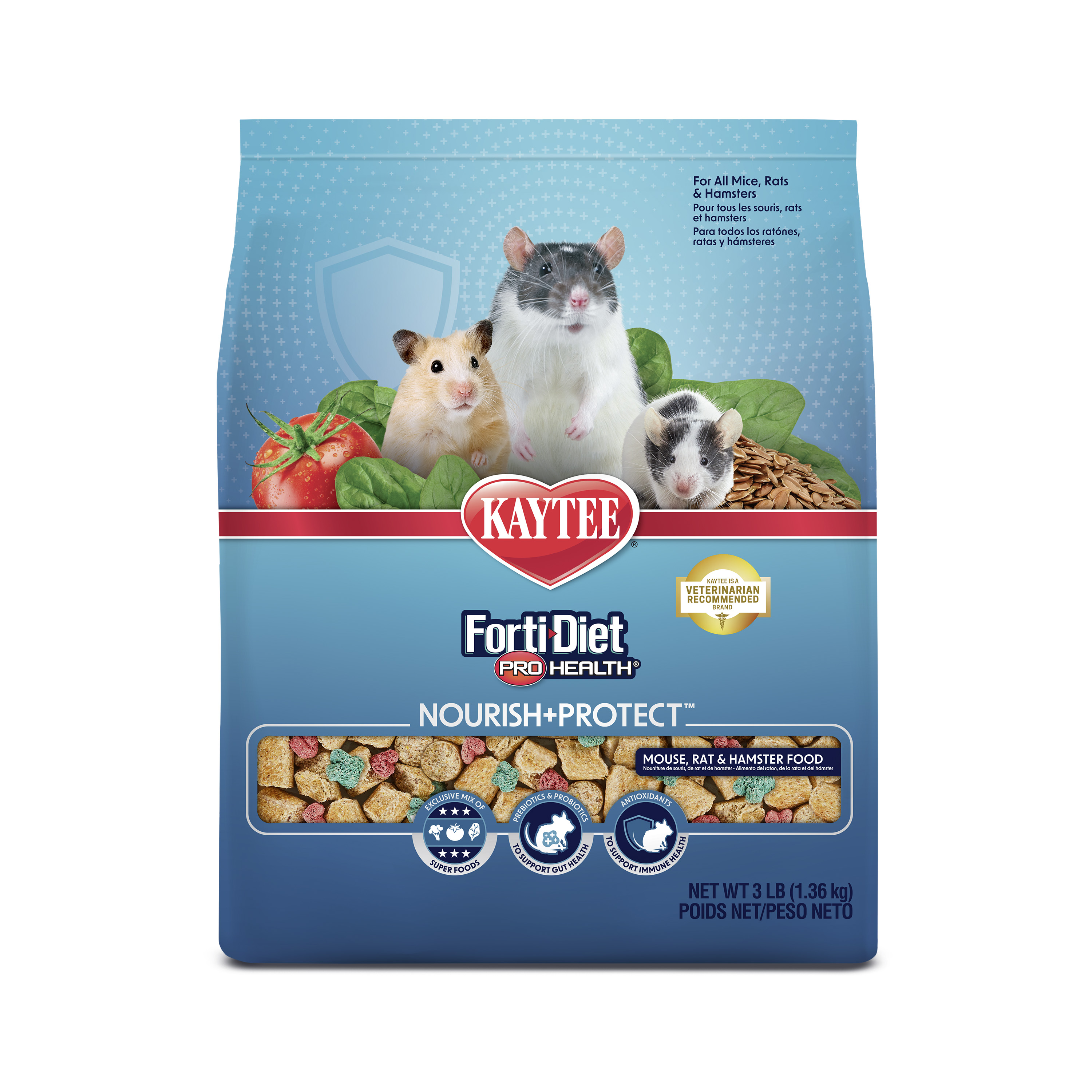
Credit: www.kaytee.com
Feeding Schedule And Portion Control
Keeping a proper feeding schedule and controlling portions is key to a rat’s health. Rats need balanced meals at regular times to stay active and happy. Overfeeding or irregular feeding can cause obesity and other health problems. It helps to set a routine that fits your rat’s lifestyle and needs.
Daily Feeding Routine
Feed rats twice a day, once in the morning and once in the evening. Provide fresh food at the same times daily. Remove any leftover food after a few hours to prevent spoilage. Make sure fresh water is available all day. Consistent timing helps regulate their digestion and energy.
Portion Size Guidelines
Give rats about 15 to 20 grams of food per day. This equals roughly one to two tablespoons of pellets or lab blocks. Supplement with small amounts of fresh fruits and vegetables. Avoid giving too many treats to prevent weight gain. Watch your rat’s weight and adjust portions as needed.
Adjusting Diet For Age And Health
Young rats need more calories for growth and play. Offer slightly larger portions and nutrient-rich foods. Older rats require fewer calories but more fiber to aid digestion. Sick rats might need special diets or softer foods. Always observe changes in appetite and consult a vet if unsure.
Hydration Needs
Hydration plays a crucial role in your rat’s overall health and well-being. Just like you, rats need a steady supply of fresh water to stay active and healthy. Understanding their hydration needs helps you prevent common health problems and keeps your pet happy.
Water Importance
Water is essential for your rat’s digestion, temperature regulation, and kidney function. Without enough water, their bodies can’t flush out toxins properly. Have you noticed how even slight dehydration can make you feel tired? Rats experience this too, which can lead to lethargy and loss of appetite.
Providing Clean Water
Always offer your rat clean, fresh water every day. Use a water bottle with a metal spout to avoid spills and contamination. Change the water daily and clean the bottle regularly to prevent bacterial growth. Some rats prefer water dishes, but these can get dirty quickly, so monitor them closely.
Signs Of Dehydration
Watch for these signs that your rat may not be drinking enough water:
- Dry nose or mouth
- Sunken eyes
- Reduced activity or sluggishness
- Wrinkled or loose skin when gently pinched
If you spot any of these, prompt action is necessary. How often do you check your rat’s water supply during the day? Small habits like this can make a big difference in keeping your pet well-hydrated.

Credit: mazuri.com
Homemade Rat Food Recipes
Making homemade food for your rat allows control over its diet. It ensures fresh ingredients and balanced nutrition. Rats need a mix of proteins, grains, and vegetables. Preparing meals at home helps avoid unhealthy additives. It also keeps your pet excited about eating.
Balanced Meal Ideas
- Cook plain brown rice or oats as a base.
- Mix small pieces of cooked chicken or boiled egg.
- Add steamed carrots, peas, or broccoli for vitamins.
- Include a few sunflower seeds for healthy fats.
- Sprinkle a pinch of crushed eggshell for calcium.
Serve in small portions. Avoid salty or sugary items.
Healthy Snacks
- Chop fresh apple or pear into bite-size pieces.
- Offer unsalted nuts like almonds or walnuts occasionally.
- Dry small slices of banana or berries for chewy treats.
- Provide raw carrot sticks for crunch and fiber.
Snacks should be given in moderation. Always watch for allergies.
Batch Cooking Tips
- Prepare large amounts of rice and veggies in one go.
- Store portions in airtight containers in the fridge.
- Freeze individual servings to keep food fresh longer.
- Label containers with dates for easy meal rotation.
- Reheat meals gently before serving to keep nutrients intact.
Batch cooking saves time and ensures consistent diet quality.
Monitoring Rat Health Through Diet
Monitoring your rat’s health through diet is vital for a long, happy life. Diet affects energy, fur condition, and overall wellbeing. A balanced diet helps prevent illness and supports normal growth.
Careful observation of your rat’s eating habits and body condition reveals health issues early. Changes in weight or behavior often signal diet-related problems. Keeping track of these signs ensures timely action.
Weight Management
Maintaining a healthy weight is key for your rat’s health. Overweight rats face heart and joint problems. Underweight rats may lack nutrients or have illness.
- Weigh your rat weekly using a small scale.
- Adjust food portions based on weight trends.
- Provide balanced meals with fresh fruits and vegetables.
Signs Of Nutritional Deficiency
Rats need vitamins, minerals, and protein. Deficiency signs include:
- Dull fur or hair loss
- Weakness or low energy
- Slow healing of wounds
- Changes in appetite
Observe your rat’s behavior and coat regularly. Offer a variety of foods to avoid deficiencies.
When To Consult A Veterinarian
Seek veterinary help if your rat shows these symptoms:
- Sudden weight loss or gain
- Persistent lethargy or weakness
- Unusual lumps or bumps
- Changes in eating or drinking habits
Early vet visits can prevent serious health problems. Always mention your rat’s diet during check-ups.
Frequently Asked Questions
What Foods Are Best For A Healthy Rat Diet?
A healthy rat diet includes fresh fruits, vegetables, whole grains, and lean proteins. Avoid sugary, fatty, or processed foods to maintain their health and energy.
Can Rats Eat Fruits And Vegetables Safely?
Yes, rats can eat many fruits and vegetables like apples, carrots, and broccoli. Always wash produce and avoid toxic ones like citrus and raw beans.
How Much Food Should I Feed My Pet Rat Daily?
Feed your pet rat about 15-20 grams of commercial rat food daily. Supplement with fresh fruits and veggies in small amounts for balanced nutrition.
Are Commercial Rat Pellets Necessary In Their Diet?
Yes, commercial rat pellets provide balanced nutrition and essential vitamins. They are a convenient and reliable food base for your rat’s diet.
Conclusion
A healthy rat diet keeps your pet happy and strong. Fresh fruits, vegetables, and grains provide good nutrition. Avoid sugary and fatty foods that harm their health. Clean water is essential every day. Balanced meals support their energy and growth.
Watch your rat’s eating habits closely. Small changes can make a big difference. Feeding right helps your rat live longer and feel better. Simple steps lead to a healthy, happy rat. Caring for their diet shows you care for them.







